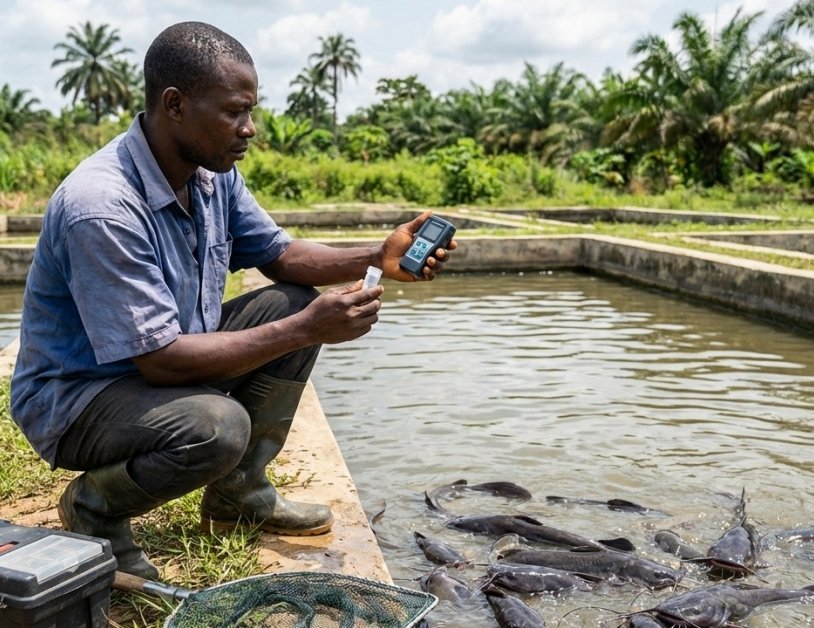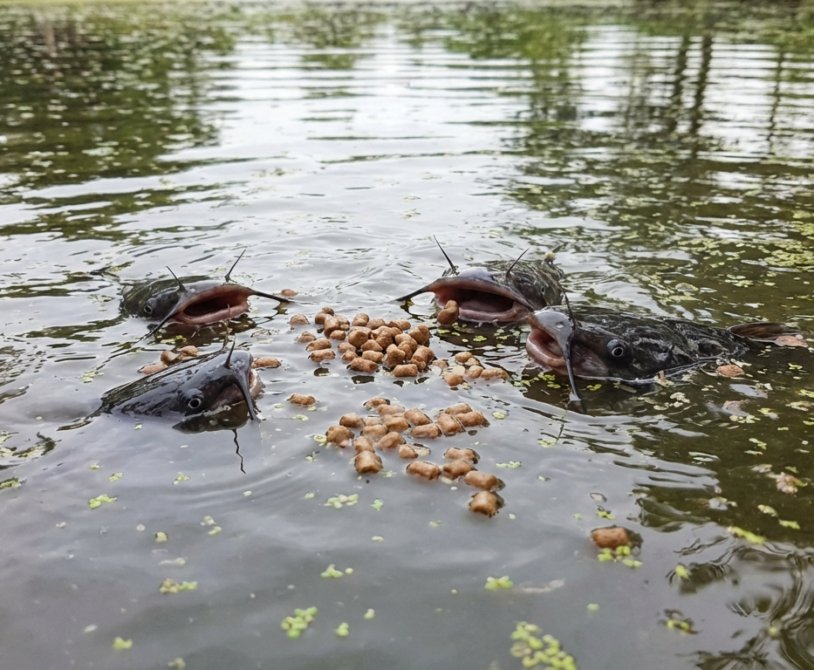
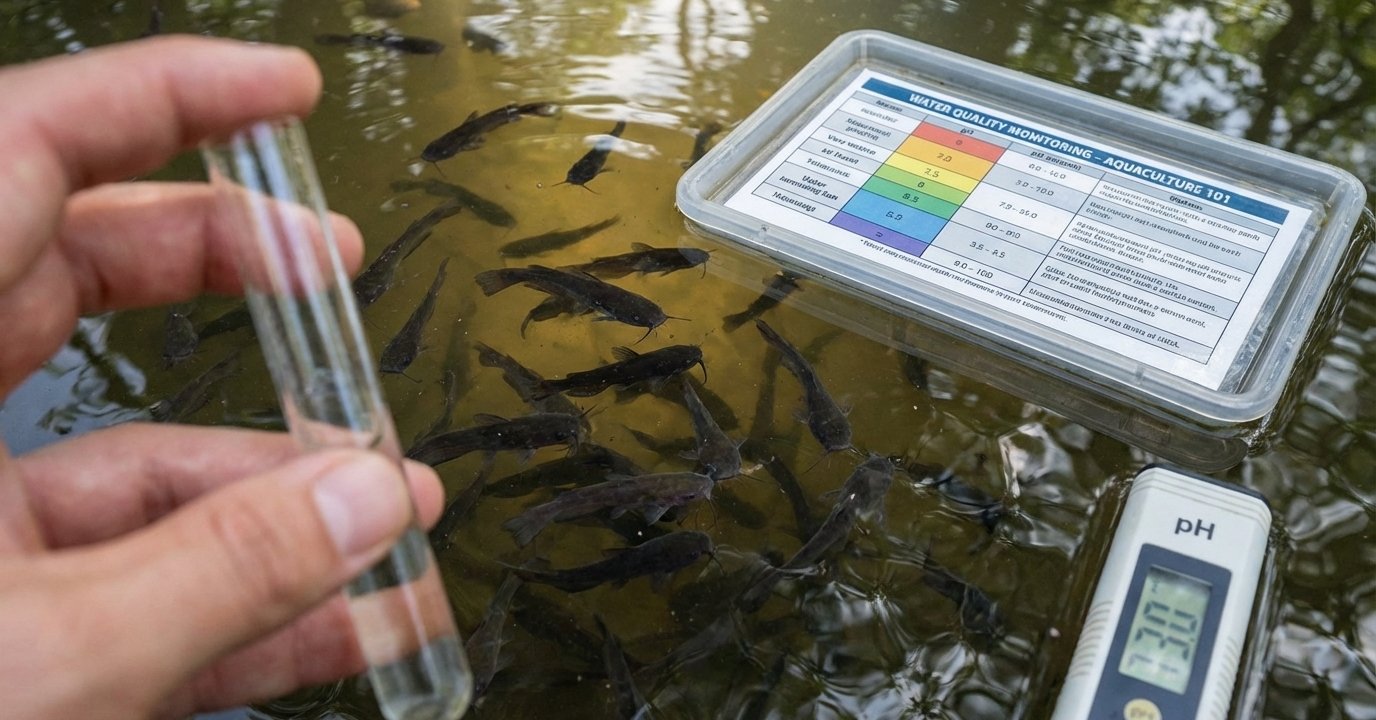
If you’ve ever stocked your pond with healthy fingerlings and returned days later to find unexplained deaths, you’re not alone. Losing catfish fingerlings is one of the most frustrating and expensive problems in aquaculture.
Fingerlings are delicate. A small mistake in water quality, feeding, or handling can wipe out weeks of investment in a few days. The good news? Most early mortality is preventable.
In this guide, you’ll learn the five biggest mistakes that kill catfish fingerlings and exactly how to fix them before they destroy your farm’s profitability.
Why Catfish Fingerlings Die Easily
Fingerlings are still developing. Their immune systems are weak, they are sensitive to environmental changes, and they cannot tolerate stress the way adult fish can.
Unlike mature catfish, fingerlings react quickly to:
-
Poor water quality
-
Low oxygen levels
-
Sudden temperature changes
-
Overcrowding
-
Rough handling
Understanding these risks is the first step to protecting your stock.
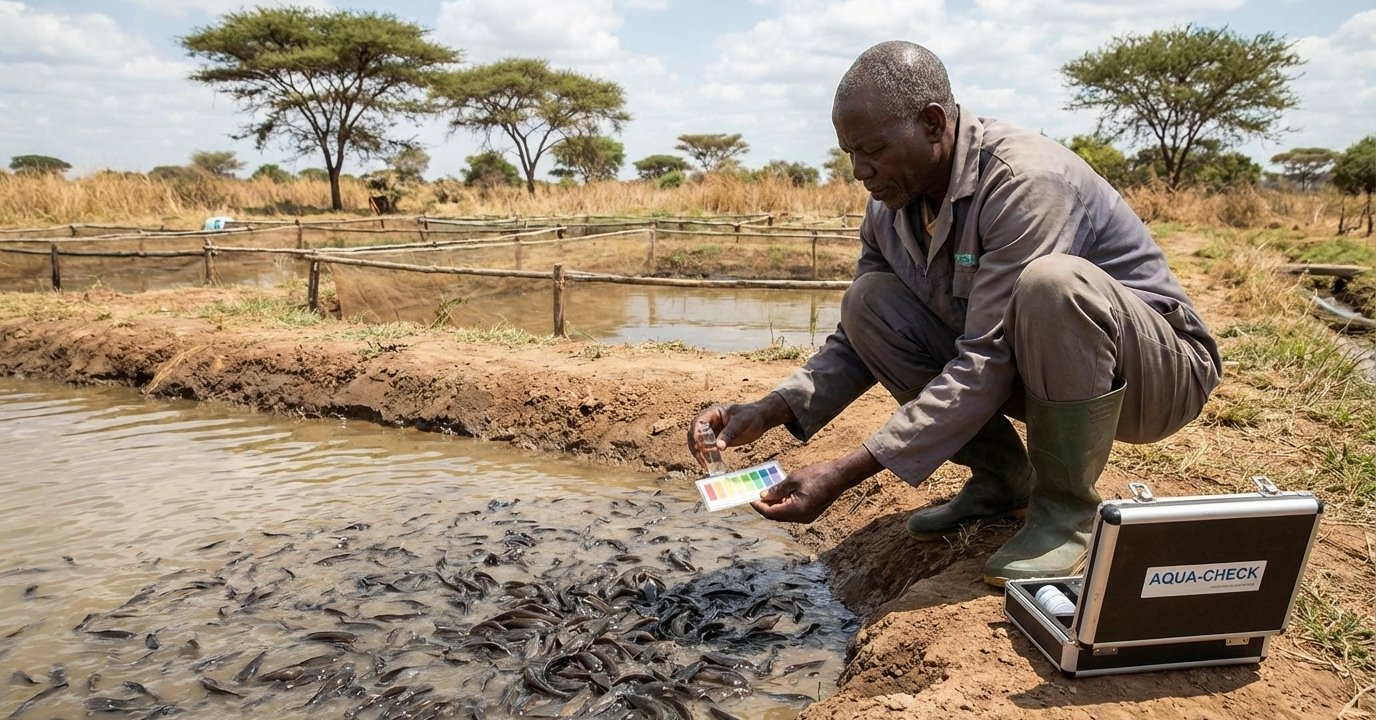
1. Poor Water Quality
This is the number one killer of catfish fingerlings.
Many farmers focus on feeding but ignore the water. Remember: fish live in water the way humans live in air. If the water is toxic, survival drops fast.
Common Water Problems
-
High ammonia levels
-
Dirty, unfiltered water
-
Incorrect pH (too acidic or too alkaline)
-
Accumulated waste and uneaten feed
Even slightly elevated ammonia can burn the gills of fingerlings and cause death within days.
How to Fix It
-
Test water weekly for ammonia and pH
-
Maintain pH between 6.5 and 8.5
-
Avoid overfeeding
-
Change water regularly (especially in tanks)
-
Use proper filtration or pond management practices
Clean water equals higher survival rates.
2. Low Dissolved Oxygen
Catfish are hardy, but fingerlings are not as tolerant as adults. Oxygen depletion often happens at night or early morning.
When oxygen levels drop, fingerlings may:
-
Swim near the surface
-
Gasp for air
-
Cluster around inflow pipes
-
Die suddenly by morning
How to Fix It
-
Avoid overstocking
-
Use aerators, especially in tanks
-
Reduce organic waste in ponds
-
Feed moderate quantities
If you notice fish gasping in the morning, oxygen is likely your problem.
3. Overstocking
It’s tempting to stock more fish to increase profit. But overcrowding fingerlings leads to stress, competition, oxygen depletion, and disease outbreaks.
When too many fingerlings share a small space:
-
Growth slows
-
Aggression increases
-
Weak fish die first
-
Water quality deteriorates quickly
How to Fix It
-
Follow the recommended stocking density
-
Grade fingerlings by size
-
Separate weak or injured fish
-
Expand pond or tank space if scaling up
Survival rate matters more than quantity stocked.
4. Overfeeding or Underfeeding
Feeding mistakes are common among new farmers.
Overfeeding Problems
-
Wasted feed pollutes water
-
Ammonia spikes
-
Oxygen drops
-
Bacterial growth increases
Underfeeding Problems
-
Weak immune system
-
Stunted growth
-
Cannibalism among fingerlings
How to Fix It
-
Feed 2–3 times daily in small portions
-
Observe feeding behavior
-
Remove uneaten feed
-
Use quality floating feed for monitoring
Balanced feeding reduces stress and improves growth.
5. Poor Handling and Transportation Stress
Fingerlings often die within 24–72 hours after stocking because of stress during transport.
Stress weakens their immune system and makes them vulnerable to infection.
Common Handling Mistakes
-
Long transport without oxygen
-
Sudden temperature changes
-
Pouring fish directly into pond water
-
Rough netting
How to Fix It
-
Buy from reputable hatcheries
-
Transport with oxygenated bags
-
Acclimate before stocking (float bags for 15–20 minutes)
-
Avoid stocking during extreme heat
Gentle handling significantly increases survival rates.
Bonus: Disease Introduction
Sometimes fingerlings arrive already infected.
Signs of disease include:
-
White patches
-
Red sores
-
Erratic swimming
-
Sudden unexplained deaths
Prevention Tips
-
Quarantine new fingerlings
-
Disinfect equipment
-
Avoid mixing new fish immediately
-
Consult an aquaculture expert if mortality continues
Prevention is cheaper than treatment.
How to Increase Fingerling Survival Rate
If you apply the fixes above, you can dramatically improve survival. Successful farmers focus on:
-
Clean water management
-
Proper stocking density
-
Quality feed
-
Good aeration
-
Careful handling
With good management, survival rates can exceed 85–95%.
Most catfish fingerling deaths are not caused by “bad luck.” They are caused by preventable management mistakes.
If you focus on water quality, oxygen levels, feeding discipline, and gentle handling, your mortality rate will drop — and your profits will rise.
Fingerlings are fragile, but with the right system, they grow into strong, market-ready fish.
Frequently Asked Questions
Why are my catfish fingerlings dying after stocking?
Most deaths occur due to poor water quality, low oxygen levels, transportation stress, or sudden temperature changes. Proper acclimation and water management can significantly reduce mortality.
What is the ideal survival rate for catfish fingerlings?
A well-managed farm should achieve an 85–95% survival rate. Lower rates usually indicate water quality or feeding problems.
How often should I feed catfish fingerlings?
Fingerlings should be fed 2–3 times daily in small, controlled portions to avoid water pollution and ensure healthy growth.
How do I reduce stress during transportation?
Transport fingerlings in oxygenated bags, avoid long travel times, and acclimate them slowly to pond water before release.
What water pH is best for catfish fingerlings?
The ideal pH range is between 6.5 and 8.5. Extreme pH levels can stress or kill fingerlings.