
The Cobb 500 is the most widely produced broiler breed on the planet. It holds that position not because of marketing but because of measurable biological performance: it converts feed…
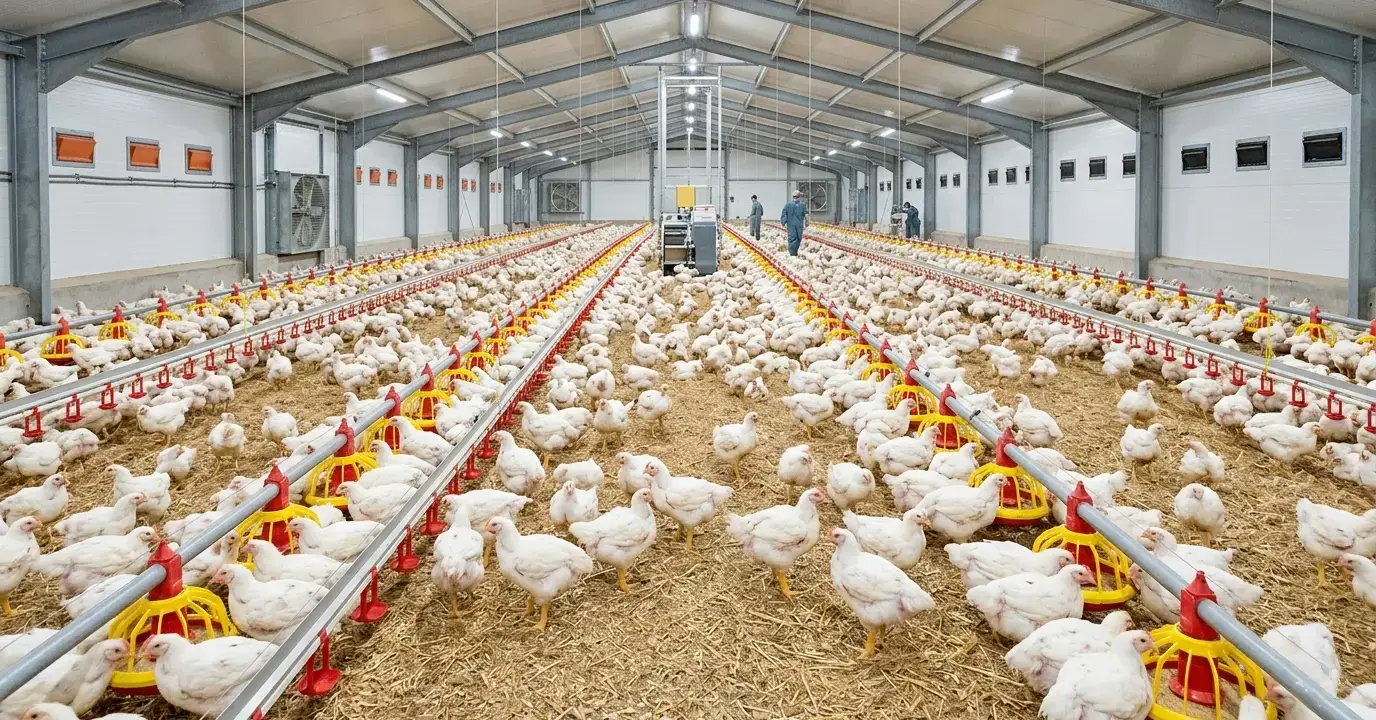
A broiler chicken is a bird specifically bred for meat production, distinguished by its rapid growth and high feed efficiency compared to egg-laying breeds. Through decades of selective breeding, modern broilers can reach a market weight of roughly 2.5 kg in as little as 6 to 8 weeks. This biological efficiency is quantified by the Feed Conversion Ratio (FCR), where birds convert high-protein grain into muscle at an impressive rate, making them the most cost-effective source of animal protein globally.
The production cycle is divided into three critical stages: brooding, growing, and finishing. During the initial brooding phase, chicks require a strictly controlled environment with temperatures around 32°C to 35°C to compensate for their inability to regulate body heat. As they mature, their diet transitions from high-protein “starter” crumbles to “finisher” pellets designed to maximize breast meat yield. In the current 2026 market, the industry is dominated by high-performance breeds like the Cobb 500 and Ross 308, which are favored for their consistent growth and resilience.
Modern broiler farming has shifted toward precision agriculture and improved animal welfare to meet consumer expectations. Farmers now utilize automated climate control and sensor-based feeding systems to reduce waste and monitor flock health in real-time. Additionally, there is a global movement toward “No Antibiotics Ever” (NAE) production, where gut health is maintained through probiotics and biosecurity rather than traditional medication. This evolution ensures that broiler farming remains a highly scalable and sustainable venture in the modern food supply chain.
The Cobb 500 is the most widely produced broiler breed on the planet. It holds that position not because of marketing but because of measurable biological performance: it converts feed…
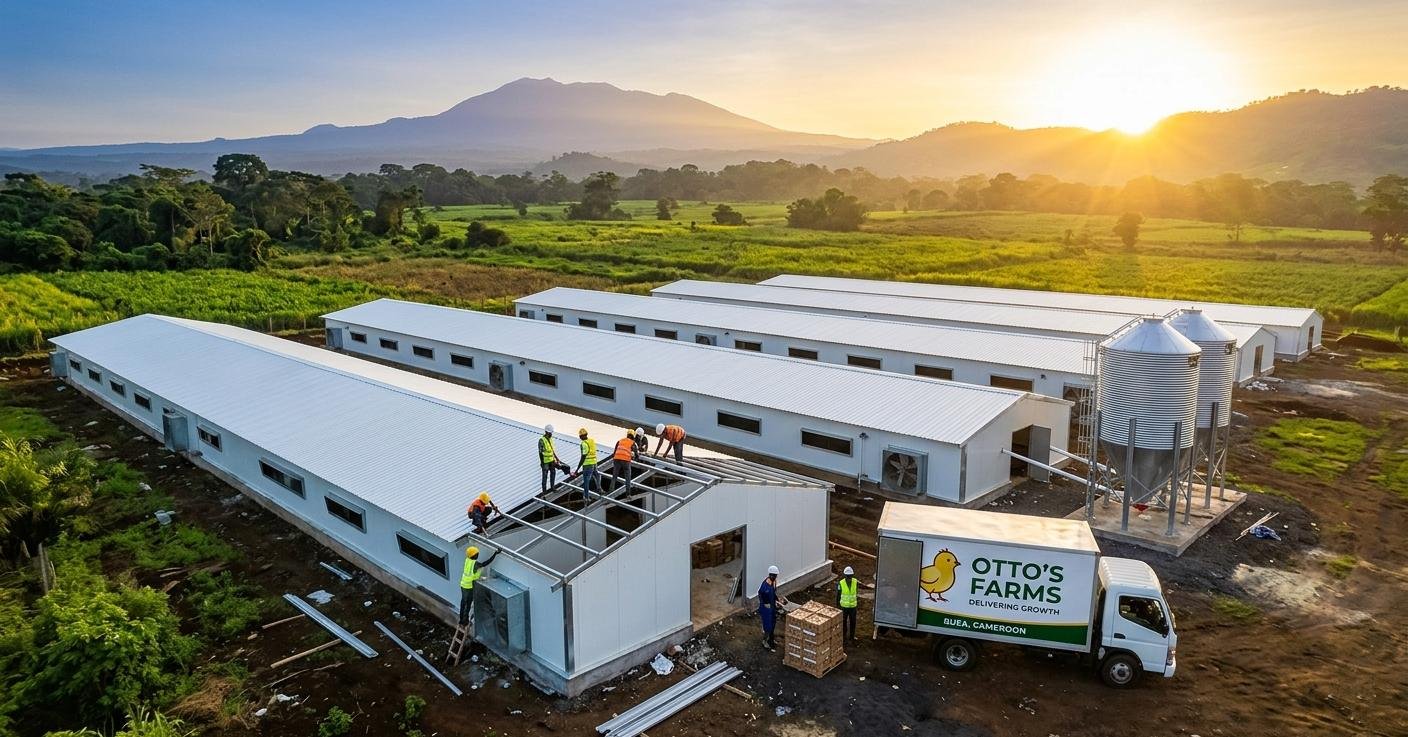
Starting a broiler chicken farm is an ambitious venture with the potential for significant returns. However, the barrier to entry is defined by a wide financial spectrum, ranging from a…
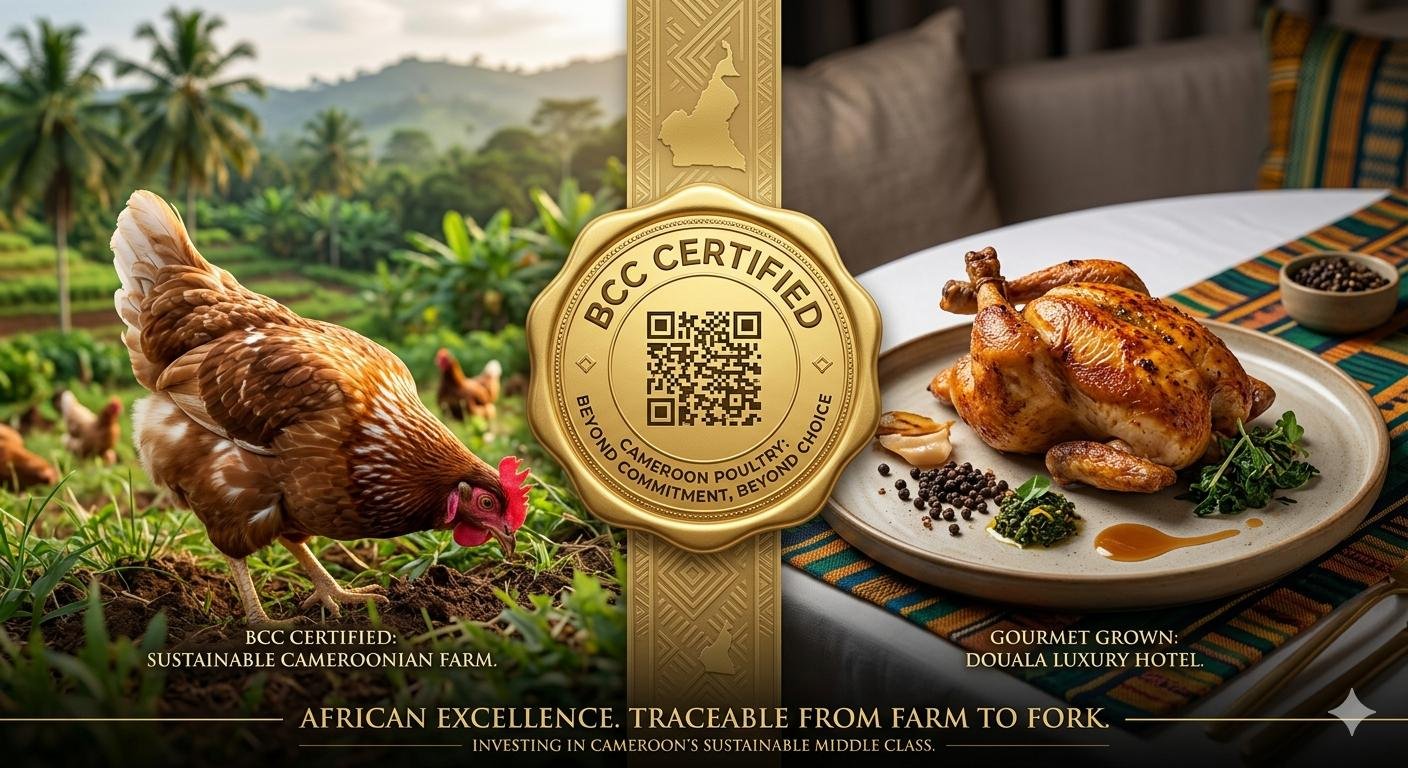
In 2026, over 200 of the world’s largest food companies have signed the Better Chicken Commitment. The list includes KFC, Unilever, Compass Group, Sodexo, Marks & Spencer, and Nestlé —…
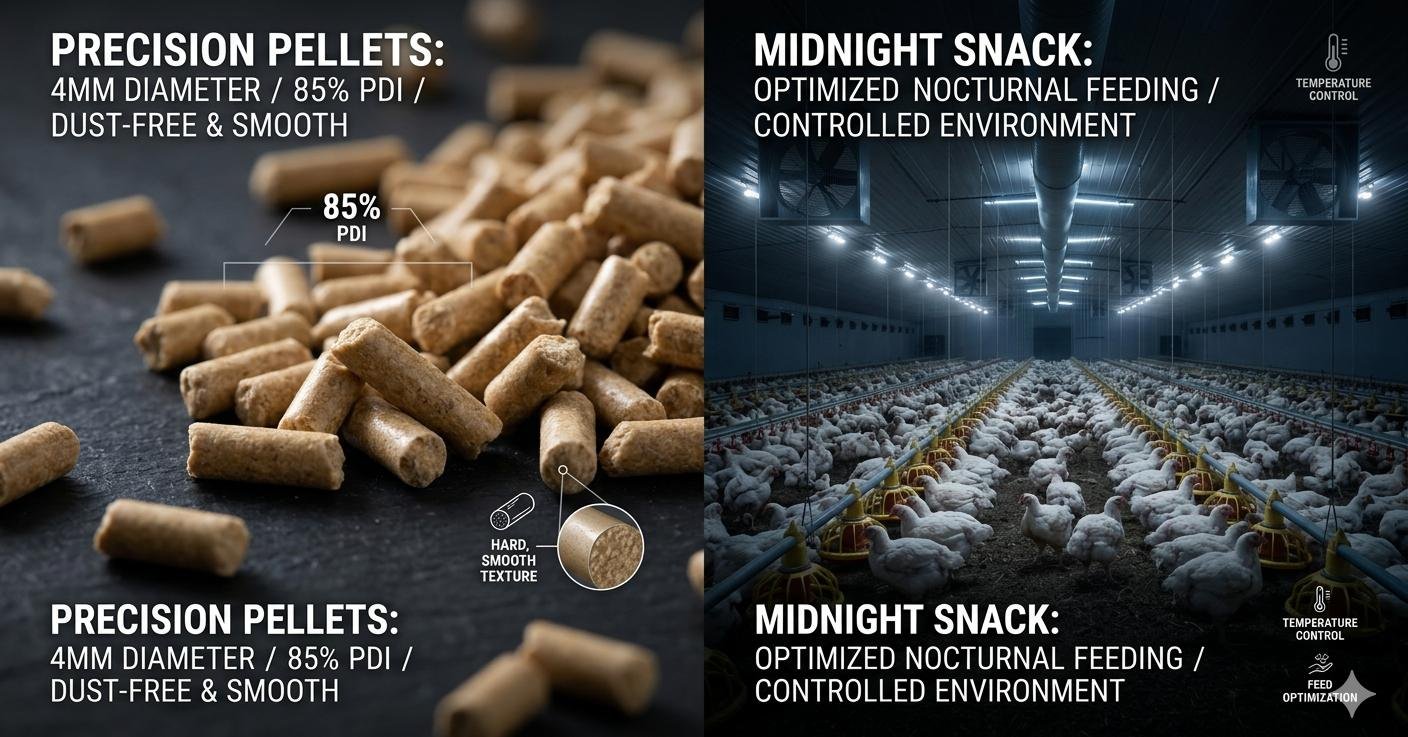
The last 14 days of your production cycle represent approximately 50% of your total feed cost and carry 90% of your total mortality risk. No other two-week window in the…
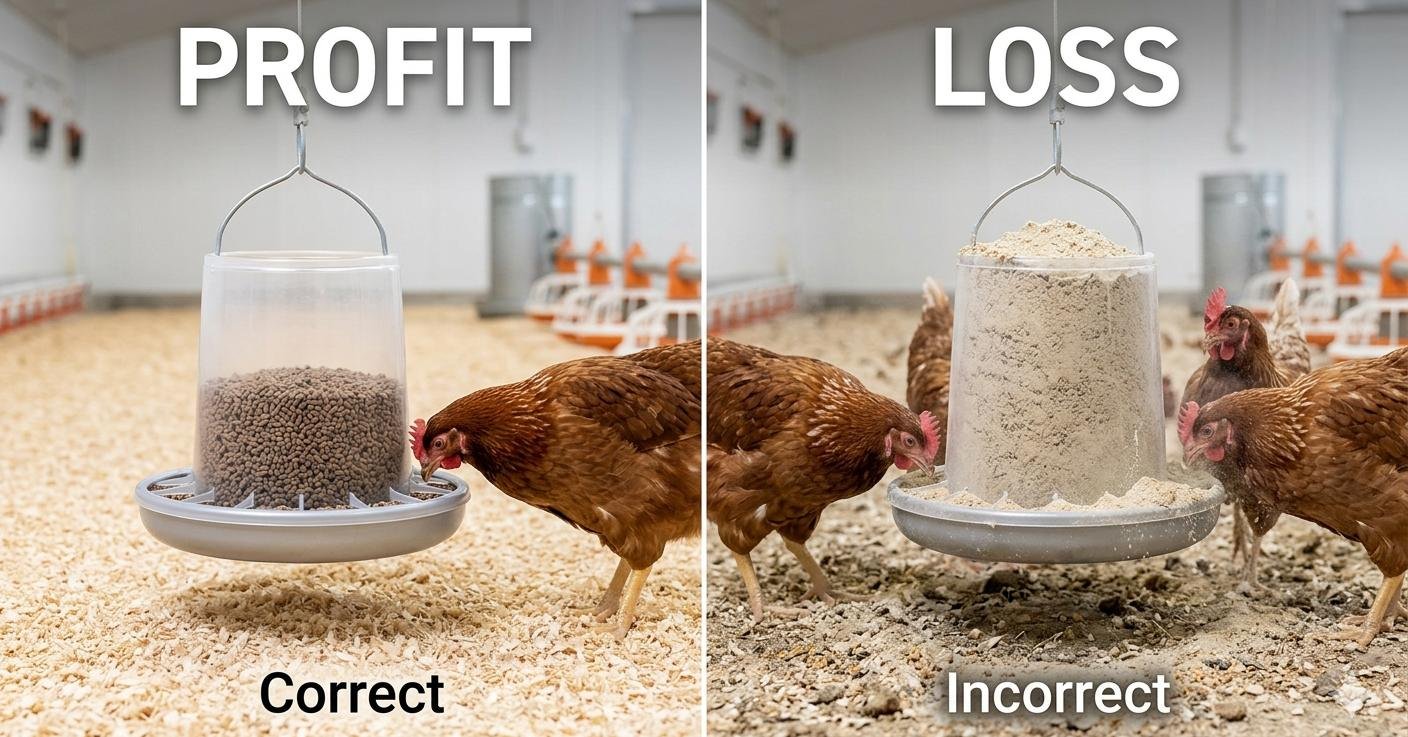
Most poultry farmers track body weight, mortality, and days to slaughter. The farmers consistently generating the highest margins track one number above all others: feed conversion ratio. FCR is the…
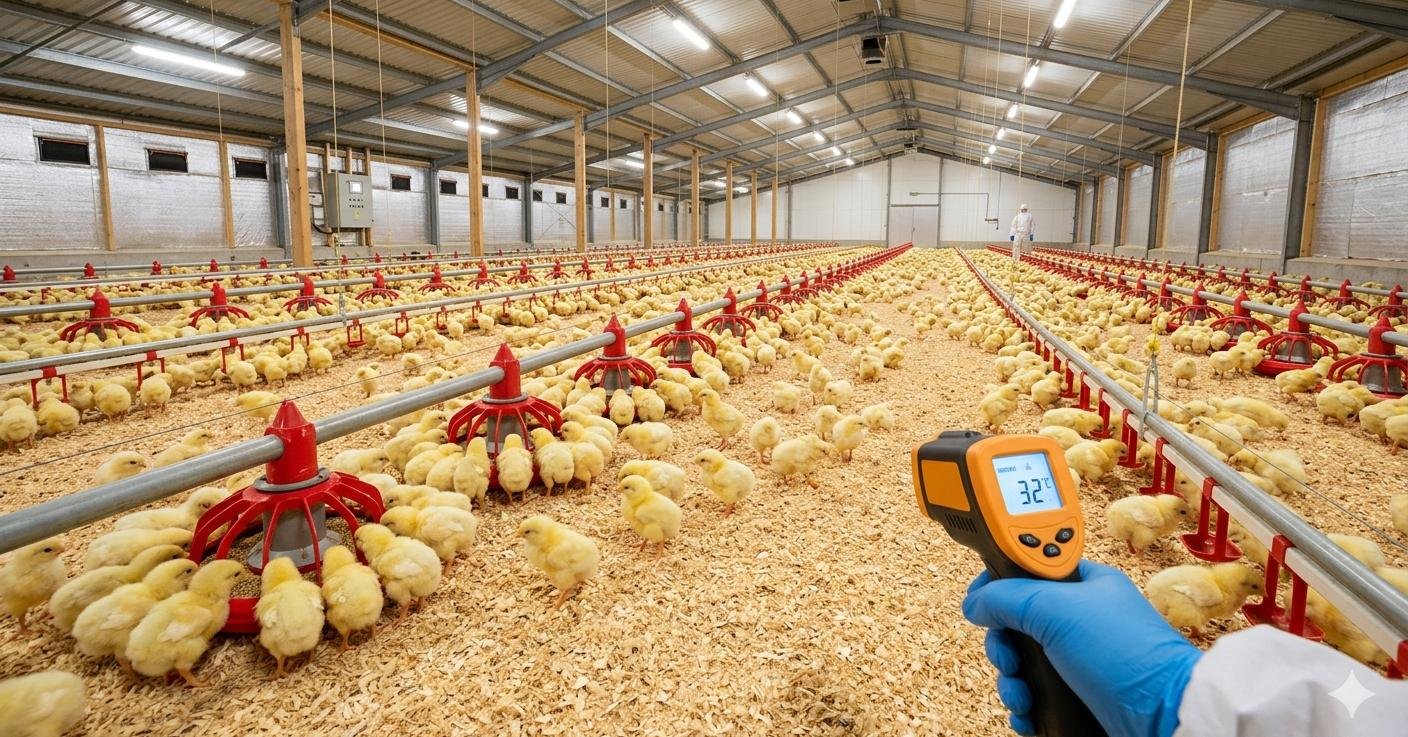
A Cobb 500 chick arrives at your brooding house weighing 42–44g. By Day 7, that same chick must weigh 160–200g. That is a 4× to 4.8× increase in body weight…
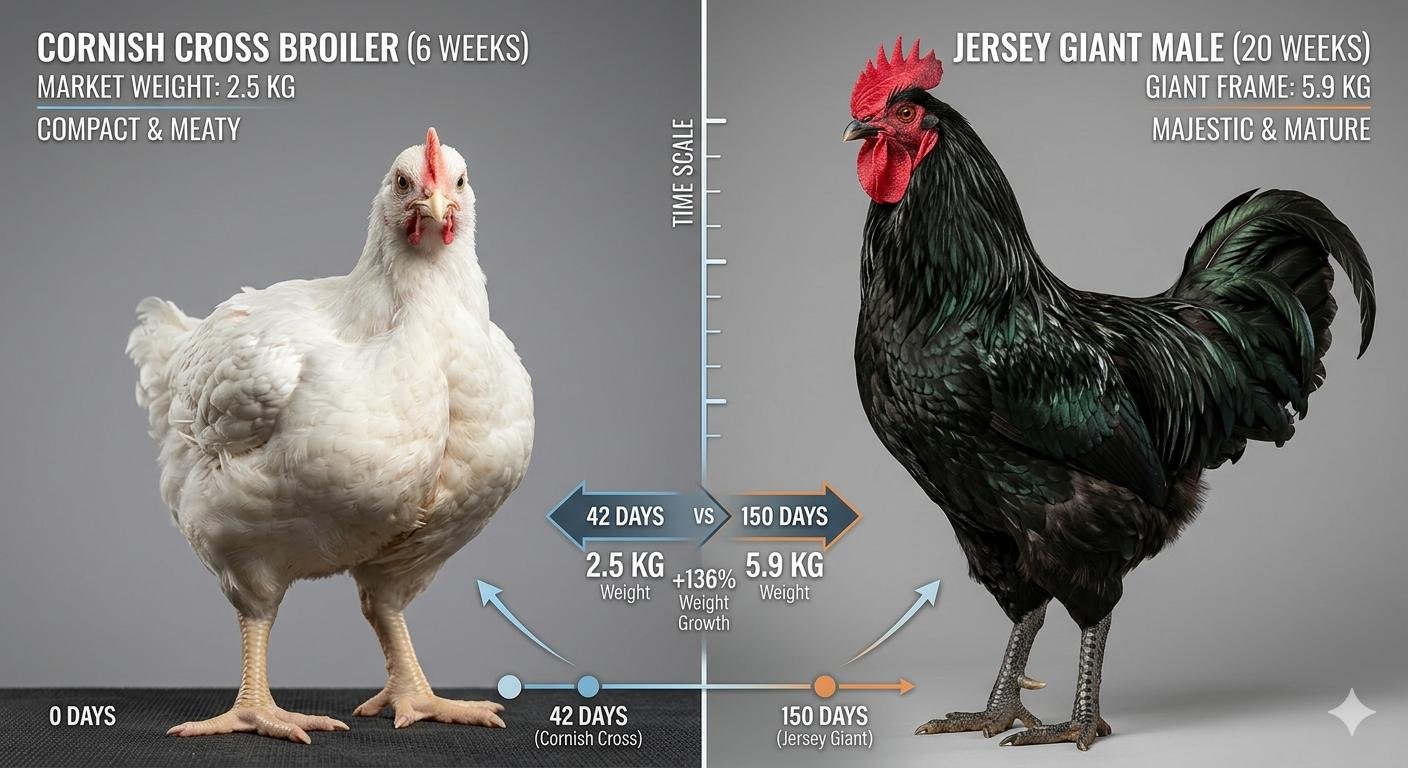
The Jersey Giant is the largest purebred chicken in the world. A mature male can reach 5.9 kg (13 lbs) on the hoof, with a carcass presence that stops people…
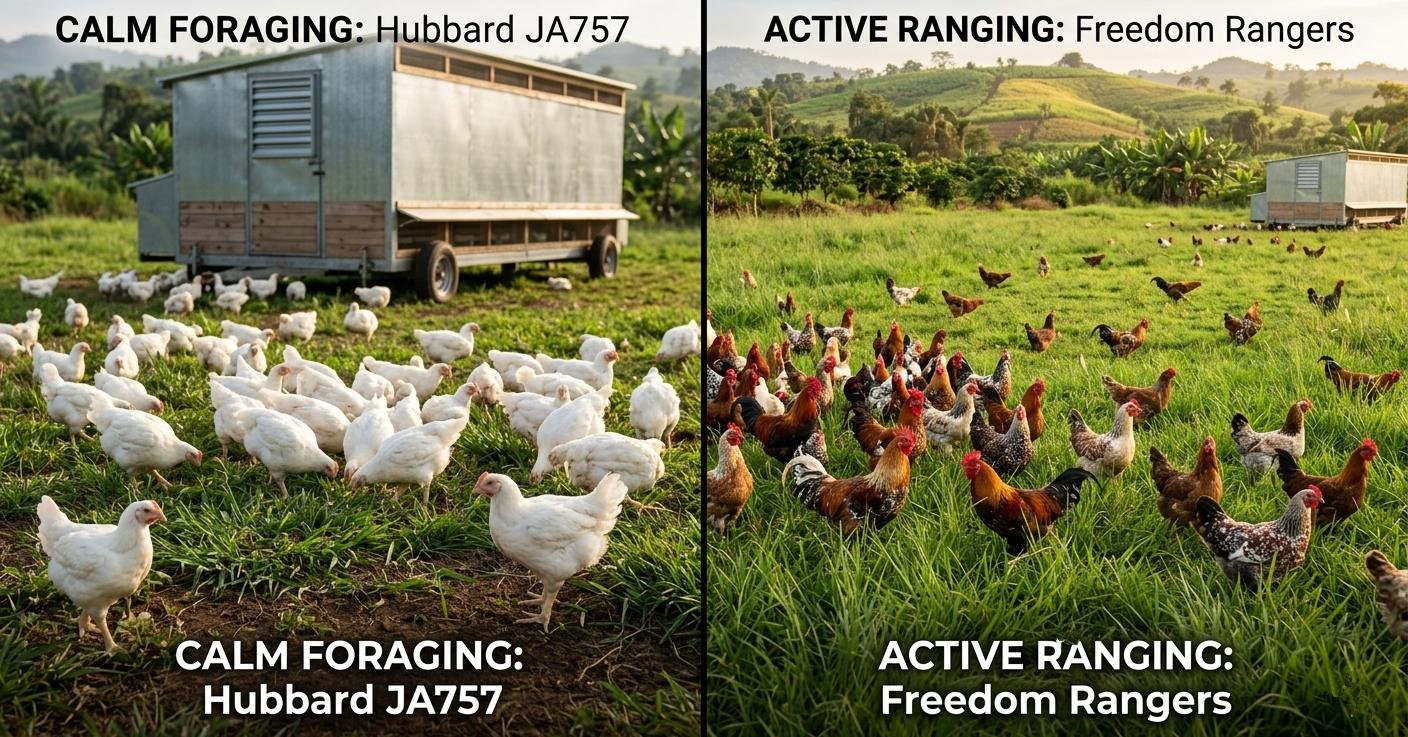
The fastest-growing segment of the global poultry market in 2026 is not commodity chicken. It is verified, welfare-certified, pasture-raised chicken — and the farmers capturing that premium are not running…
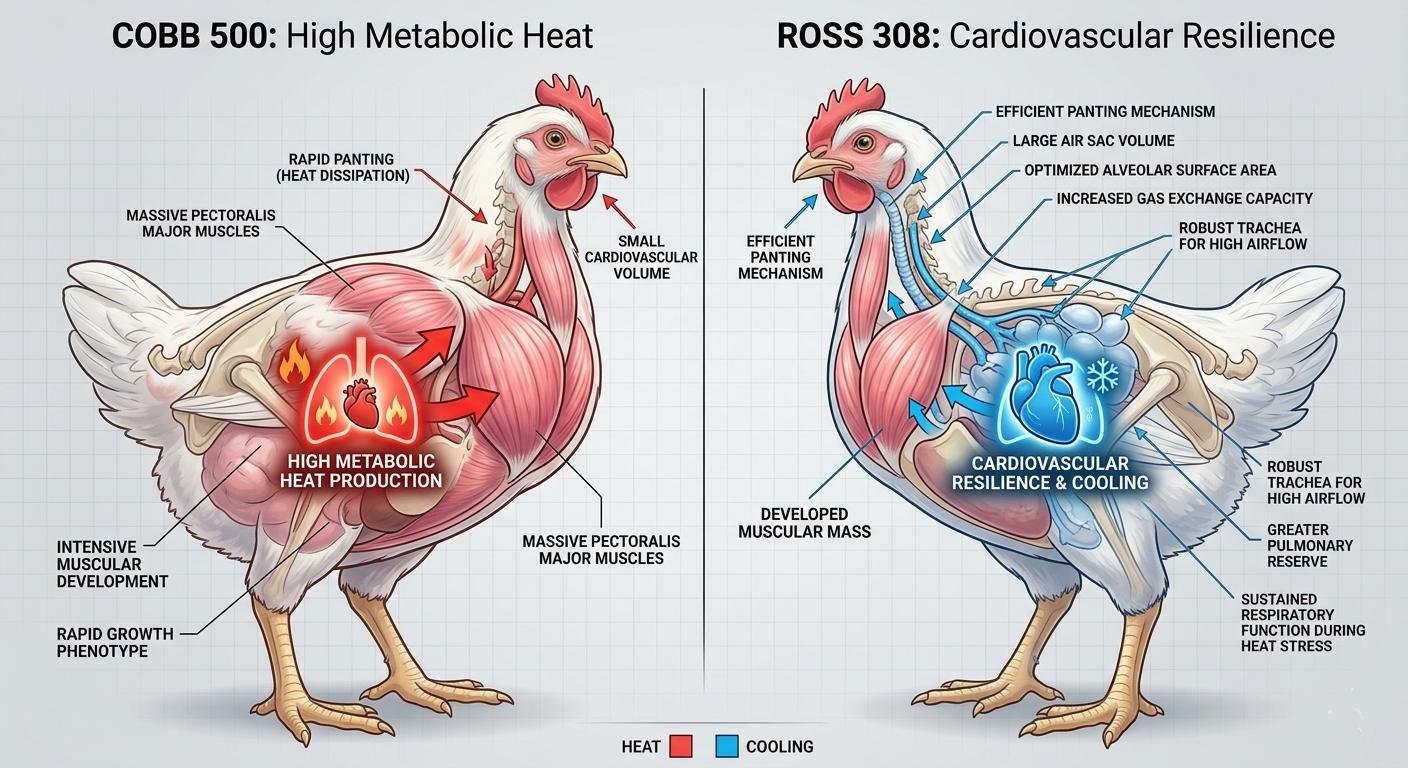
In tropical climates, a 2°C spike in house temperature can wipe out 5% of your flock in 4 hours. That is not a worst-case scenario — it is a documented…
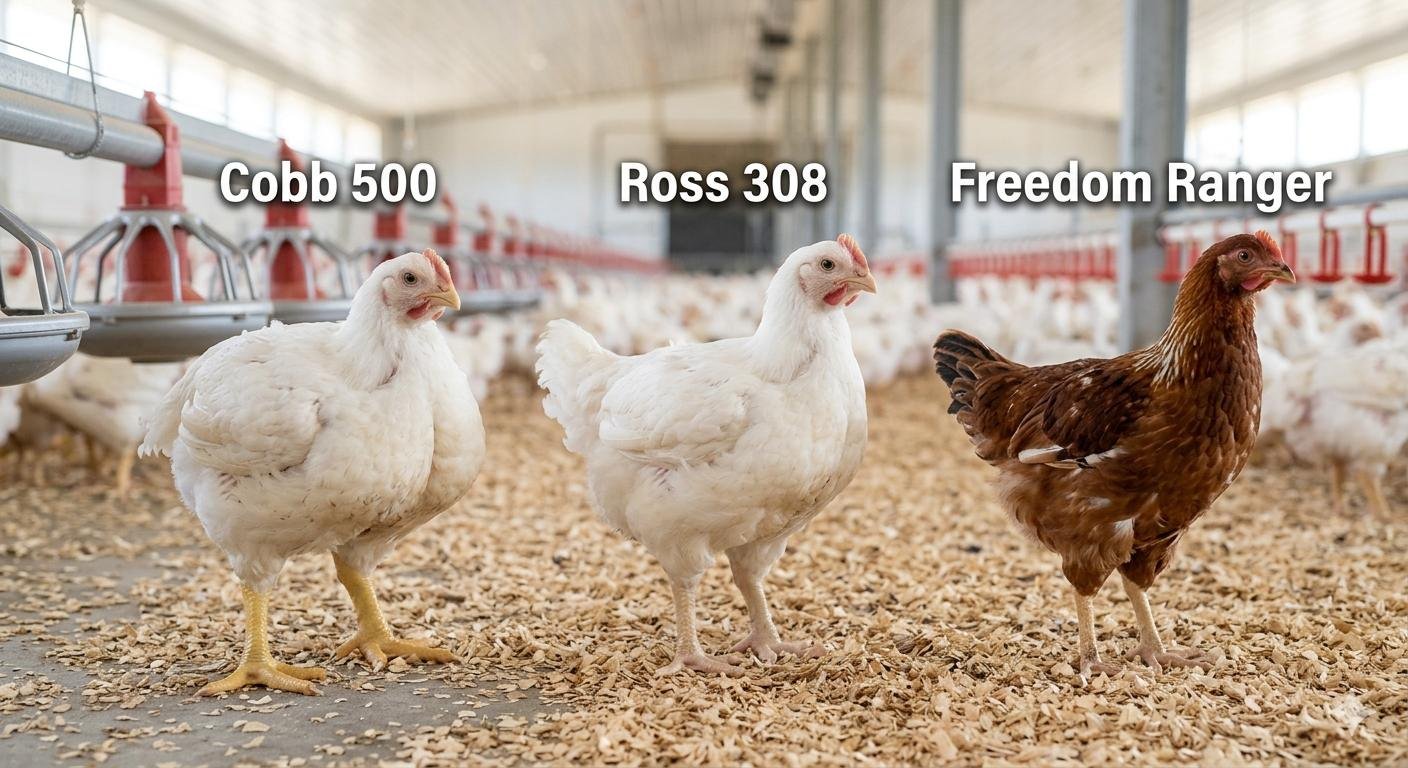
When managing a commercial poultry operation, your choice of breed is the single most important lever for profitability. In 2026, the landscape has shifted. We are no longer just looking…