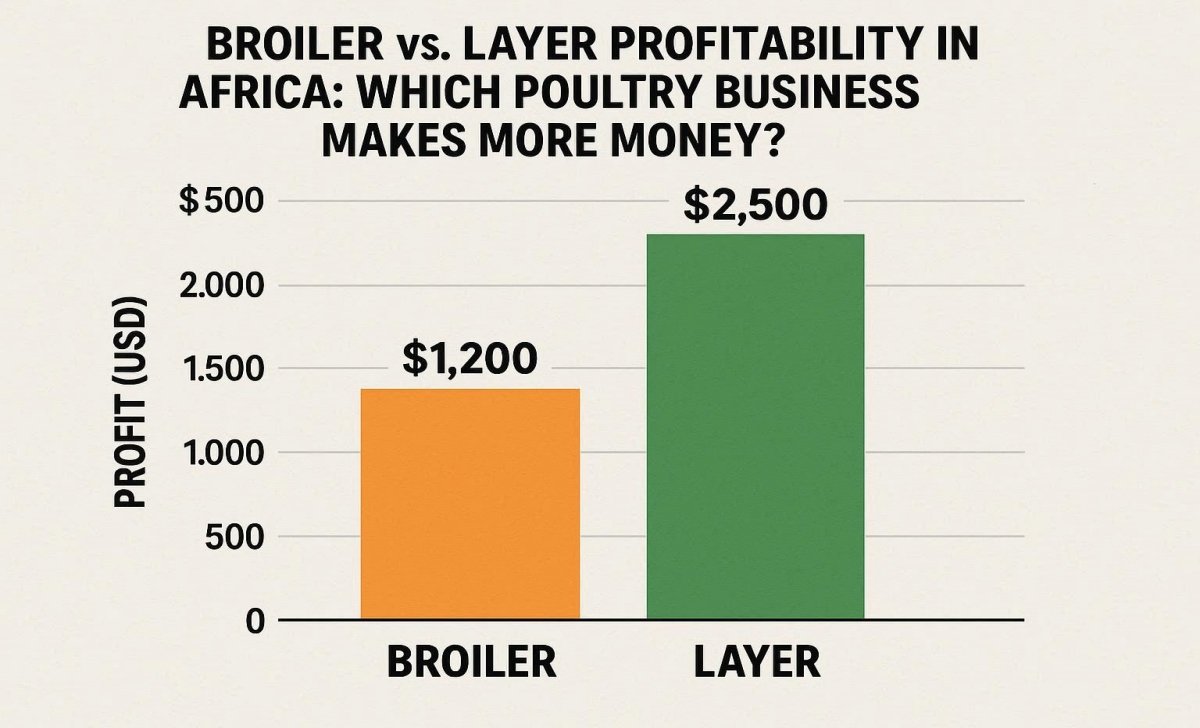
Which Poultry Business Makes More Money? Poultry farming is one of the fastest-growing agricultural businesses across Africa. With increasing demand for affordable protein, many farmers are entering the industry. However,…
A broiler chicken is a bird specifically bred for meat production, distinguished by its rapid growth and high feed efficiency compared to egg-laying breeds. Through decades of selective breeding, modern broilers can reach a market weight of roughly 2.5 kg in as little as 6 to 8 weeks. This biological efficiency is quantified by the Feed Conversion Ratio (FCR), where birds convert high-protein grain into muscle at an impressive rate, making them the most cost-effective source of animal protein globally.
The production cycle is divided into three critical stages: brooding, growing, and finishing. During the initial brooding phase, chicks require a strictly controlled environment with temperatures around 32°C to 35°C to compensate for their inability to regulate body heat. As they mature, their diet transitions from high-protein “starter” crumbles to “finisher” pellets designed to maximize breast meat yield. In the current 2026 market, the industry is dominated by high-performance breeds like the Cobb 500 and Ross 308, which are favored for their consistent growth and resilience.
Modern broiler farming has shifted toward precision agriculture and improved animal welfare to meet consumer expectations. Farmers now utilize automated climate control and sensor-based feeding systems to reduce waste and monitor flock health in real-time. Additionally, there is a global movement toward “No Antibiotics Ever” (NAE) production, where gut health is maintained through probiotics and biosecurity rather than traditional medication. This evolution ensures that broiler farming remains a highly scalable and sustainable venture in the modern food supply chain.
Which Poultry Business Makes More Money? Poultry farming is one of the fastest-growing agricultural businesses across Africa. With increasing demand for affordable protein, many farmers are entering the industry. However,…
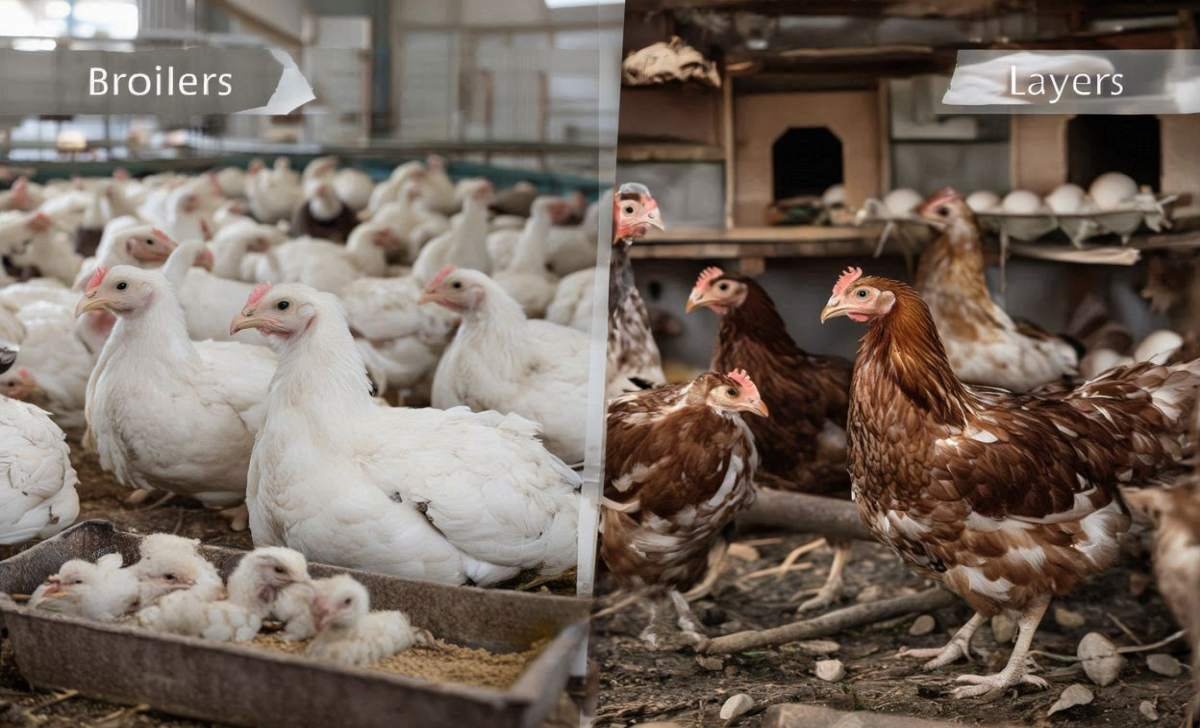
If you are planning to start a poultry farm or expand your current operation, one of the most important decisions you must make is whether to raise broilers or layers.…
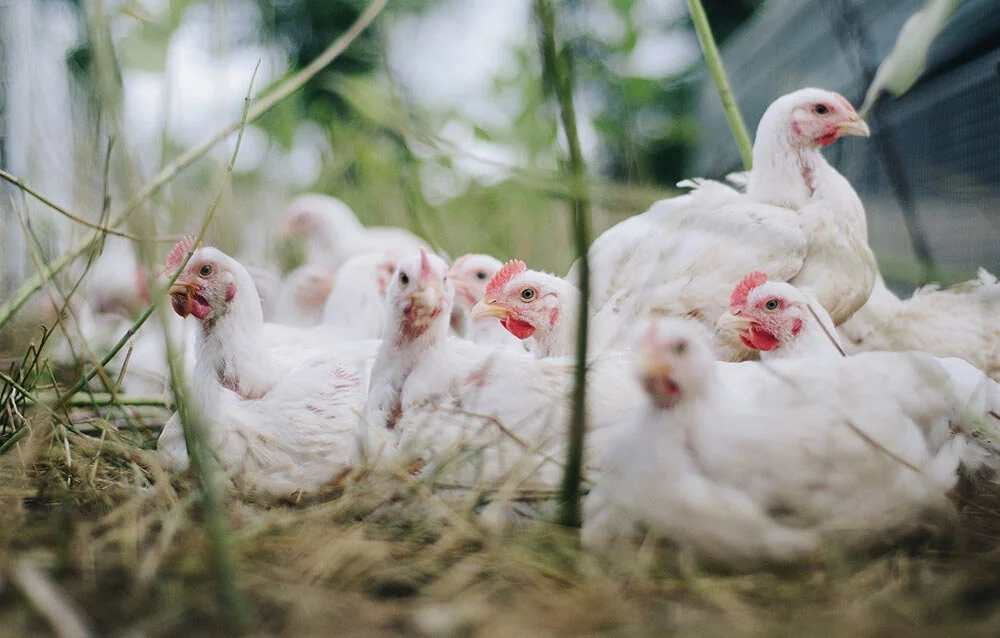
Broiler chickens are vital for a sustainable future. They are the most common type of poultry. As the world’s population grows, we need more food that’s nutritious and easy to…
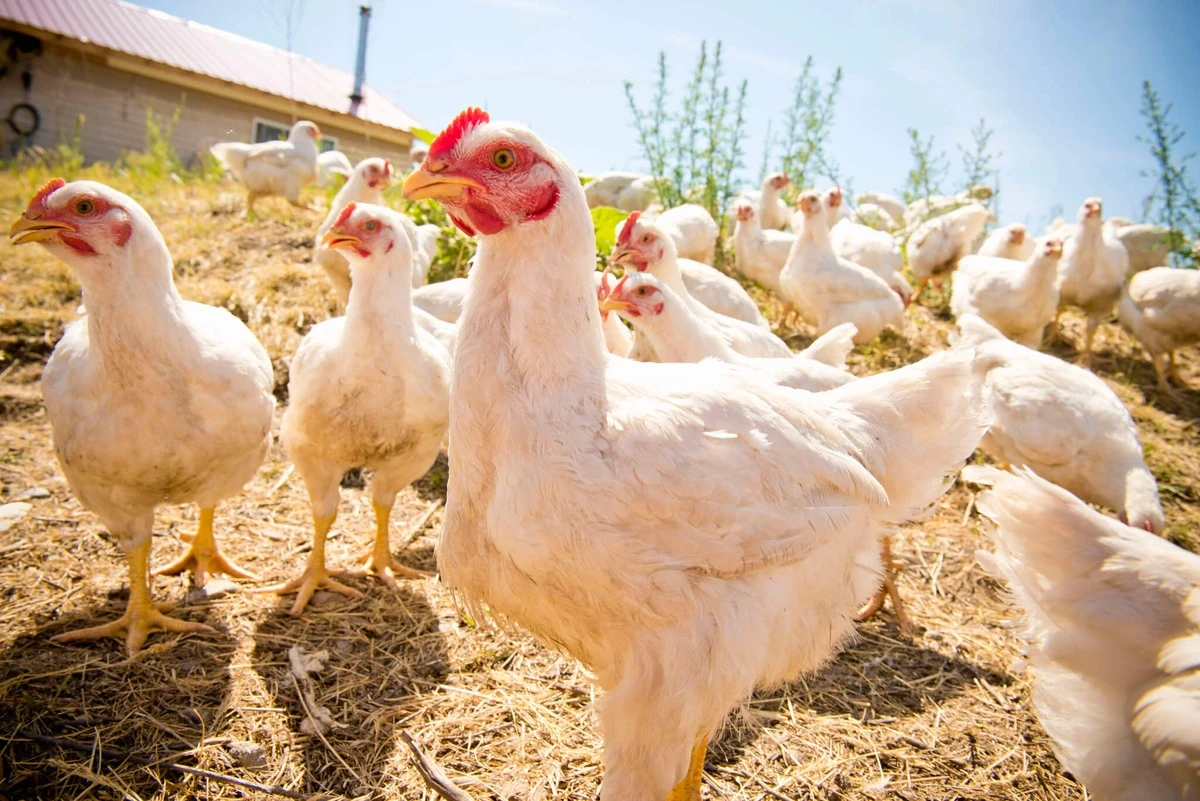
Meat chickens, also known as broiler chickens, are a popular breed specifically raised for their meat production. These birds are bred to grow quickly and produce a high yield of…
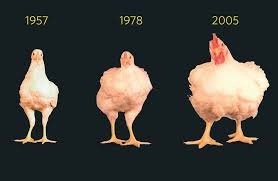
The modern broiler chicken has changed a lot since its wild ancestor, the red jungle fowl (Gallus gallus). Studies show how much these chickens have changed because of humans’ selective…
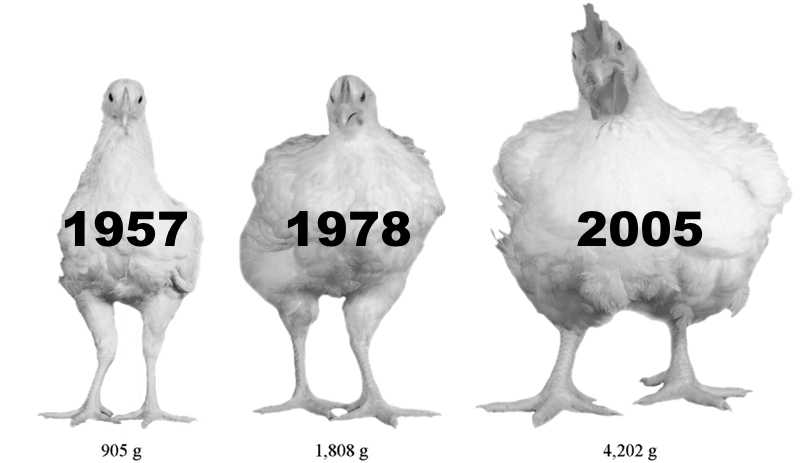
The chicken industry in the United States has grown a lot. In just over 50 years, it has changed from small, local businesses to a big, efficient industry. This industry…
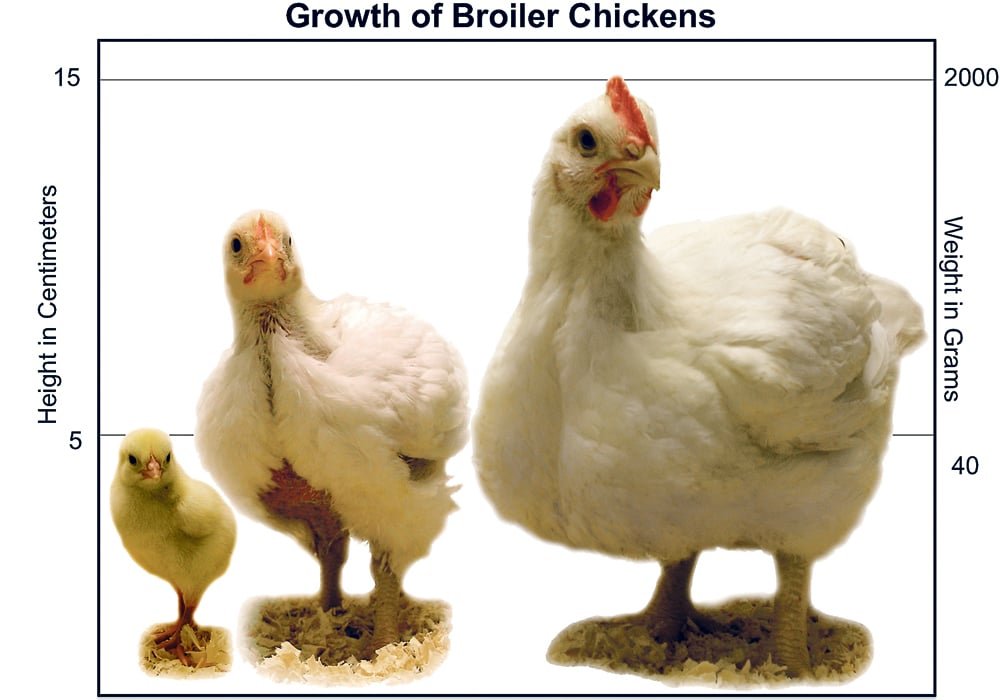
The chicken industry in the United States has changed a lot in the last 100 years. In just over 50 years, it went from small, local farms to a big,…
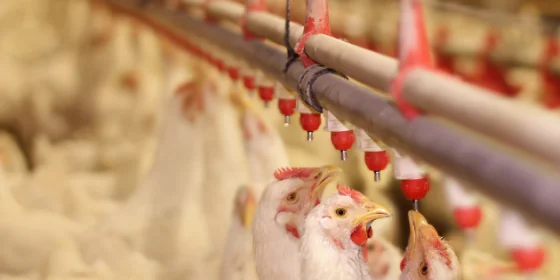
Discover effective strategies to monitor and improve broiler chicken welfare on your farm. Enhance productivity and meet ethical standards in poultry farming.
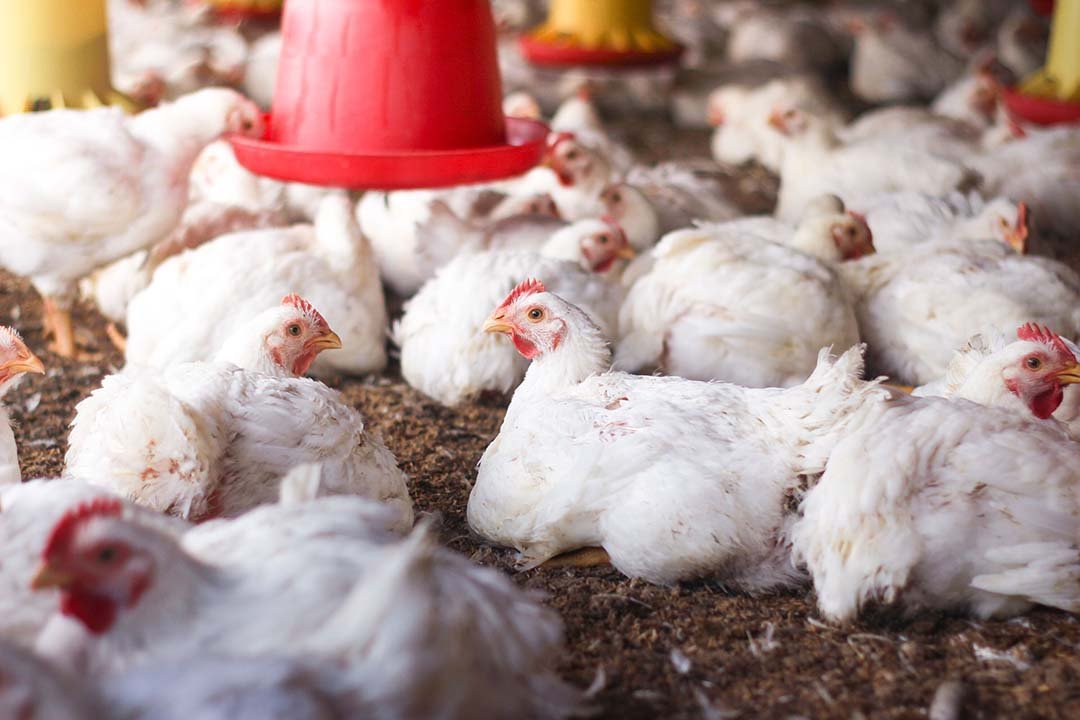
Learn about animal welfare standards for broiler chickens, including housing, nutrition, and humane treatment. Understand best practices in poultry farming for ethical production.
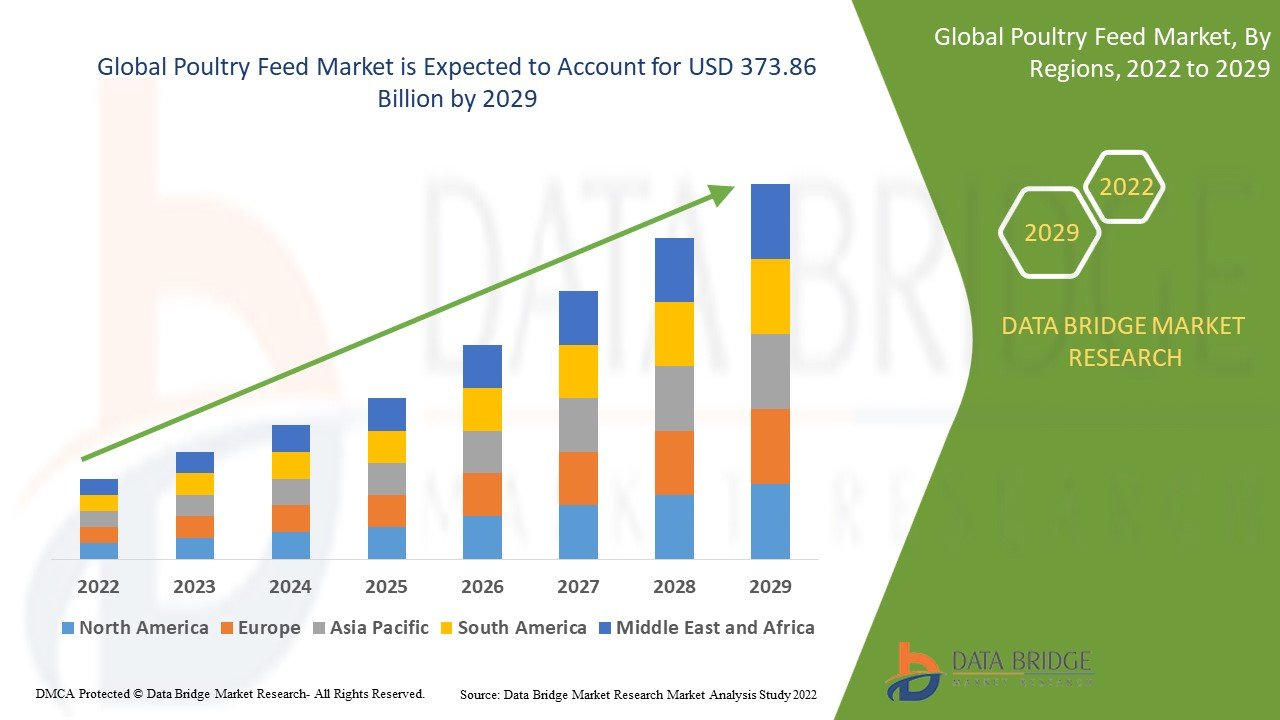
Learn effective methods for tracking and analyzing growth data for broiler chickens. Optimize flock performance, feed efficiency, and profitability with data-driven poultry management techniques.