
The starter phase in broiler farming is key, lasting about the first 14 days. Chicks’ organs and immune system must grow right to meet later goals. It’s vital to manage…
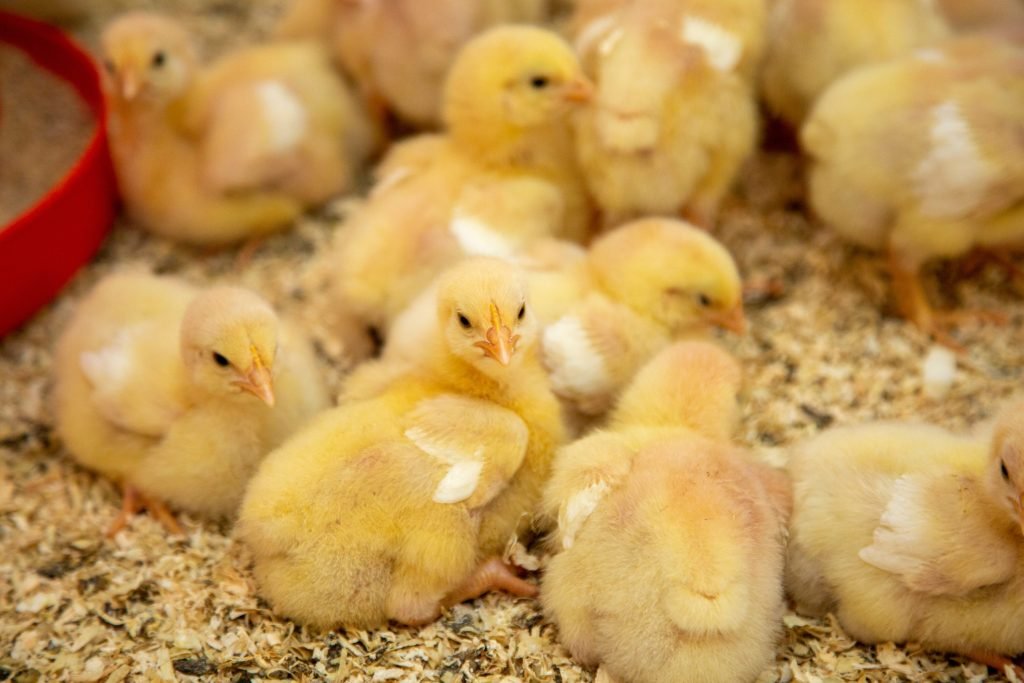
A broiler chicken is a bird specifically bred for meat production, distinguished by its rapid growth and high feed efficiency compared to egg-laying breeds. Through decades of selective breeding, modern broilers can reach a market weight of roughly 2.5 kg in as little as 6 to 8 weeks. This biological efficiency is quantified by the Feed Conversion Ratio (FCR), where birds convert high-protein grain into muscle at an impressive rate, making them the most cost-effective source of animal protein globally.
The production cycle is divided into three critical stages: brooding, growing, and finishing. During the initial brooding phase, chicks require a strictly controlled environment with temperatures around 32°C to 35°C to compensate for their inability to regulate body heat. As they mature, their diet transitions from high-protein “starter” crumbles to “finisher” pellets designed to maximize breast meat yield. In the current 2026 market, the industry is dominated by high-performance breeds like the Cobb 500 and Ross 308, which are favored for their consistent growth and resilience.
Modern broiler farming has shifted toward precision agriculture and improved animal welfare to meet consumer expectations. Farmers now utilize automated climate control and sensor-based feeding systems to reduce waste and monitor flock health in real-time. Additionally, there is a global movement toward “No Antibiotics Ever” (NAE) production, where gut health is maintained through probiotics and biosecurity rather than traditional medication. This evolution ensures that broiler farming remains a highly scalable and sustainable venture in the modern food supply chain.
The starter phase in broiler farming is key, lasting about the first 14 days. Chicks’ organs and immune system must grow right to meet later goals. It’s vital to manage…
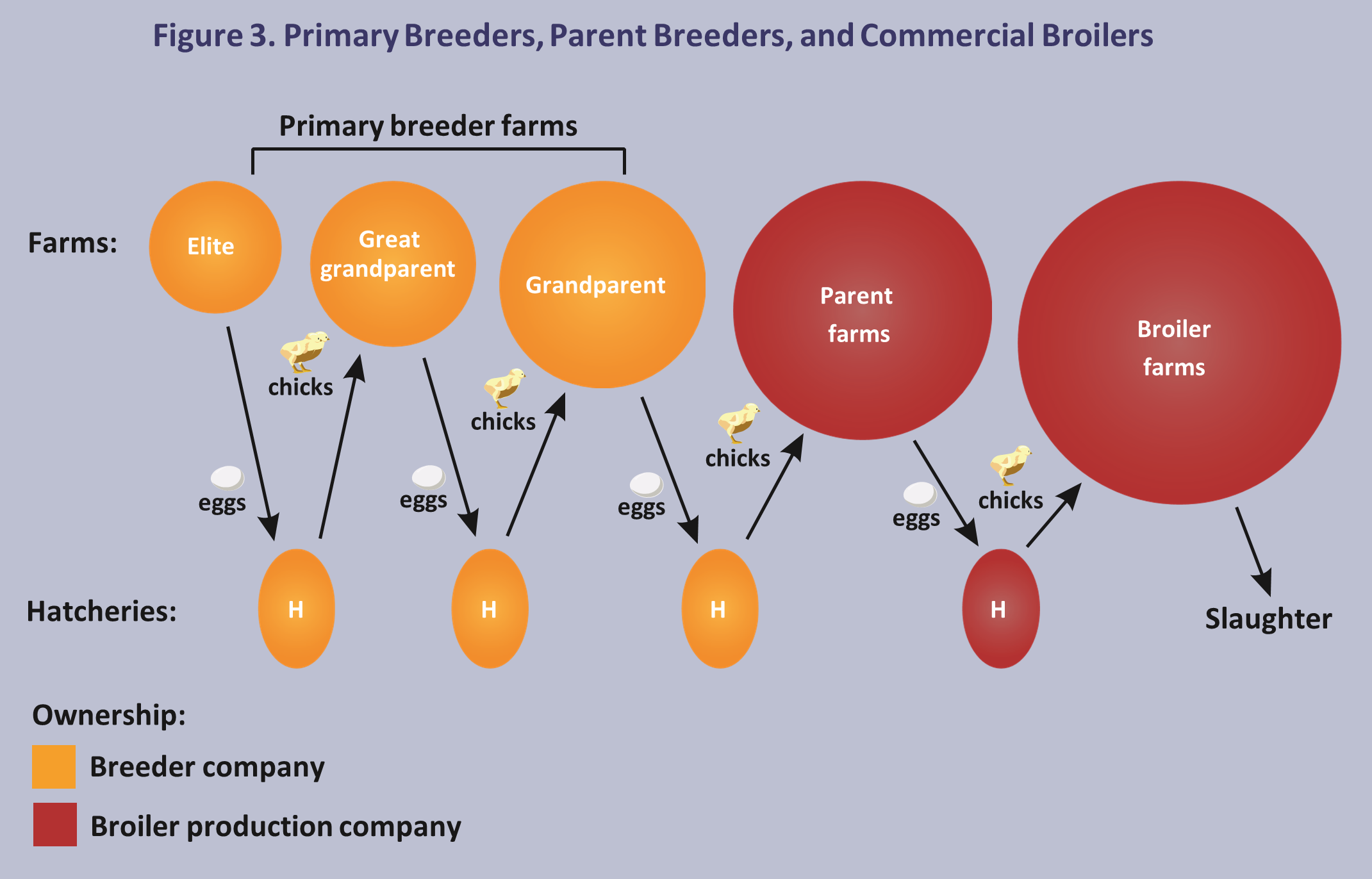
Broiler chickens are bred for their fast growth and efficient meat production. The demand for affordable poultry meat has made the broiler industry grow. To meet this demand, breeders focus…
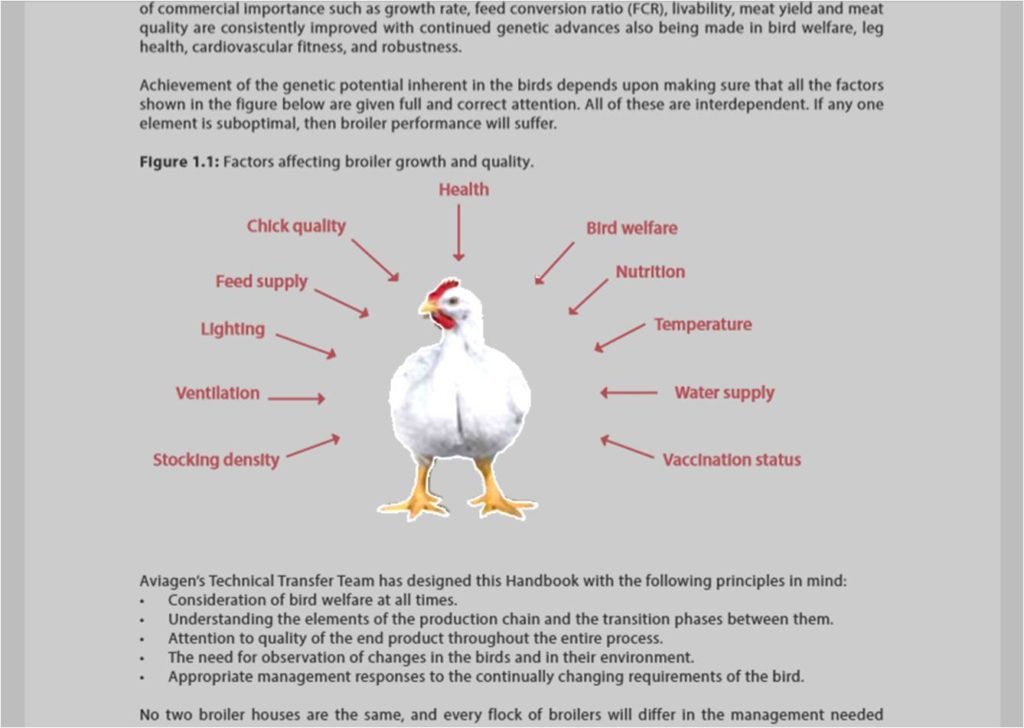
Broiler chickens are key in the poultry industry for meat. The finisher phase, from 37 days to slaughter, is vital. It helps broilers grow fast and efficiently, making high-quality meat.…
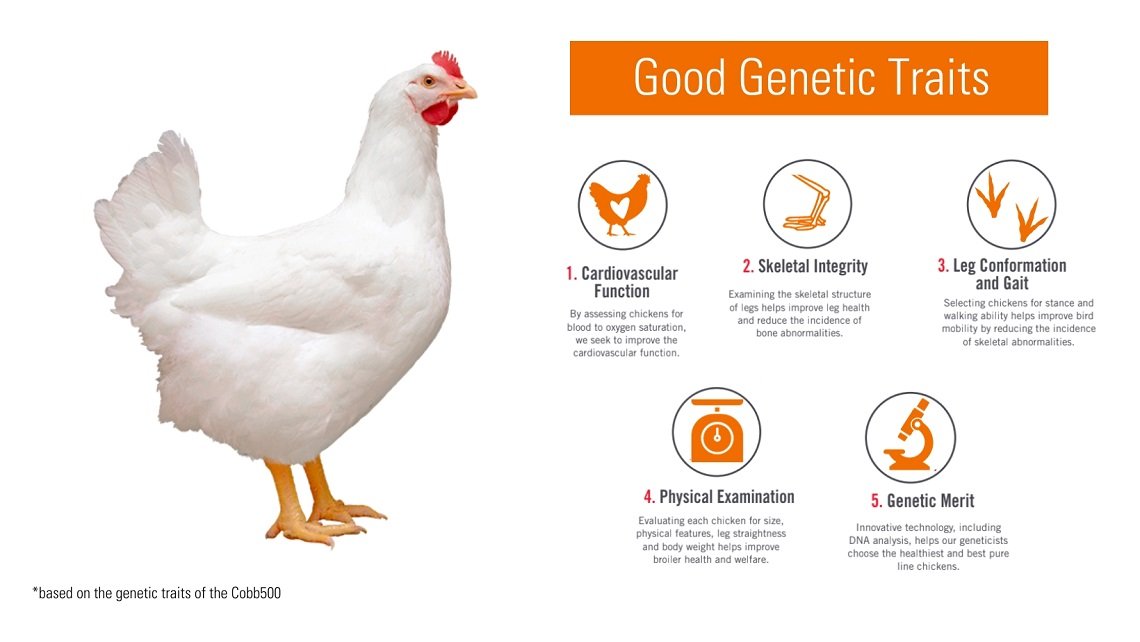
To make a profitable broiler, you need to meet certain standards early on. This includes setting high-quality fertile eggs in incubators and handling them correctly. Egg size, weight, and quality…
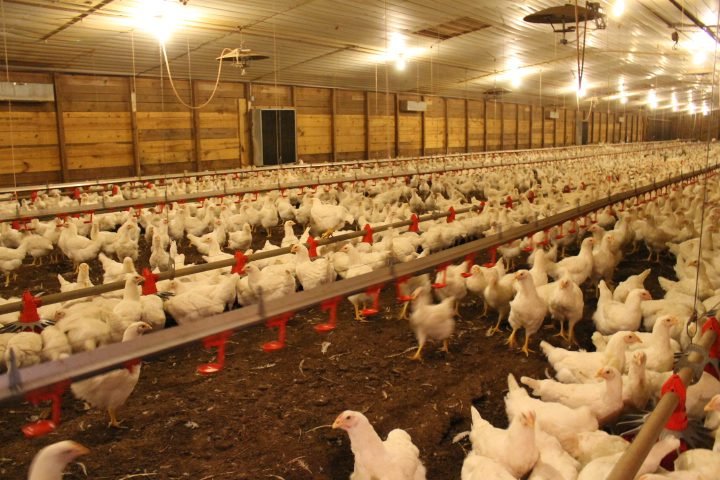
The grower phase is a key part of broiler chicken life. It comes after the starter phase. In this stage, chickens grow a lot and get stronger. They also develop…
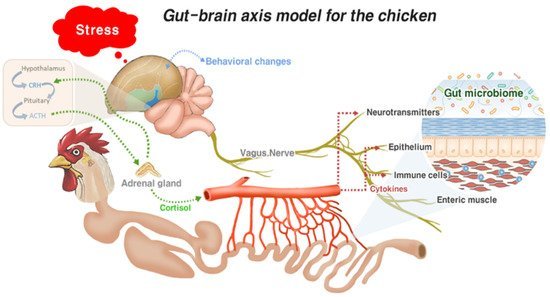
Discover how gut health plays a crucial role in preventing broiler chicken diseases. Learn about microbiome balance and nutrition strategies for healthier poultry.
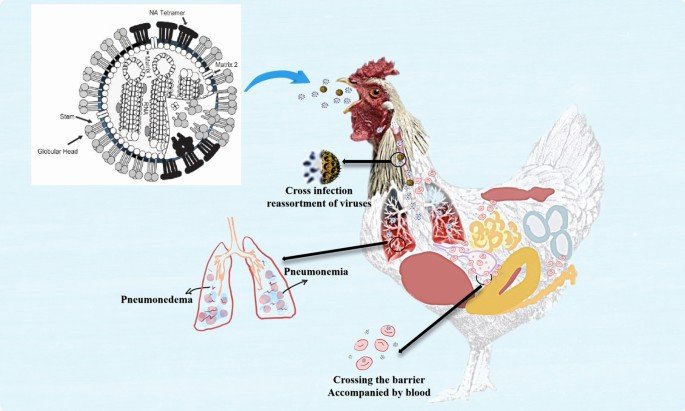
Learn about diagnosing and managing common respiratory diseases in broiler chickens. Explore symptoms, treatment options, and prevention strategies for optimal flock health.
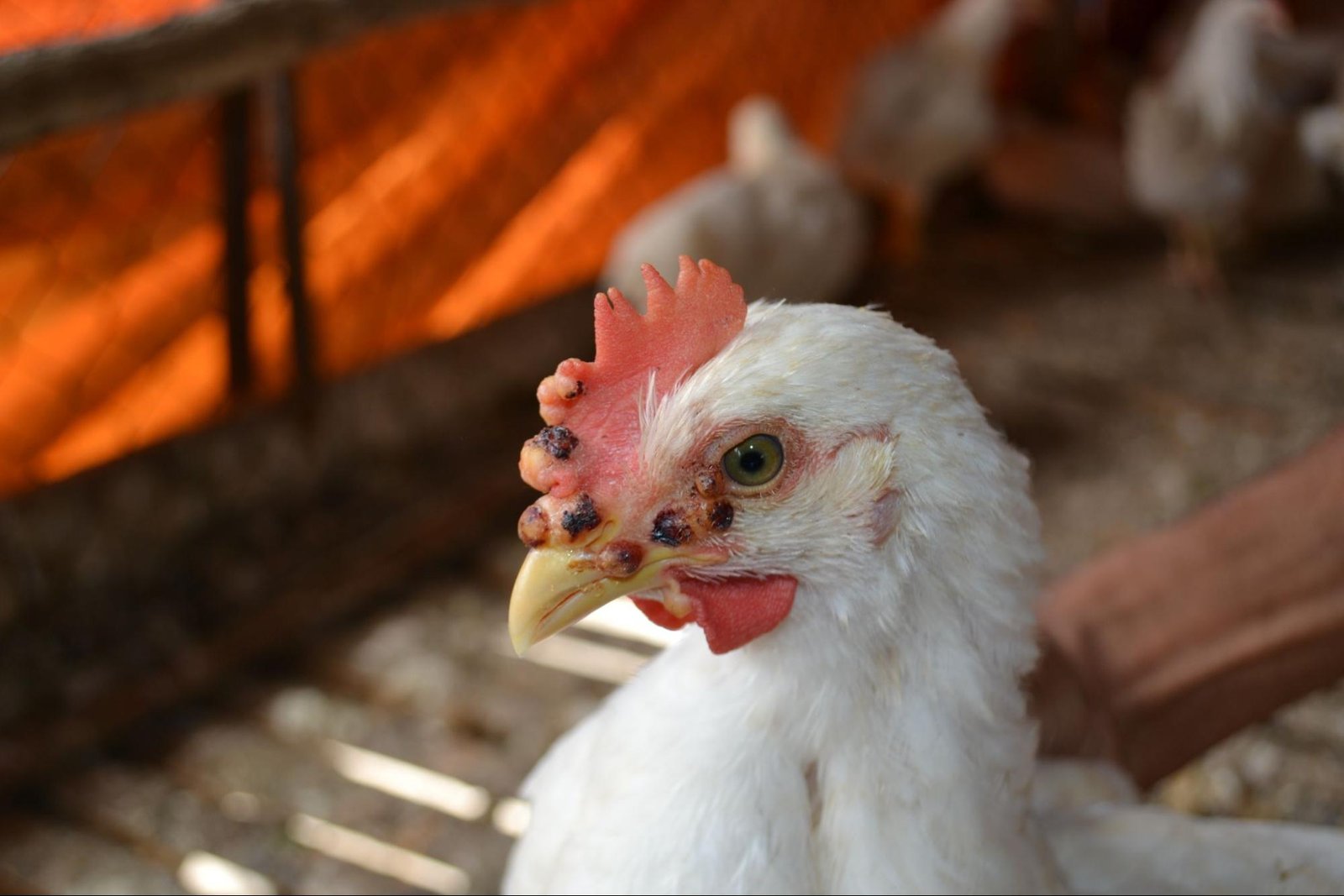
Learn to identify early warning signs of disease in broiler chickens and how to respond effectively. Protect your flock with expert guidance on detection and action.
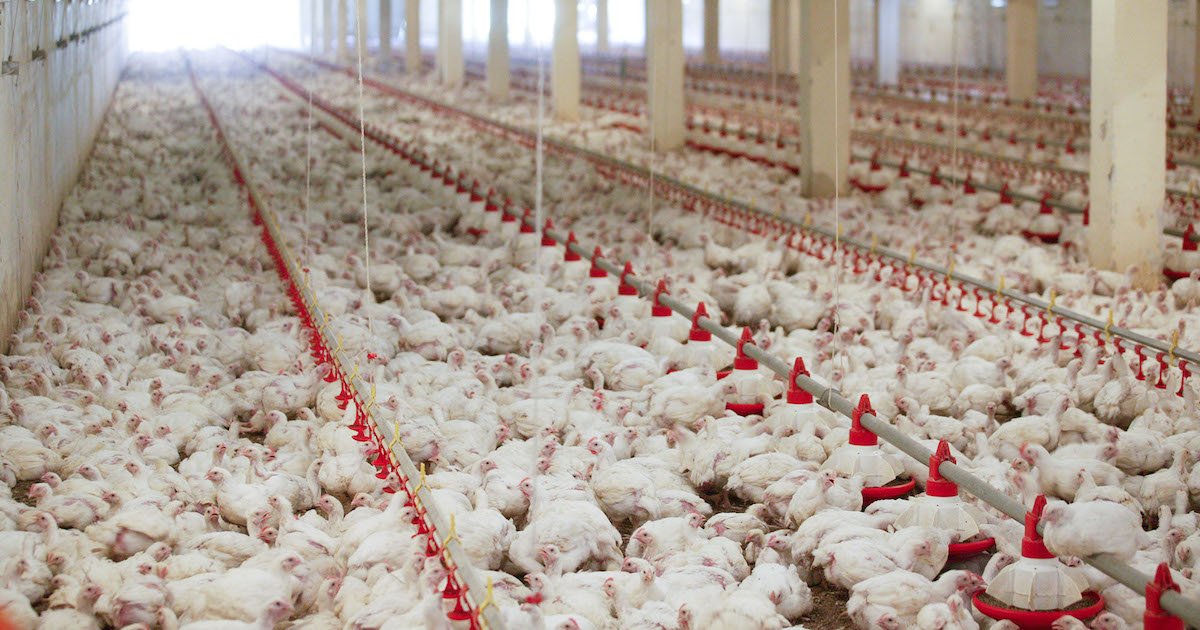
In the last few decades, the broiler chicken has changed a lot. They have grown 300% faster and look different from their ancestors. This change has raised concerns about their…
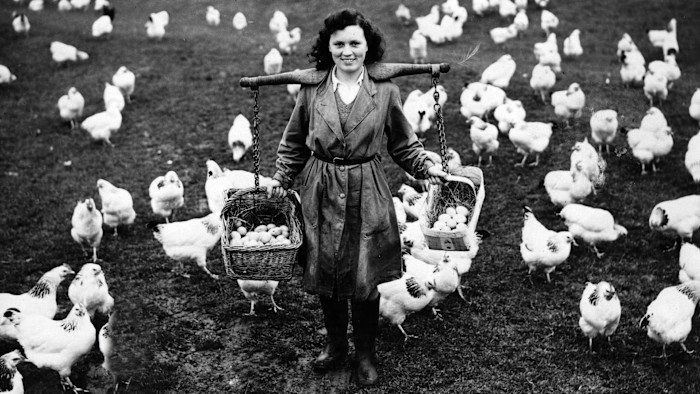
World War II changed the poultry industry in the United States a lot. It led to the growth of broiler chickens and changed how meat is made. Meat was rationed…