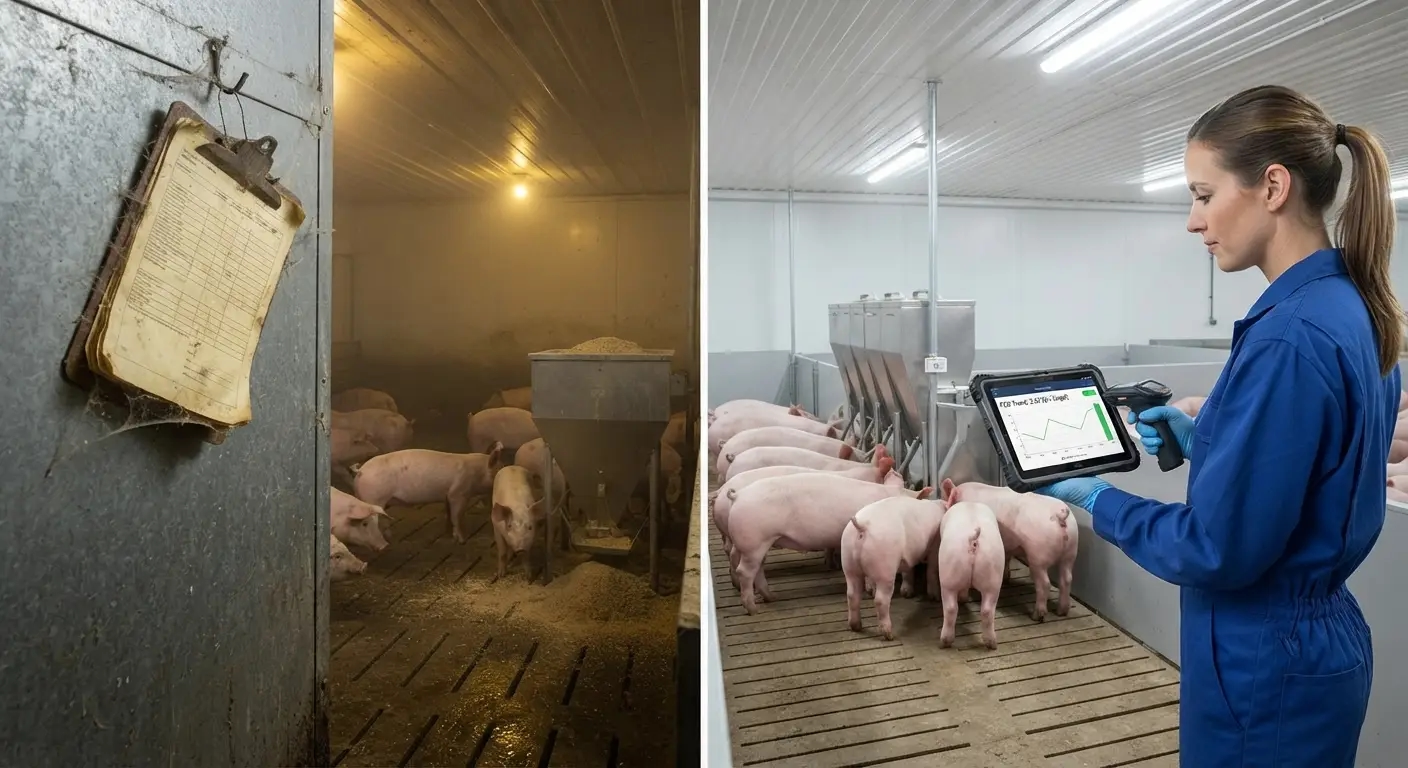
The difference between a commercial pig farm that consistently performs at or near its genetic and nutritional potential and one that persistently underperforms is rarely a single dramatic failure. It…
The Agribusiness & Farm Management category shifts the focus from daily barn chores to high-level commercial operations, data analysis, and investment viability. This section serves as an essential resource for farm owners and prospective investors looking to build a structured, scalable business model. It provides comprehensive blueprints for writing detailed piggery business plans, navigating local agricultural zoning laws, and understanding the capital expenditure (CapEx) and operating expenses (OpEx) required to establish a commercial swine unit.
At its core, this category emphasizes data-driven decision-making through meticulous record-keeping. Readers will learn how to track and analyze vital production metrics, including Average Daily Gain (ADG), sow productivity, and the precise cost per kilogram of pork produced. By highlighting common management errors that lead to financial loss and offering daily labor task checklists, this section equips agribusiness managers with the tools and digital applications needed to streamline labor, optimize cash flow, and maximize profitability.
The difference between a commercial pig farm that consistently performs at or near its genetic and nutritional potential and one that persistently underperforms is rarely a single dramatic failure. It…
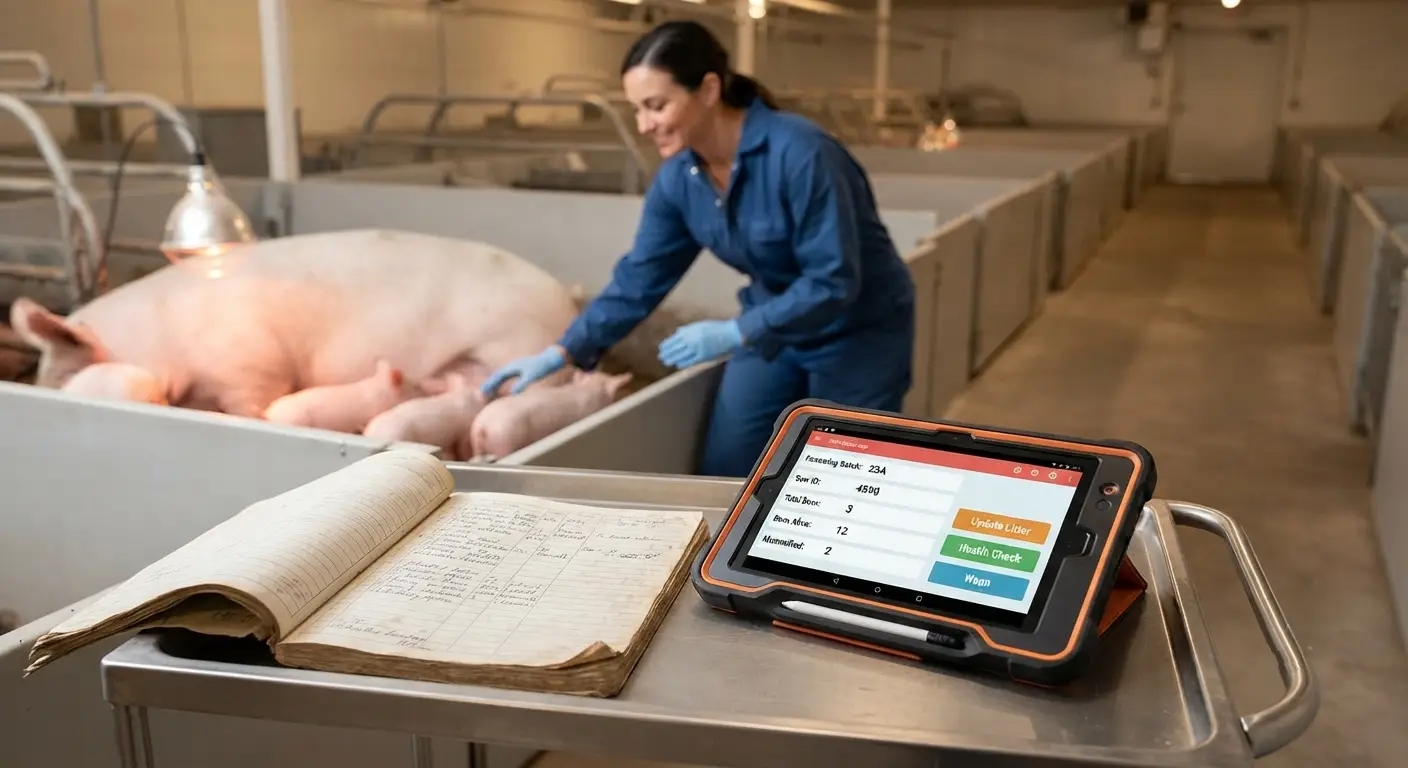
Paper-based and spreadsheet record-keeping breaks down at a predictable point in a swine operation’s growth — usually somewhere between 30 and 75 sows, when the volume of daily events (breedings,…
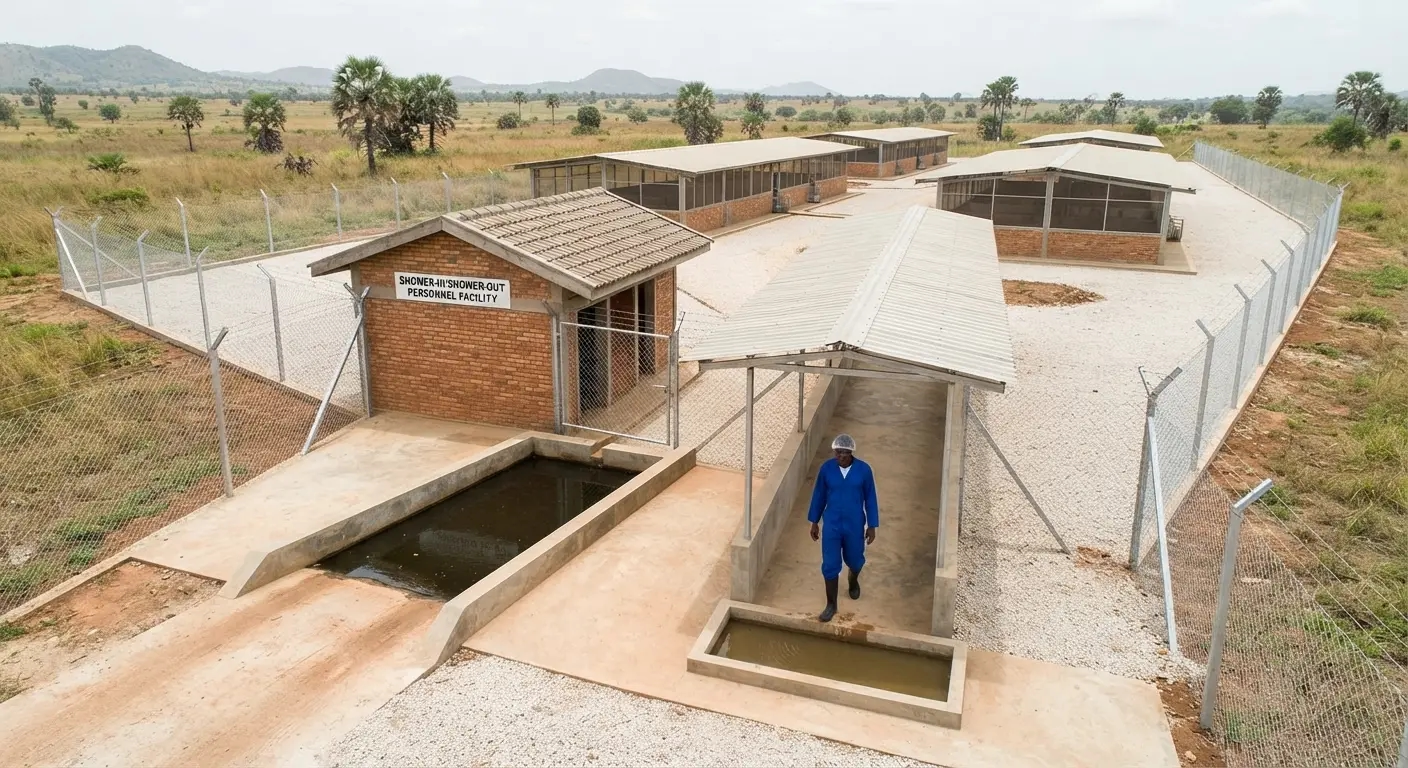
A commercial pig farm is one of the most financially rewarding agricultural enterprises available in West and Central Africa — and one of the most unforgiving of the startup decisions…
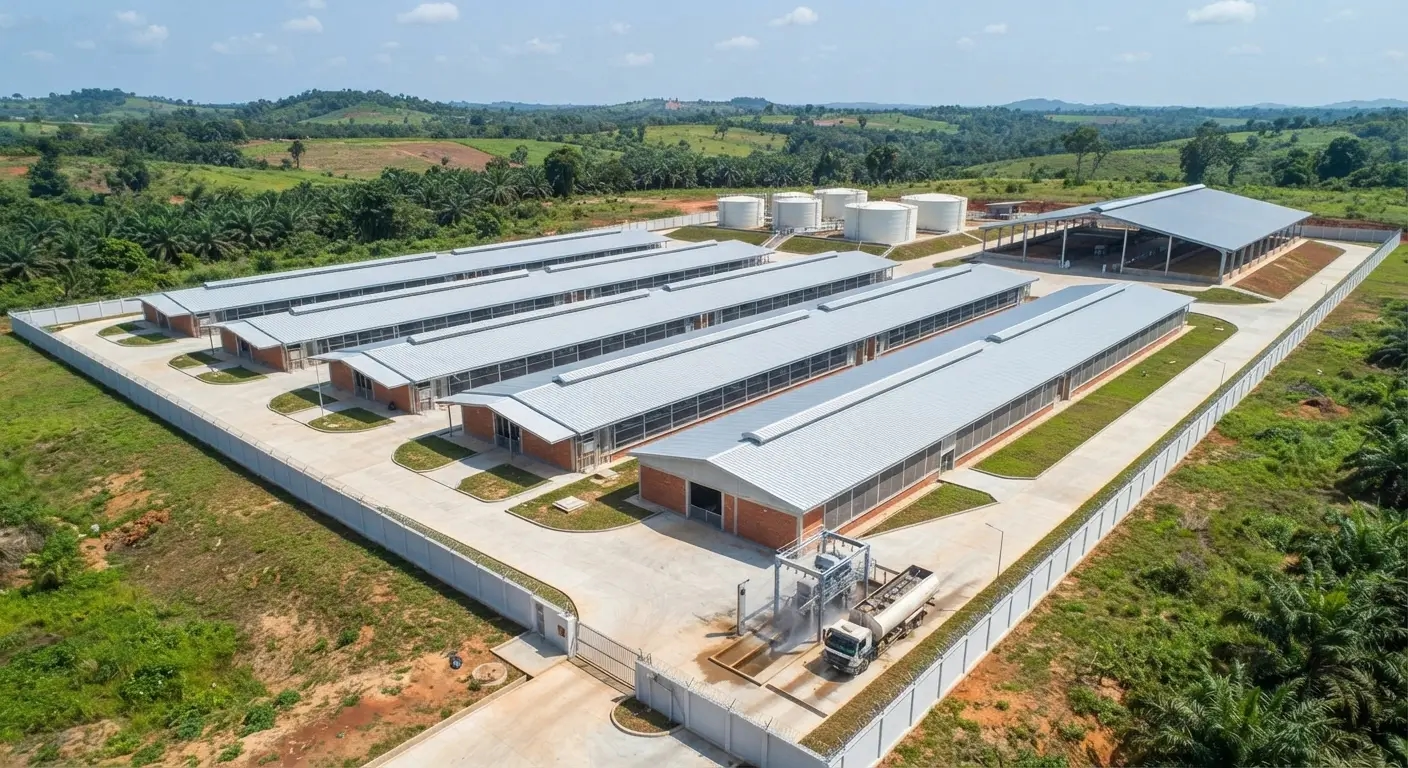
A piggery is a commercial facility for raising pigs — systematically, at scale, for profit. It is not a subsistence activity with a few backyard animals supplementing household food. It…
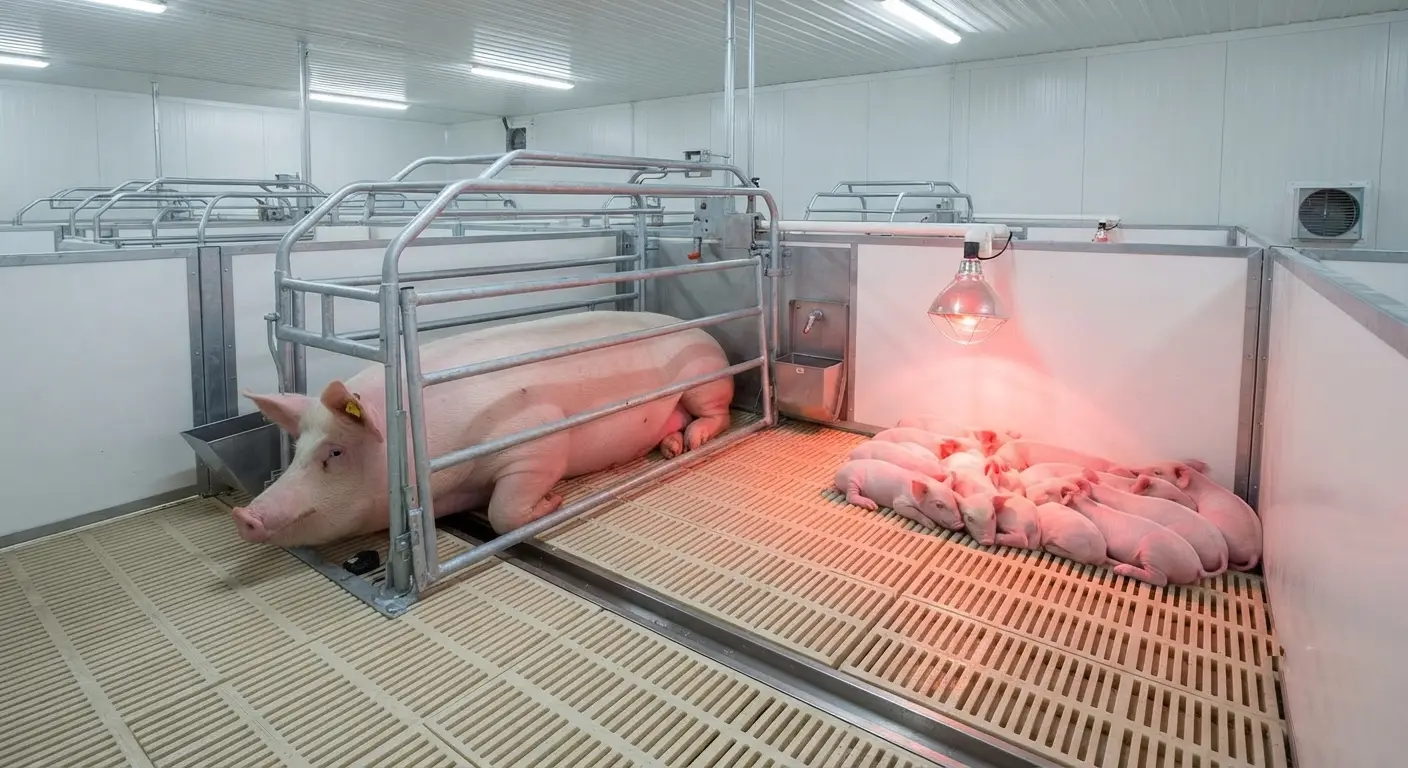
The 50-sow farrow-to-finish piggery represents a specific and important threshold in commercial pig production — large enough to generate the operating efficiency that makes the business genuinely financially compelling, small…
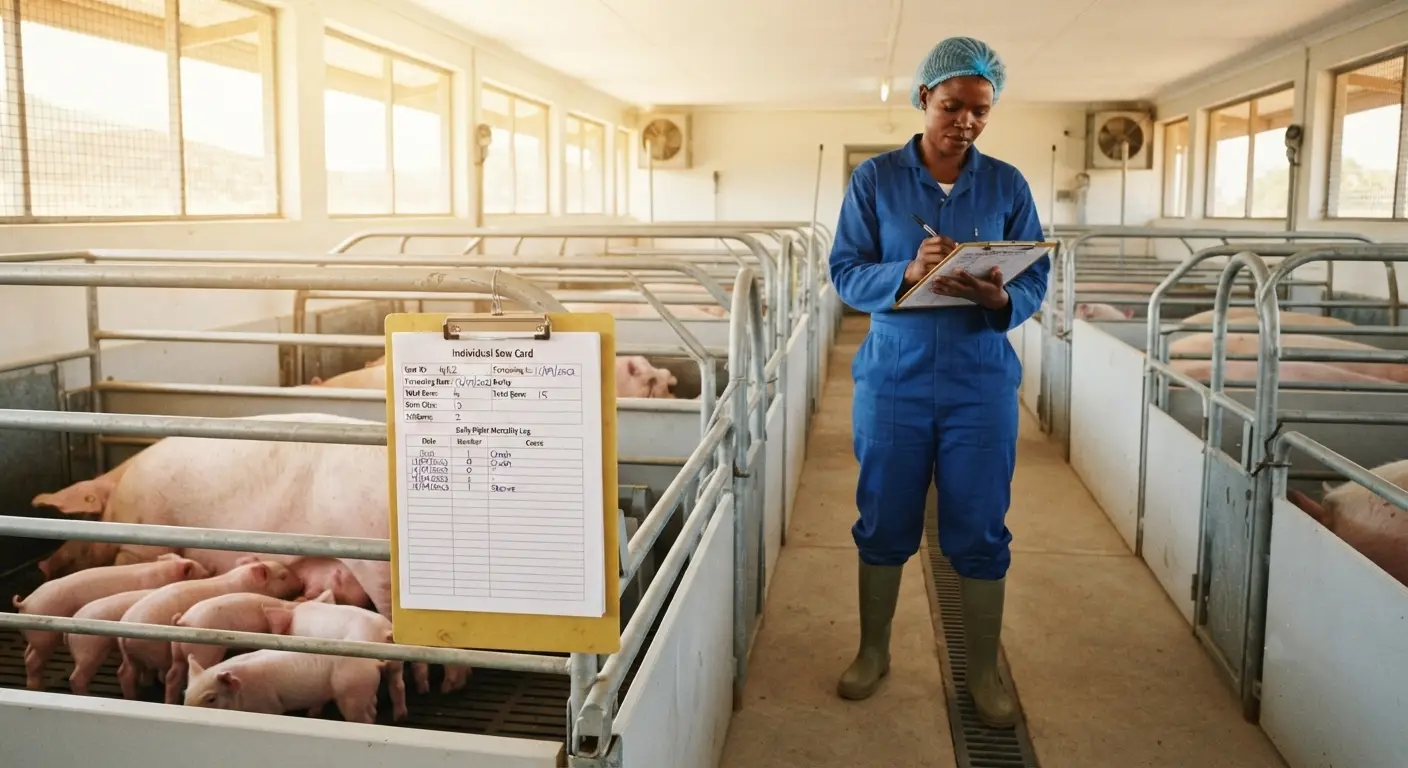
The difference between a commercial pig farm that consistently performs at or near its genetic and nutritional potential and one that persistently underperforms is rarely a single dramatic failure. It…
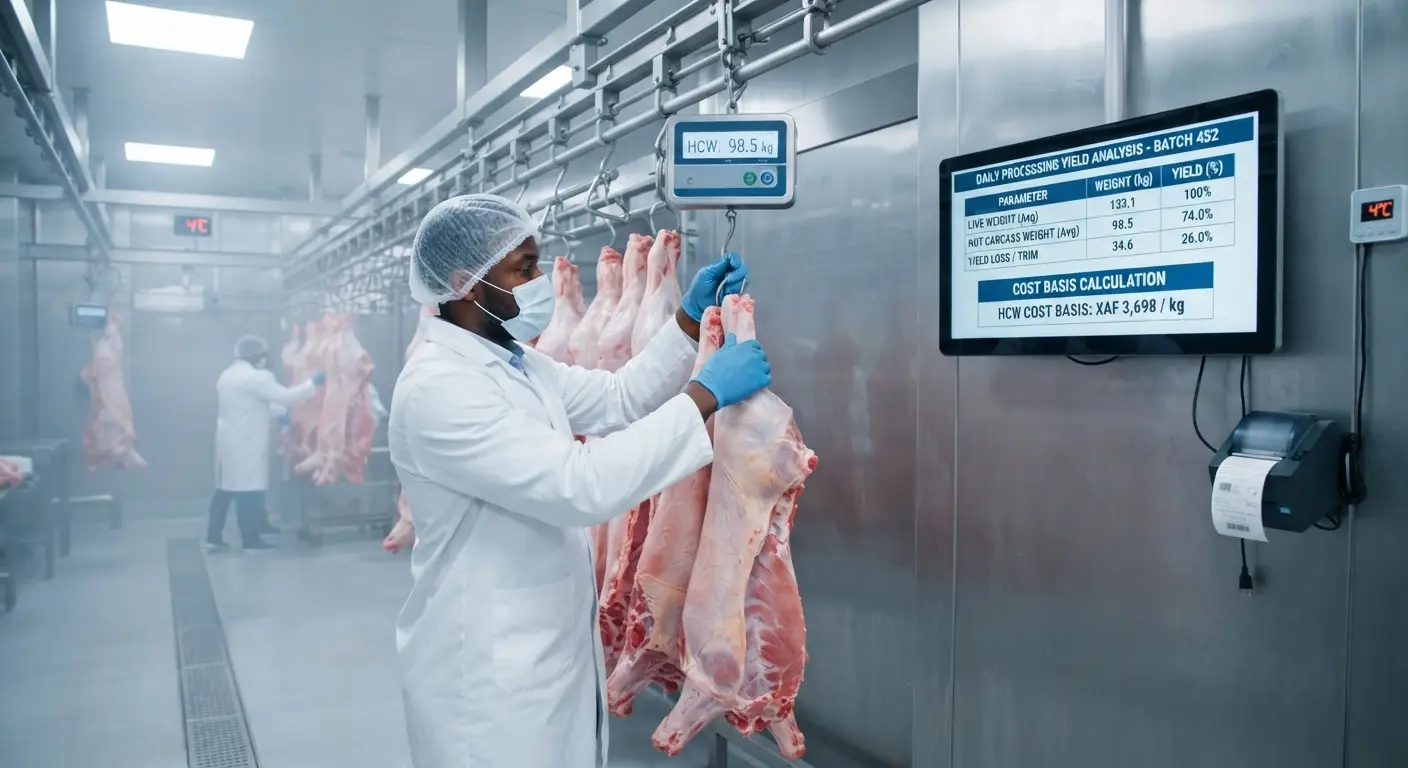
Total farm profit is a lagging indicator — it tells an operator whether the year was profitable only after it’s over. Cost per kilogram of pork produced is a leading…
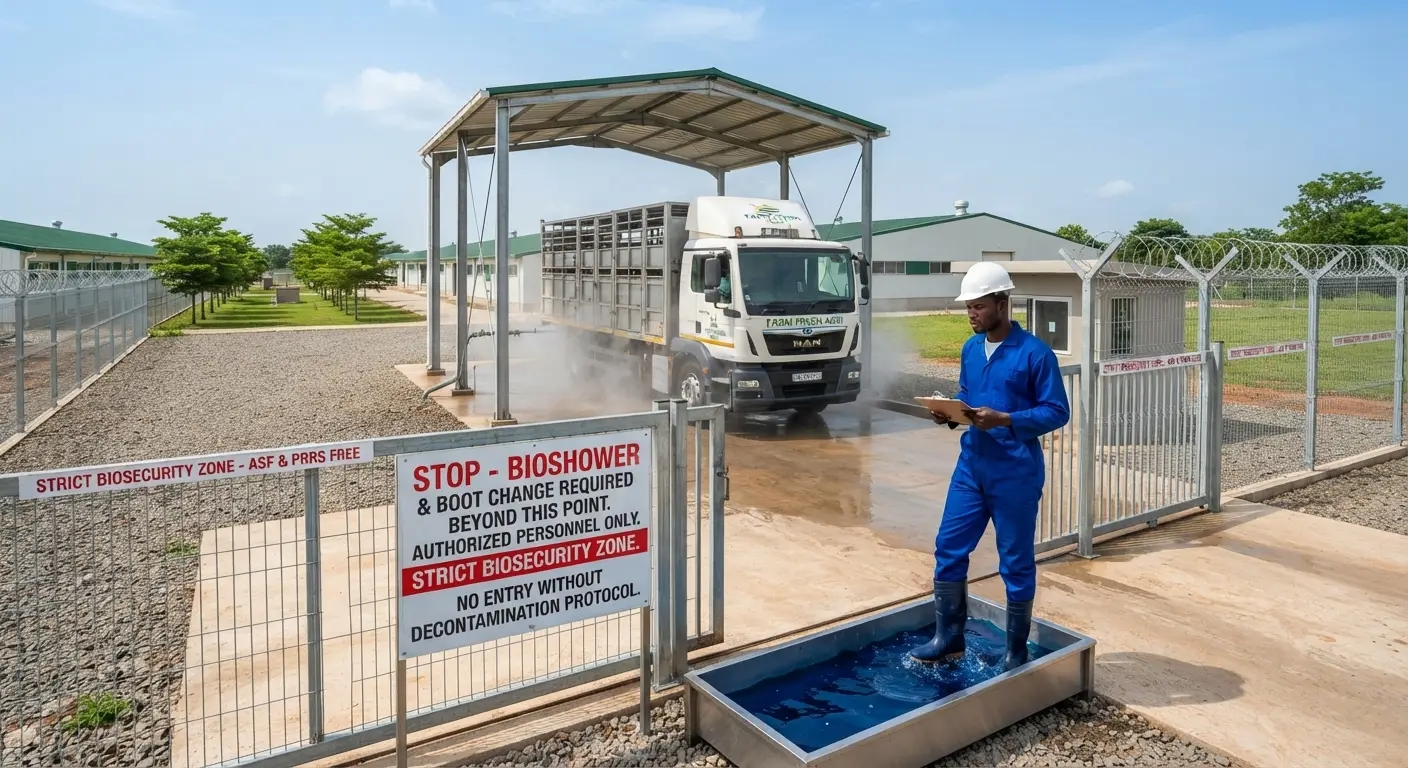
Commercial piggeries rarely collapse from a single catastrophic event. Most failures trace back to a small set of recurring management errors that compound over months, eroding herd health, feed efficiency,…
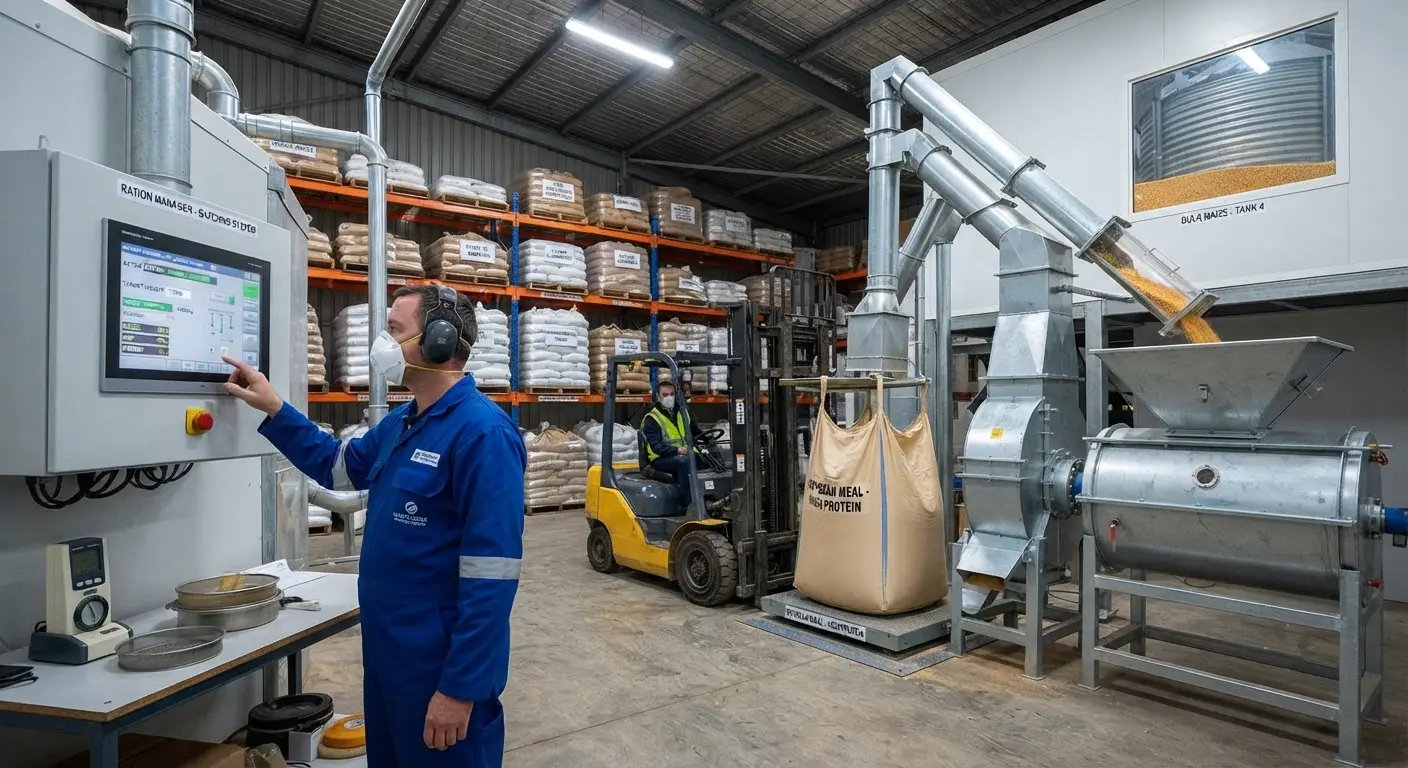
Most piggery failures during expansion do not happen because the operator ran out of pigs to sell — they happen because the business scaled the herd faster than it scaled…
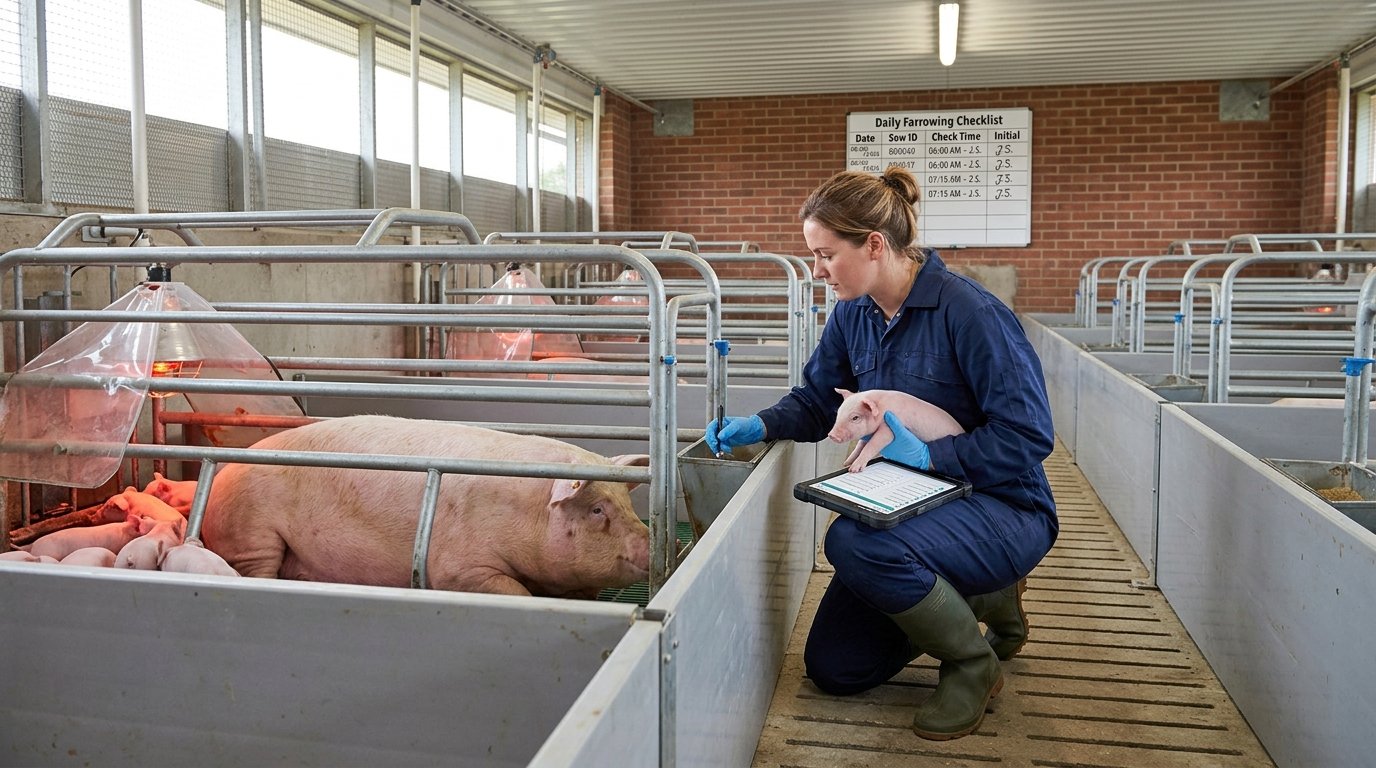
Two piggeries with the same sow herd, the same feed formulation, and the same housing can post PSY figures that differ by four or five pigs per sow per year…