
The pig with a textbook nutritional deficiency — the one with the classic, unambiguous clinical presentation described in veterinary pathology manuals — is not the pig that costs most commercial…
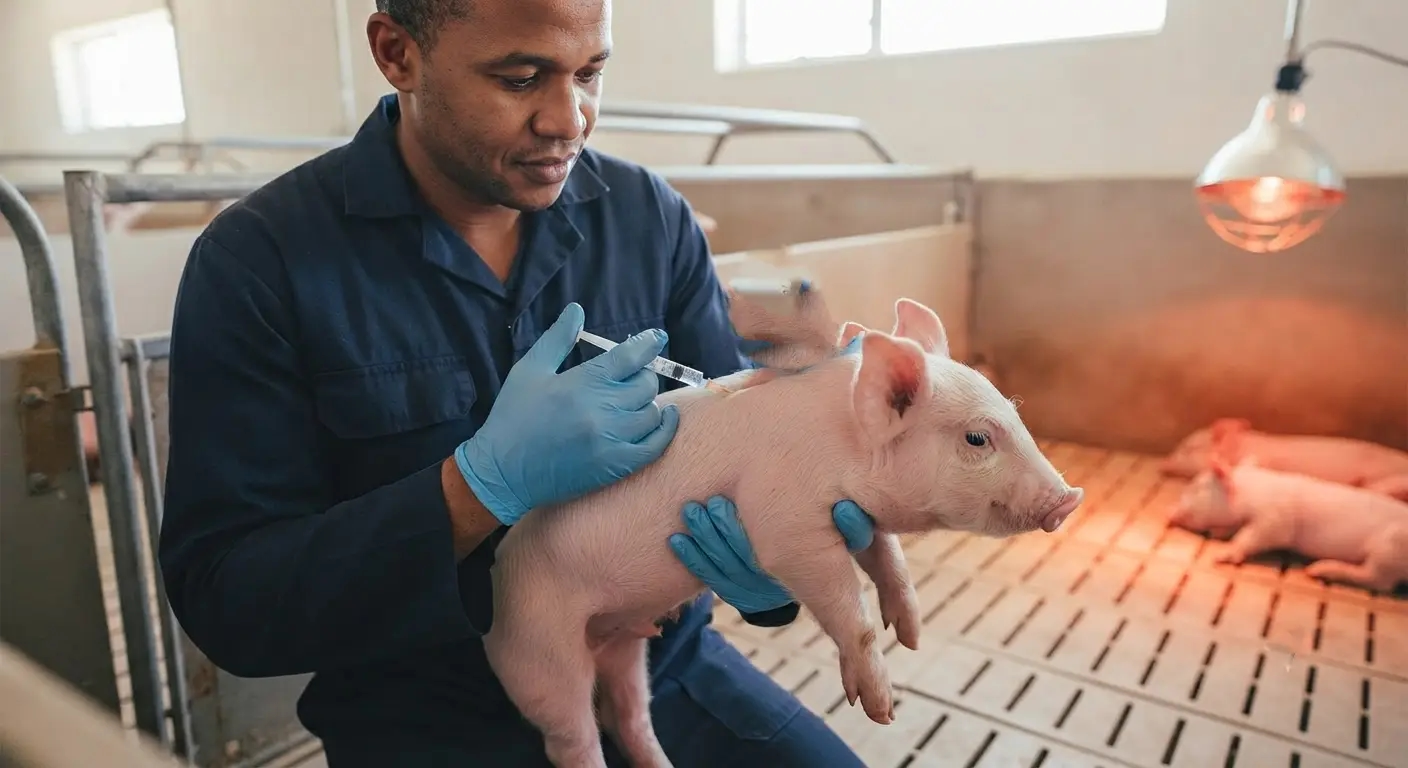
The Feed & Swine Nutrition category targets the largest recurring expense in pig farming, focusing on cost optimization, precision feeding, and herd growth efficiency. This section breaks down the distinct dietary requirements for every lifecycle stage—from high-protein creep feeds for piglets to specialized grower and finisher rations. It provides actionable advice on tracking and improving Feed Conversion Ratios (FCR), enabling commercial producers to maximize average daily weight gain while eliminating feed waste.
To help farmers combat rising commercial feed costs, this category delivers practical insights into custom feed formulation and the strategic use of alternative ingredients. Readers will learn how to safely incorporate agricultural by-products like cassava, brewery waste, or crop residues into their feed mixes without compromising nutritional value. Additionally, this section covers critical quality control topics, including amino acid balancing, managing nutritional deficiencies, and strict feed storage practices to prevent devastating mold and mycotoxin contamination.
The pig with a textbook nutritional deficiency — the one with the classic, unambiguous clinical presentation described in veterinary pathology manuals — is not the pig that costs most commercial…
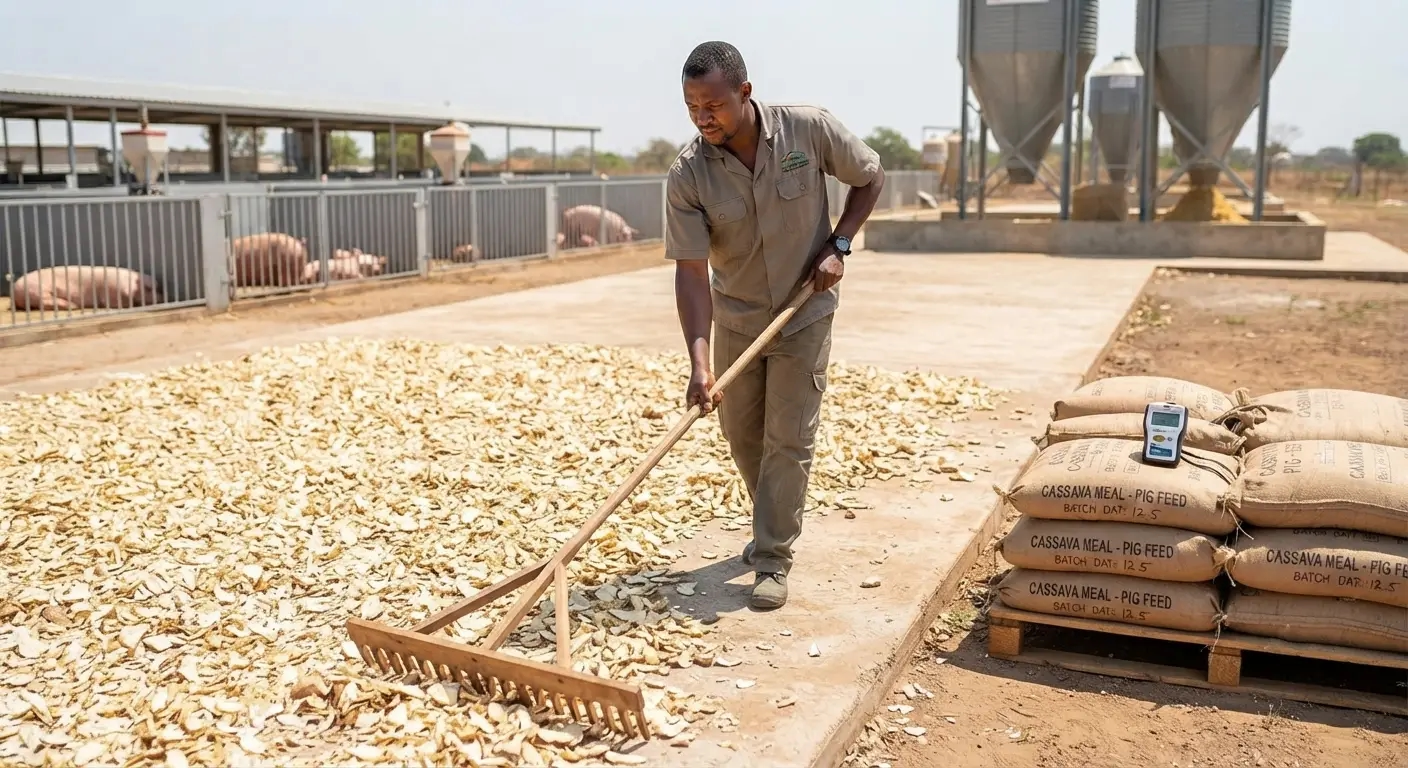
Maize and soybean meal are the global standard for pig ration formulation for good reason — their nutrient composition is well-characterized, well-balanced, and highly digestible, and the global feed industry’s…
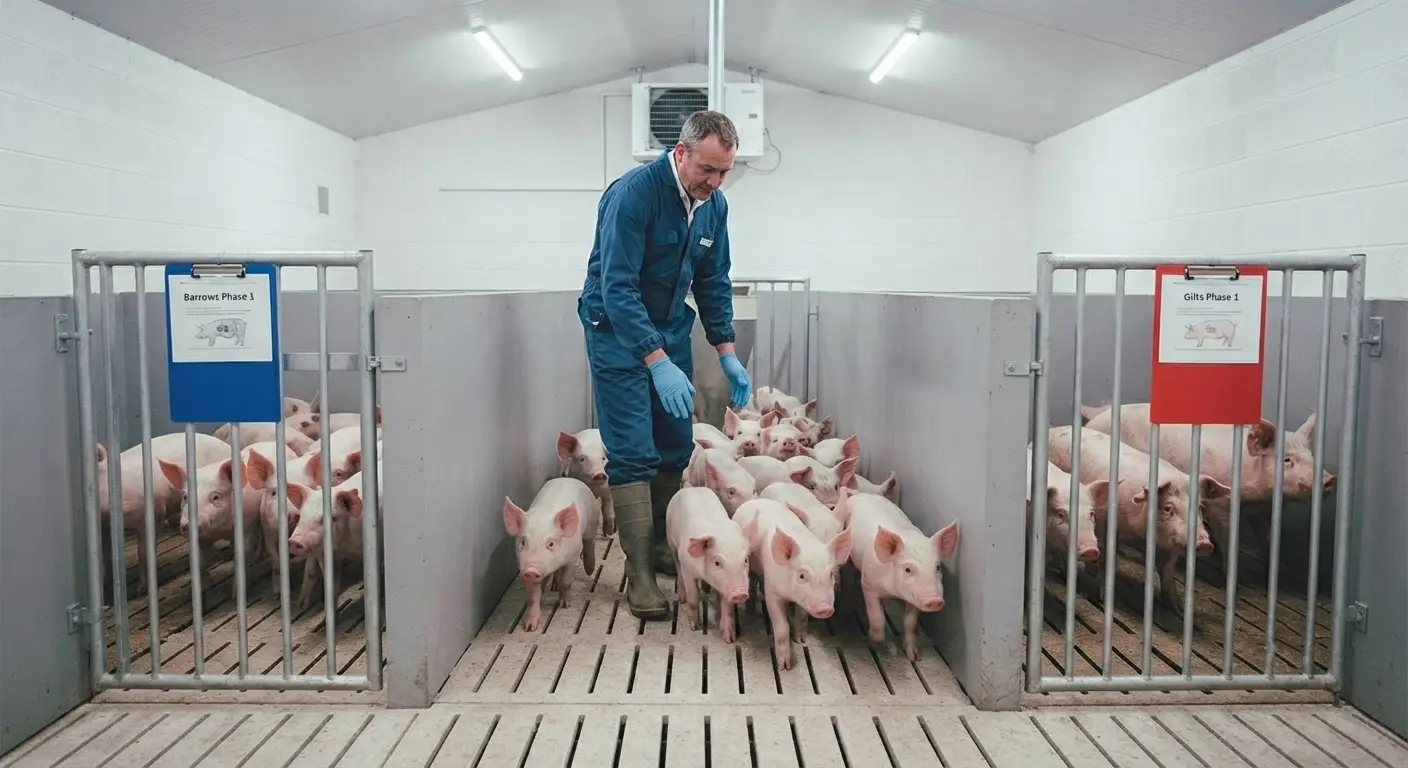
Most commercial pig operations feed gilts and barrows the same ration in the same pens at the same time. This is the path of least resistance — one ration to…

Mycotoxin contamination is the problem that most West African commercial pig operations are carrying without knowing it. Not because the damage is absent — it is measurable, substantial, and recurring…
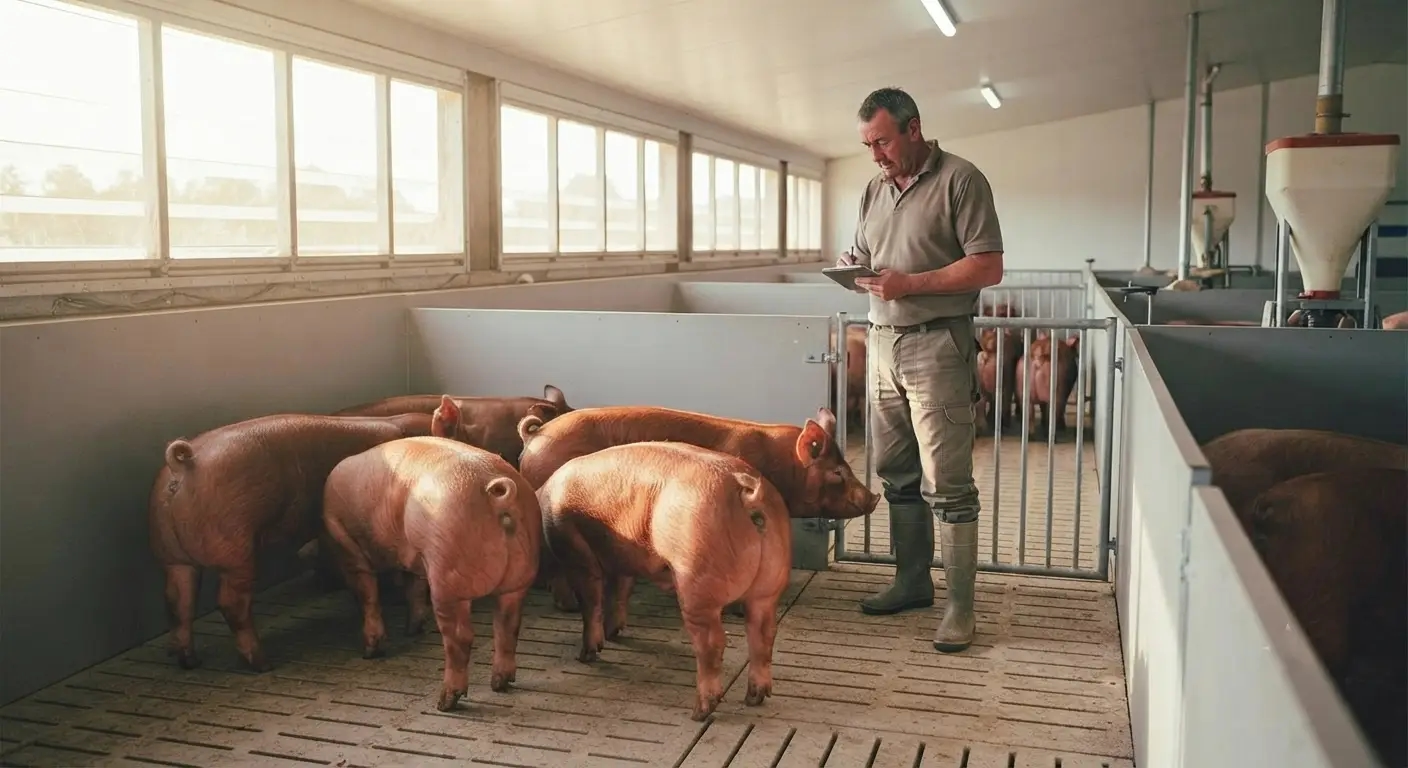
A finisher pig’s daily gain is not limited by how much feed it eats. In most commercial production contexts, pigs in the 60–110 kg weight range are fed ad libitum…
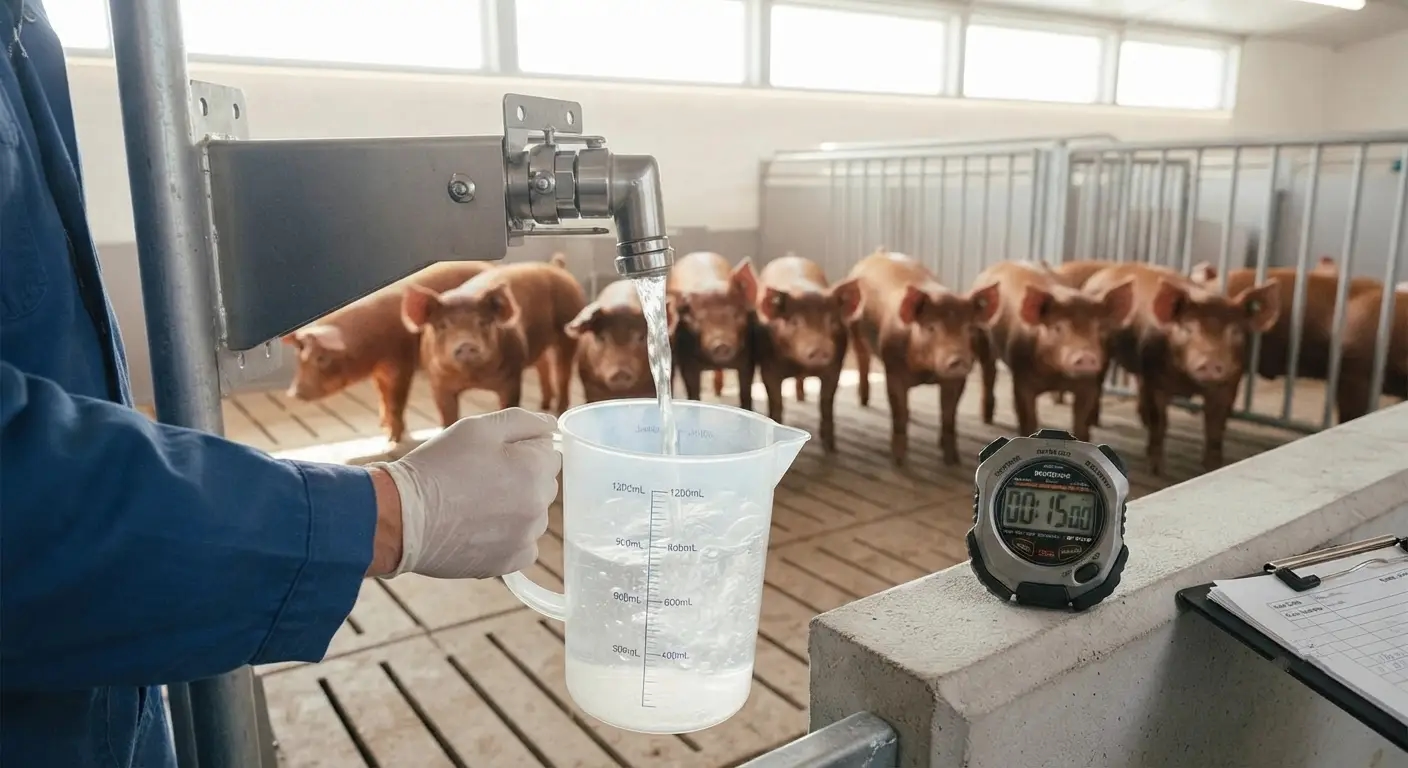
Of all the nutrients a pig consumes, water is the most abundant, the cheapest per unit, and — when restricted — the most rapidly consequential. A pig can tolerate days…
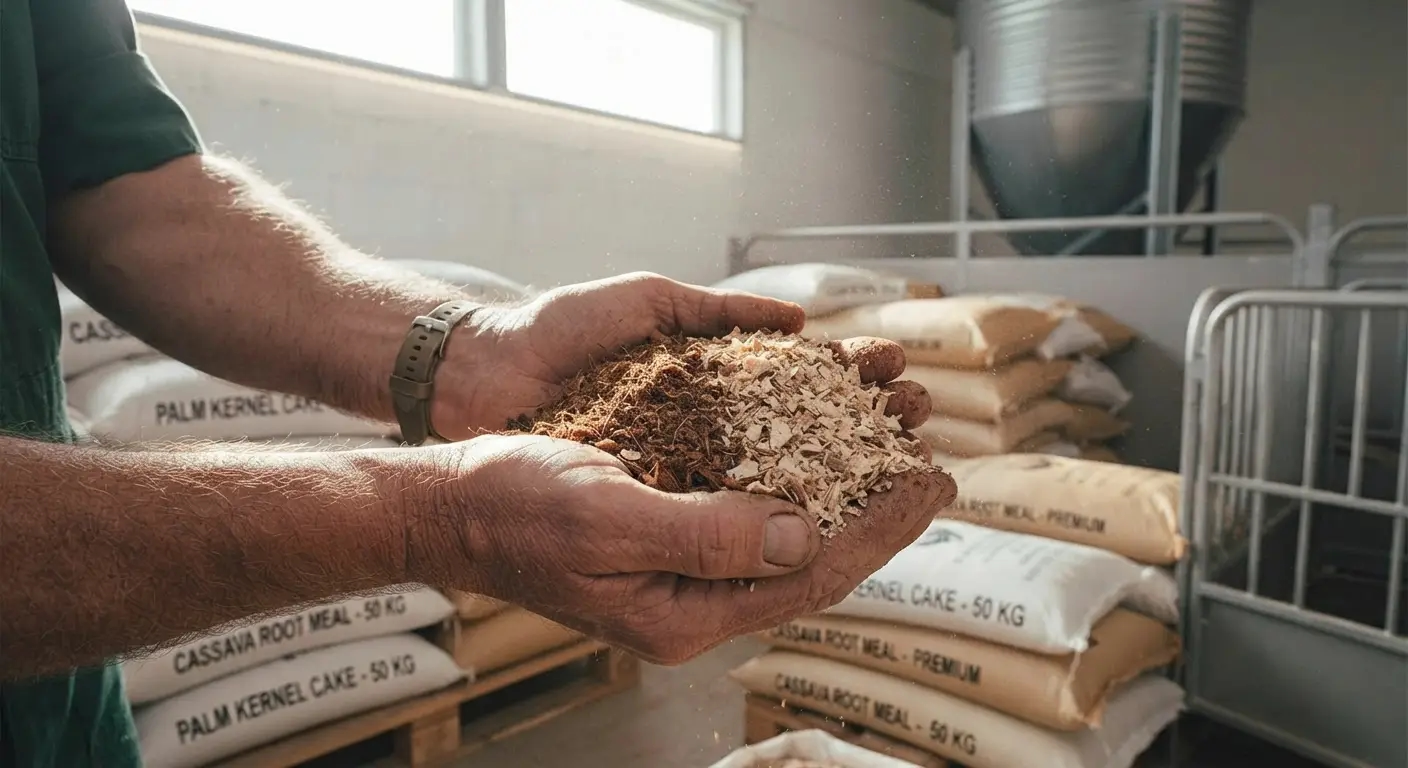
The single largest lever available to reduce pig production costs is not genetics, not housing, not labor — it is the feed formulation sitting in the feed bin. Feed accounts…
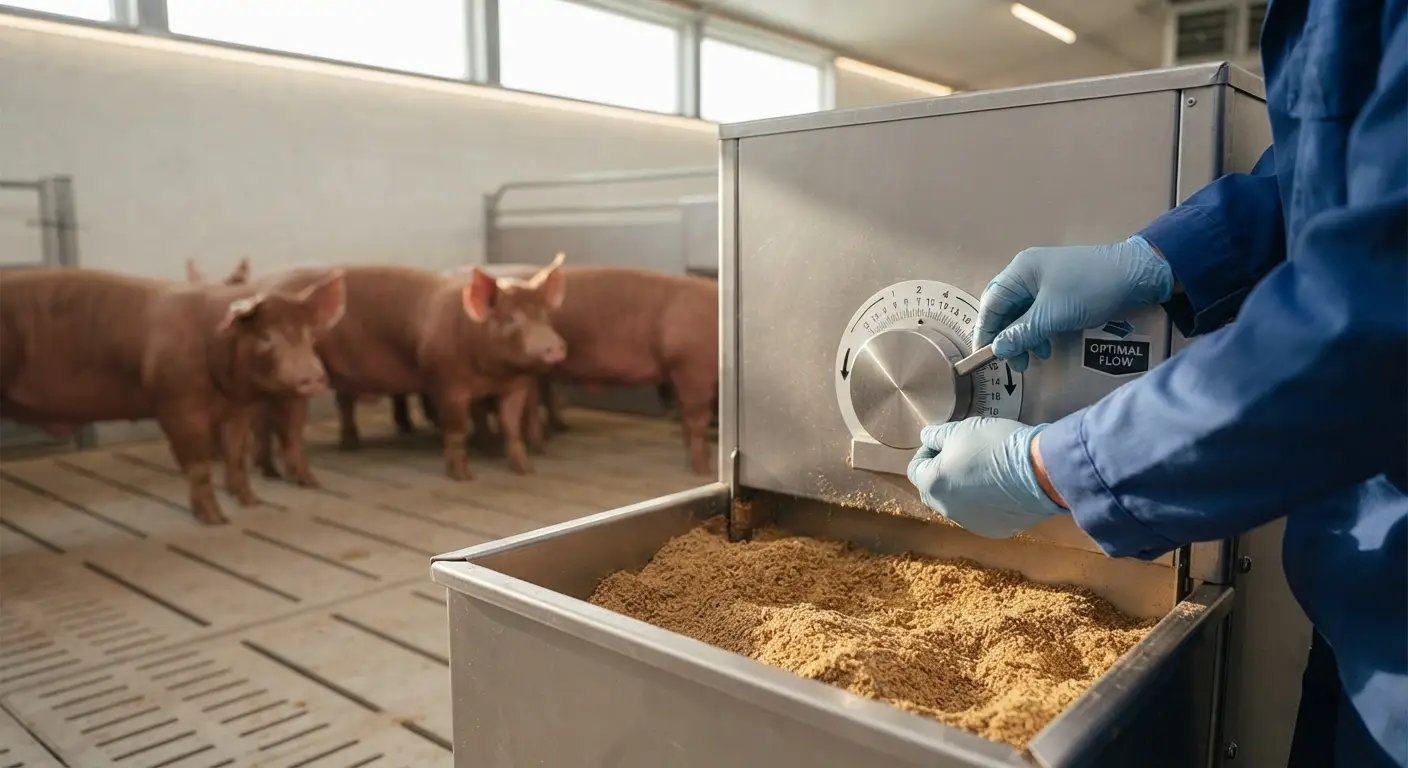
If a commercial pig farm tracked only one performance number, feed conversion ratio (FCR) would be the correct choice. It is the single metric that most directly translates the farm’s…
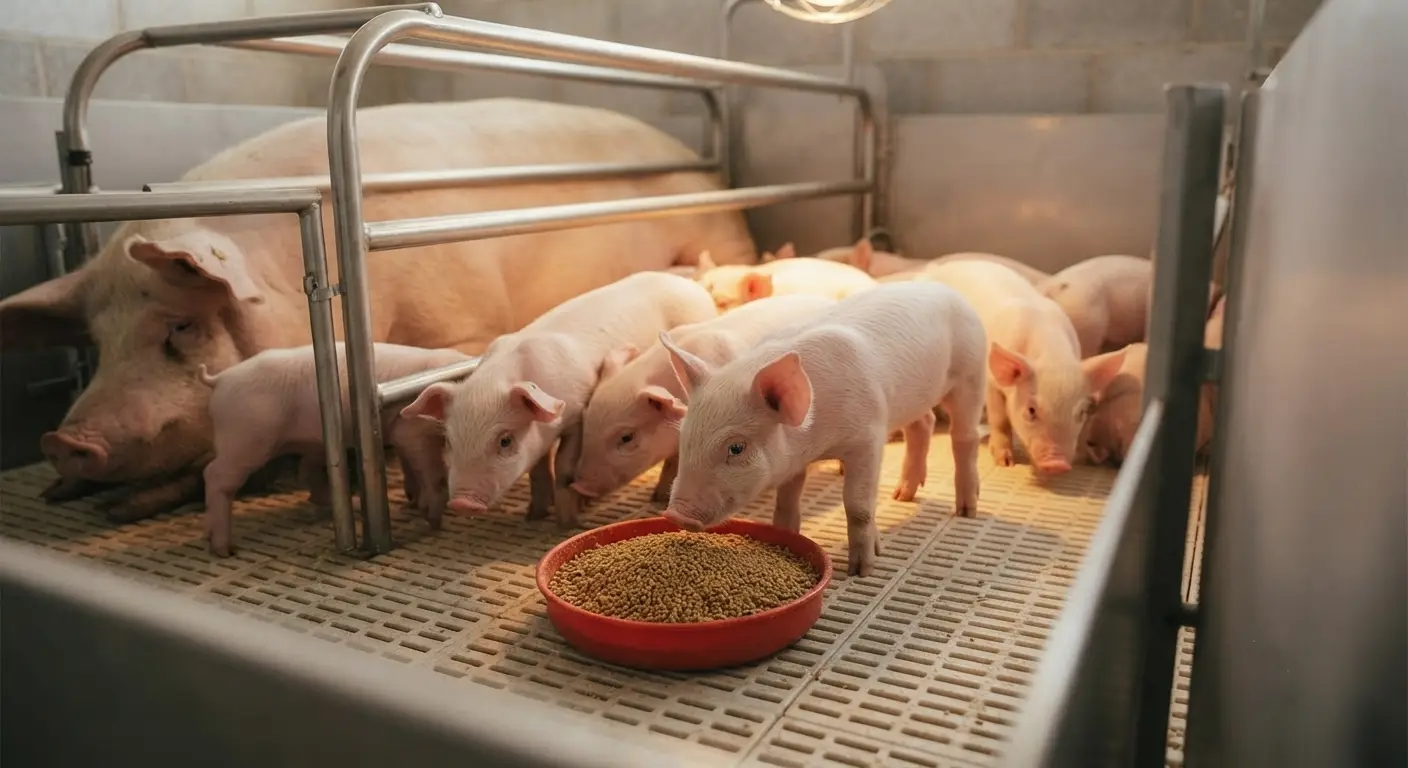
A newborn piglet weighs approximately 1.3–1.5 kg and survives entirely on the sow’s milk. At market weight, the same animal weighs 100–110 kg and has been eating solid feed for…
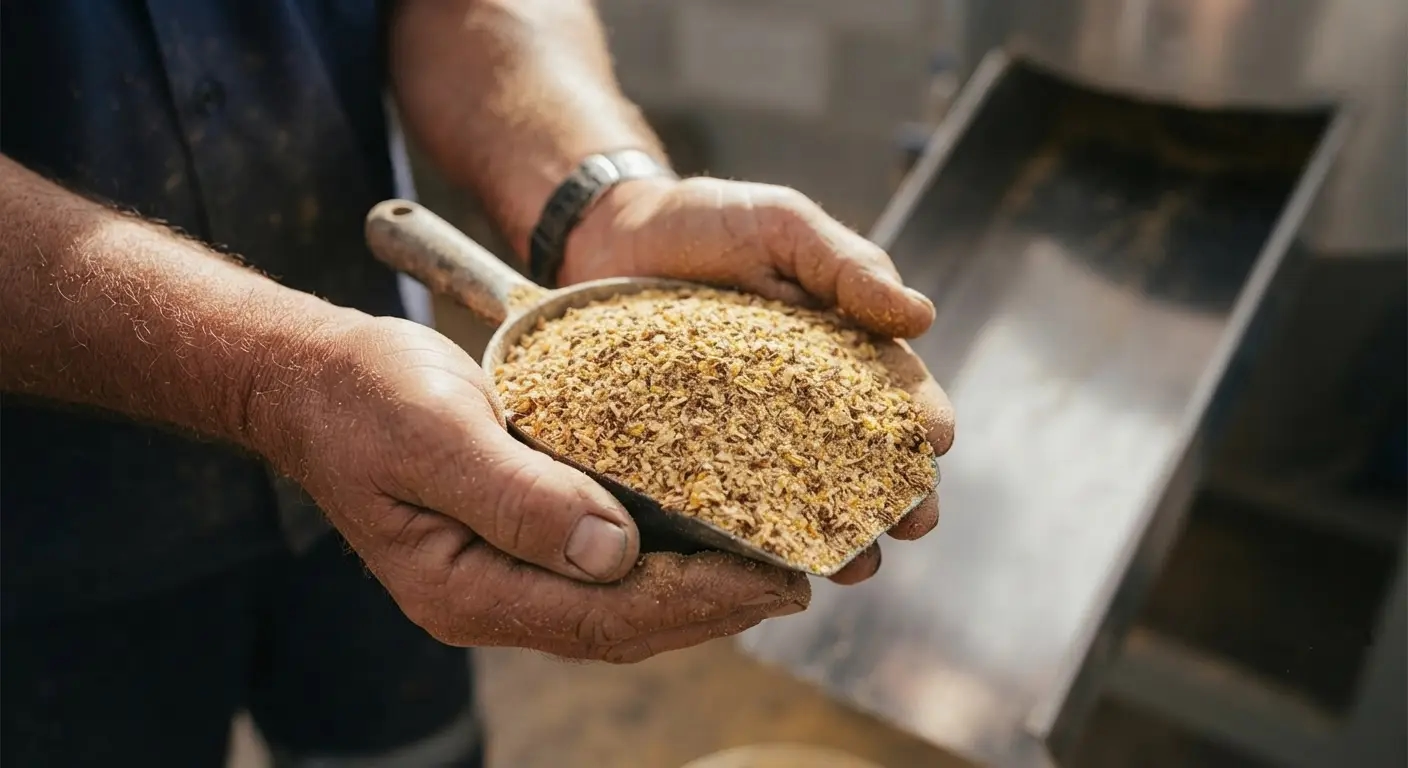
Purchased commercial pig feed carries a price premium that reflects more than just ingredient cost — it includes the feed manufacturer’s processing cost, transport and distribution margin, and the manufacturer’s…