The pig with a textbook nutritional deficiency — the one with the classic, unambiguous clinical presentation described in veterinary pathology manuals — is not the pig that costs most commercial operations money. That pig is identifiable, diagnosable, and correctable. The pig that costs money is the one with subclinical deficiency: the pig eating a ration whose premix was purchased from an unverified supplier, or stored too long in tropical heat and humidity, or mixed incorrectly — and whose consequence is not a specific, nameable clinical syndrome but a constellation of marginal underperformance across multiple indicators simultaneously.
Slightly worse FCR. Slightly elevated respiratory disease incidence. Slightly reduced litter size. Slightly higher post-weaning mortality. Slightly rougher coat condition across the herd. Each individually explainable by other causes. Collectively, the signature of a ration whose micronutrient delivery is inadequate in one or more dimensions — a signature that is invisible to any diagnostic method that does not include the ration’s actual delivered micronutrient content in the differential.
This guide covers both ends of the deficiency spectrum: the clinical signs that identify severe deficiency requiring immediate correction, and the subclinical performance indicators that suggest marginal deficiency requiring formulation review and premix quality investigation. It covers every major vitamin and mineral category relevant to West and Central African commercial pig production, with specific attention to the deficiency risks that are elevated in the regional production context — tropical storage conditions that degrade premix potency, alternative ingredient formulations that may leave gaps specific minerals would otherwise fill, and the specific production stages where micronutrient deficiency risk is highest.
Part 1: Why Deficiencies Occur — The Specific Risk Conditions
Premix Quality and Potency Degradation
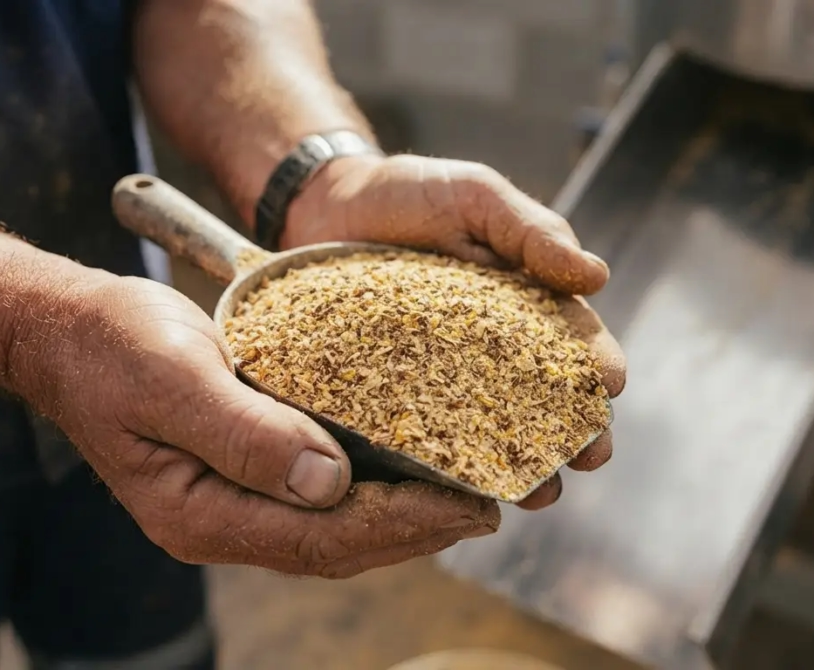
The vitamin-mineral premix added at 0.25–0.5% of the total ration is the vehicle through which all micronutrient requirements are met beyond what base ingredients (maize, soybean meal) supply. When premix quality fails — through inadequate manufacturing quality, adulteration by unscrupulous suppliers, storage beyond shelf life, or exposure to the heat and humidity conditions that accelerate vitamin degradation — the entire ration’s micronutrient adequacy fails simultaneously, producing the multi-deficiency pattern that is often the most common presentation in field conditions.
The specific premix risk conditions in West African commercial pig production:
- Heat and humidity exposure during storage: Fat-soluble vitamins (A, D₃, E, K) are particularly susceptible to oxidative degradation at elevated temperature and humidity — conditions routine in West African storage environments without climate control. A premix stored in an unventilated warehouse through a hot dry season may have lost 30–60% of its vitamin A and D₃ potency while still appearing visually unchanged
- Extended storage beyond manufacturer shelf life: Most commercial premixes carry a shelf life of 3–6 months under correct storage conditions, shorter under tropical ambient conditions. Premix purchased in bulk to reduce per-kilogram cost but stored for longer than its shelf life produces feed with progressively declining micronutrient delivery
- Unverified supplier sources: The agricultural input supply chain in parts of West and Central Africa includes premix suppliers who misrepresent the inclusion levels of active ingredients, particularly for the higher-cost fat-soluble vitamins and trace minerals whose inclusion is difficult to verify without laboratory analysis
Alternative Ingredient Formulations
As discussed in alternative feed ingredients guidance elsewhere in this series, the increasing use of cassava, palm kernel cake, brewers’ grain, and other regionally available ingredients to partially replace conventional maize and soybean meal changes the ration’s baseline micronutrient profile in ways that standard premix inclusion rates may not fully compensate:
- Cassava-based rations provide essentially no beta-carotene (the vitamin A precursor present in maize), increasing the ration’s dependence on preformed vitamin A from the premix
- High palm kernel cake inclusion reduces the ration’s native vitamin E content relative to a standard soybean meal-based ration, increasing the premium on premix vitamin E delivery
- High-fiber alternative ingredients may reduce mineral bioavailability through increased gastrointestinal transit rate and the phytate content of cereal-based alternatives
Production Stage Vulnerability
Certain production stages carry higher nutritional deficiency risk than others:
Neonatal and weanling pigs: Low body reserves at birth, rapid development, high sensitivity to micronutrient gaps. Iron deficiency is the classic example (covered in Part 3) — neonatal piglets are born with minimal iron stores and have no access to soil iron in confinement systems, making injectable iron supplementation a non-negotiable management requirement within the first days of life.
Breeding and gestating sows: High micronutrient demands from pregnancy and lactation, compounded by the cumulative depletion that occurs across successive parities if dietary replenishment is inadequate. Vitamin E, selenium, and folic acid are particularly important at this stage.
Post-weaning stress: Vitamin C (not an essential nutrient for unstressed pigs who can synthesize their own, but potentially limited during high-stress periods), B vitamins supporting energy metabolism, and the minerals supporting gut integrity (zinc, particularly) are all relevant during the high-stress post-weaning transition.

Part 2: Fat-Soluble Vitamin Deficiencies
Vitamin A Deficiency
Function: Vitamin A (retinol and its active forms) is essential for vision (particularly low-light vision via rhodopsin synthesis in the retinal rod cells), for epithelial cell differentiation and maintenance across all mucosal surfaces (respiratory, gastrointestinal, reproductive tract), and for normal immune function.
Sources in the ration: Beta-carotene (precursor, present in green forages and some grains) and preformed vitamin A (retinyl esters, in the vitamin premix). In confined pig production on conventional grain-based rations without forage access, the premix is essentially the sole vitamin A source.
Clinical signs of deficiency (severe):
- Night blindness (earliest specific sign — pigs have difficulty navigating dim conditions, bump into pen dividers, show abnormal eye movement in low light)
- Watery eye discharge and corneal cloudiness (keratomalacia) in advanced cases
- Rough, dry skin coat with scaling
- Reduced growth rate
- Increased susceptibility to respiratory and gastrointestinal infections (from impaired mucosal epithelial integrity)
- Reproductive failure: reduced conception rates, increased embryonic mortality, stillbirths, piglets born with congenital defects (malformed eyes, limbs, or internal organs)
Subclinical indicators: Increased respiratory disease incidence without other obvious cause (impaired mucosal barrier function), slightly reduced litter size, modest growth depression.
Risk conditions in West Africa: High — premix quality concerns, high ambient temperatures accelerating retinol oxidation in stored premix, and the increasing use of cassava-based rations that eliminate the beta-carotene contribution of maize.
Correction: Immediate increase in premix inclusion rate and verification of premix potency; in severe cases with clinical signs, parenteral vitamin A administration (oily vitamin A injection) provides immediate correction while dietary adjustment achieves sustained adequacy. Review premix storage conditions and supplier quality as root cause investigation.
Vitamin D₃ Deficiency (Rickets / Osteomalacia)
Function: Vitamin D₃ (cholecalciferol) is the biologically active precursor for calcitriol (1,25-dihydroxycholecalciferol), the hormone that regulates calcium and phosphorus absorption from the gastrointestinal tract, calcium mobilization from bone, and calcium reabsorption from the kidney. Without adequate vitamin D₃, the calcium and phosphorus in the ration cannot be adequately absorbed — producing calcium-phosphorus deficiency consequences even when the dietary calcium and phosphorus specifications appear correct.
Deficiency signs:
- In growing pigs (rickets): Bowed or misshapen limbs, enlarged joints (particularly at the knees and hocks), stilted gait, lameness, reluctance to move, tendency to sit in a “dog-sitting” position rather than standing, fractures from minimal trauma
- In breeding sows: Posterior paralysis and spinal fractures in late gestation or early lactation (when calcium demand from fetal mineralization and milk production peaks and bone reserves are drawn upon to compensate for inadequate gut absorption), reduced milk calcium for neonatal piglets
- In all ages: Poor bone density visible on post-mortem cross-section as soft, easily bent or cut long bones
Risk conditions: Confined pigs receive essentially no UV-B radiation (which drives endogenous vitamin D₃ synthesis in skin), making dietary supply from the premix the sole vitamin D₃ source. This makes premix quality and potency the single point of failure — degraded premix directly translates to vitamin D₃ deficiency in confined pigs.
Correction: Premix replacement and potency verification; in severe cases, parenteral vitamin D₃ administration; review calcium-phosphorus dietary balance alongside vitamin D₃ correction, since the gut absorption impairment from deficiency affects both minerals simultaneously.
Vitamin E Deficiency
Function: Vitamin E (alpha-tocopherol) is the primary fat-soluble antioxidant in cell membranes, protecting polyunsaturated fatty acids from oxidative damage. It works synergistically with selenium — each can partially compensate for mild deficiency in the other, but severe deficiency in either cannot be compensated by the other alone. As discussed in boar management guidance, vitamin E and selenium are particularly critical for sperm cell membrane integrity in breeding boars.
Deficiency signs:
- Mulberry heart disease (pigs 3–16 weeks): Sudden death from cardiac muscle degeneration; heart has the characteristic mottled, mulberry-colored appearance from petechial hemorrhage at post-mortem. Often the first obvious sign in a deficient population is finding sudden-death pigs without premonitory signs
- Hepatosis dietetica (nutritional hepatopathy): Liver degeneration producing sudden death or agonal clinical signs; characteristic peanut-butter-yellow discoloration and friable texture at post-mortem
- Yellow fat disease (steatitis): Fat tissue takes on an abnormal yellow discoloration from lipochrome pigment accumulation when oxidative fat degradation is insufficiently controlled
- Muscular dystrophy (nutritional/white muscle disease): Pale, streaked skeletal and cardiac muscle visible at post-mortem from oxidative damage to muscle fibers
- Reproductive failure in sows and boars: Increased embryonic mortality, resorptions, reduced litter size; in boars, reduced semen quality and motility
- Immune suppression: Increased susceptibility to viral and bacterial infections
Risk conditions: Elevated in operations feeding rancid fat-containing ingredients (oxidized fats rapidly deplete vitamin E reserves), high-selenium-deficient feeds, or with degraded premix. Vitamin E is among the most labile of all feed vitamins under storage conditions — high temperature, humidity, oxidizing conditions (including contact with rancid fats or certain mineral forms that catalyze oxidation) all accelerate degradation.
The selenium interaction: Selenium deficiency produces the same syndrome as vitamin E deficiency, and the two frequently co-occur (selenium status in soils and therefore in regional feed ingredients varies considerably across West Africa, with some areas documented as selenium-deficient). Where mulberry heart disease or white muscle disease is observed, investigate both vitamin E and selenium status rather than assuming one cause.
Correction: Replace premix with verified fresh product; address any rancid ingredient source in the formulation; where injectable selenium-vitamin E combination products are available from veterinary suppliers, parenteral treatment provides rapid correction in deficient animals.
Vitamin K Deficiency
Function: Vitamin K activates the coagulation factors required for normal blood clotting — prothrombin (Factor II) and Factors VII, IX, and X are all vitamin K-dependent proteins.
Deficiency signs:
- Prolonged bleeding from routine procedures (ear notching, tail docking, injection sites)
- Internal hemorrhage: bloody urine, nasal bleeding, subcutaneous hemorrhage producing bluish discoloration of skin (particularly ear tips and tail)
- In severe cases: spontaneous hemorrhage and death
Risk conditions: Vitamin K₃ (menadione, the form used in premix) is relatively heat-stable but can be affected by certain mineral-vitamin interactions in the premix matrix. Mycotoxin contamination (particularly fumonisin) interferes with vitamin K metabolism. Antibiotic use that disrupts the gut microbial community can reduce microbially-produced vitamin K, though this is generally a minor contributor to vitamin K status in pigs compared to dietary supply.
Part 3: Water-Soluble Vitamin Deficiencies
B Vitamin Complex Deficiencies
Water-soluble B vitamins function as coenzymes in energy metabolism, protein synthesis, and cell division. Their deficiency patterns in pigs typically produce general ill-thrift and growth depression rather than the specific clinical syndromes associated with severe single-vitamin deficiency in classic research models — because commercial rations typically produce partial, multiple, concurrent deficiencies rather than clean single-nutrient deprivation.
Thiamine (B₁):
- Function: Coenzyme in carbohydrate metabolism (pyruvate dehydrogenase, alpha-ketoglutarate dehydrogenase)
- Deficiency signs: Anorexia, weight loss, cardiac abnormalities, neurological signs (uncoordinated gait, convulsions) in severe cases
- Risk: Elevated where raw fish or certain plant ingredients containing thiaminase enzyme are included in formulations (thiaminase degrades thiamine before absorption)
Riboflavin (B₂):
- Function: Components of FAD and FMN electron carriers in energy metabolism
- Deficiency signs: Reduced growth, seborrhea (flaky skin, particularly around the face and ears), eye inflammation, reproductive failure in gilts and sows, rear-limb paralysis in severe cases
- Risk: Riboflavin is relatively stable but can be degraded by UV light exposure — storage in light-exposed containers reduces riboflavin potency
Niacin (B₃):
- Function: Components of NAD and NADP coenzymes in energy metabolism
- Deficiency signs: Diarrhea, dermatitis (particularly on areas exposed to friction or light), reduced growth rate; in severe deficiency, the classical “pellagra” syndrome
- Risk: Maize is a poor niacin source (its niacin is largely in bound, unavailable form) — high-maize rations without adequate premix niacin supplementation are an elevated-risk context
Pantothenic Acid (B₅):
- Function: Coenzyme A component in fatty acid synthesis and metabolism
- Deficiency signs: “Goose-stepping” — a characteristic abnormal rear-limb gait where pigs lift their hind legs in an exaggerated, high-stepping movement — is the pathognomonic sign of pantothenic acid deficiency in pigs. Also produces reproductive failure and reduced growth
- Risk: One of the more common B-vitamin deficiencies documented in field conditions when premix quality is compromised
Pyridoxine (B₆):
- Function: Coenzyme in amino acid metabolism (transamination, decarboxylation)
- Deficiency signs: Reduced growth, microcytic anemia, convulsions in severe cases; particularly impairs immune function and antibody production
- Risk: Relevant in high-protein formulations where amino acid turnover is high and B₆ demand therefore elevated
Folic Acid:
- Function: One-carbon transfer reactions, critical for DNA synthesis and cell division
- Deficiency signs: Reduced litter size (inadequate folic acid during early embryogenesis causes embryonic developmental failure), anemia, reduced growth
- Risk: Particularly relevant in sows during gestation — supplemental folic acid above standard premix levels is sometimes recommended specifically for early gestation in high-producing sow genotypes
Biotin:
- Function: Coenzyme in carboxylation reactions; essential for hoof integrity through its role in keratin synthesis
- Deficiency signs: Cracked, brittle, soft hooves; dermatitis; reduced litter size; hair loss
- Risk: Particularly relevant in sow herds where hoof quality is already compromised by flooring or management factors, as biotin deficiency compounds the structural hoof damage from other causes. Some commercial sow nutrition programs include biotin above standard premix levels specifically to support hoof quality and longevity
Vitamin B₁₂ (Cyanocobalamin):
- Function: Essential for methyl group transfer (working with folic acid), DNA synthesis, and neurological function
- Deficiency signs: Reduced growth, rough coat, uncoordinated gait, anemia; reproductive failure in sows
- Risk: Vitamin B₁₂ is synthesized exclusively by microorganisms — dietary sources are entirely animal-derived or fermentation-derived. Plant-based rations with inadequate premix B₁₂ supplementation can produce deficiency, particularly in high-alternative-ingredient formulations that reduce the animal-derived ingredient content of the ration
Part 4: Macro-Mineral Deficiencies
Calcium and Phosphorus Deficiency (and the Vitamin D₃ Interaction)
As discussed in the vitamin D₃ section, calcium and phosphorus deficiency in pigs most commonly presents not as primary dietary deficiency of either mineral but as secondary deficiency from inadequate vitamin D₃-mediated absorption of what is present in the diet — or from incorrect calcium-to-phosphorus ratio that impairs the absorption of both.
Independently, calcium or phosphorus deficiency produces:
- Rickets / soft bones in growing pigs
- Posterior paralysis in sows from vertebral fracture or disc compression under the calcium demand of late gestation and lactation
- Reduced milk calcium affecting neonatal piglet development
- Teeth abnormalities
The calcium-phosphorus ratio: Total dietary calcium should be approximately 1.1–1.3× total available phosphorus (a ratio that facilitates absorption of both). Excessively high calcium relative to phosphorus (above 2:1 total calcium to available phosphorus) can reduce phosphorus absorption — a relevant risk when limestone (calcium carbonate) is included in excess, or when bone meal or dicalcium phosphate is insufficient to balance a high-limestone formulation.
Phytate phosphorus: A significant proportion of the phosphorus in plant-based ingredients (particularly grains and oilseed meals) is in phytate form — chemically bound to the phytic acid molecule in a complex that the pig’s gastrointestinal tract lacks the enzyme (phytase) to digest. Only approximately 30–40% of total plant-source phosphorus is “available” (non-phytate phosphorus that can be absorbed) in a conventional formulation. Phytase enzyme supplementation dramatically increases the proportion of phytate phosphorus that is digestible, allowing reduction in inorganic phosphorus supplementation (dicalcium phosphate) at maintained or improved phosphorus adequacy — a relevant cost-reduction and environmental benefit discussed in precision nutrition guidance elsewhere in this series.
Sodium and Chloride Deficiency
Function: Sodium (Na⁺) and chloride (Cl⁻) are the primary extracellular ions, essential for maintaining fluid balance, acid-base balance, and normal nerve and muscle function. Together with potassium, they regulate the osmotic environment of all body fluids.
Deficiency signs:
- Reduced voluntary feed intake (sodium and chloride are palatability drivers — pigs show reduced acceptance of salt-deficient feed)
- Reduced growth and water intake
- Rough coat, unthrifty appearance
- In severe cases: muscle weakness, reduced blood pressure
Common cause of deficiency in field conditions: Salt is a cheap, widely available ingredient — deficiency typically results not from intentional omission but from accidental failure to include it in a batch during mixing, or from inadequate mixing distribution. A batch of feed mixed without salt will show measurably reduced feed intake within days of being delivered to pigs — one of the more rapid-onset nutritional deficiency signs, making it a useful “canary” for detecting formulation errors where the cause is otherwise unclear.
Maximum inclusion: Salt is safe at 0.3–0.5% of the ration but toxic at high inclusion rates — ensuring accurate measurement and uniform mixing are the key management controls, not simply “add more salt if in doubt.”
Part 5: Trace Mineral Deficiencies
Iron Deficiency — The Most Common Deficiency in Commercial Pig Production
Function: Iron is the central atom of the hemoglobin molecule in red blood cells, which carries oxygen from lungs to tissues. It is also a component of myoglobin (oxygen storage in muscle) and numerous enzyme systems.
Why iron deficiency is uniquely prevalent in commercial pig production: Piglets are born with minimal iron stores — neonatal body iron reserves typically support only 1–3 days of normal growth at the rate of hemoglobin synthesis required for rapid growth. Sow’s milk is extremely low in iron despite being nutritionally complete in other respects. In an outdoor or pasture-based production system, piglets obtain iron by rooting in the soil. In confinement housing on concrete or slatted floors, no soil contact is possible — making confinement-housed piglets uniquely dependent on supplemental iron administration for the iron their bone marrow cannot otherwise obtain.
Clinical signs of iron deficiency anemia (typically appearing at 7–21 days in unsupplemented pigs):
- Pale skin (particularly visible in pink-skinned breeds) and pale mucous membranes
- Rough, “baby-doll” coat appearance
- Labored, rapid breathing during normal activity (“thumping” — the characteristic rapid abdominal breathing of anemic piglets compensating for reduced oxygen-carrying capacity)
- Reduced growth rate, wrinkled skin (“sway back” appearance from poor condition)
- Sudden death from cardiac failure in severe cases — the heart enlarges to maintain oxygen delivery under anemia, and can fail acutely under exertion stress
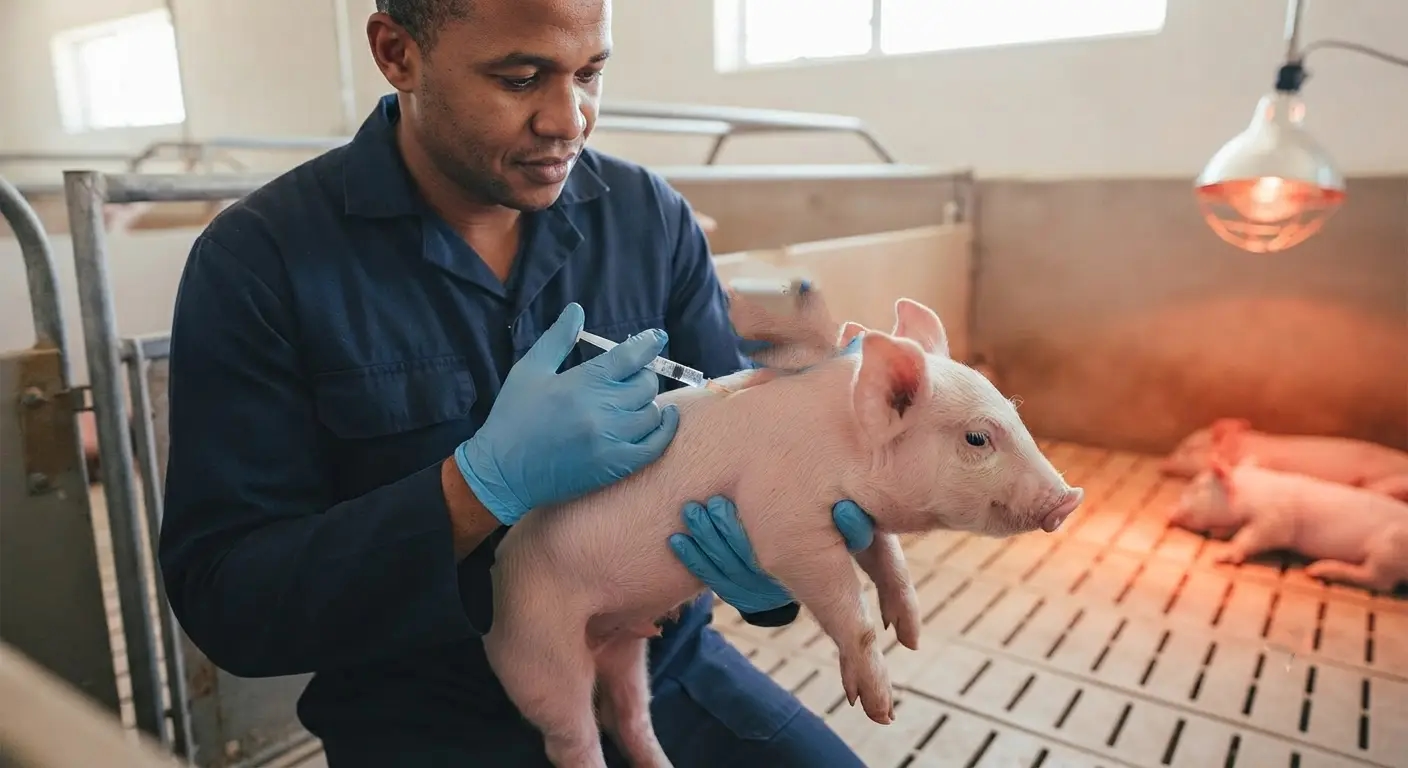
Prevention (standard management protocol): Injectable iron dextran (200 mg iron per piglet) administered intramuscularly at 2–5 days of age is the universal standard prevention protocol in commercial pig production worldwide. This is not optional or negotiable — unsupplemented confinement-housed piglets will become anemic, and the growth rate and survival consequences are substantial.
Cost-benefit of iron supplementation: An iron dextran injection costs approximately XAF 300–600 (USD 0.50–1.00) per piglet. The production loss from iron deficiency anemia in unsupplemented piglets is measured in grams of daily gain per day from birth — worth multiples of the injection cost within the first week alone.
A second dose at 3 weeks of age is sometimes recommended for high-performing litters where fast-growing piglets (particularly in litters of 12+ pigs nursing a high-producing sow) may exhaust the initial 200 mg dose before the transition to solid feed provides dietary iron coverage.
Zinc Deficiency — Parakeratosis and Growth Failure
Function: Zinc is a cofactor for over 300 enzymes involved in protein synthesis, nucleic acid synthesis, immune function, and cell division. It is critically important for skin and hoof integrity (keratin synthesis), immune cell development and function, and reproductive hormone signaling.
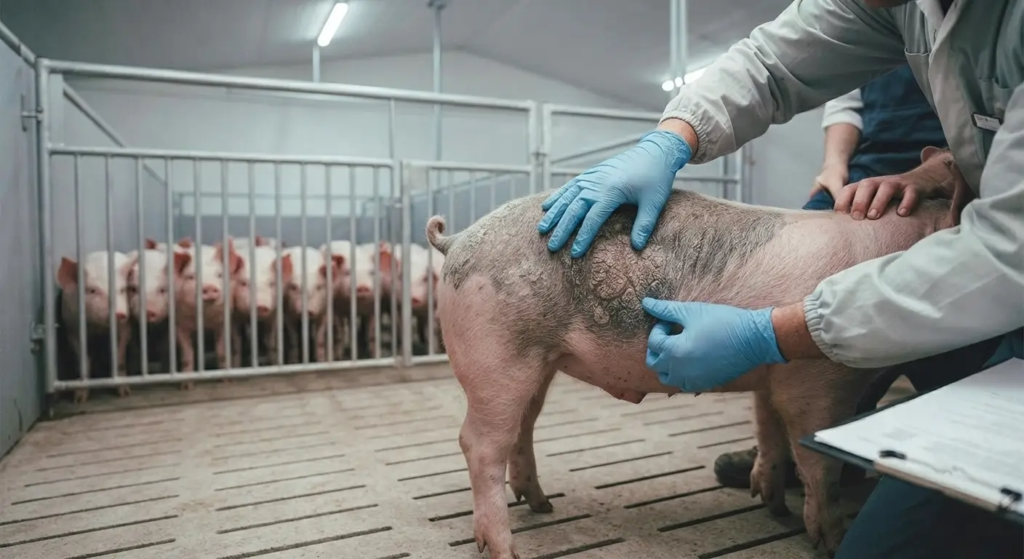
Classic deficiency syndrome — parakeratosis: A characteristic skin condition specific to zinc deficiency in pigs — patches of rough, thickened, scaly skin appearing first on the flanks, legs, and tail base, progressing in severe cases to widespread scaling and skin cracking. The skin changes are secondary to impaired keratin synthesis from zinc-deficient protein metabolism.
Other deficiency signs:
- Reduced growth rate and feed intake
- Reduced immune function with increased susceptibility to infectious disease
- Impaired wound healing
- Reproductive failure in gilts and boars
- Hoof integrity problems (contributing to lameness alongside the structural flooring factors discussed in housing guidance)
The high-calcium interaction: High dietary calcium significantly impairs zinc absorption — calcium and zinc compete for intestinal absorption pathways, and high calcium intakes (particularly relevant in late-finisher and gestation/lactation rations where calcium requirements are elevated) increase the dietary zinc requirement substantially. This interaction is one reason why zinc requirements are specified alongside, not independently of, dietary calcium levels.
Practical risk conditions: High-inclusion alternative rations (high palm kernel cake, high cassava) may reduce the zinc contribution from base ingredients while the premix continues to supply standard zinc levels — potentially adequate in standard formulations but marginal in high-alternative-ingredient contexts.
Selenium Deficiency (and the Vitamin E Synergy)
As discussed in vitamin E guidance, selenium and vitamin E deficiency produce overlapping syndromes (mulberry heart disease, white muscle disease, hepatosis dietetica) through their interconnected antioxidant protection functions. Regional soil selenium content varies significantly across West and Central Africa, and areas with selenium-deficient soils produce selenium-deficient crops that contribute less selenium to pig rations than standard premix inclusion assumes — making this a geographically variable but potentially significant risk in some production zones.
Additional selenium-specific signs:
- Sudden death of well-conditioned growing pigs from cardiac muscle degeneration (mulberry heart disease)
- White-streaked skeletal muscle visible at post-mortem (nutritional muscular dystrophy)
- Reduced semen quality in boars (spermatogonia have particularly high antioxidant requirements)
Key management note: Selenium is toxic at modest excess above requirement — the therapeutic range is narrow compared to most other minerals. Do not supplement selenium independently of a correctly formulated premix without veterinary guidance, as oversupplementation produces toxicity signs (hair and hoof loss, neurological abnormalities) at levels not far above the requirement.
Iodine Deficiency
Function: Iodine is uniquely required for thyroid hormone synthesis (thyroxine, T4; triiodothyronine, T3). Thyroid hormones regulate metabolic rate, growth, and development — their absence produces the hypothyroid syndrome that slows virtually every aspect of the pig’s productive function.
Deficiency signs:
- Hairless, edematous (water-swollen) piglets — a classic presentation of maternal iodine deficiency, where severely iodine-deficient sows produce piglets born without hair and with generalized subcutaneous edema (“myxedema”), frequently stillborn or very weak at birth
- Enlarged thyroid (goiter), visible as a swelling on the ventral neck
- Reduced growth rate, cold intolerance, rough coat, reduced activity in growing pigs
Risk conditions: Coastal areas in West Africa are generally iodine-replete (iodine is abundant in marine environments and the water and soils of adjacent areas). Inland areas, particularly those far from the ocean and not served by iodized salt distribution, carry higher iodine deficiency risk in livestock not supplemented through the diet. Goitrogenic compounds in some plant ingredients (certain brassica species, raw soybean meal at high inclusion) can impair iodine utilization independently of dietary iodine supply.
Copper Deficiency
Function: Copper is a cofactor for several important enzymes including lysyl oxidase (essential for cross-linking collagen and elastin, critical for connective tissue integrity), cytochrome c oxidase (mitochondrial energy production), and the copper-zinc superoxide dismutase antioxidant enzyme.
Deficiency signs:
- Reduced growth and anemia (copper is required for iron metabolism — copper deficiency impairs the mobilization of stored iron for hemoglobin synthesis, producing an iron-deficiency-type anemia even when iron stores are adequate)
- Bone abnormalities and fragility from impaired collagen cross-linking
- Spontaneous fractures
- Depigmentation of skin and hair (copper is required for melanin synthesis)
- Neurological signs in severe cases (copper is required for myelin formation in the nervous system)
Important dual role note: Copper is routinely included in pig rations at pharmacological levels (far above the nutritional requirement) as a growth promoter — the antimicrobial and growth-promoting effects of high dietary copper (typically 100–200 ppm in starter rations, declining in finisher rations) are distinct from its nutritional function at lower requirement levels. Distinguishing between a ration deficient in nutritional copper and a ration without pharmacological copper addition is important for correctly interpreting any observed deficiency versus performance optimization context.
Part 6: A Diagnostic Approach to Suspected Deficiency
When to Suspect Nutritional Deficiency
Consider nutritional deficiency — specifically micronutrient deficiency — as a differential diagnosis when:
- Multiple, apparently unrelated performance indicators are simultaneously below expectation (FCR, growth rate, reproductive performance, and disease susceptibility all marginally below target simultaneously is more suggestive of premix deficiency than any single deteriorating indicator)
- The performance decline coincides with a change in premix supplier, a new batch of premix from the usual supplier, or an extended storage period for existing premix
- Clinical signs match the specific syndromes described in this guide, particularly the pathognomonic presentations: goose-stepping (pantothenic acid), parakeratosis (zinc), hairless edematous piglets (iodine/sow), iron deficiency anemia in uninjected neonates, mulberry heart disease (vitamin E/selenium)
- Post-mortem findings are inconsistent with infectious disease but show characteristic nutritional pathology: pale or white-streaked muscle (vitamin E/selenium), soft, easily cut long bones (rickets — vitamin D₃/calcium/phosphorus), petechial hemorrhage of cardiac muscle without other lesions (mulberry heart disease)
The Diagnostic Sequence
- Collect a complete dietary history: What premix is being used, from which supplier, what is its stated shelf life, how has it been stored, how long has the current batch been in use?
- Review the formulation against requirements: Is the premix inclusion rate correct? Has the base ration formulation changed in ways that might affect the base ingredient contribution to micronutrient supply (new alternative ingredients, new ingredient sources with different compositions)?
- Investigate premix quality: Request the certificate of analysis from the premix supplier for the current batch; compare stated inclusion levels against the requirement specifications; consider laboratory verification of potency where clinical signs or performance pattern suggests potential quality concerns
- Review storage conditions: Has the premix been stored in conditions conducive to vitamin degradation? Has any moisture ingress or direct heat exposure occurred?
- Consult the veterinarian or nutritionist for differential diagnosis: Many clinical signs of nutritional deficiency overlap with infectious disease or management-related conditions; professional differential diagnosis appropriate to the specific clinical presentation is the most reliable path to correct identification of a nutritional vs. infectious etiology
- Correct and monitor: Where a nutritional deficiency is identified, correct the specific cause (premix replacement, storage improvement, formulation adjustment) and monitor the relevant performance indicators for evidence of recovery
Summary
Nutritional deficiencies in commercial pig production rarely present as the textbook clinical syndromes of classical veterinary nutrition research. They present as persistent, distributed performance underperformance — the cluster of marginal FCR worsening, modestly elevated disease incidence, slightly reduced reproductive output, and mildly compromised growth rate that most operations attribute to management or health factors without systematically investigating the feed’s micronutrient delivery as a potential cause.
The specific deficiency risks elevated in West and Central African commercial pig production — vitamin A and D₃ degradation in stored premix under tropical conditions, vitamin E and selenium deficiency in operations using alternative ingredients or rancid fats, iron deficiency in confinement-housed neonatal piglets without injectable iron supplementation, zinc and iodine gaps in high-alternative-ingredient formulations — are all preventable through correct premix quality management, appropriate storage discipline, and the specific supplementation protocols (injectable iron for neonates, selenium-vitamin E combinations in deficiency-risk zones, biotin support for sow hoof quality) that address the production stage-specific vulnerability of each nutrient.
The cost of prevention — a quality premix from a verified supplier, stored correctly and used within its shelf life — is almost always a fraction of the cost of the deficiency it prevents. The difficulty is that the deficiency’s cost is distributed and invisible while the prevention’s cost is concentrated and obvious. This guide provides the clinical and subclinical indicators that make the invisible visible — the specific signs that translate “my pigs aren’t performing” into “my ration’s micronutrient delivery needs investigation.”