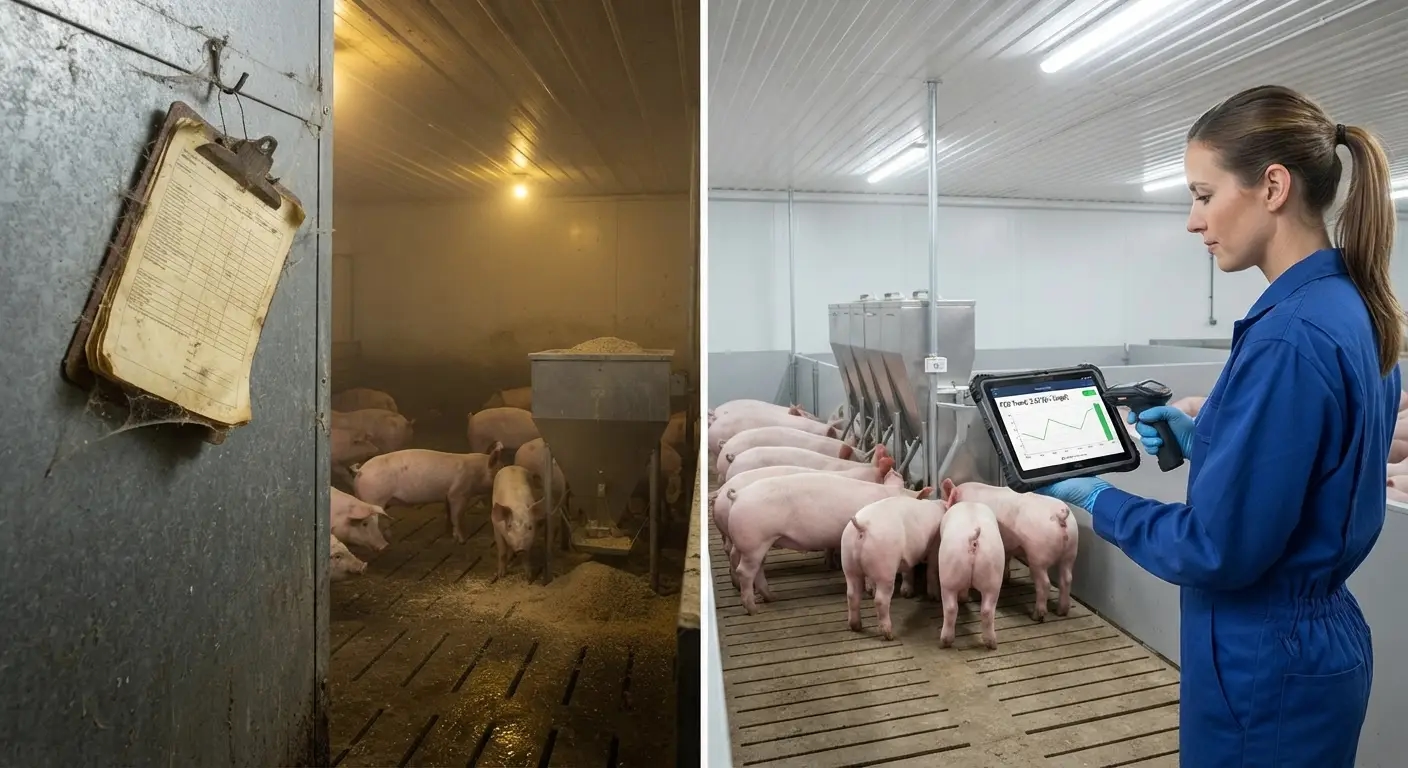
The difference between a commercial pig farm that consistently performs at or near its genetic and nutritional potential and one that persistently underperforms is rarely a single dramatic failure. It…
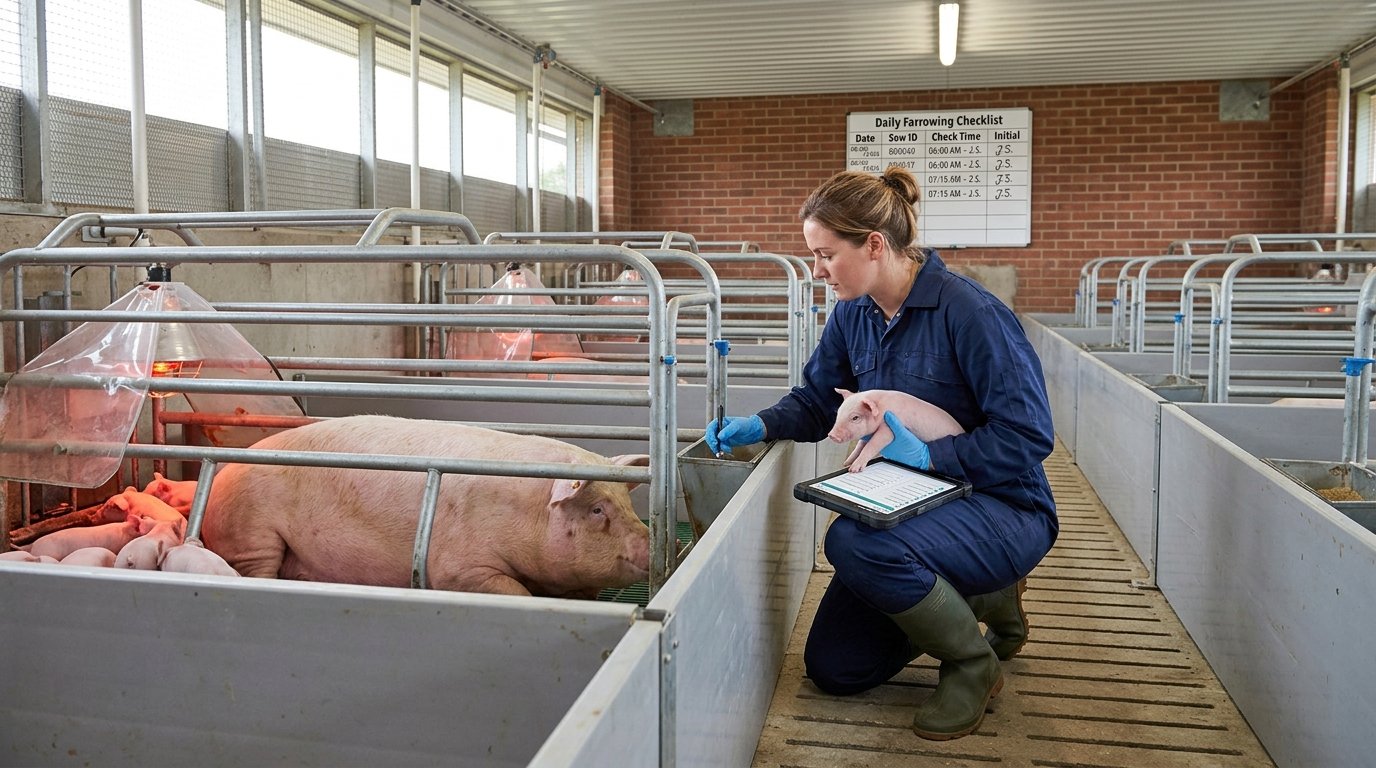
The Infrastructure & Production category covers the foundation of setting up and running a piggery, focusing on farm design, breed selection, and farrowing management. It provides step-by-step guides on building optimal housing systems—such as intensive or deep litter setups—and selecting high-performing genetics like Large White or Duroc. Additionally, this section offers critical insights into managing the sensitive birthing process and early piglet care to dramatically reduce mortality rates and optimize space efficiency.
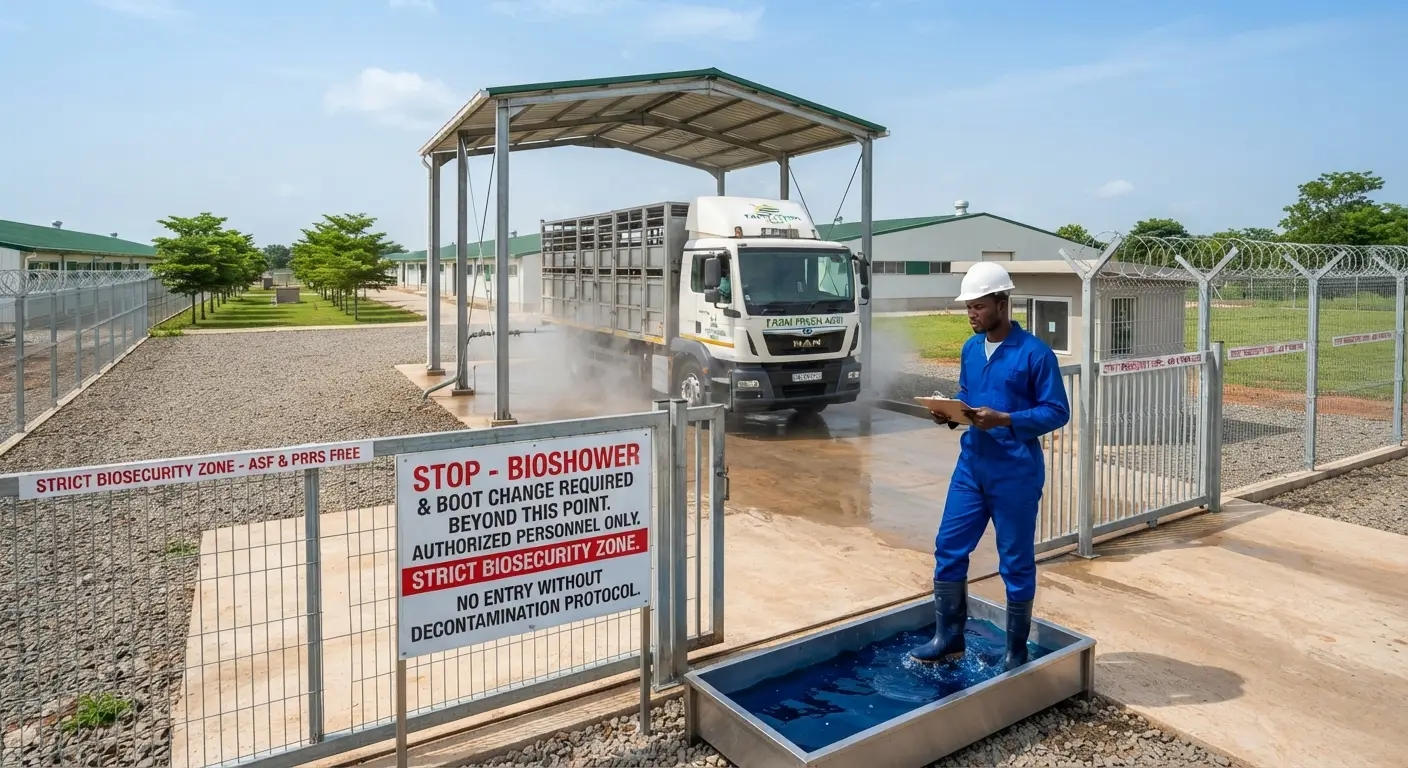
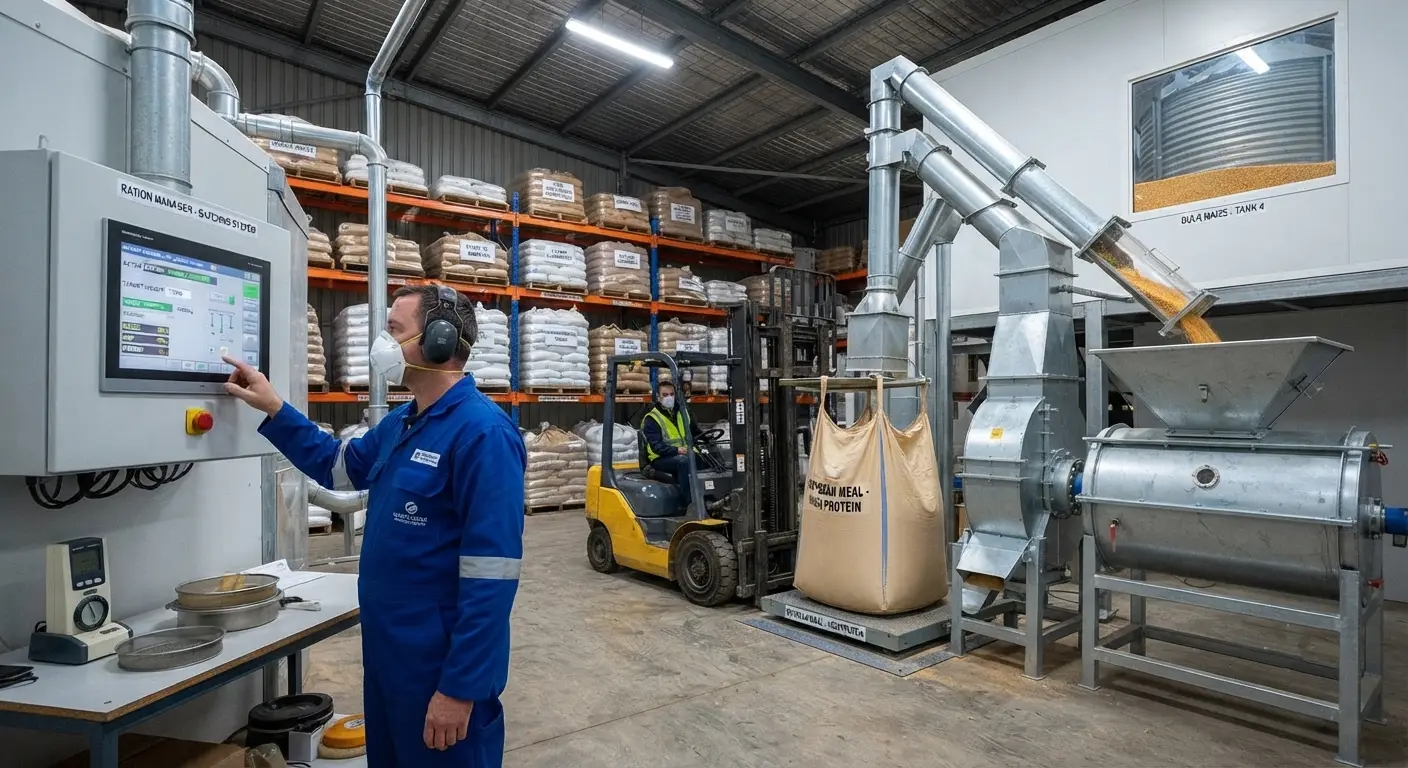
The Operations & Agribusiness category focuses on the technical day-to-day management, health protocols, and economic strategies needed to scale a profitable commercial farm. This section delivers expert advice on precision swine nutrition and alternative feed formulation to aggressively reduce Feed Conversion Ratios (FCR). It also bridges the gap between daily operations and profitability by offering comprehensive biosecurity frameworks for disease prevention, farm record-keeping metrics, and post-farm marketing strategies to help you secure the highest margins for your pork.
The difference between a commercial pig farm that consistently performs at or near its genetic and nutritional potential and one that persistently underperforms is rarely a single dramatic failure. It…
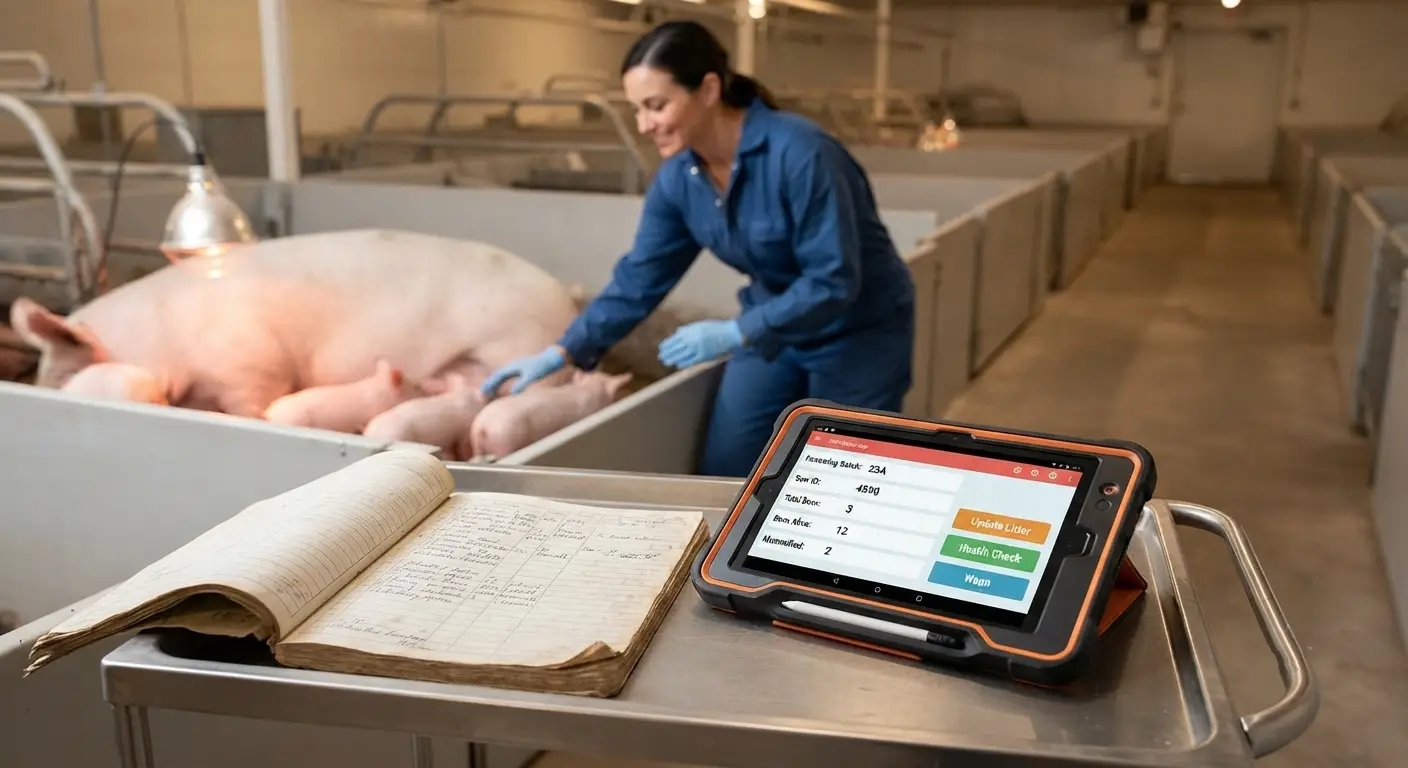
Paper-based and spreadsheet record-keeping breaks down at a predictable point in a swine operation’s growth — usually somewhere between 30 and 75 sows, when the volume of daily events (breedings,…
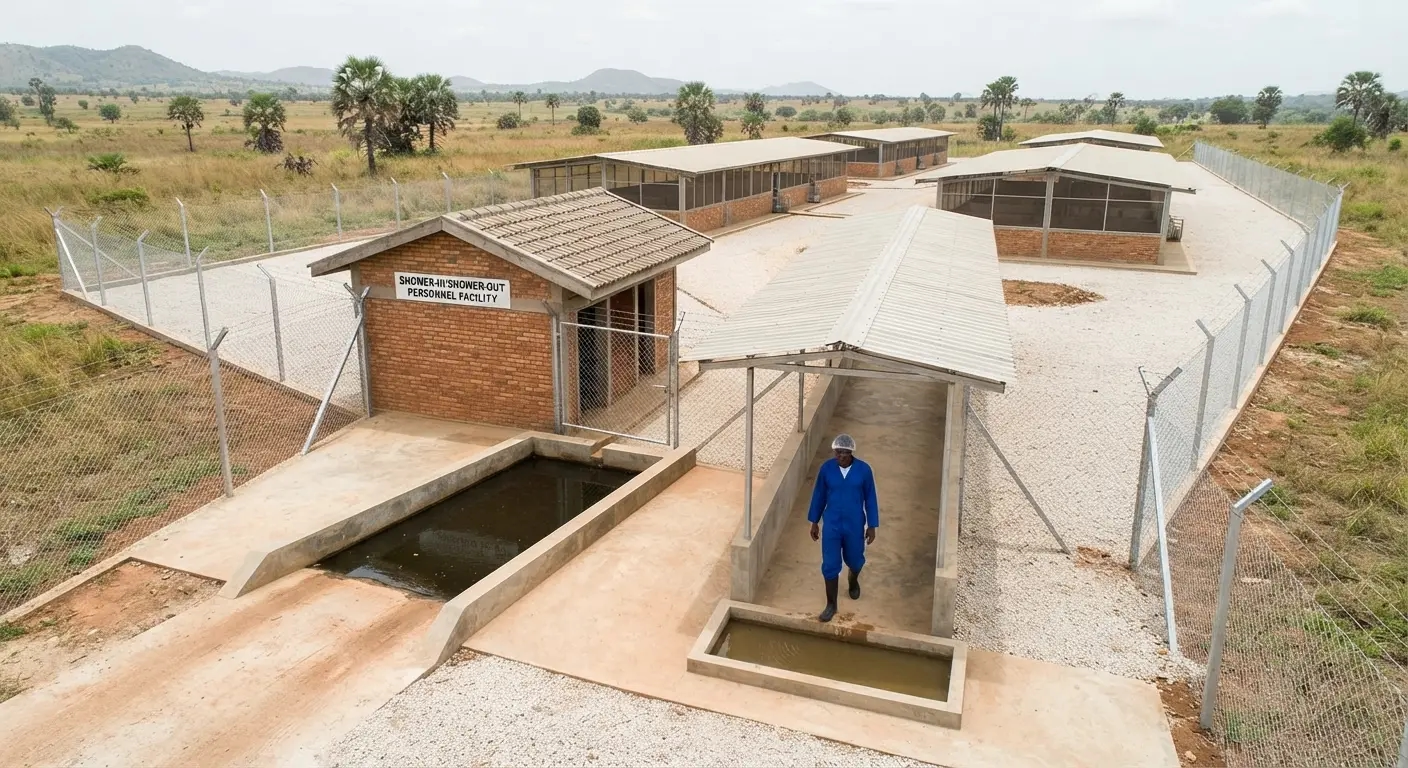
A commercial pig farm is one of the most financially rewarding agricultural enterprises available in West and Central Africa — and one of the most unforgiving of the startup decisions…
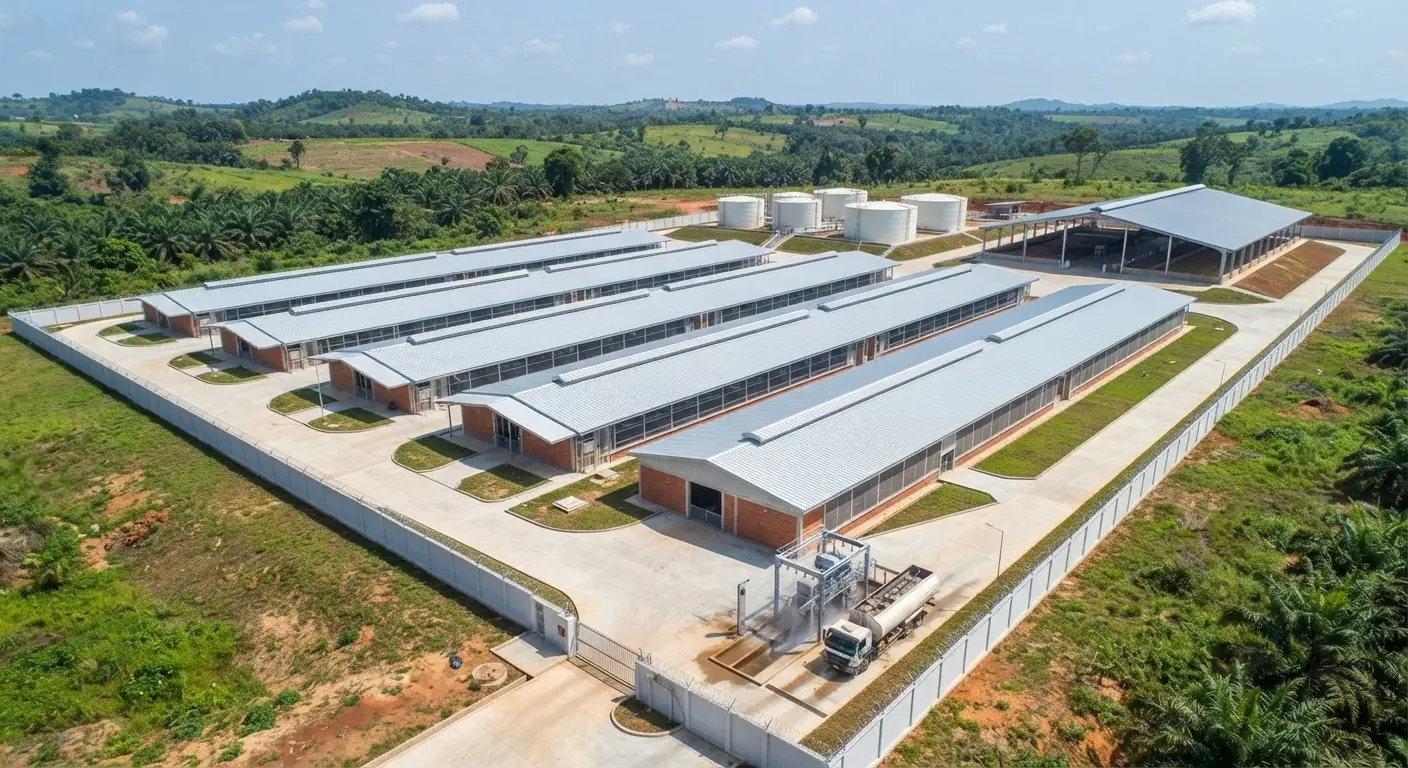
A piggery is a commercial facility for raising pigs — systematically, at scale, for profit. It is not a subsistence activity with a few backyard animals supplementing household food. It…
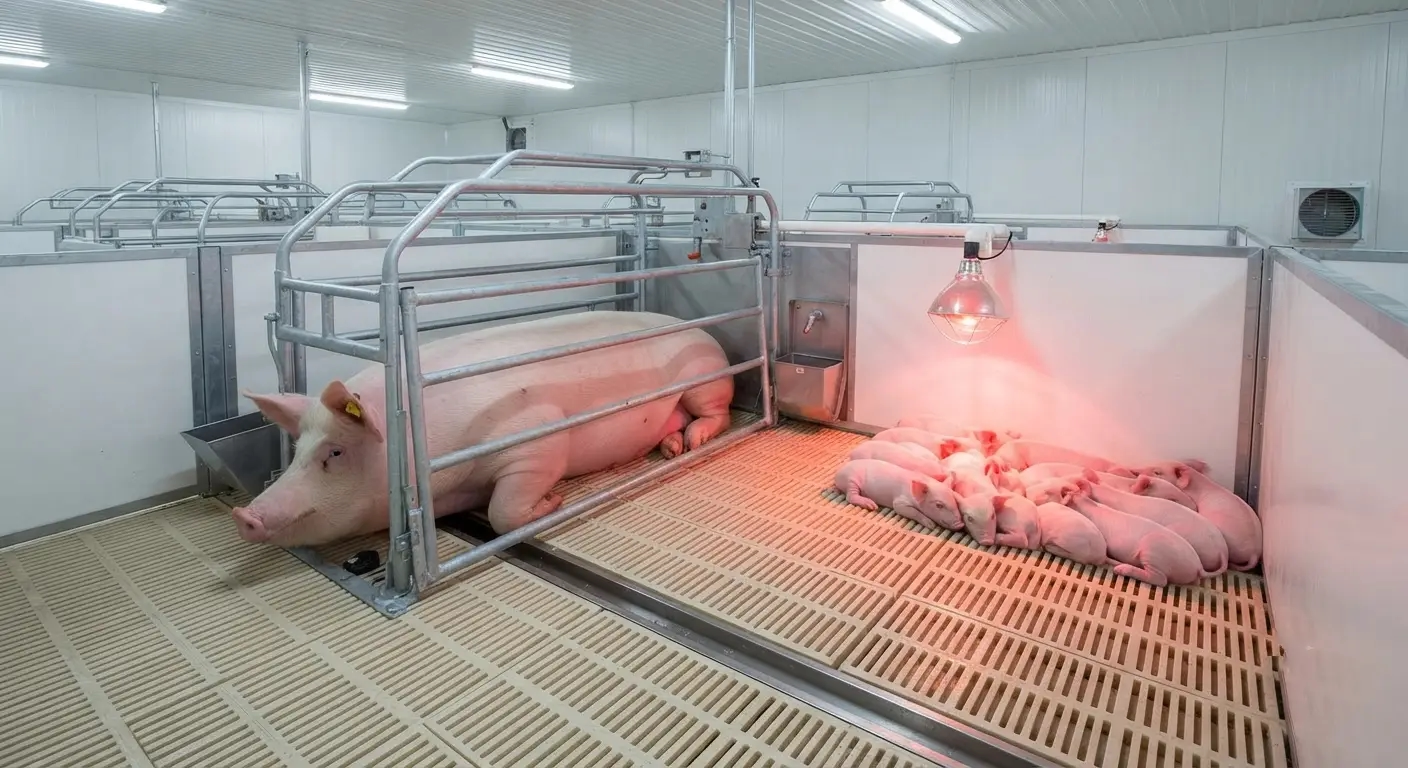
The 50-sow farrow-to-finish piggery represents a specific and important threshold in commercial pig production — large enough to generate the operating efficiency that makes the business genuinely financially compelling, small…
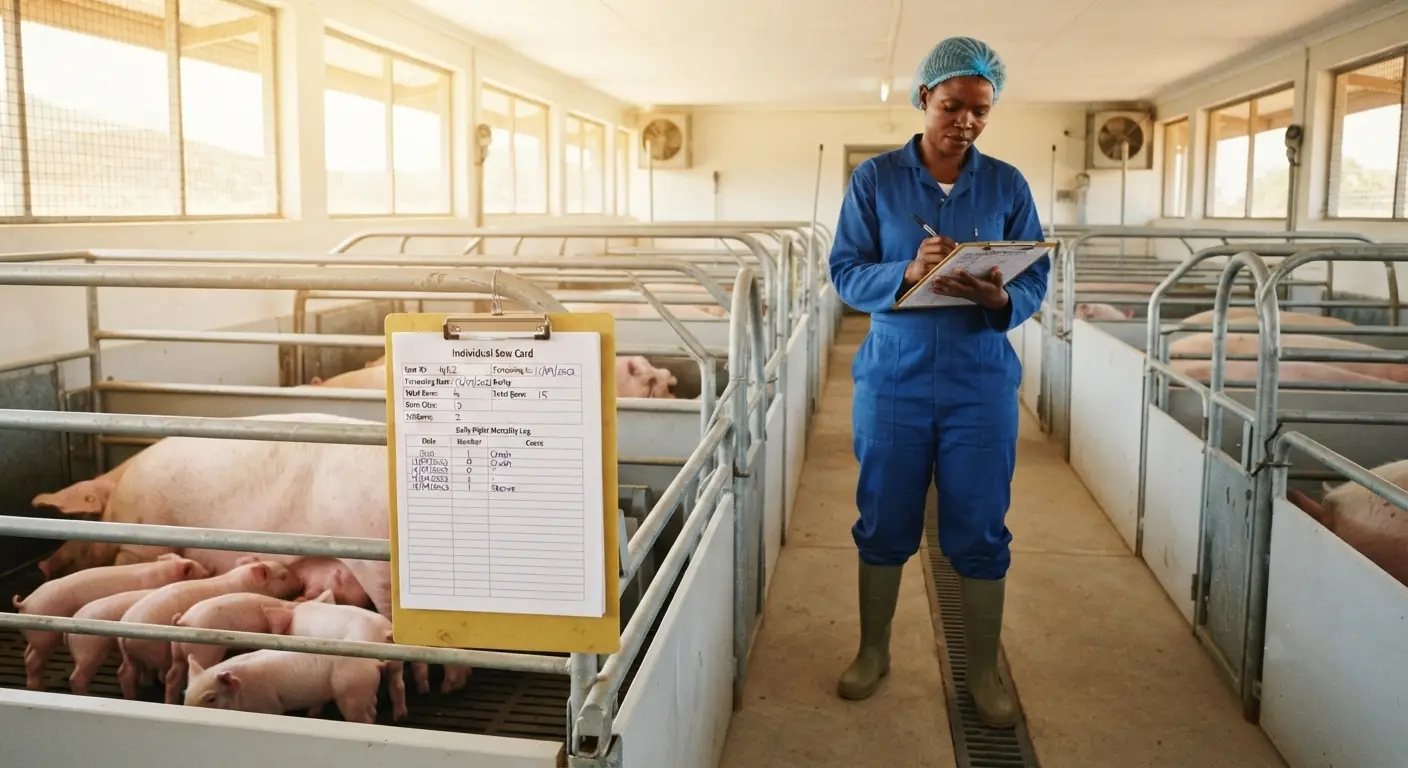
The difference between a commercial pig farm that consistently performs at or near its genetic and nutritional potential and one that persistently underperforms is rarely a single dramatic failure. It…
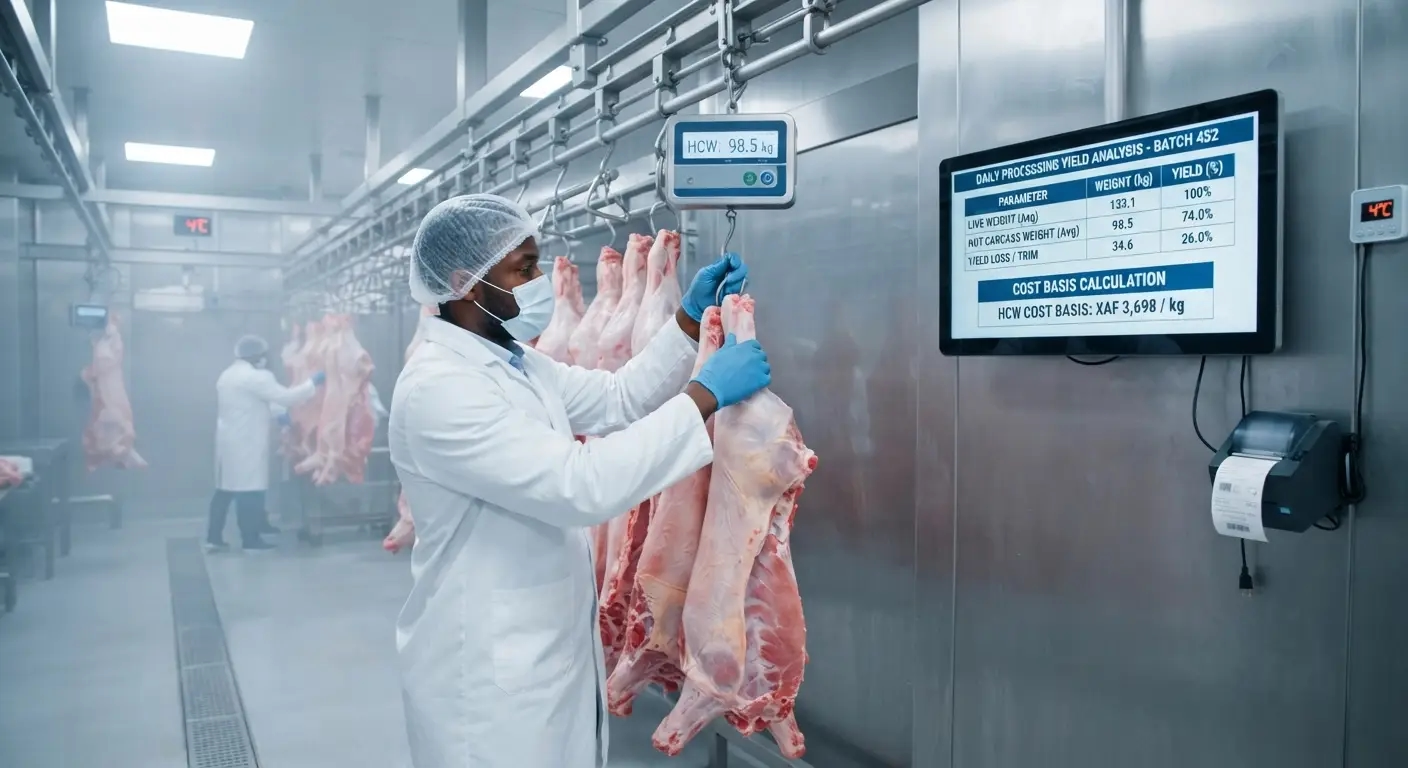
Total farm profit is a lagging indicator — it tells an operator whether the year was profitable only after it’s over. Cost per kilogram of pork produced is a leading…
Commercial piggeries rarely collapse from a single catastrophic event. Most failures trace back to a small set of recurring management errors that compound over months, eroding herd health, feed efficiency,…
Most piggery failures during expansion do not happen because the operator ran out of pigs to sell — they happen because the business scaled the herd faster than it scaled…
Two piggeries with the same sow herd, the same feed formulation, and the same housing can post PSY figures that differ by four or five pigs per sow per year…