Mycotoxin contamination is the problem that most West African commercial pig operations are carrying without knowing it. Not because the damage is absent — it is measurable, substantial, and recurring — but because its effects are distributed across multiple performance indicators (slightly worse FCR, slightly reduced daily gain, slightly more respiratory disease, slightly fewer pigs weaned per litter) rather than concentrated in a single dramatic clinical event that triggers investigation and response.
A finisher pig consuming feed contaminated with subclinical levels of deoxynivalenol does not stop eating dramatically and collapse. It eats somewhat less. It grows somewhat more slowly. Its immune response to respiratory challenge is somewhat more likely to fail. Each of these “somethats” is worth money — the same money that accumulates into the persistent performance gap between what a farm’s genetics and nutrition program should theoretically deliver and what the measured FCR, daily gain, and veterinary bill actually show.
The climate conditions of West and Central Africa — high humidity, high ambient temperatures, and the seasonal concentration of harvesting and drying challenges — create one of the more demanding mycotoxin risk environments in global livestock production. The combination of field contamination risk (pre-harvest mold growth during the crop’s development and at harvest) with the storage challenges of tropical conditions (keeping harvested grain below the moisture and temperature thresholds that prevent mold growth during the months between harvest and consumption) means that mycotoxin management is not an occasional concern in this context — it is a continuous management requirement.
This guide covers what mycotoxins are, which ones matter specifically for pig production, how to detect them, how to prevent their development in stored feed and ingredients, and what to do when contaminated material is identified or suspected.
Part 1: The Biology — What Mycotoxins Are and Why They Persist
What Makes a Mycotoxin
A mycotoxin (from the Greek mykes, meaning fungus, and toxikon, meaning poison) is a secondary metabolite produced by certain mold species under specific environmental stress conditions. Molds do not produce mycotoxins as part of their primary growth and reproduction — these toxic compounds appear to be produced as chemical defense responses when the fungus is under environmental stress (temperature extremes, drought stress during crop development, mechanical damage to plant tissue, competition with other microorganisms).
The critical practical implication of this biology: Mycotoxins can be present in grain or feed without visible mold growth, and can persist in material long after the mold that produced them has died. Killing the mold — through drying, heat treatment, or antifungal treatment — does not destroy mycotoxins already produced. The toxin is chemically stable and remains biologically active in the feed unless specifically degraded by chemical or biological means (discussed in mitigation strategies below).
Conversely, visible mold growth on grain or feed does not automatically mean the material contains dangerous levels of mycotoxins — not all mold species produce toxins, and the conditions required for toxin production are distinct from the conditions required for mold growth. Visual assessment is therefore both a false assurance (no visible mold does mean no mycotoxins) and a false alarm in the other direction (visible mold does not always mean significant mycotoxin load).
The Most Important Mycotoxins for Pig Production
Aflatoxins (produced primarily by Aspergillus flavus and Aspergillus parasiticus):
The most carcinogenic naturally occurring compounds known. In pig production, aflatoxin B1 (the most potent form) produces liver damage at sub-acute doses, immune suppression at doses below the threshold for liver damage, reduced growth and FCR, reproductive impairment (reduced litter size, increased reproductive failure in sows and reduced semen quality in boars), and increased susceptibility to other diseases. The liver is the primary site of action — aflatoxin B1 is converted to a reactive epoxide intermediate in the liver that forms DNA adducts, disrupting normal hepatocyte function and causing the characteristic hepatotoxic and carcinogenic effects.
West African production relevance: Very high. Aspergillus species thrive in the warm, humid conditions characteristic of maize and groundnut storage in much of West and Central Africa, and pre-harvest aflatoxin contamination of maize is documented at concerning rates across the region, particularly in years with drought stress during grain-filling stages followed by humid harvest and post-harvest conditions.
Maximum tolerated levels for pigs (general guidance): Below 20 ppb (μg/kg) total aflatoxin — stricter limits apply for starter-phase pigs and breeding animals.
Deoxynivalenol (DON, also called vomitoxin; produced by Fusarium graminearum and related species):
DON is the mycotoxin with the most direct and measurable effect on voluntary feed intake in pigs — pigs are the most sensitive livestock species to DON, making DON contamination in pig feed a particular concern. DON acts on the central nervous system to suppress appetite (the “vomitoxin” name reflects the nausea and vomiting seen at higher exposure levels, though chronic subclinical exposure at lower levels produces feed intake depression without overt vomiting) and simultaneously damages the gastrointestinal epithelium, reducing nutrient absorption efficiency.
West African production relevance: Moderate to high. Fusarium species infect maize and sorghum during the growing season, particularly in years with wet weather during flowering and grain development. DON contamination of regional maize crops is documented, though generally at lower frequency than aflatoxin in the driest production zones, with higher prevalence in higher-rainfall areas.
Maximum tolerated level for pigs: Below 1,000 ppb (1 ppm) — pigs show measurable feed intake reduction at levels as low as 1–2 ppm, with significant performance impact above 3–5 ppm.
Zearalenone (ZEN; produced by Fusarium species, often co-occurring with DON):
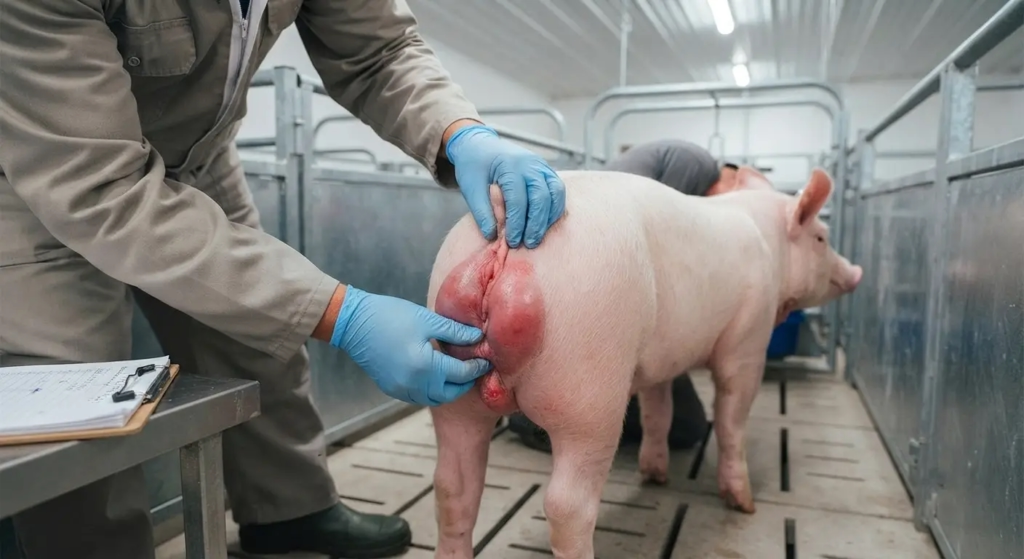
ZEN is a non-steroidal estrogenic compound — it binds to estrogen receptors and mimics estrogen’s biological effects in the body. In pigs, this estrogenic activity produces characteristic reproductive disruption: swollen, edematous vulvas in prepubertal gilts and sows (hyperestrogenism), disrupted estrus cycling, reduced conception rates, increased embryonic mortality, reduced litter size, and in breeding boars, reduced libido and semen quality. The hyperestrogenism syndrome (visibly swollen vulvas in gilts or non-breeding sows, sometimes progressing to rectal or vaginal prolapse at higher exposures) is one of the few mycotoxin effects with a pathognomonic (disease-characteristic) clinical sign that allows field diagnosis without laboratory testing.
West African production relevance: Moderate. Co-occurrence with DON in Fusarium-contaminated maize is common — operations experiencing DON contamination should consider ZEN co-contamination as a concurrent risk, particularly where reproductive performance issues accompany feed intake depression.
Maximum tolerated level for pigs: Below 100–200 ppb for breeding animals (significantly more sensitive than finishing pigs); below 250 ppb for finishing pigs.
Ochratoxin A (OTA; produced by Aspergillus ochraceus and Penicillium species):
OTA primarily damages the kidney (nephrotoxic), impairing the kidney’s function as the primary organ for filtration of waste products from the blood. In pigs, chronic OTA exposure produces kidney lesions, impaired immune function, and — at higher doses — growth depression and increased mortality. The kidney damage from OTA may not produce obvious clinical signs until significant chronic exposure has accumulated, making it another mycotoxin whose subclinical effects on production performance (worsened FCR, increased disease susceptibility, subtle growth depression) may be attributed to other causes without laboratory investigation.
West African production relevance: Moderate, particularly associated with stored grain and groundnut products in areas with temperature cycling that creates condensation moisture conditions in storage.
Fumonisins (produced by Fusarium verticillioides and related species):
Less acutely toxic to pigs than some other mycotoxins but documented to impair the absorption of folic acid and other nutrients, reduce growth performance at subclinical exposure levels, and potentially increase the severity of respiratory disease by impairing pulmonary immune defense mechanisms. Fumonisins are among the most prevalent mycotoxins in African maize, documented in surveys at high frequency across the region.
West African production relevance: High prevalence documented in regional maize surveys, though acute toxicity in pigs at field-relevant contamination levels is less severe than aflatoxin or ZEN.
Part 2: The West African Risk Environment — Why This Geography Is High-Risk
The Pre-Harvest Contamination Window
Mycotoxin contamination begins in the field, not in the storage facility. Several field-level factors create the pre-harvest contamination risk that is particularly pronounced in West and Central Africa:
Drought stress during grain development followed by humid conditions at harvest: This combination — which characterizes the growing season pattern in much of the region’s maize-producing areas — is particularly favorable for Aspergillus aflatoxin production. The mold establishes in stressed plant tissue during drought, produces aflatoxin as a stress response, and the subsequent humid conditions at harvest prevent rapid drying of the harvested grain.
Insect damage: Maize stalk borers, weevils, and other insects create entry points for mold infection that dramatically increase the probability of contamination relative to undamaged grain. Insect infestation in the field and during early storage is both a direct loss mechanism and a significant mycotoxin risk amplifier.
Delayed harvest or delayed post-harvest drying: Maize left standing in the field beyond physiological maturity (particularly during wet weather), or harvested maize left in piles before drying, provides ideal conditions for mold colonization and toxin production — the moisture content of standing or freshly harvested grain (typically 25–35%) is well above the safe storage threshold.
The Storage Risk Window
Even grain that is harvested without significant pre-harvest contamination can develop mycotoxin contamination during storage if:
Moisture content at storage exceeds 14%: At moisture content above 13–14%, mold growth can occur in stored grain at West African ambient temperatures. At 14–16% moisture, mold growth is possible during warm periods. Above 17–18%, active mold growth and potentially rapid mycotoxin accumulation can occur within days to weeks in warm storage conditions.
Temperature fluctuations create moisture migration: In partially sealed metal grain stores (a common storage type in the region), temperature differentials between day and night cause moisture to migrate within the grain mass — hot, moist air rising as temperatures increase and condensing on cooler upper or surface layers, creating locally high-moisture zones even in otherwise adequately dried bulk grain.
Insect activity in stored grain: Grain weevils, psyllids, and other storage insects generate heat and moisture through their metabolic activity within stored grain, creating hot spots where moisture content and temperature both favor mold growth even when surrounding grain is within safe parameters.
Part 3: Detection — Knowing What You Are Dealing With
Visual Inspection — Useful but Limited
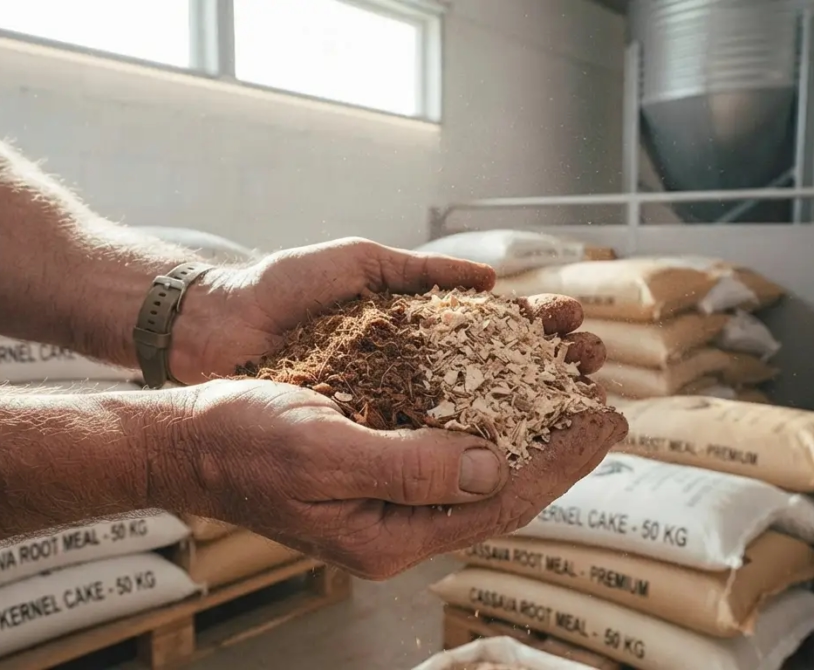
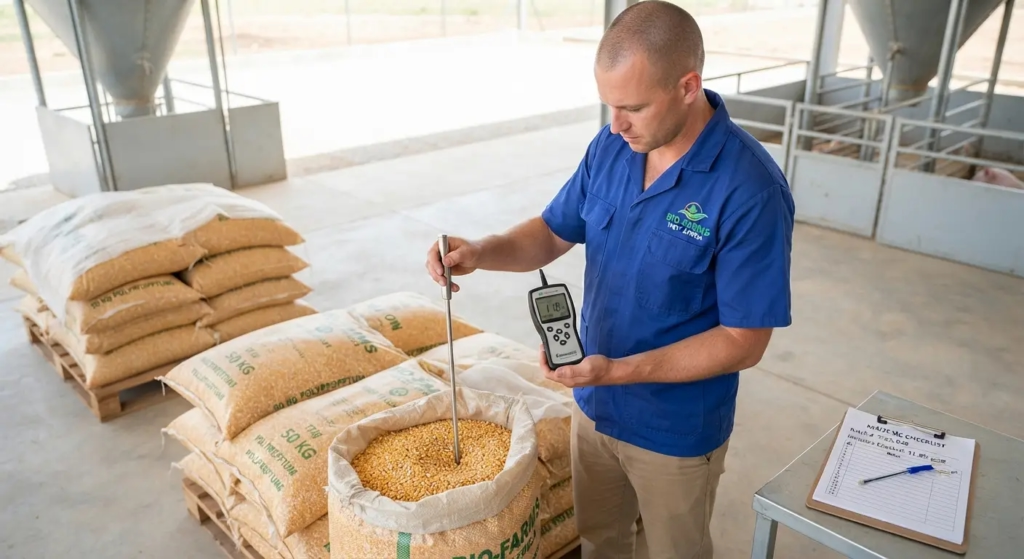
Visual inspection of grain and feed ingredients for signs of mold growth (discoloration, visible mycelial growth, dusty appearance from spore release, clumping from mycelial binding of grain particles) and evidence of insect activity (webbing, insect frass, visible insects) provides a first-tier screen that should be performed on every incoming ingredient batch and on stored material at regular intervals.
The limitations of visual inspection:
- Mycotoxins can be present at significant concentrations without visible mold
- Some visible mold does not produce meaningful mycotoxin levels
- Early-stage contamination before visible mold development cannot be detected visually
- Sampling bias is significant — mold contamination is not uniformly distributed throughout a grain batch; “hot spots” of heavy contamination can be interspersed with visually clean material
What to look for:
- Any blue-green, black, or white mold growth on grain surface or between kernels
- “Sick” kernels: shrunken, discolored, with a powdery or dusty surface appearance
- Off-odor: musty, earthy, or rancid smell beyond the characteristic normal grain smell
- Unusual heating within a grain pile (hot spots when probing with a hand or thermometer)
- Signs of insect activity: webbing between grain kernels, insect frass (waste material), visible live or dead insects
Rapid Testing Methods
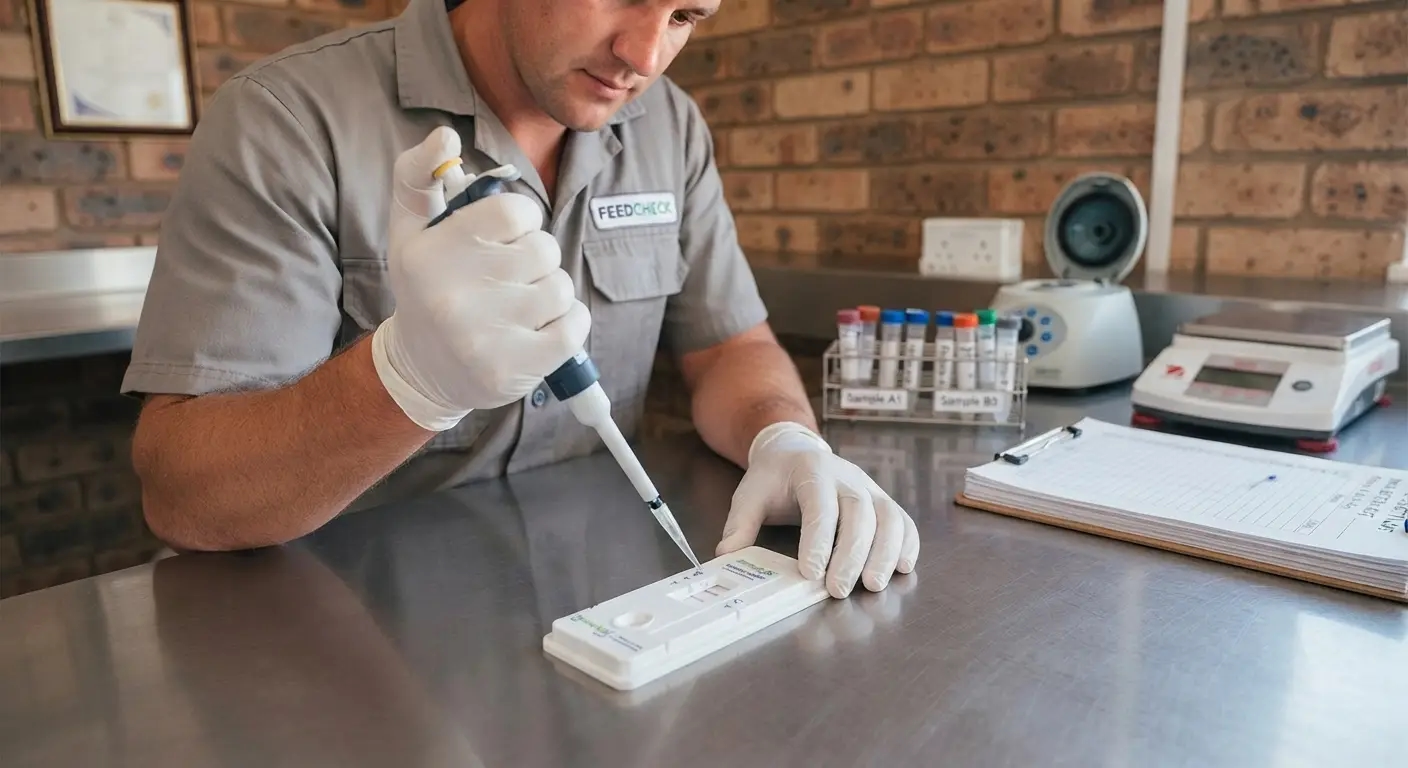
Lateral flow immunoassay strips (rapid test kits): Qualitative or semi-quantitative rapid tests for specific mycotoxins (aflatoxin, DON, ZEN, OTA) are available in kit form from agricultural diagnostic suppliers — requiring a simple extraction step with the provided solvent and application to the test strip, with results readable in 5–10 minutes by comparison with a control line.
These tests are not as quantitatively precise as laboratory ELISA or HPLC methods, but provide a practical field-level screening tool that can identify batches with contamination above the threshold of concern without the delay and cost of laboratory submission. Cost per test varies but is typically in the range of XAF 5,000–15,000 (USD 8–25) per individual test, making them economically accessible for screening incoming ingredient batches or investigating suspected contamination events.
Laboratory ELISA (enzyme-linked immunosorbent assay): More quantitatively precise than rapid strip tests, available through agricultural laboratories in major West African cities. Provides specific concentration measurement (in ppb/μg/kg) for the targeted mycotoxin. Cost: XAF 20,000–60,000 (USD 33–100) per sample per mycotoxin, with results typically available within 2–5 business days.
Laboratory HPLC (high-performance liquid chromatography): The gold standard quantitative method, capable of simultaneously measuring multiple mycotoxins from a single sample extract with high sensitivity and precision. Reserved for situations where precise quantification is critical (regulatory compliance testing, insurance claims, supplier dispute resolution) rather than routine monitoring.
Sampling Protocol for Meaningful Results
Mycotoxin contamination is notoriously heterogeneously distributed in grain batches — a phenomenon sometimes called the “hotspot” distribution, where high-contamination pockets are interspersed with relatively clean material. A single sample taken from one point in a grain bag or storage pile may dramatically misrepresent the overall contamination level of the batch.
Representative sampling requires:
- Taking multiple small sub-samples from different positions within the batch (top, middle, bottom of bags or storage containers; at least 5–10 sub-sample points for a 5-tonne+ batch)
- Thoroughly mixing all sub-samples into a single composite sample before testing
- Grinding the composite sample before extraction for testing (since contamination is concentrated in specific damaged kernels, and grinding ensures those kernels are represented proportionally in the extract rather than potentially excluded if they are not in the small aliquot transferred for testing)
A single “grab sample” from the surface of a grain bag, however quick and convenient, is not a reliable basis for making a safety determination about the entire batch.
Part 4: Prevention — Where the Cost Leverage Is Highest
Mycotoxin management follows the same hierarchy as most agricultural risk management — prevention at each stage is significantly cheaper than mitigation after contamination has occurred, and pre-storage prevention is significantly cheaper than detecting and managing contamination during or after storage.
At Ingredient Sourcing and Receiving
Supplier selection and verification: Where options exist, source major feed ingredients (particularly maize, the highest-volume and often highest-risk ingredient) from suppliers with documented post-harvest handling practices — prompt drying after harvest, storage in sealed, rodent- and insect-excluded facilities, and ideally with a track record of low contamination incidence from previous deliveries.
Reject high-risk batches at delivery: Any batch showing visible mold, unusual off-odor, insect infestation, or moisture content above 14% (verified with a handheld moisture meter at receiving) should be rejected before entry into the farm’s storage system. The value of the rejected batch is always less than the potential contamination risk it introduces — both to the existing stored material it might contaminate and to the pig health consequences of feeding it.
Moisture meter at receiving: A basic digital grain moisture meter (cost: XAF 60,000–150,000 / USD 100–250) is one of the most cost-effective investments in a feed quality management program, allowing rapid quantitative moisture assessment of every incoming batch rather than relying on visual estimation of dryness.
Storage Facility Management
Target moisture and temperature conditions:
| Condition | Safe Range | Risk Zone | High-Risk Zone |
|---|---|---|---|
| Grain moisture content | Below 13% | 13–15% | Above 15% |
| Storage temperature | Below 25°C | 25–30°C | Above 30°C |
| Relative humidity (storage air) | Below 70% | 70–80% | Above 80% |
Physical facility requirements:
- Dry floor (concrete slab or sealed earthen floor sealed against ground moisture migration, with a raised threshold to prevent surface water ingress)
- Roof without active leaks — any roof damage that allows rain ingress creates immediate local moisture contamination risk to stored material beneath the damage point
- Rodent exclusion — as detailed in storage guidance in feed mixing and facility articles in this series, rodents are both direct consumers of stored grain and entry points for moisture and mold contamination
- Adequate ventilation — stagnant air in a sealed storage space allows moisture and CO₂ from grain respiration to accumulate, increasing local humidity and mold risk
- Separation of different ingredient batches — do not mix new incoming grain with existing stored grain without verifying the new batch’s quality; contaminated material added to clean existing stock contaminates the entire stored quantity
Grain drying before storage: Where received grain moisture exceeds 14%, drying before storage is not optional — it is the primary prevention step. Sun-drying on clean, dry surfaces is the most accessible drying method for smaller operations, though it requires favorable weather conditions and sufficient surface area for the grain volume to be processed. Mechanical dryers (heated air dryers, heated flat-bed dryers) allow more rapid and weather-independent drying at additional capital and fuel cost justified by the scale of the operation’s grain procurement volume.
Chemical Preservatives
Propionic acid and propionic acid-based preservatives: Applied to stored grain or mixed feed at recommended rates (typically 0.5–2.0 kg per tonne of grain, adjusted based on initial moisture content and intended storage duration), propionic acid and its ammonium salt (ammonium propionate) provide antifungal activity that suppresses mold growth during storage, allowing somewhat higher-moisture grain to be safely stored than would otherwise be possible without mold development.
Practical application: Propionic acid is typically applied by spraying onto grain during loading into storage, using a metered application system to achieve uniform distribution. Direct handling requires appropriate PPE (chemical-resistant gloves, eye protection) given propionic acid’s corrosive properties at full concentration.
Cost: XAF 1,500–3,500 (USD 2.50–5.83) per kilogram of propionic acid product — a modest per-tonne treatment cost relative to the value of the grain being protected and the cost of mycotoxin contamination it prevents.
First-In, First-Out Inventory Management
As emphasized in feed storage guidance across the nutrition articles in this series, FIFO (first-in, first-out) management ensures stored grain and feed do not accumulate to age beyond the point where natural degradation and potential contamination risk become significant. Older material should be used before newer incoming batches, and visible labeling or physical separation of different delivery batches within the storage facility supports this discipline.
Part 5: Mitigation — Managing Contaminated Material
When contaminated material is identified (whether through testing, clinical signs in pigs, or post-mortem findings), the response must balance the financial pressure to use available feed against the health and production consequences of feeding contaminated material.
Dilution
Diluting contaminated grain with clean grain to bring the final blend’s mycotoxin concentration below the maximum tolerated level is theoretically straightforward but carries significant risks in practice:
The blending risk: If the original contamination is not quantified precisely, blending to a “safe” level based on estimated contamination is uncertain — the final blend may be above or below the target depending on how accurately the contaminated fraction’s concentration was estimated.
Regulatory considerations: In formal feed production contexts (commercial feed mills supplying third parties), deliberate blending of contaminated material with clean material to “dilute” the contamination into a commercially saleable product may be prohibited under feed safety regulations — verify local regulatory requirements before implementing a dilution strategy.
Where dilution is appropriately used: When laboratory testing has provided a specific contamination level for the affected material, dilution calculation to achieve a specific, verified reduction in the blend is a legitimate mitigation approach, applied with the quantitative precision the calculation requires.
Mycotoxin Binders (Adsorbents)
Mycotoxin binder products — mineral or organic adsorbent materials included in the feed at rates specified by the manufacturer — bind specific mycotoxins within the gastrointestinal tract, reducing their absorption across the intestinal wall and increasing their excretion in feces. This reduces the biologically effective dose reaching the pig’s systemic circulation without requiring removal of the contaminated feed from use.
Mineral binders (clay-based: montmorillonite, bentonite, phyllosilicate clays, clinoptilolite zeolites):
The most well-characterized binders for aflatoxin specifically. These minerals have surface chemistries that bind aflatoxin molecules with high affinity, effectively preventing their absorption. Their selectivity is primarily for aflatoxin — they are significantly less effective against other mycotoxins (DON, ZEN, OTA, fumonisins).
Inclusion rates: 0.5–2.0 kg per tonne of feed, following manufacturer specifications.
Limitation: High mineral binder inclusion rates can also bind certain nutrients (vitamins, minerals), potentially reducing their bioavailability — formulations including binders at the higher end of the recommended range may require modest compensating adjustment to maintain full nutrient delivery.
Organic binders (yeast cell wall components — mannan oligosaccharides, beta-glucans; activated charcoal; modified cellulose products):
Broader-spectrum than mineral binders across the range of mycotoxins of concern, though with generally lower binding affinity for any single mycotoxin compared to the highly specific mineral binders for aflatoxin. Yeast cell wall products (derived from Saccharomyces cerevisiae processing) have the additional potential benefit of immune-modulating properties that may partially offset the immune-suppressive effects of mycotoxin exposure.
Commercial combination products: Many commercial mycotoxin binder products combine mineral and organic binder components, attempting to capture the high aflatoxin-binding efficiency of mineral binders with the broader-spectrum activity of organic components — these combination products are the most practically applicable category for operations managing mixed mycotoxin contamination risk (which is typical in West African production contexts where aflatoxin, fumonisins, and potentially DON or ZEN may all be present simultaneously).
Cost of binder supplementation: Approximately XAF 20,000–60,000 (USD 33–100) per tonne of feed for commercial combination binder products at recommended inclusion rates — a real cost that must be weighed against the production losses from not addressing mycotoxin contamination.
Biological and Chemical Degradation
Certain bacterial species (Lactobacillus, Bacillus species) and fungal species produce enzymes capable of degrading specific mycotoxins — deoxynivalenol and zearalenone are among the mycotoxins for which enzymatic degradation products have been identified and commercial products utilizing this mechanism are available. These biological degradation products may offer an alternative or complement to adsorption-based binders for specific mycotoxin challenges, though their efficacy varies with application conditions and requires verification for the specific mycotoxin and product combination being evaluated.
Ammonia treatment of aflatoxin-contaminated grain (ammoniation) is a well-documented chemical degradation approach capable of substantially reducing aflatoxin levels, but requires specialized application equipment and handling precautions that make it more accessible at commercial mill level than at individual farm level.
When to Refuse Feed Use Entirely
For any ingredient or mixed feed showing contamination levels significantly above maximum tolerated thresholds — particularly aflatoxin above 100 ppb, or ZEN above 500 ppb in material destined for breeding animals — the correct response is disposal rather than mitigation. The production consequences and, for aflatoxin, the human food safety implications of mycotoxin residues in pork from heavily contaminated pigs make the economic case for using heavily contaminated material extremely weak regardless of mitigation measures applied.
Disposal: Contaminated grain disposed of through deep burial (away from water sources, livestock areas, and areas accessible to wildlife) or through controlled incineration where available is the safest management approach for severely contaminated material.
Part 6: Monitoring as a Continuous Program
The Monitoring Calendar
Mycotoxin risk is not constant throughout the year in West and Central Africa — it follows a seasonal pattern that should drive the monitoring calendar:
Highest risk periods:
- Immediately post-harvest, when freshly harvested grain enters storage at potentially marginal moisture content
- Late dry season / early rainy season transition, when temperature and humidity swings create condensation conditions in stored grain
- During prolonged rainy periods that compromise outdoor drying and create high ambient humidity in storage facilities
Monitoring actions by season:
| Period | Recommended Action |
|---|---|
| At each ingredient delivery | Moisture meter check; visual inspection; rejection protocol for non-conforming batches |
| Monthly (standard) | Visual inspection of stored material; temperature probing of grain piles; random batch moisture verification |
| At harvest season transition | Rapid test strip screening of incoming new-season grain for aflatoxin at minimum |
| If production performance declines unexpectedly | Immediate laboratory testing for the primary suspect mycotoxins (aflatoxin, DON, ZEN based on production signs) |
Connecting Mycotoxin Monitoring to Production Performance Surveillance
The most cost-effective mycotoxin monitoring program integrates mycotoxin risk periods with production performance tracking — using FCR, daily gain, feed intake levels, and reproductive performance data as leading indicators that trigger investigation when they deviate from expected benchmarks.
An unexplained FCR increase during a period of high mycotoxin risk (post-harvest season, after a batch of ingredients from a new or unverified supplier) is a signal to prioritize mycotoxin testing as part of the diagnostic investigation, rather than attributing the performance decline to vague “management” factors without testing the specific, quantifiable hypothesis that contaminated feed is the cause.
Summary
Mycotoxin contamination is the silent margin-eroder of West African pig production — consistently present at subclinical levels across a meaningful proportion of the region’s feed supply in any given year, producing the distributed performance losses (worsened FCR, reduced daily gain, compromised reproductive performance, suppressed immune defense) that most farms absorb as unexplained variability rather than diagnosing as a specific, addressable feed quality problem.
The control framework has four components, each building on the previous:
Prevention at sourcing and storage — moisture meter at receiving, visual inspection, supplier verification, dry storage conditions, propionic acid preservation, FIFO inventory management — addresses the contamination risk before it develops or enters the feed supply.
Detection through monitoring — rapid test strips for routine screening, laboratory ELISA for quantification when needed, composite sampling protocols that reflect actual batch contamination patterns rather than individual grab samples — ensures contamination is identified rather than fed unknowingly.
Mitigation for contaminated material — appropriate binder supplementation, dilution with quantified precision, biological degradation products for specific mycotoxins — reduces the biologically effective dose when contaminated material is identified and a decision is made to use it with management.
Disposal of severely contaminated material — the decision that the financial pressure to use available feed must not override when contamination levels exceed safe thresholds.
The cost of this program — moisture meters, occasional rapid testing, binder supplementation during high-risk periods, propionic acid treatment — is a fraction of the production loss that mycotoxin contamination inflicts in its absence. The arithmetic is consistently favorable. The management discipline required to implement it consistently is the only limiting factor.