Definition and Overview of Agriculture and Horticulture
Agriculture and horticulture are two closely related branches of farming, but they differ in purpose, scale, and methods.
Agriculture focuses on large-scale production of staple crops and livestock such as cereals, grains, oilseeds, and animal products. Its main goal is high yield and food security.
Horticulture, on the other hand, deals with the cultivation of fruits, vegetables, herbs, flowers, and ornamental plants. It emphasizes plant quality, diversity, and specialized care rather than mass production.
While both involve cultivating land to produce crops, agriculture is generally commercial and large-scale, whereas horticulture is more intensive and detail-focused.
Agricultural Management
Agricultural management refers to the planning, organization, and supervision of farming operations to achieve maximum productivity and sustainability.
Key components include:
1. Soil Preparation
Proper soil preparation creates ideal conditions for plant growth by improving soil structure and fertility.
Essential steps:
-
Remove weeds and debris
-
Till or plow the soil
-
Add organic matter (compost or manure)
-
Balance soil pH
-
Test nutrient levels before planting
Healthy soil directly impacts crop yield and long-term land productivity.
2. Crop Management
Crop management involves using techniques that enhance crop growth and quality.
Important practices include:
-
Fertility management
-
Irrigation scheduling
-
Pest and disease control
-
Harvest planning
-
Post-harvest handling
Crop rotation is especially important because it helps maintain soil nutrients and reduces pest problems.
3. Pest Control
Pest management protects crops from insects, diseases, and animals.
Modern farming uses Integrated Pest Management (IPM), which includes:
-
Monitoring pest populations
-
Using resistant crop varieties
-
Applying biological control methods
-
Using chemicals only when necessary
This approach helps protect crops while reducing environmental damage.
4. Irrigation Management
Irrigation ensures crops receive adequate water for growth.
Common irrigation systems include:
| System | Best For | Key Benefit |
|---|---|---|
| Drip Irrigation | Vegetables, orchards | Water efficiency |
| Surface Irrigation | Large fields | Low cost |
| Sprinkler Irrigation | Uniform crops | Even water distribution |
Efficient irrigation improves crop productivity and conserves water resources.
5. Harvesting
Harvesting involves collecting crops at the right maturity stage to ensure quality and yield.
Key considerations:
-
Timing
-
Proper tools and equipment
-
Careful handling
-
Suitable storage methods
Good harvesting practices reduce losses and improve market value.
Horticultural Management
Horticultural management focuses on cultivating high-value plants with special care and precision.
Key activities include:
-
Nursery management
-
Propagation techniques
-
Soil fertility control
-
Plant training and pruning
-
Environmental regulation
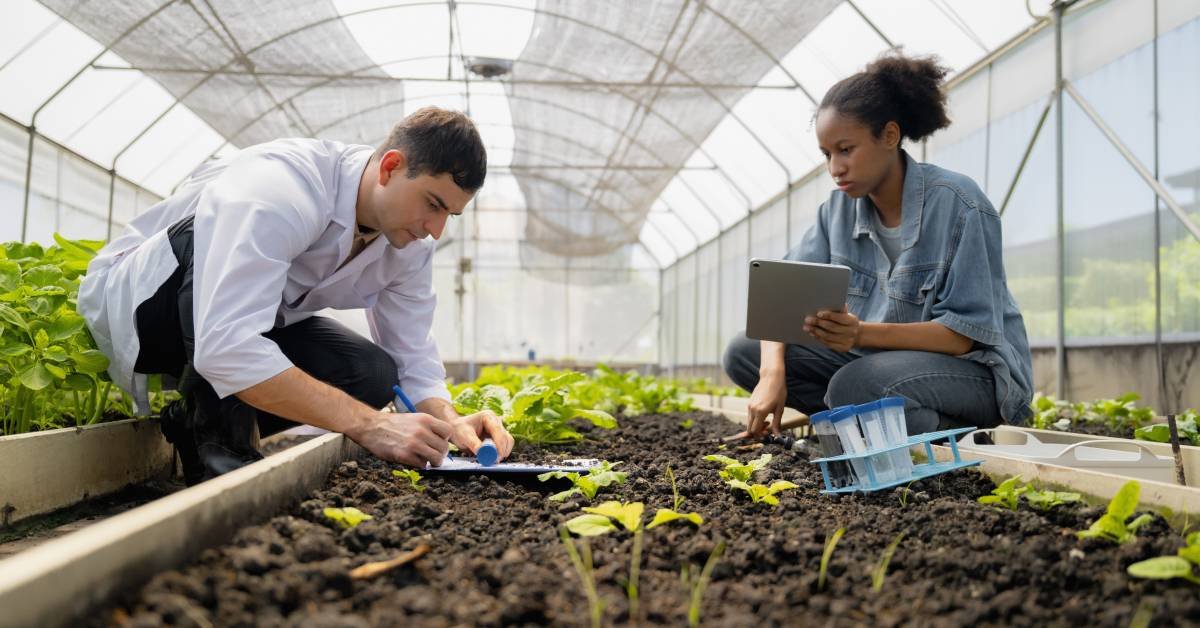
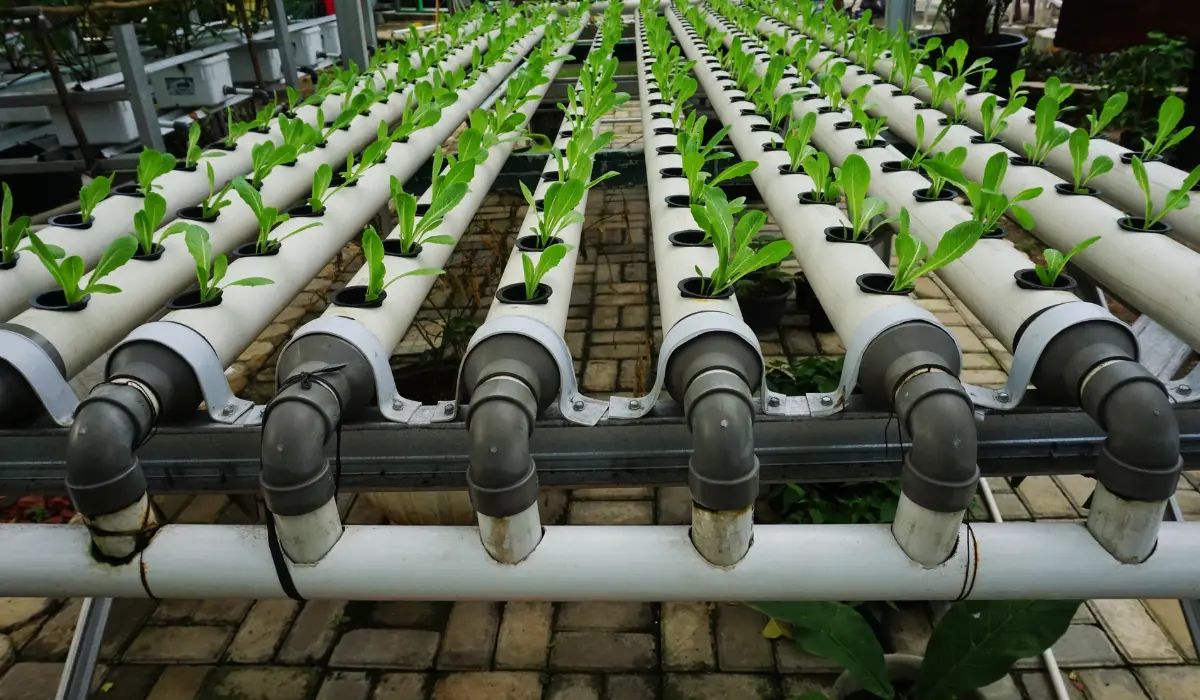
Horticulture often uses modern technologies such as greenhouses, automation, and precision farming tools.
Major Differences Between Agriculture and Horticulture
1. Crop Diversity
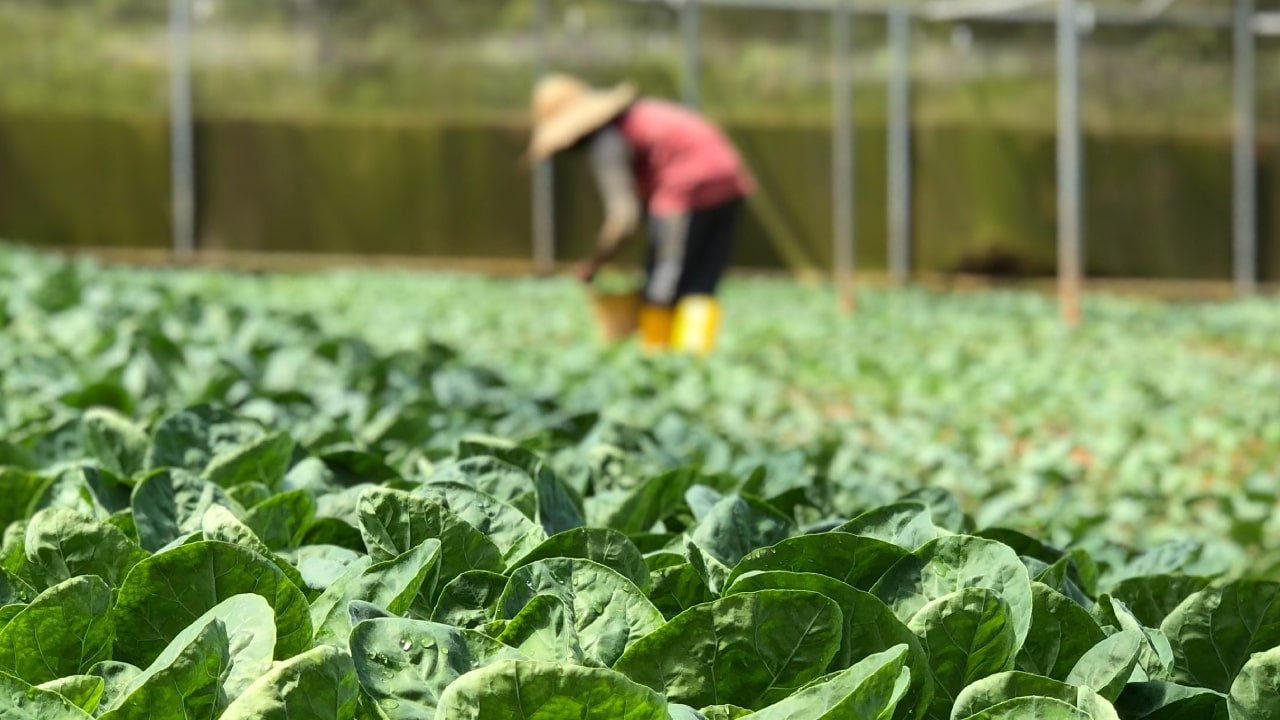
Agriculture usually grows a few crop types on large land areas, while horticulture cultivates diverse plants on smaller plots.
2. Farm Size
| Agriculture | Horticulture |
|---|---|
| Large-scale farms | Small to medium plots |
| Mechanized operations | Manual and intensive care |
3. Production Output
Agriculture prioritizes high volume, while horticulture focuses on high quality and specialized products.
4. Profitability
Agriculture generates revenue through bulk production, while horticulture often earns higher profit margins from specialty crops like fruits, flowers, and herbs.
5. Labor Intensity
Agriculture relies heavily on machinery, while horticulture requires more manual labor due to specialized plant care.
6. Technology Use
Agriculture uses heavy machinery such as tractors and harvesters, whereas horticulture relies more on precision tools and controlled environments.
Similarities Between Agriculture and Horticulture
Despite their differences, both practices share common principles:
1. Land Use
Both involve soil preparation, irrigation, crop rotation, and pest control.
2. Relationship with Nature
Both depend heavily on climate conditions, soil health, and sustainable resource management.
3. Economic Importance
Agriculture and horticulture both contribute significantly to employment, food security, and national economies. Organizations like the Food and Agriculture Organization emphasize integrating both practices for sustainable food systems.
Conclusion
Agriculture and horticulture play vital roles in global food production and environmental sustainability.
-
Agriculture ensures a large-scale food supply.
-
Horticulture enhances nutrition, biodiversity, and high-value crop production.
Many modern farmers now combine both approaches to create efficient, sustainable farming systems.
Frequently Asked Questions
What is the main difference between agriculture and horticulture?
Agriculture focuses on large-scale food production, while horticulture emphasizes the cultivation of fruits, vegetables, and ornamental plants.
Which is more profitable?
Horticulture often has higher profit margins per unit, while agriculture generates higher overall revenue due to bulk production.
Can a farm practice both?
Yes. Many farms combine agriculture and horticulture for diversified income and sustainability.
Which requires more labor?
Horticulture typically requires more manual labor because plants need specialized care.