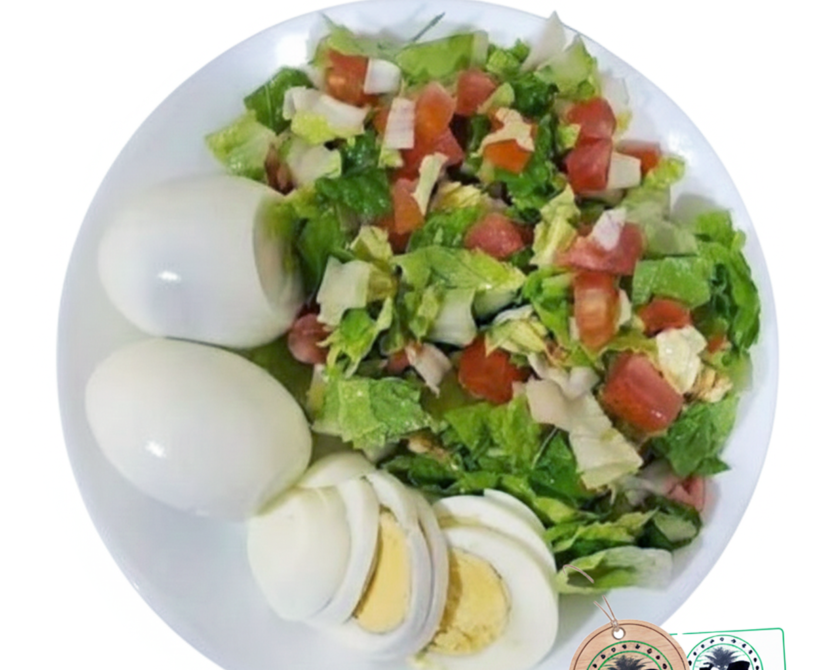

Boiled eggs are whole chicken eggs cooked in hot water until the egg white and yolk solidify. They are widely consumed worldwide because they are affordable, nutritious, easy to prepare, and suitable for many diets.
This article explains everything about boiled eggs, including their nutritional value, types, cooking methods, health benefits, common mistakes, and storage guidelines.
What Are Boiled Eggs?
Boiled eggs are eggs cooked in their shells by immersing them in boiling water. Heat causes the egg proteins to coagulate, turning the liquid egg white and yolk into solid forms.
Boiling eggs is considered one of the healthiest cooking methods because it does not require oil, butter, or added fats.
Types of Boiled Eggs
Boiled eggs are classified based on cooking time and yolk texture.
Soft-Boiled Eggs
Soft-boiled eggs have firm egg whites and a partially liquid yolk.
Characteristics:
-
Cooking time: 4–6 minutes
-
Creamy yolk center
-
Commonly eaten with toast or salads
Medium-Boiled Eggs
Medium-boiled eggs have a slightly firm yolk with a creamy texture.
Characteristics:
-
Cooking time: 7–9 minutes
-
Balanced yolk firmness
-
Suitable for sandwiches and ramen

Hard-Boiled Eggs
Hard-boiled eggs have fully solid egg whites and yolks.
Characteristics:
-
Cooking time: 10–12 minutes
-
Long shelf life
-
Easy to store and transport
Nutritional Value of Boiled Eggs
Boiled eggs are nutrient-dense foods containing high-quality protein and essential vitamins.
Nutritional Content (Per Large Egg)
-
Calories: 70–80 kcal
-
Protein: 6–7 grams
-
Fat: 5 grams
-
Vitamin B12: Supports nerve health
-
Vitamin D: Strengthens bones
-
Choline: Supports brain function
-
Selenium: Acts as an antioxidant
Boiled eggs are considered a complete protein source because they contain all essential amino acids.
Health Benefits of Boiled Eggs
Boiled eggs provide several scientifically recognized health benefits.
High-Quality Protein Source
Egg protein supports muscle growth, tissue repair, and immune function.
Supports Weight Management
Boiled eggs increase satiety and reduce hunger, which helps control calorie intake.
Promotes Brain Health
Choline in egg yolks supports memory, cognitive function, and nervous system development.
Strengthens Eye Health
Eggs contain lutein and zeaxanthin, antioxidants that help protect vision.
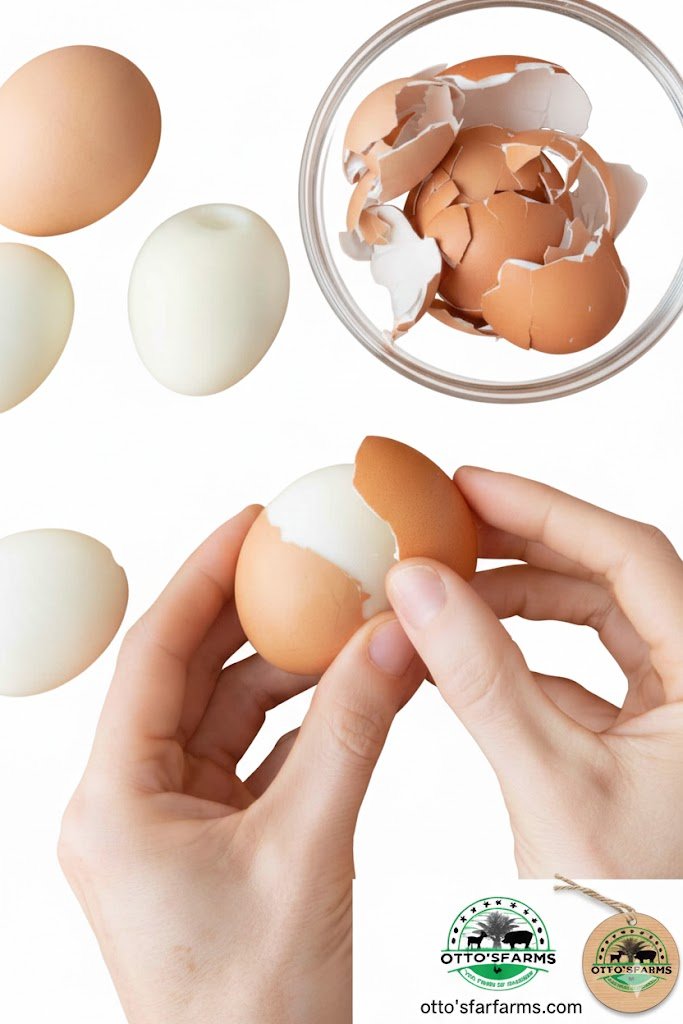
How to Boil Eggs Perfectly
Proper boiling techniques prevent cracking, overcooking, and peeling difficulties.
Step-by-Step Method
-
Place eggs in a saucepan.
-
Cover eggs with cold water.
-
Heat until the water reaches a gentle boil.
-
Reduce the heat and cook based on the desired firmness.
-
Transfer eggs into cold water to stop cooking.
Recommended Cooking Times
-
Soft-boiled: 5 minutes
-
Medium-boiled: 8 minutes
-
Hard-boiled: 11 minutes
Common Mistakes When Boiling Eggs
Avoiding these errors improves texture and appearance.
Overcooking Eggs
Overcooked eggs develop a greenish-gray ring around the yolk due to sulfur-iron reactions.
Boiling Eggs at High Heat
Rapid boiling causes shell cracking and uneven cooking.
Skipping Ice Water Cooling
Cooling eggs immediately prevents a rubbery texture and makes peeling easier.
How to Store Boiled Eggs Safely
Proper storage maintains freshness and prevents bacterial growth.
Storage Guidelines
-
Refrigerate within 2 hours after cooking
-
Store in airtight containers
-
Consume within 7 days
Boiled Eggs vs Fried Eggs
Boiled eggs are generally healthier than fried eggs.
Key Differences
| Feature | Boiled Eggs | Fried Eggs |
|---|---|---|
| Added Fat | None | Requires oil or butter |
| Calories | Lower | Higher |
| Nutrient Retention | High | Slightly reduced |
| Preparation | Simple | Requires cooking fat |
Frequently Asked Questions About Boiled Eggs
Why Do Boiled Eggs Turn Green?
A green ring forms when eggs are overcooked, causing chemical reactions between sulfur and iron.
Are Boiled Eggs Good for Weight Loss?
Yes. Boiled eggs are high in protein and help control appetite.
How Long Can Boiled Eggs Stay Fresh?
Refrigerated boiled eggs remain safe for up to one week.
Conclusion
Boiled eggs are nutritious, versatile, and easy-to-prepare foods that provide high-quality protein, essential vitamins, and multiple health benefits. Proper cooking techniques, storage practices, and preparation methods ensure optimal taste, safety, and nutritional value.