Which Poultry Business Makes More Money?
Poultry farming is one of the fastest-growing agricultural businesses across Africa. With increasing demand for affordable protein, many farmers are entering the industry. However, one of the biggest questions beginners ask is whether broilers or layers are more profitable.
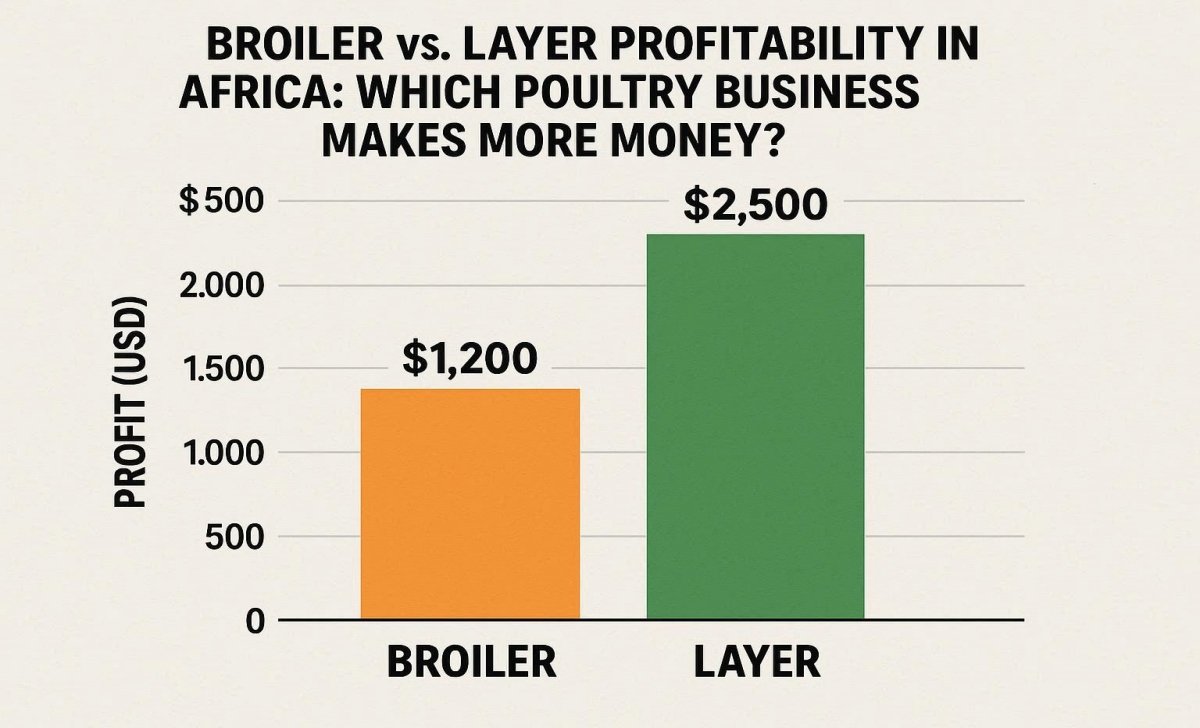
The answer is not always straightforward. Profitability depends on your market, investment capacity, and how quickly you want to generate income.
This guide explains the real profitability differences between broilers and layers in the African context.
Understanding Broiler Farming Profitability
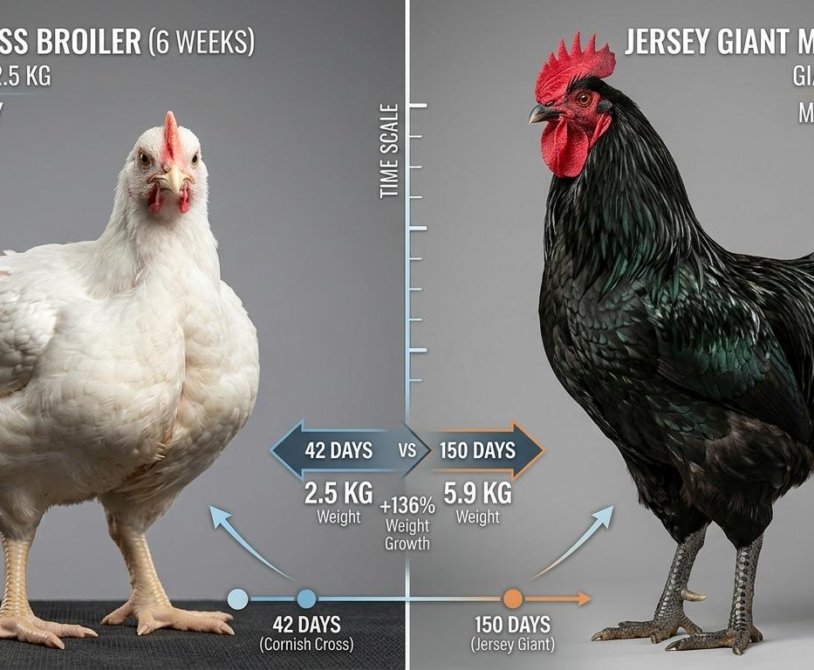
Broilers are raised specifically for meat production and are known for their rapid growth and short production cycle.
Fast Returns on Investment
One of the biggest advantages of broiler farming in Africa is the quick turnaround time. Broilers reach market weight within six to eight weeks, allowing farmers to generate income multiple times per year.
Because of this short cycle, farmers can complete up to five or six production rounds annually, which significantly increases overall profit potential.
High Market Demand for Chicken Meat
Chicken meat is widely consumed across African countries because it is affordable, easy to prepare, and acceptable in almost all cultures and religions. This steady demand ensures a ready market for broiler farmers.
Higher Feed Costs
Despite the fast returns, broiler farming requires significant investment in feed. Feed accounts for up to 70% of production costs, making it the biggest factor affecting profitability.
Farmers who manage feed efficiency well usually achieve higher profits.
Understanding Layer Farming Profitability
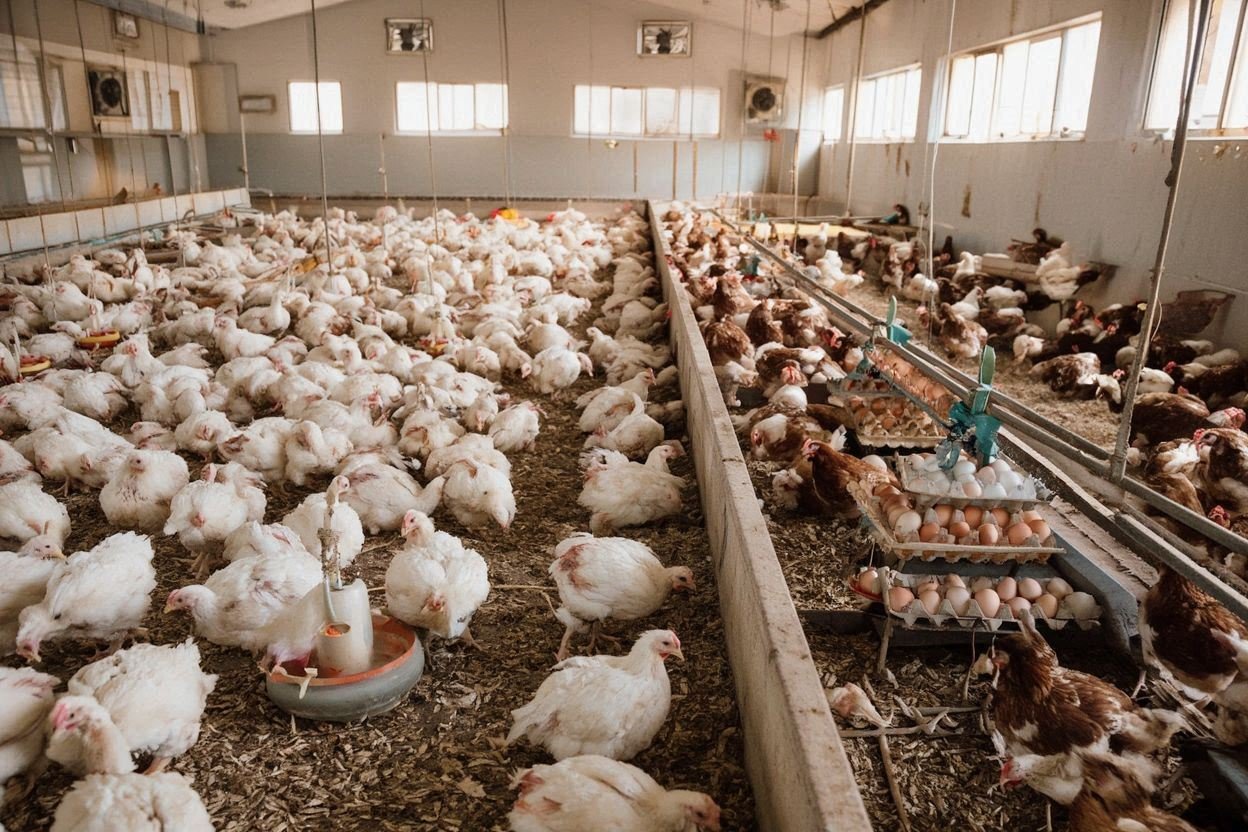
Layers are raised for egg production and provide a steady, long-term income stream.
Continuous Daily Income
Unlike broilers that generate income only at sale time, layers produce eggs almost every day. This creates a consistent cash flow, which many African farmers prefer for financial stability.
Longer Production Cycle
Layers require more time to mature. Farmers must wait about five months before they start laying eggs. However, once they begin production, they can continue for more than a year.
Lower Risk of Market Fluctuations
Egg demand in Africa remains stable year-round because eggs are used in households, bakeries, restaurants, and food businesses. This makes layer farming less vulnerable to sudden price drops.
Key Profitability Differences Between Broilers and Layers
Understanding these differences helps farmers choose the best investment strategy.
Short-Term vs Long-Term Income
Broilers provide quick profits but require constant reinvestment. Layers take longer to start generating income but provide stable, ongoing earnings.
Cost Structure
Broiler farming involves higher feed costs within a short time frame, while layer farming spreads costs over a longer production period.
Risk Levels
Broilers are more sensitive to disease outbreaks and management errors because of their fast growth rate. Layers are generally more resilient but require long-term care.
Which Poultry Business Is More Profitable in Africa?
Profitability depends largely on the farmer’s goals and available resources.
When Broilers Are More Profitable
Broilers are usually more profitable for farmers who want quick cash flow, operate in areas with strong demand for fresh chicken, and have access to a reliable feed supply.
They are also ideal for small-scale farmers looking for fast returns on limited capital.
When Layers Are More Profitable
Layers are more profitable for farmers seeking stable, long-term income. They are especially beneficial in regions where egg demand is consistent and transportation to markets is easy.
Large farms often prefer layers because of predictable revenue streams.
The Best Strategy: Combining Broilers and Layers
Many successful poultry farmers in Africa operate both broilers and layers simultaneously.
This mixed approach allows farmers to enjoy quick profits from broilers while maintaining a steady income from egg production.
It also reduces business risk by diversifying income sources.
Both broiler and layer farming can be highly profitable in Africa when managed properly. Broilers offer fast returns and high market demand, while layers provide steady, long-term income and lower financial risk.
The most profitable option depends on your financial capacity, market conditions, and long-term farming goals.
For many farmers, combining both systems provides the best balance between quick income and financial stability.