
Feed is the highest cost in raising chickens, making up 70% of expenses. It’s key to use nutrients well to boost feed efficiency. Yet, chickens lose a lot of nutrients…
Organic agricultural products right to your table!
Nutrition is defined by precision phase feeding, where the diet is chemically balanced to match the bird’s specific physiological development. This is typically divided into three stages: Starter (high protein for skeletal and organ development), Grower (balanced for muscle growth), and Finisher (high energy for weight gain). Because feed represents up to 70% of total production costs, farmers utilize a Feed Conversion Ratio (FCR) as their primary KPI. A target FCR of 1.5 to 1.6 means for every 1.5 kg of feed consumed, the bird gains 1 kg of body weight, a goal achieved through high-quality maize and soybean meal fortified with essential amino acids like Lysine and Methionine.
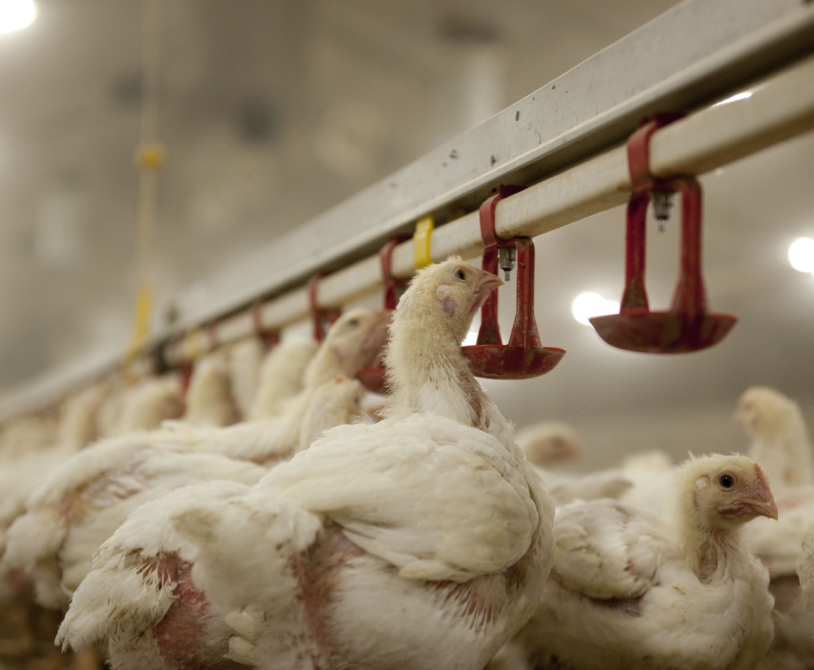
Modern feeding strategies have transitioned toward “gut health” optimization to replace traditional antibiotic growth promoters. This involves incorporating “functional” ingredients such as exogenous enzymes (phytase) to improve phosphorus absorption, and probiotics to stabilize intestinal microflora. In 2026, the use of automated feeding systems is standard, ensuring that feed is available 24/7 in a physical form (crumbles for chicks, pellets for older birds) that minimizes waste and prevents the separation of nutrients. This technical approach ensures the flock reaches market weight uniformly and efficiently while maintaining high immunity levels.
Feed is the highest cost in raising chickens, making up 70% of expenses. It’s key to use nutrients well to boost feed efficiency. Yet, chickens lose a lot of nutrients…
This review aims to understand the genetic changes in broiler chickens over recent decades. We’ll look at how selection for commercial goals has affected their digestive efficiency, body composition, and…