Learn effective strategies to monitor and improve biosecurity compliance on your farm. Enhance disease prevention, animal health, and regulatory adherence for a safer operation.
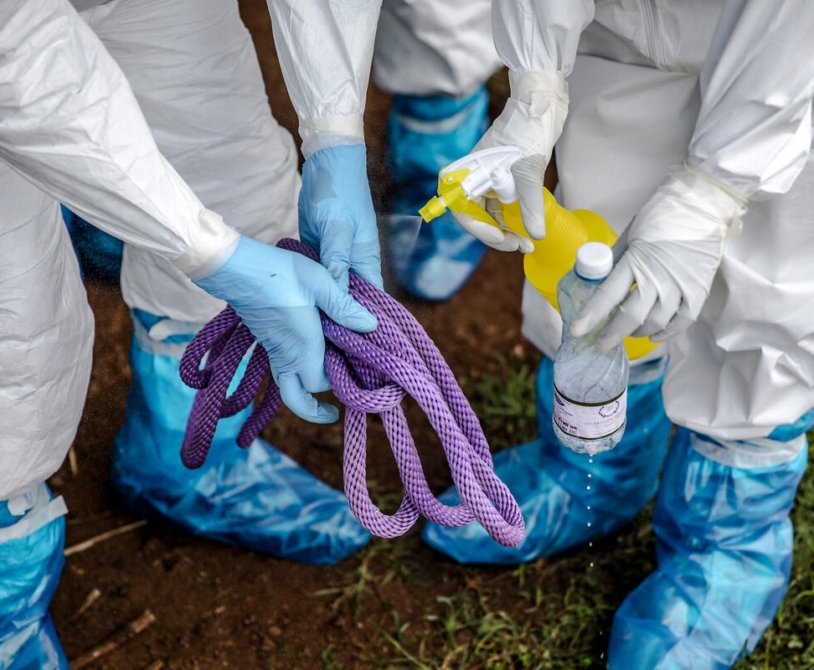
Organic agricultural products right to your table!
In 2026, vaccination and biosecurity are treated as the “digital and biological firewall” of the broiler farm. Biosecurity is the first line of defense, categorized into structural barriers—like perimeter fencing and bird-proof housing—and operational protocols. Modern operations follow a strict “all-in, all-out” system, ensuring that different age groups never mix, which prevents the “bridge” effect where older birds pass subclinical infections to highly susceptible day-old chicks. High-traffic areas now utilize automated footbaths with real-time disinfectant concentration sensors and UV-C air filtration systems to neutralize airborne pathogens like Avian Influenza before they enter the house.
Complementing these physical barriers is a high-precision vaccination schedule designed to build robust flock immunity against regional threats. While hatcheries typically handle initial doses for Marek’s Disease and Newcastle Disease (often via in-ovo injection or spray), on-farm boosters are critical. In 2026, mass administration through drinking water or stabilized coarse sprays is the standard for protecting against Infectious Bursal Disease (Gumboro) and Infectious Bronchitis. To ensure efficacy, farmers use “vaccine stabilizers” to neutralize chlorine in water and monitor water intake via IoT sensors; a failure to consume the vaccine within a two-hour window can lead to “hot spots” of infection that undermine the entire flock’s performance.
Learn effective strategies to monitor and improve biosecurity compliance on your farm. Enhance disease prevention, animal health, and regulatory adherence for a safer operation.
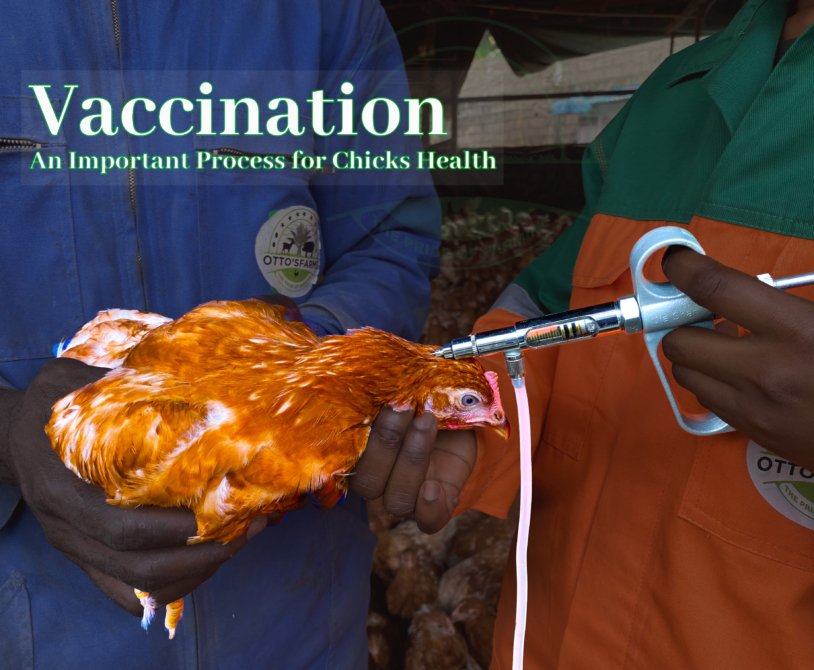
Discover why vaccination schedules are crucial for broiler chickens. Learn how proper immunization protects flock health and ensures optimal poultry production.
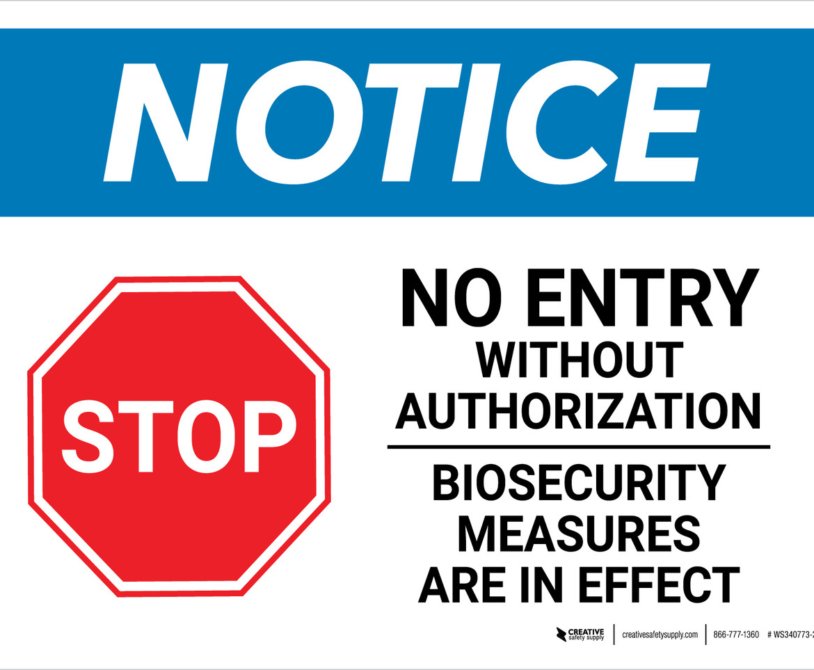
Discover common biosecurity mistakes and learn effective prevention strategies. Enhance lab safety, improve pathogen containment, and protect your team. Stay secure today.
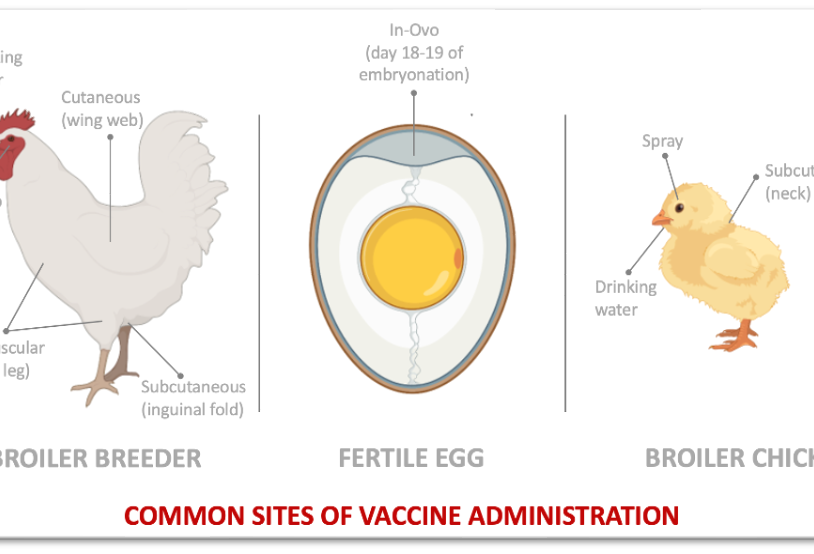
Learn how to choose the right vaccines for your broiler chickens to protect your flock from diseases and optimize their health. Discover essential vaccination strategies.
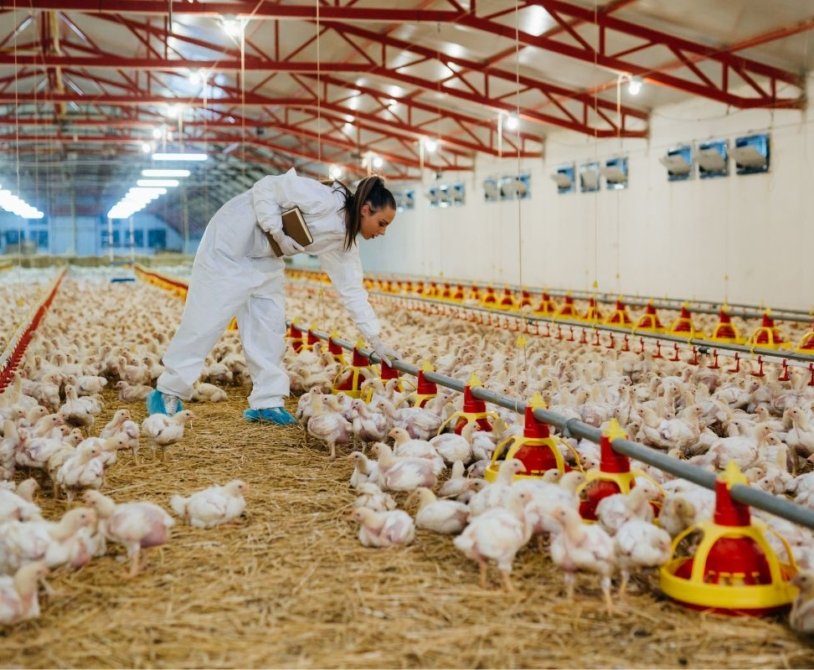
Explore real-world examples of successful biosecurity and vaccination programs in broiler farming. Learn from industry leaders to improve poultry health and production.