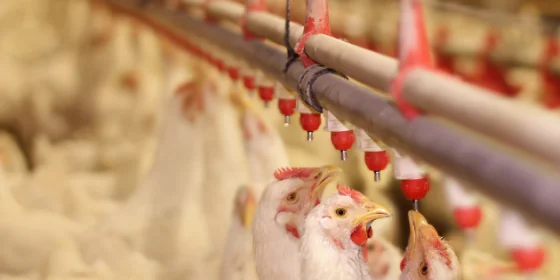
Discover effective strategies to monitor and improve broiler chicken welfare on your farm. Enhance productivity and meet ethical standards in poultry farming.
Organic agricultural products right to your table!
Welfare and ethical considerations in 2026 broiler production have moved from being “bonus” values to essential regulatory and market requirements. Modern ethics are guided by the “Five Freedoms”—freedom from hunger, discomfort, pain, behavior restriction, and fear—but now include a significant focus on sentience, acknowledging that chickens are capable of experiencing both physical pain and psychological distress. In 2026, many regions are implementing stricter legislation, such as the gradual phase-out of fast-growing breeds in favor of slower-growing genetic lines. These breeds are less prone to the skeletal disorders and cardiovascular stress that historically caused lameness and high mortality in intensive systems, aligning production with the growing consumer demand for “compassionate” meat.
On the operational side, ethical farming is measured through Key Welfare Indicators (KWIs) such as hock burns, pododermatitis (footpad lesions), and gait scores. These indicators are directly influenced by environmental management; for example, maintaining dry, clean litter and a maximum stocking density of 30 kg/m² is now a standard requirement for “Certified Humane” labels. Furthermore, 2026 standards mandate specific enrichments, such as perches and pecking substrates, to allow birds to express natural behaviors like foraging and dust bathing. By prioritizing these ethical pillars, producers not only meet legal mandates but also improve meat quality and gain access to premium markets that prioritize transparency and animal dignity.
Discover effective strategies to monitor and improve broiler chicken welfare on your farm. Enhance productivity and meet ethical standards in poultry farming.
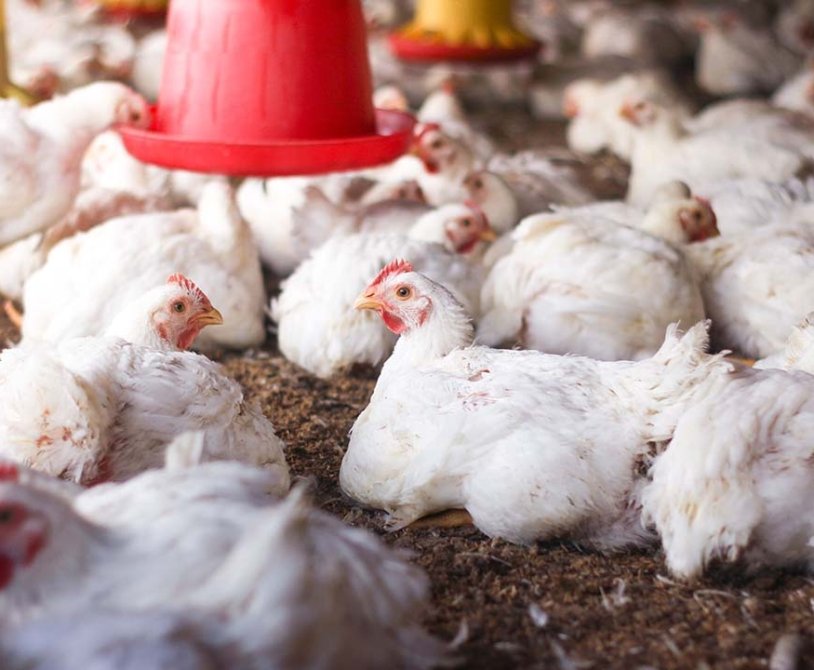
Learn about animal welfare standards for broiler chickens, including housing, nutrition, and humane treatment. Understand best practices in poultry farming for ethical production.
Discover how innovative farms are setting new benchmarks in broiler welfare. Case Studies: Farms Achieving High Welfare Standards in Broiler Production showcase best practices.
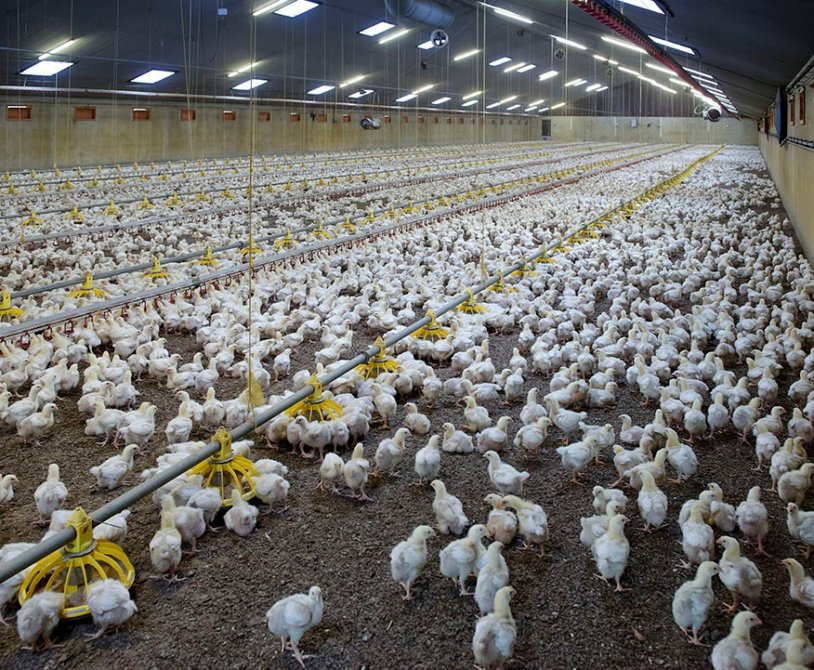
Explore how stocking density affects broiler chicken welfare. Learn about the impact on health, behavior, and production in intensive farming systems.
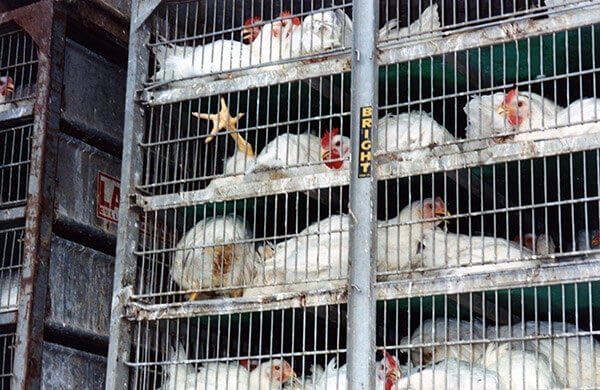
Discover essential practices for humane handling and transportation of broiler chickens. Learn how to prioritize animal welfare while maintaining food safety standards.