Starting a catfish agribusiness is a lucrative venture, but its success hinges on a robust financial feasibility study. Many aspiring aquaculturists fail not due to a lack of passion, but because of “hidden costs” and poor cash flow management.
To build a sustainable farm, you must distinguish between your Initial Capital Investment (CAPEX) and your Monthly Operating Expenses (OPEX). This guide provides a granular breakdown of the budget required to move from a vacant site to a successful first harvest.
1. Capital Expenditure (CAPEX): The Infrastructure Investment
Your initial setup costs are “one-time” investments in the physical assets of the farm.
Land Acquisition and Pond Construction
The cost of your pond system depends on your production intensity:
-
Earthen Ponds: Lowest cost per square meter. Best for large-scale operations where the soil has high clay content.
-
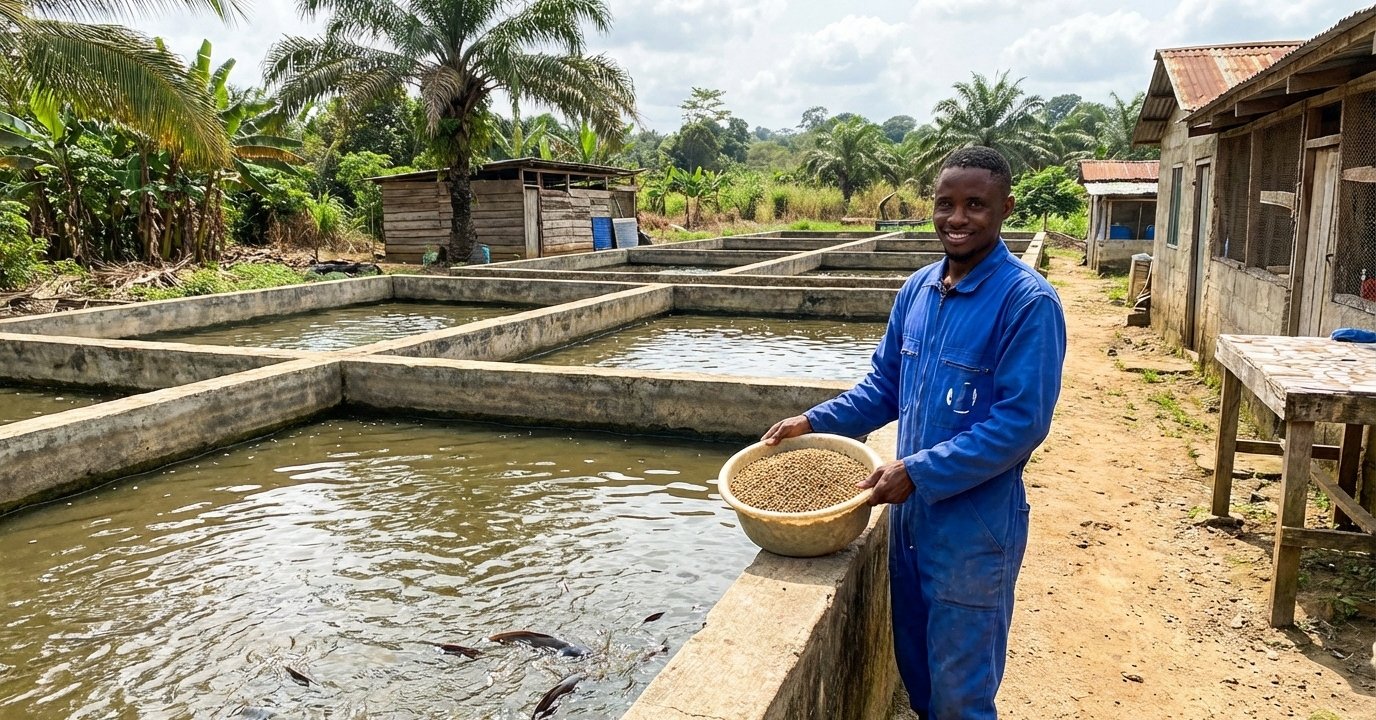
Concrete Tanks: Most expensive but durable. Ideal for high-density stocking and urban farming where space is limited.
-
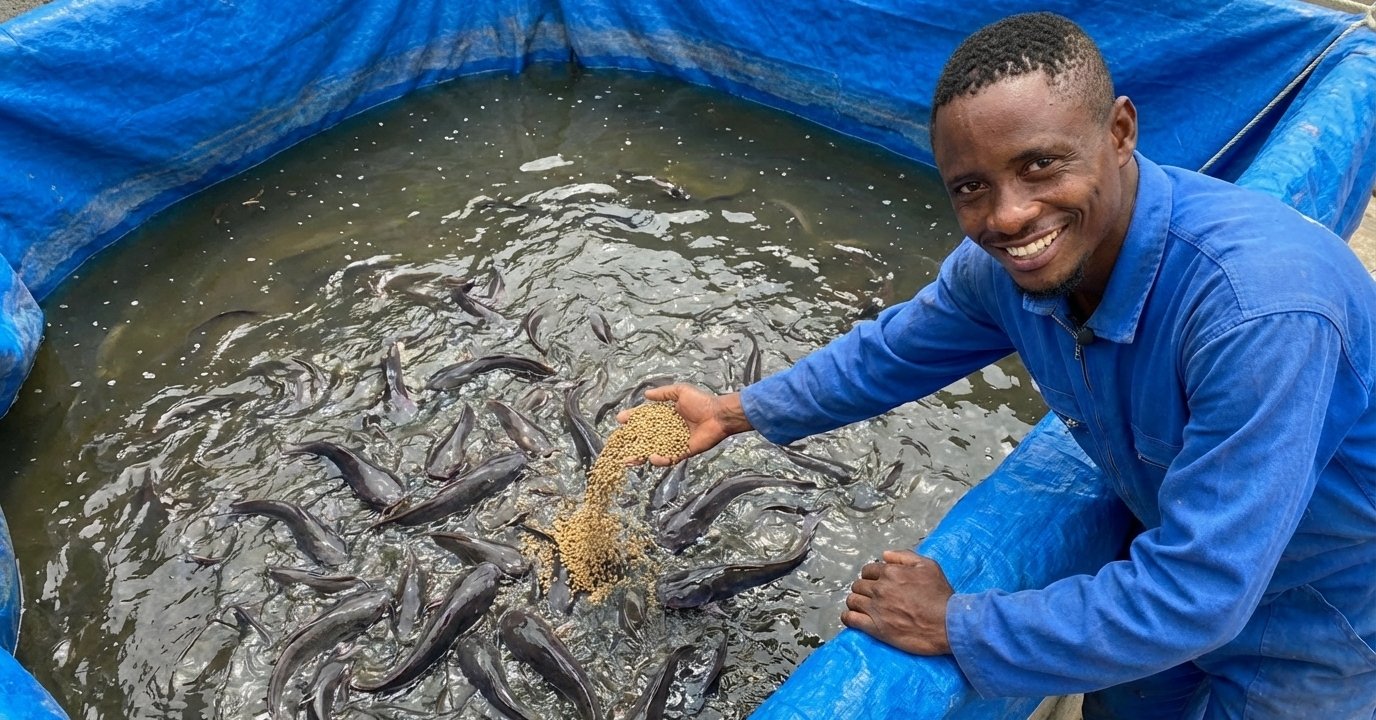
Tarpaulin/Plastic Tanks: The “middle ground.” Popular for beginners due to their mobility and rapid installation.
Water Life-Support Systems
In aquaculture, water is your most valuable asset. Budget for:
-
Borehole Drilling: To ensure a pathogen-free water source.
-
Pumping Infrastructure: High-flow submersible pumps to facilitate regular water exchange.
-
Overhead Storage: Large tanks (e.g., 5,000L – 10,000L) to gravity-feed your ponds during power outages.
2. Operating Expenses (OPEX): Running Your Farm
These are the recurring costs you must sustain for 4–6 months before your first sale.
Seed Stock (Fingerlings vs. Juveniles)
Don’t cut corners here. While fingerlings (3-4cm) are cheaper, juveniles (6-10cm) have a significantly higher survival rate.
-
Pro Tip: Budget for 5–10% extra stock to account for natural mortality rates during the first month.
The Feed Budget (The 70% Rule)
In catfish farming, feed typically accounts for 70% of your total production cost.
-
Initial Phase: High-protein floating pellets (0.5mm – 2mm).
-
Finishing Phase: Larger pellets (4mm – 9mm) with slightly lower protein but higher volume.
-
Inventory: Always keep at least two weeks of feed in dry storage to avoid supply chain disruptions.
3. Estimated Startup Cost Table (Sample 1,000-Fish Capacity)
Note: Prices vary by region; use these as a percentage-based guide.
| Expense Category | Items Included | Budget Weight |
| Pond Setup | Tanks, plumbing, drainage | 25% |
| Water System | Pump, borehole, storage | 20% |
| Stocking | 1,000 high-quality juveniles | 10% |
| Feed (4–5 Months) | Starter, Grower, and Finisher | 35% |
| Labor & Misc. | Wages, medications, and electricity | 10% |
4. Essential Tools and “Hidden” Costs
New farmers often forget these small but vital items in their initial budget:
-
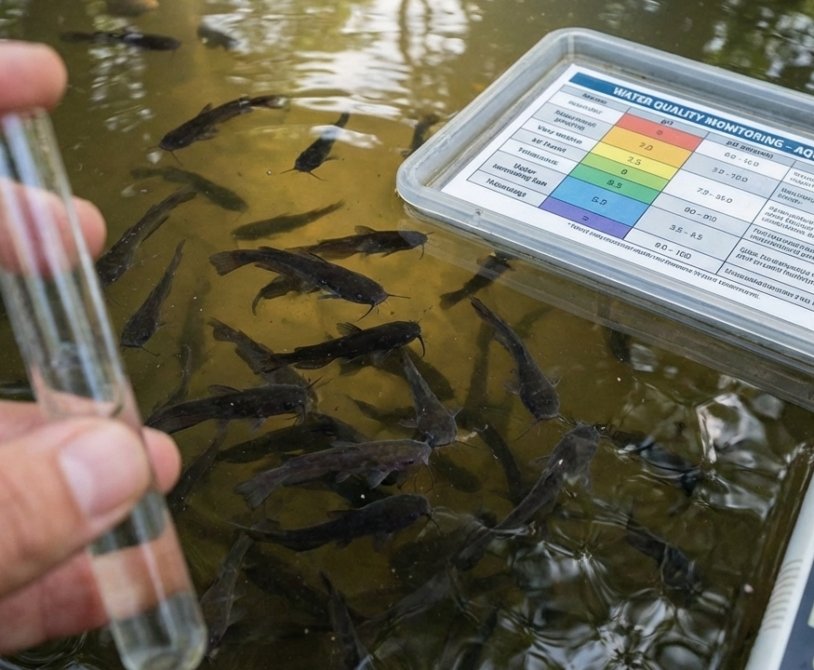
Water Quality Test Kits: To monitor pH, Ammonia, and Dissolved Oxygen.
-
Digital Weighing Scales: To track Average Daily Gain (ADG) and adjust feeding rates.
-
Grading Nets: Used to sort fish by size to prevent cannibalism and ensure uniform growth.
-
Biosecurity: Footbaths and fencing to prevent the introduction of pathogens.
5. Strategies to Minimize Startup Risks
-
Phased Scaling: Don’t build 20 ponds at once. Start with 2, master the Nitrogen Cycle, and reinvest your first harvest profits.
-
Energy Efficiency: Invest in solar-powered pumps to reduce the long-term cost of electricity, which is a major profit-killer in intensive systems.
-
Bulk Purchasing: Join a local Fish Farmers Cooperative to get discounts on feed and fingerlings.
A catfish farming startup requires a balance of high-quality hardware and disciplined financial management. By prioritizing your water system and feed quality in your budget, you ensure that your fish reach market weight in the shortest possible time, maximizing your Return on Investment (ROI).
FAQ: Catfish Farming Economics
-
How much land do I need for a small catfish farm?
You can start a backyard farm with as little as 50 square meters using tarpaulin tanks or concrete vats.
-
How long does it take to see a return on investment?
Most farmers see their first revenue after 4 to 6 months (the standard grow-out period). Total ROI on capital infrastructure usually takes 2 to 3 harvest cycles.
-
Can I save money by making my own feed?
Only if you have access to cheap, high-quality ingredients and a pelleting machine. For beginners, commercial feed is safer as it guarantees the correct amino acid profile.