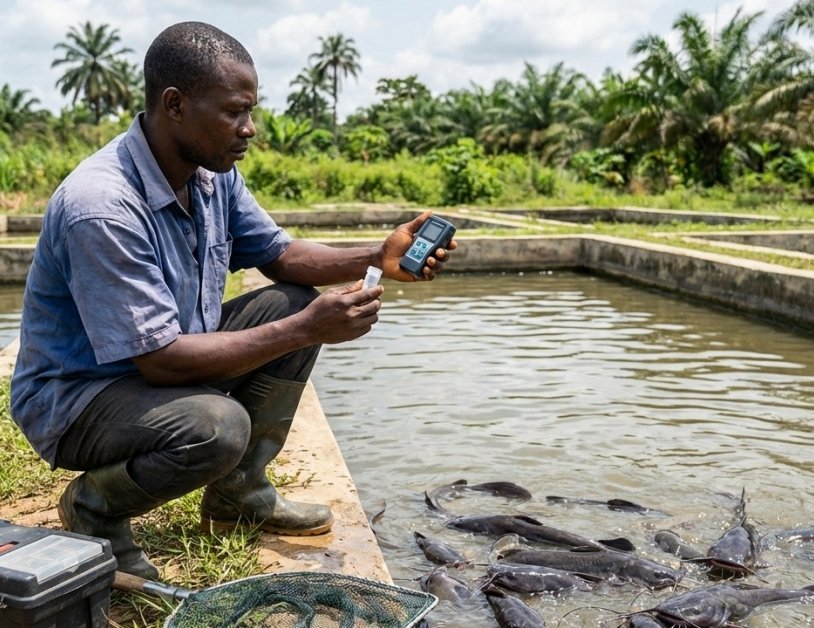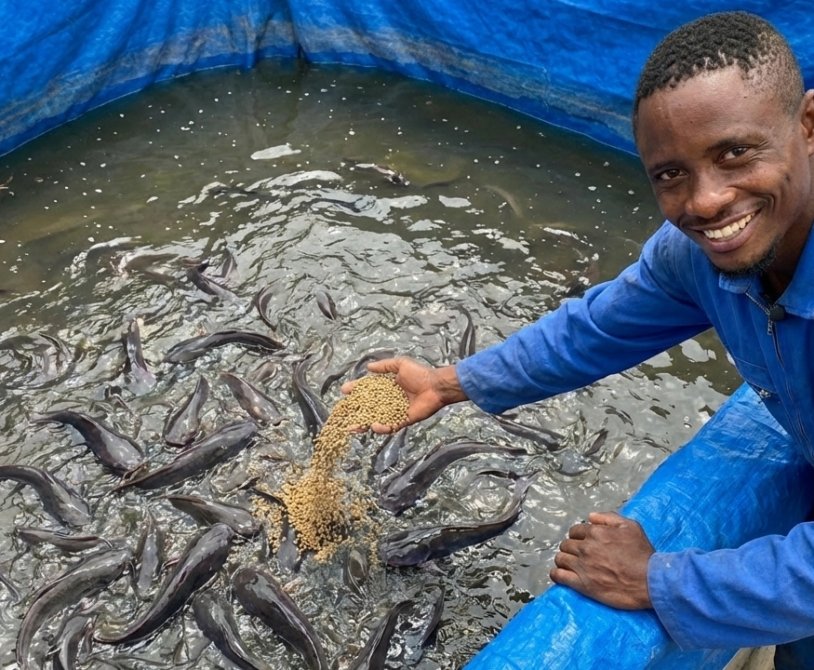
In commercial aquaculture, nutrition represents roughly 60-70% of total operational costs. Feeding is the single most important factor determining your Average Daily Gain (ADG) and overall farm profitability. Even with elite genetics and pristine water, a sub-optimal diet will lead to stunted growth and poor immune response.
Understanding the biological needs of species like North African Catfish (Clarias gariepinus) or Channel Catfish is the key to shortening your production cycle and hitting market weight faster.
Why Nutrient Density Matters for Catfish
Catfish are monogastric carnivores/omnivores that require a specific balance of macronutrients to thrive. High-quality feed isn’t an expense; it’s an investment in biomass.
The right feed ensures:
-
Optimal Feed Conversion Ratio (FCR): Converting less feed into more meat.
-
Metabolic Efficiency: Reducing the energy fish spend on digestion so they can focus on muscle accretion.
-
Disease Resistance: Strengthening the fish’s natural barriers through vitamins and minerals.
Nutritional Requirements for Rapid Catfish Growth
To achieve maximum growth, your feed must meet specific crude protein (CP) and lipid thresholds based on the life stage of the fish.
1. Protein: The Building Block of Muscle
Catfish require high levels of essential amino acids (like Lysine and Methionine).
-
Fingerlings (1g – 10g): Require 40% to 45% CP. Their rapid development demands high nitrogen retention.
-
Juveniles (10g – 150g): Thrive on 35% to 40% CP.
-
Table-Size/Adults (200g+): Require 28% to 32% CP. At this stage, excessive protein is wasted and excreted as ammonia.
2. Lipids and Carbohydrates
Fats (lipids) provide concentrated energy and essential fatty acids. A diet with 8% to 12% lipid content helps “spare” protein, allowing the protein to be used for growth rather than burned for energy.
Types of Catfish Feed: Floating vs. Sinking
Selecting the physical form of the feed is just as important as the ingredients.
| Feed Type | Pros | Cons |
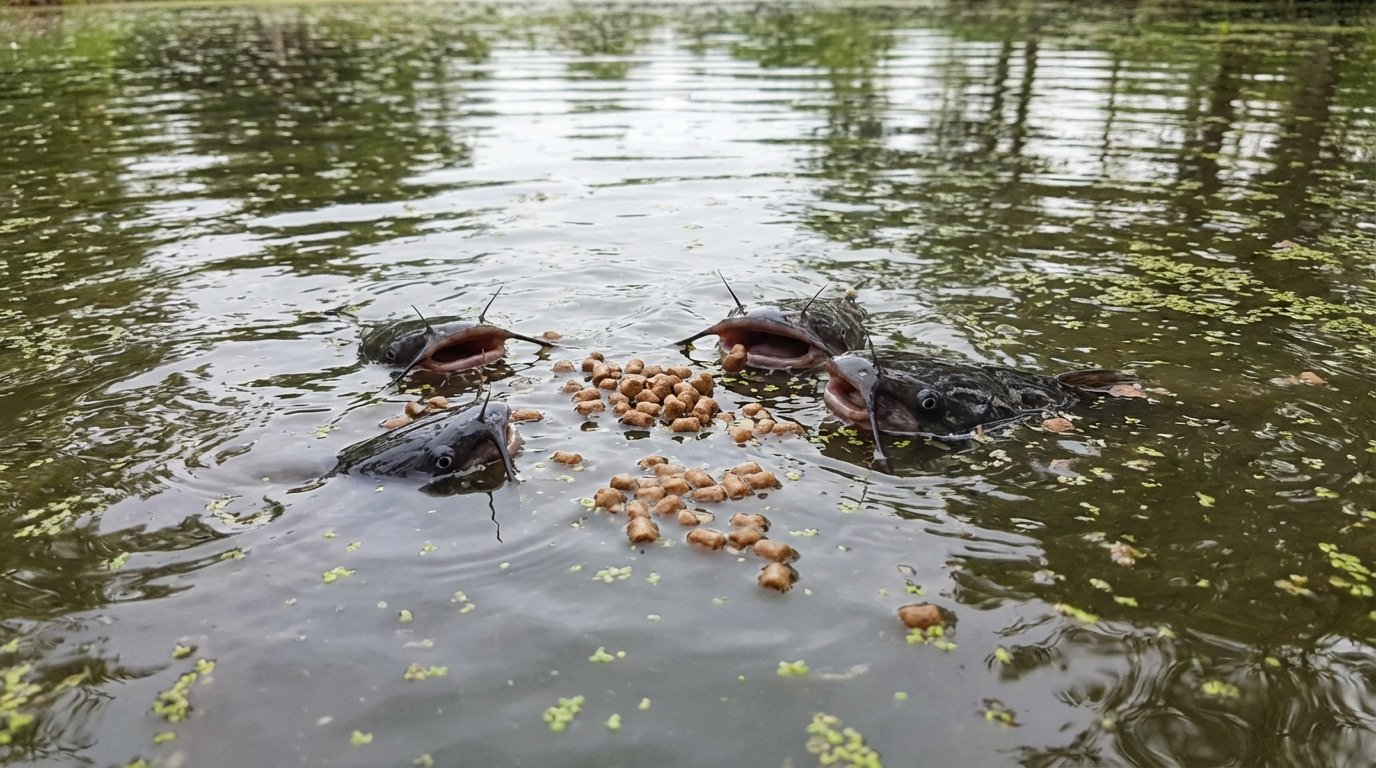
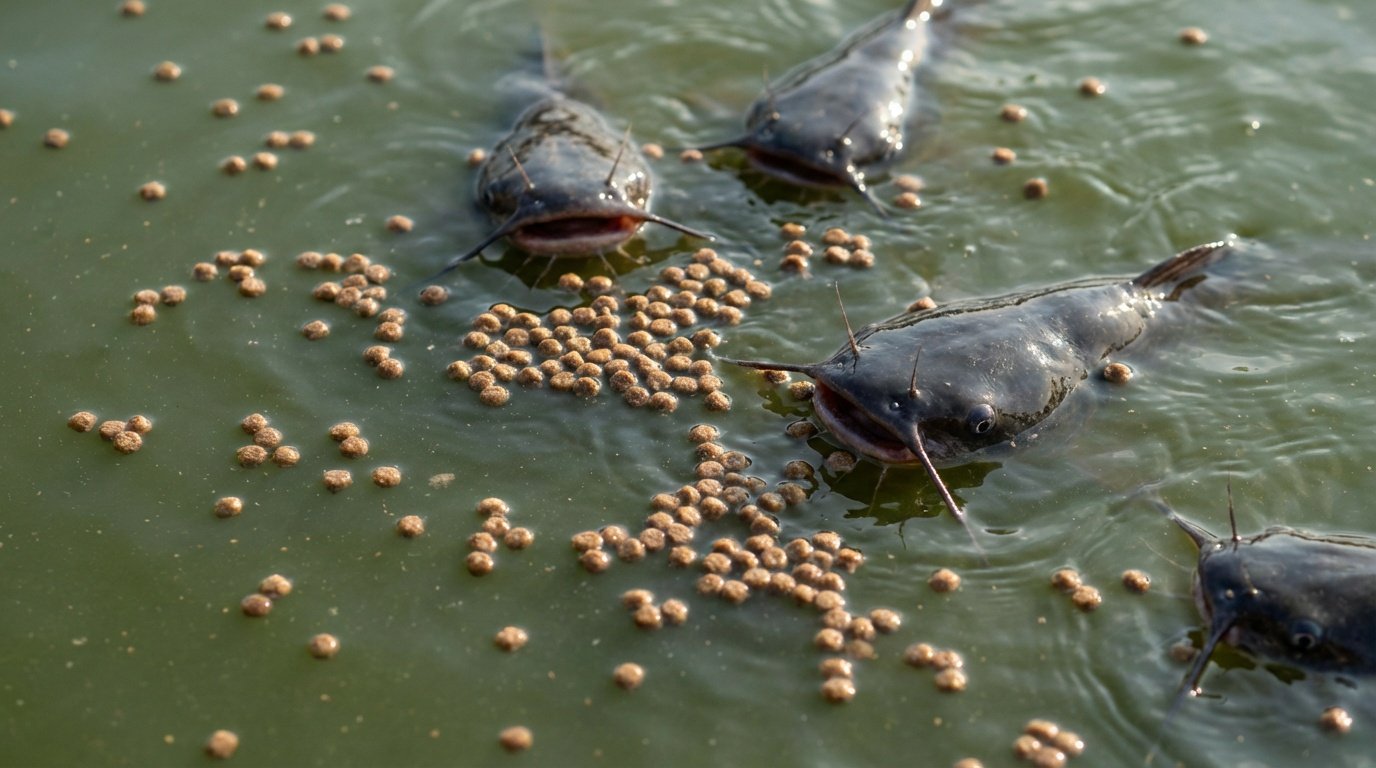
| Extruded Floating Pellets | Best for monitoring health; stays stable in water for hours; reduces waste. | Higher price point per bag. |
| Pressed Sinking Pellets | Generally cheaper; mimics natural bottom-feeding habits. | Hard to monitor intake; can rot at the bottom and spike ammonia. |
| Local/On-Farm Mash | Cost-effective; utilizes local bypass products (maize, soy). | Highly variable quality; high risk of water pollution. |
Expert Insight: For beginners, extruded floating feed is highly recommended. It allows you to see the “feeding frenzy,” which is your primary indicator of fish health.
Feeding Strategies to Maximize Weight Gain
How you feed is just as important as what you feed. Use these professional techniques:
The “Response-Based” Feeding Method
Instead of a fixed weight, feed your fish until their activity levels drop (satiation). This ensures maximum intake without polluting the aqueous environment.
Frequency and Timing
-
Fingerlings: Feed 3–4 times daily to support a high metabolic rate.
-
Adults: Feed 1–2 times daily.
-
Best Time: Feed between 9:00 AM and 4:00 PM when water temperatures are high enough to support active digestion.
Common Mistakes That Kill Profitability
-
Poor Feed Storage: Storing feed in damp areas leads to Aflatoxin (mold) growth, which is lethal to catfish.
-
Feeding During Low Oxygen: Never feed your fish before sunrise or during a rainstorm when Dissolved Oxygen is low. Fish need oxygen to digest food.
-
Overstocking: Even the best feed won’t work if fish are too crowded to reach it.
How to Choose the Best Feed Brand
When evaluating a commercial feed, look for:
-
Pellet Stability: Does it hold its shape for at least 20 minutes?
-
Dust Content: High amounts of “fines” (dust) in the bag indicate poor manufacturing and lead to wasted money.
-
FCR Track Record: Ask other farmers which brand consistently produces a 1kg fish in under 6 months.
The “best” feed is the one that produces the highest weight gain at the lowest cost over time. By matching your protein levels to the growth stage of your catfish and maintaining a disciplined feeding schedule, you can significantly reduce your time-to-market.
FAQ: Catfish Nutrition
-
Can I feed my catfish only maize or bread?
No. These are high in carbohydrates but lack the protein and amino acids required for muscle growth. Your fish will become fatty and prone to disease.
-
What is a good FCR for catfish?
A good Feed Conversion Ratio is 1.1 to 1.5. This means for every 1.2kg of feed given, the fish gains 1kg of body weight.
-
Why are my fish not eating?
Check your Ammonia and Dissolved Oxygen levels immediately. Poor water quality is the #1 cause of “Anorexia” in fish.