Explore the complex regulatory landscape governing antibiotic use in poultry farming. Learn about guidelines, oversight, and compliance for safer, sustainable practices.
Organic agricultural products right to your table!
In modern broiler farming, the shift away from Antibiotic Growth Promoters (AGPs) is driven by the global need to combat antimicrobial resistance (AMR) and meet consumer demand for antibiotic-free meat. Historically, sub-therapeutic doses of antibiotics like tetracyclines and bacitracin were standard for enhancing feed efficiency and suppressing subclinical infections. However, current industry standards emphasize antimicrobial stewardship, restricting traditional antibiotics primarily to therapeutic use under veterinary supervision for specific outbreaks, such as necrotic enteritis or respiratory disease.
To maintain productivity without relying on these drugs, farmers are increasingly adopting a “multi-barrier” approach using natural feed additives. The most effective alternatives include probiotics (live beneficial bacteria), prebiotics (fibers that feed those bacteria), and organic acids (like citric or formic acid), which lower gut pH to inhibit pathogens like Salmonella and E. coli. Recent 2025–2026 research also highlights the rise of phytogenics—plant-derived compounds from oregano, thyme, and neem—which offer natural antimicrobial and anti-inflammatory properties that support intestinal health and improve the Feed Conversion Ratio (FCR).
The successful transition to antibiotic-free production depends on the synergy between these alternatives and enhanced biosecurity. While additives stabilize the bird’s internal environment, strict farm management prevents external pathogens from entering the flock. High-tech solutions, such as bacteriophage therapy (viruses that target specific bad bacteria) and precision nutrition, are becoming the new standard. By combining these innovative tools, broiler operations can achieve growth rates comparable to traditional methods while producing safer, residue-free poultry for the market.
Explore the complex regulatory landscape governing antibiotic use in poultry farming. Learn about guidelines, oversight, and compliance for safer, sustainable practices.
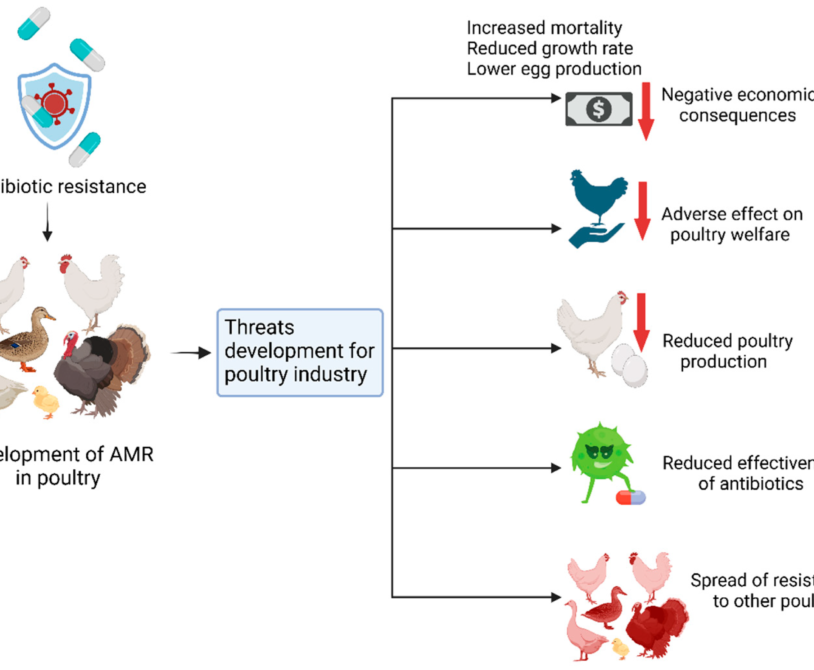
Explore the critical effects of antibiotic resistance on broiler chicken health, including challenges, solutions, and implications for the poultry industry and food safety.
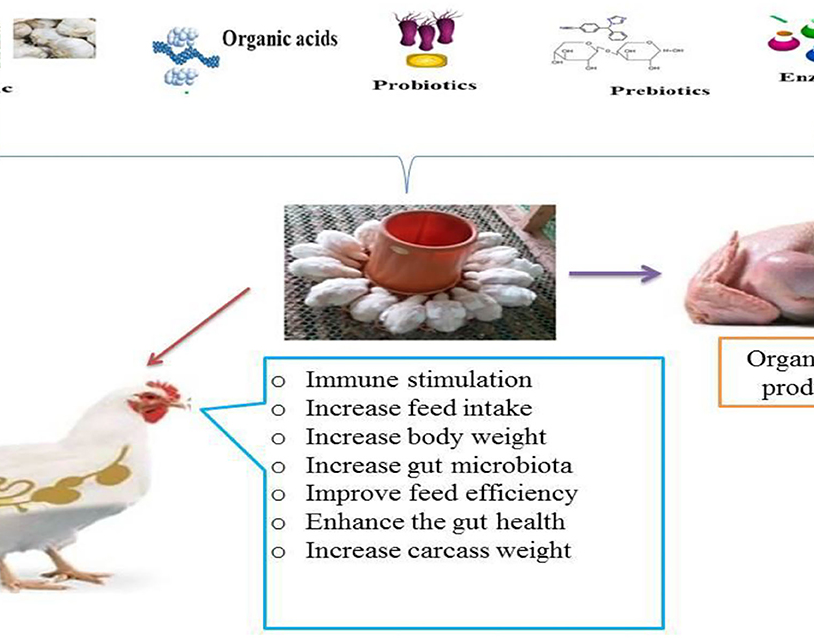
Discover effective natural alternatives to antibiotics for broiler chickens, including phytobiotics and probiotics, to promote gut health and sustainable poultry farming practices.
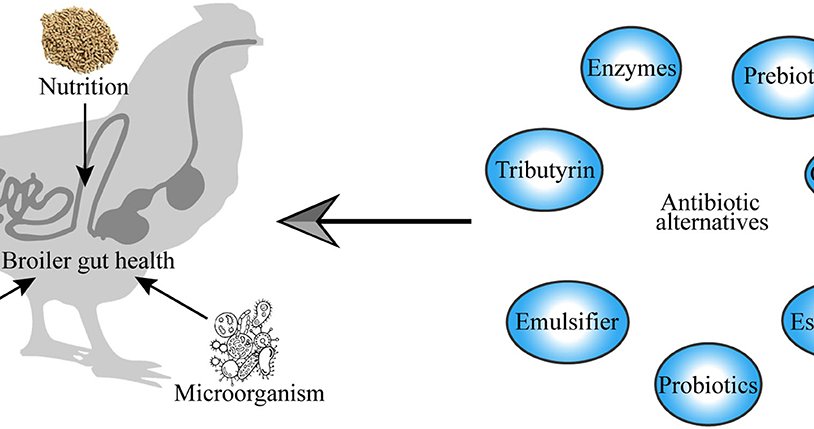
Discover effective strategies for managing broiler chicken health without antibiotics. Learn sustainable practices for disease prevention and natural health optimization in poultry farming.
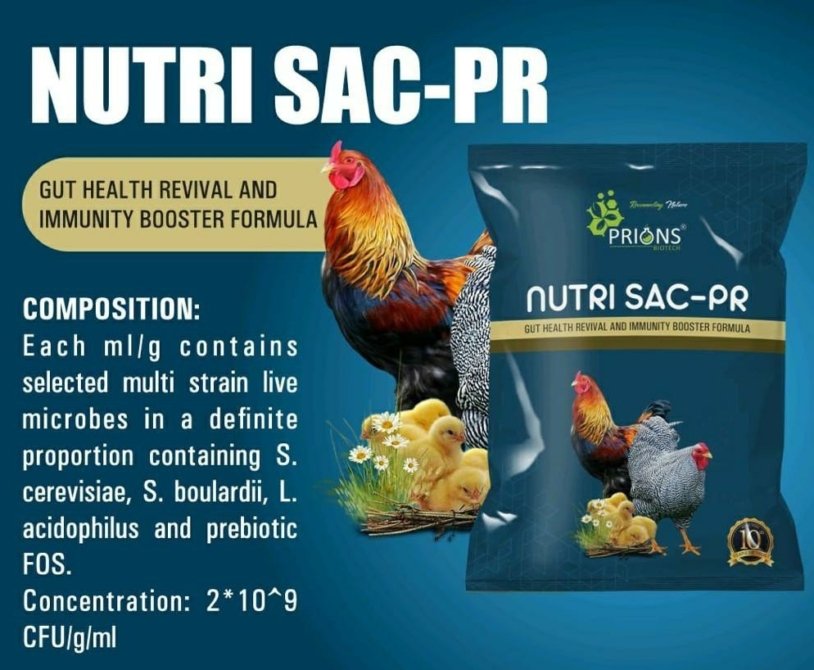
Discover how probiotics and prebiotics enhance broiler chicken health, promote growth, and prevent disease. Learn about The Role of Probiotics and Prebiotics in Broiler Chicken Health Management.