
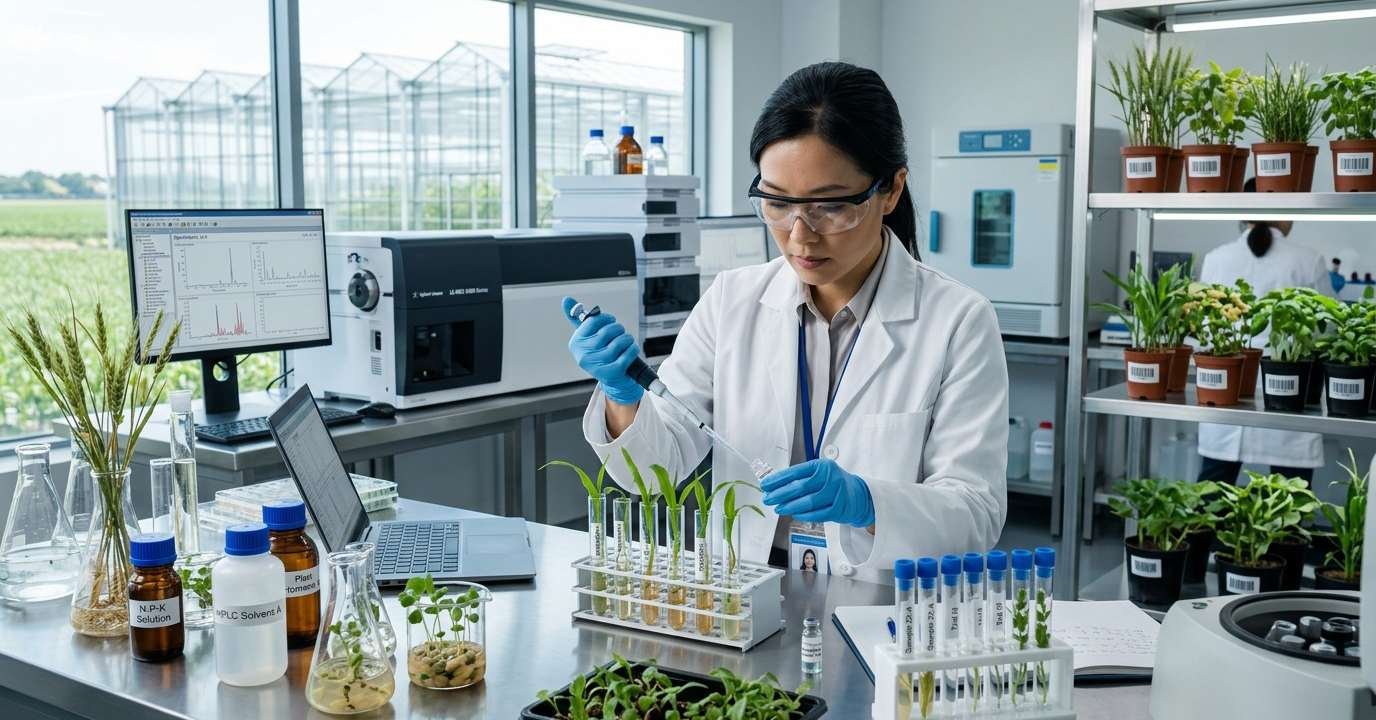
The agricultural chemicals industry plays a vital role in modern farming by helping farmers protect crops, improve yields, and ensure food security. Agricultural chemicals include fertilizers, pesticides, herbicides, and other crop protection products that support large-scale food production.
As the global population continues to grow, the demand for efficient agriculture increases. This growth has created numerous career opportunities in the agricultural chemicals industry for scientists, technicians, marketers, and regulatory experts. From entry-level jobs to senior leadership roles, the industry offers diverse career paths with competitive salaries and strong job security.
Understanding the different job options, required skills, and educational pathways can help individuals build a successful career in this important sector.
Types of Jobs in the Agricultural Chemicals Industry
The agricultural chemicals industry offers a wide variety of roles across research, manufacturing, marketing, regulation, and quality control.
Common job positions include:
-
Research and Development Scientist
-
Manufacturing Operator
-
Sales Representative
-
Marketing Manager
-
Regulatory Affairs Specialist
-
Quality Control Analyst
-
Product Development Manager
-
Agronomist
-
Field Trial Specialist
Each of these roles contributes to the development, testing, production, and distribution of agricultural chemicals used by farmers worldwide.
According to industry estimates, professionals working in agricultural chemical sectors earn an average annual salary of around $60,000, with higher earnings for specialized or managerial positions.
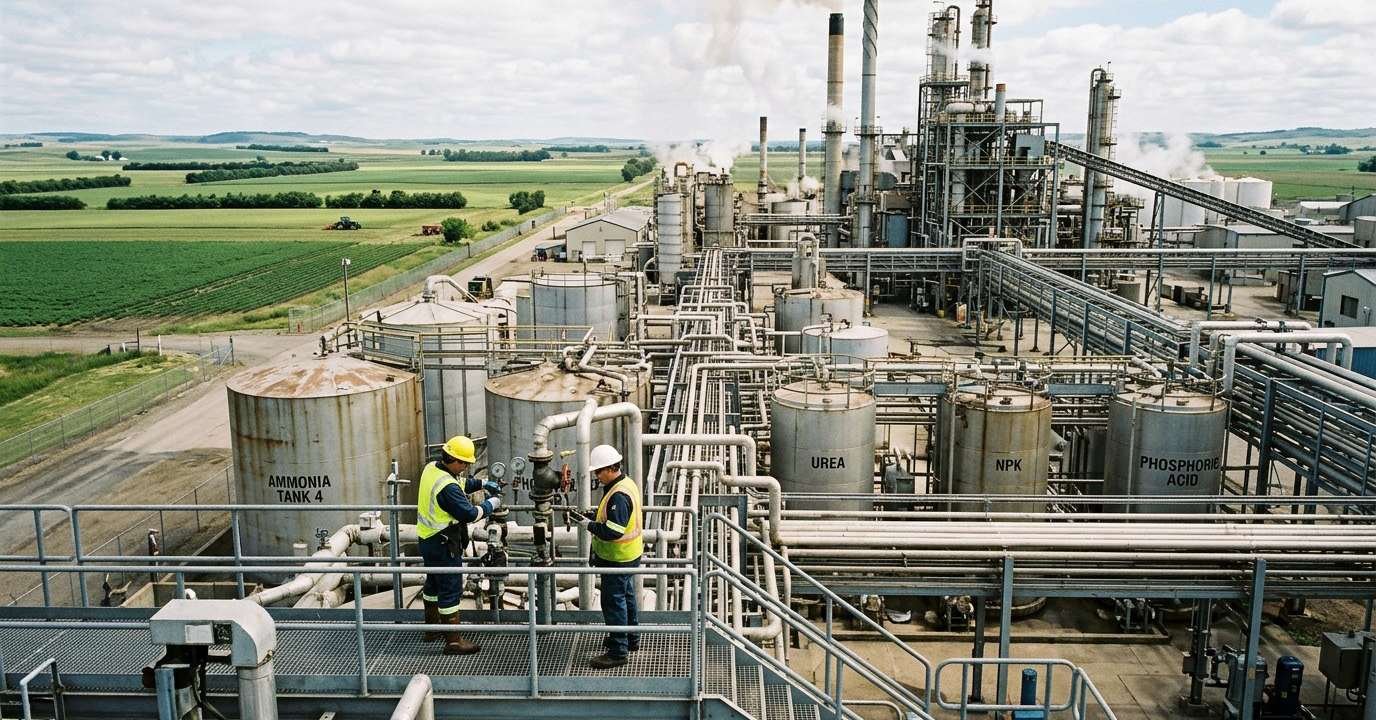
Entry-Level Positions
Entry-level positions provide a starting point for individuals entering the agricultural chemicals industry. These roles typically require a basic degree and allow professionals to gain hands-on experience.
Common entry-level jobs include:
-
Junior Research Assistant
-
Laboratory Technician
-
Production Assistant
-
Regulatory Coordinator
-
Field Data Collector
Research assistants often support scientists in conducting laboratory tests and field trials. Production assistants help manage chemical manufacturing processes, while regulatory coordinators assist with documentation required for government approvals.
Internship programs are also widely available in agricultural chemical companies. These internships allow students and recent graduates to gain practical experience and build professional networks within the industry.
Mid-Level Positions
After gaining experience, professionals can move into mid-level positions that require greater responsibility and industry knowledge.
Examples of mid-level roles include:
-
Product Specialist
-
Field Manager
-
Market Analyst
-
Regional Sales Manager
-
Plant Breeder
-
Crop Protection Specialist
Mid-level professionals often manage projects, supervise teams, and coordinate operations across departments. These roles typically require several years of experience along with strong technical knowledge.
Senior-Level Positions
Senior-level roles involve strategic decision-making and leadership responsibilities. Professionals at this level help guide company direction, product innovation, and market expansion.
Examples include:
-
Director of Research and Development
-
Vice President of Product Development
-
Senior Regulatory Affairs Director
-
Global Sales Director
-
Chief Agronomy Officer
These positions require extensive industry experience, leadership skills, and a deep understanding of agricultural technologies and global regulations.
Skills Required for Jobs in the Agricultural Chemicals Industry
Success in the agricultural chemicals industry requires a combination of scientific expertise, technical knowledge, and professional skills.
Key skills include:
-
Knowledge of plant physiology and crop science
-
Chemical formulation and laboratory techniques
-
Understanding of regulatory compliance and environmental safety
-
Data analysis and research capabilities
-
Sales and marketing expertise
-
Strong communication and teamwork skills
Professionals must often collaborate with farmers, scientists, regulators, distributors, and policymakers. Therefore, communication and problem-solving abilities are essential.
Salary Expectations
Salaries in the agricultural chemicals industry vary depending on experience, education, and job position.
Typical salary ranges include:
-
Entry-level positions: $40,000 – $55,000 per year
-
Mid-level professionals: $60,000 – $85,000 per year
-
Senior-level executives: $90,000 – $120,000+ per year
Many companies also offer additional benefits such as health insurance, bonuses, stock options, and profit-sharing programs.
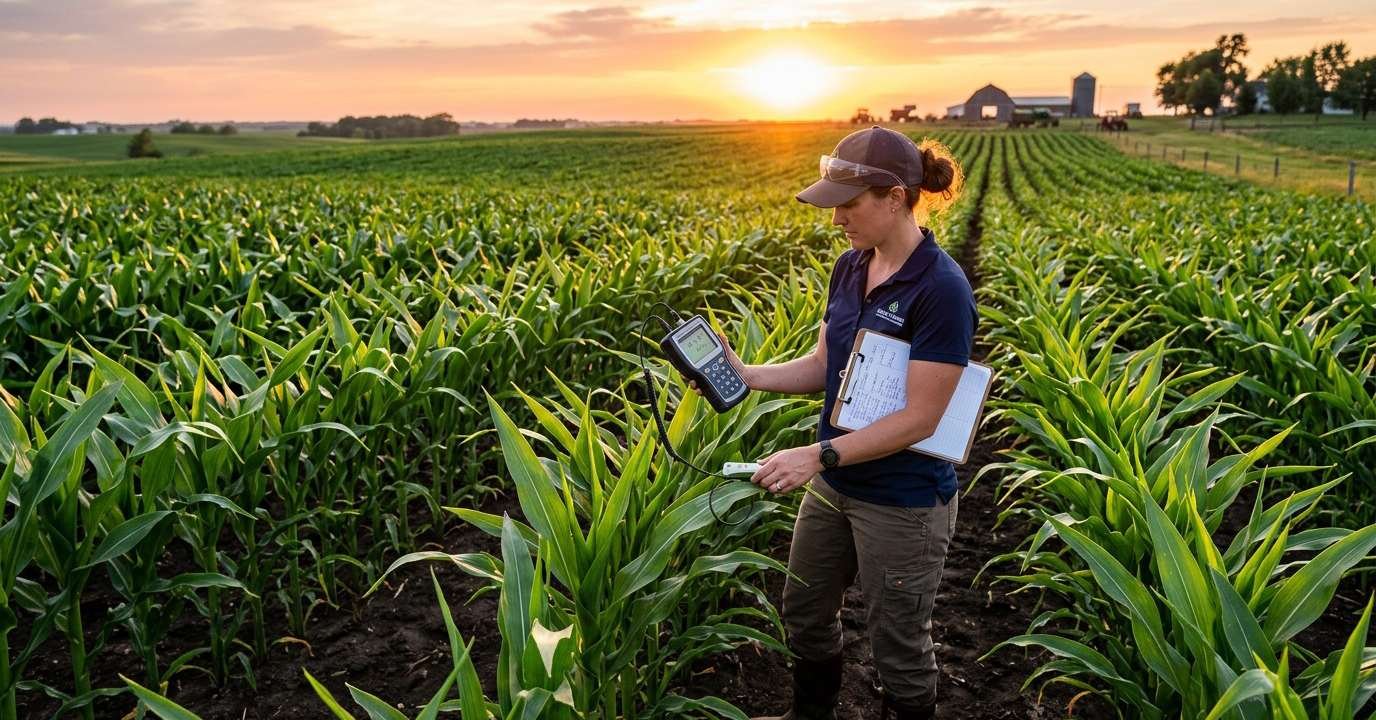
Career Opportunities in the Agricultural Chemicals Industry
Research and Development
Research and Development (R&D) is one of the most important areas in the agricultural chemicals industry. Scientists and researchers work to develop new chemical formulations that improve crop protection and increase agricultural productivity.
R&D professionals conduct laboratory experiments, field trials, and product testing to ensure chemicals are both effective and safe for the environment.
Manufacturing and Production
Manufacturing and production teams are responsible for producing agricultural chemicals at large scale. These professionals operate equipment, monitor chemical reactions, and maintain safety standards during production.
Typical roles include chemical engineers, production supervisors, and equipment technicians.
Sales and Marketing
Sales and marketing professionals promote agricultural products to farmers, distributors, and agricultural businesses.
Their responsibilities include:
-
Developing marketing campaigns
-
Managing customer relationships
-
Conducting product demonstrations
-
Expanding distribution networks
Strong communication skills and knowledge of farming practices are essential for success in these roles.
Regulatory Affairs and Quality Assurance
Because agricultural chemicals must meet strict safety standards, regulatory affairs and quality assurance professionals ensure compliance with national and international regulations.
Their responsibilities include:
-
Managing regulatory documentation
-
Conducting safety evaluations
-
Monitoring environmental compliance
-
Ensuring product quality standards
This field requires attention to detail and knowledge of government regulations.
Education and Training Requirements
Educational Qualifications
Most careers in the agricultural chemicals industry require degrees in fields such as:
-
Agriculture
-
Chemistry
-
Biology
-
Environmental Science
-
Agronomy
-
Chemical Engineering
Entry-level positions may require an associate degree, while research or leadership roles often require bachelor’s, master’s, or doctoral degrees.
Certification and Training Programs
Certifications can improve career prospects in the industry. Examples include:
-
Pesticide Applicator Certification
-
Agricultural Chemical Safety Certification
-
Environmental Compliance Training
-
Crop Protection Specialist Programs
These certifications demonstrate technical expertise and industry commitment.
Skills Enhancement Programs
Continuous learning is essential in this field. Professionals often attend:
-
Agricultural conferences
-
Industry seminars
-
Technical workshops
-
Online training programs
These programs help workers stay updated on new technologies and regulatory changes.
Top Companies in the Agricultural Chemicals Industry
Several global companies dominate the agricultural chemicals market.
Major industry leaders include:
-
Syngenta
-
Bayer
-
Corteva Agriscience
-
BASF Agricultural Solutions
-
FMC Corporation
These companies invest heavily in research and innovation to develop new crop protection solutions.
Mid-Sized Companies
Mid-sized agricultural chemical companies often focus on specialized markets and customized crop solutions. These companies are known for innovation and flexible services.
Small Companies and Startups
Startups are increasingly entering the agricultural chemical sector, especially in areas like organic fertilizers, biological pesticides, and precision agriculture technologies.
Many of these companies focus on sustainable farming solutions that reduce environmental impact.
Future Prospects in the Agricultural Chemicals Industry
The future of the agricultural chemicals industry looks promising due to rising global food demand and advances in agricultural technology.
Key trends shaping the industry include:
-
Precision agriculture technologies
-
Environmentally friendly pesticides
-
Biological crop protection solutions
-
Smart farming systems using sensors and data analytics
As agriculture continues to modernize, professionals with scientific expertise and technological skills will be in high demand.
FAQ
What jobs are available in the agricultural chemicals industry?
Common jobs include research scientists, quality control analysts, manufacturing operators, sales representatives, regulatory specialists, and marketing managers.
What qualifications are needed for agricultural chemical careers?
Most positions require degrees in agriculture, chemistry, biology, environmental science, or chemical engineering.
What skills are important in this industry?
Key skills include chemical analysis, plant science knowledge, problem-solving, regulatory understanding, and communication skills.
What is the average salary in the agricultural chemicals industry?
Salaries typically range from $40,000 for entry-level roles to over $100,000 for senior-level positions.
Is the agricultural chemicals industry growing?
Yes. Increasing global food demand and agricultural innovation continue to drive growth in this industry.