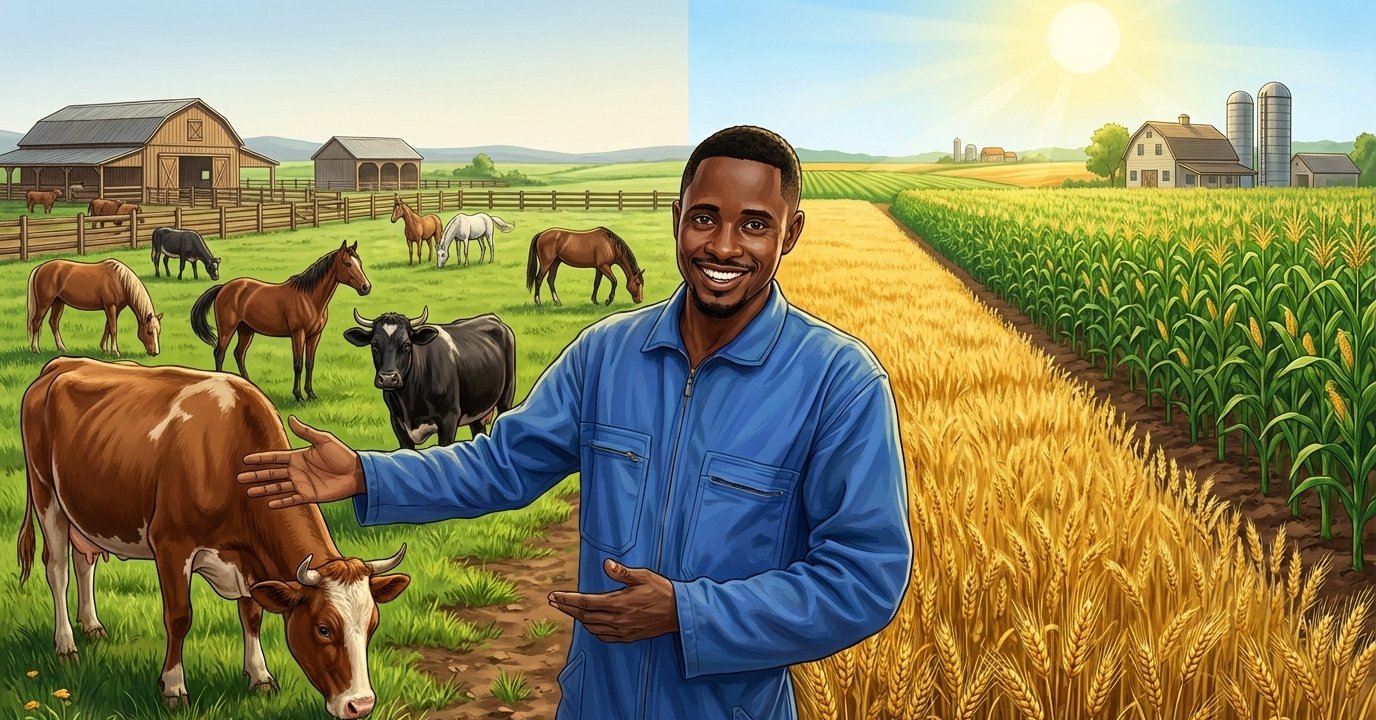
Understanding the distinction between a ranch and a farm is essential for anyone entering the agribusiness sector. While both are pillars of the agricultural industry, they differ fundamentally in their primary purpose, land utilization, and daily operations. At its core, the difference lies in the commodity produced: one focuses on biotic resources (livestock), while the other focuses on arable production (crops).
Differentiating the Primary Purpose of Ranches and Farms
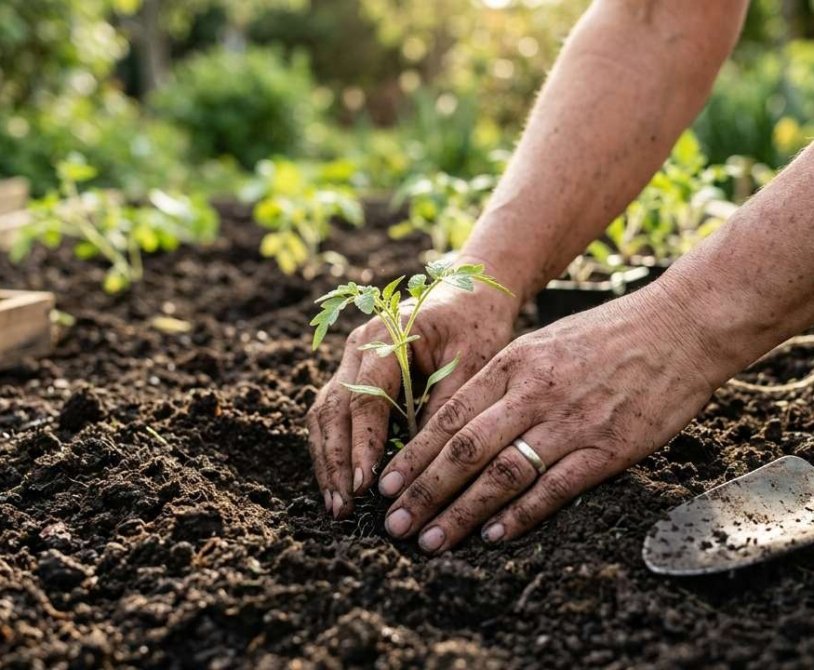
The most significant way to differentiate these two entities is by looking at their output. A ranch is a specific type of farm that primarily focuses on animal husbandry, particularly grazing livestock like cattle and sheep. In contrast, a farm is a broader term that typically refers to the cultivation of crops such as grains, vegetables, and fruits.
Core Differences at a Glance
| Feature | Ranch | Farm |
| Primary Focus | Raising livestock (Cattle, Sheep) | Cultivating crops (Grains, Produce) |
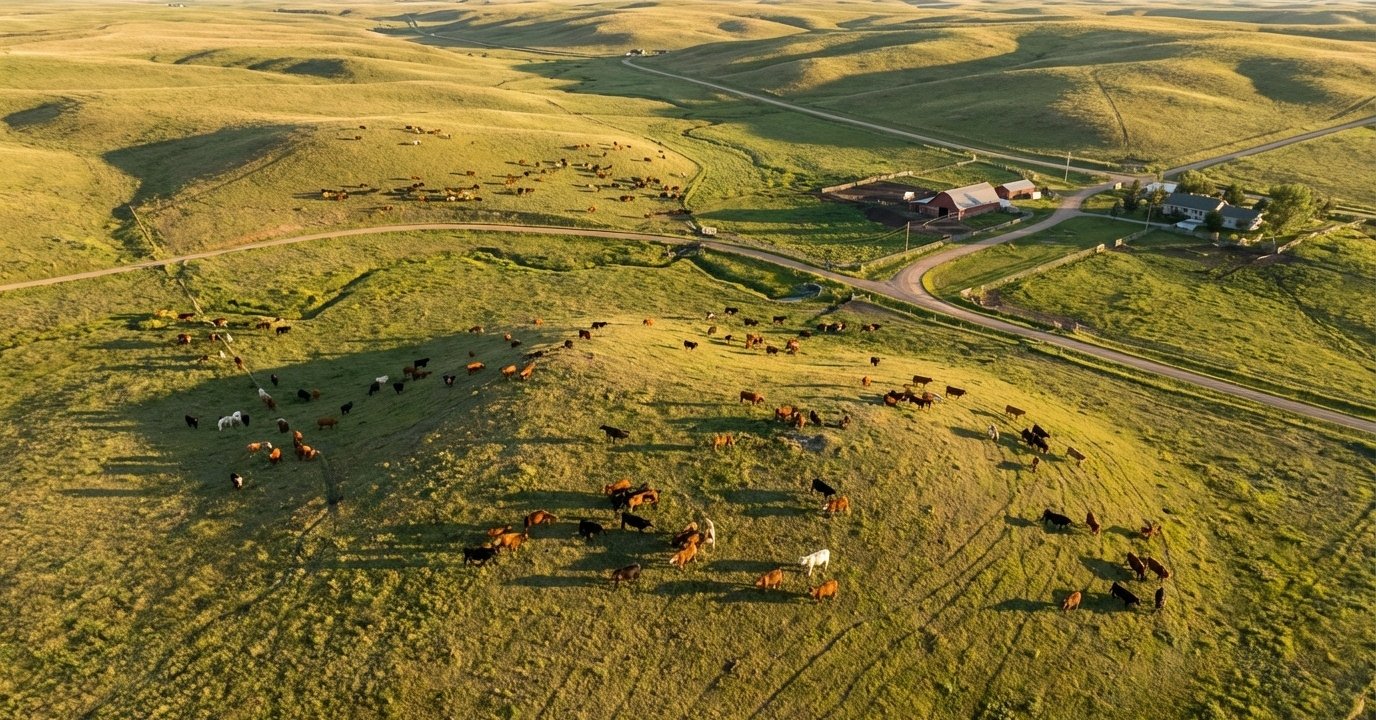
| Land Use | Large expanses of rangeland | Smaller, fertile arable fields |
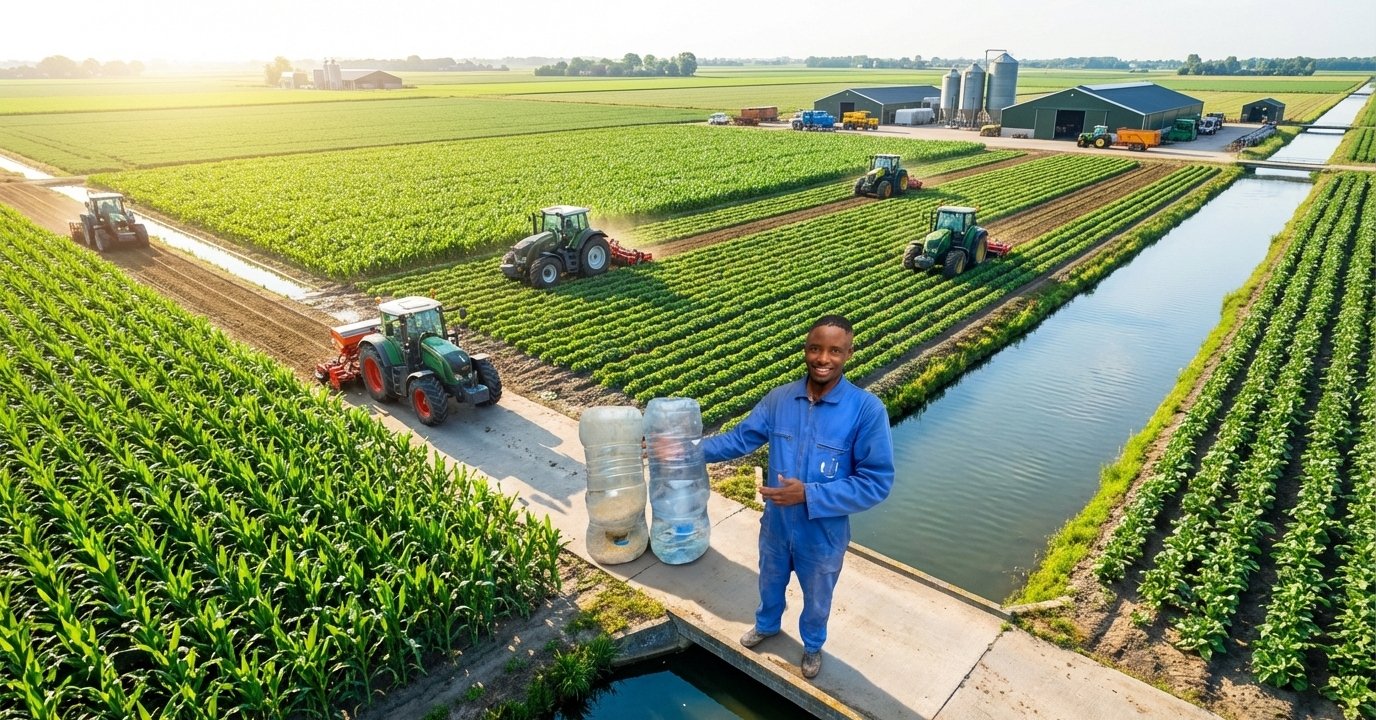
| Equipment | Trailers, ATVs, and horses | Tractors, plows, and harvesters |
| Ecosystem | Natural grasslands and pastures | Managed soil and irrigation systems |
The term “ranch” has its origins in the Spanish rancho, referring to a small farm or a group of people eating together. Today, ranches are significant to the beef and dairy industries, often requiring thousands of acres to support the grazing needs of large herds.
Types of Agricultural Practices and Land Management
Agriculture practices are heavily influenced by environmental factors such as topography, climate, and soil health. Because ranches rely on pastureland, they are often found in arid or semi-arid regions where the soil may not support intensive crop rows but can sustain hardy grasses.
Factors Influencing Land Operation
-
Weather and Climate: Ranches often thrive in drier climates where livestock can roam freely. Farms generally require moderate rainfall or sophisticated irrigation to sustain plant life.
-
Technology Integration: Modern farms utilize precision agriculture and GPS-guided machinery for sowing and harvesting. Ranches utilize technology for herd tracking and veterinary management.
-
Water Resources: While farms use water primarily for irrigation, ranches must manage water points (ponds, troughs, and wells) across vast distances to ensure livestock hydration.
Diversified Production in Modern Agribusiness
In many cases, the line between a ranch and a farm can blur. A diversified farm might grow corn while also keeping a small herd of pigs or goats. Similarly, a rancher might grow hay or silage specifically to feed their cattle during winter months. This integration is a hallmark of sustainable agriculture, where animal manure provides natural fertilizer for the soil, and crop residues provide supplemental feed for the animals.
Livestock Management and Herd Dynamics
Livestock management is a sophisticated discipline that varies greatly between these two settings. On a farm, animals are often kept in smaller, controlled environments to maximize yield or provide specific dairy products. On a ranch, management focuses on herd health across wide-open spaces.
Comparing Management Techniques
-
Breeding Cycles: Farms often use intensive breeding programs to maximize annual output. Ranches frequently allow for more natural breeding patterns within the herd.
-
Grazing Strategies: Ranchers must master rotational grazing to prevent land degradation and soil erosion, ensuring the grassland remains productive for future seasons.
-
Species Variation: While ranches are synonymous with cattle, they also frequently involve horses for herding and goats or sheep for brush management.
The Economic and Environmental Impact of Agriculture
Both ranches and farms are vital to global food security and rural development. They generate tax revenue, create employment, and contribute to international trade through exports.
Environmental Stewardship
Modern agriculturalists are increasingly focused on their ecological footprint.
-
Carbon Sequestration: Grasslands on ranches act as massive carbon sinks, helping to mitigate greenhouse gas emissions.
-
Biodiversity: Well-managed ranches provide habitats for wildlife, whereas farms must balance crop protection with the local ecosystem.
-
Sustainable Challenges: Both face challenges like climate change, market fluctuations, and labor shortages. Proactive strategies, such as drip irrigation and soil health restoration, are becoming standard practice to ensure long-term viability.
Summary of the Ranch vs. Farm Comparison
Ultimately, there isn’t one “ideal” way to manage land. Whether a property is a ranch or a farm depends on the land’s natural capabilities and the owner’s socioeconomic goals. While the cowboy and the farmer have different daily routines, both are essential managers of our natural resources.
Frequently Asked Questions (FAQ)
What is the main difference between a ranch and a farm?
A ranch focuses on raising livestock (animal husbandry), while a farm primarily focuses on growing crops (agronomy).
What animals are typically found on a ranch?
Cattle are the most common, followed by horses, sheep, and goats.
Can a property be both?
Yes. Many modern agricultural operations are “integrated,” utilizing portions of land for crops and others for livestock grazing.
Which requires more land?
Generally, ranches require significantly more acreage because grazing animals need vast amounts of land to meet their nutritional requirements without overgrazing.