In commercial aquaculture, the cost of treating an outbreak is often ten times higher than the cost of prevention. Once a pathogen (bacteria, virus, or parasite) enters a high-density pond, horizontal transmission occurs rapidly, often leading to total stock mortality.
Preventing fish diseases is not about luck; it is about managing the Environmental Stressors that suppress a fish’s immune system. This guide covers the pillars of prophylactic management to keep your farm profitable.
1. Optimize Water Chemistry for Immune Support
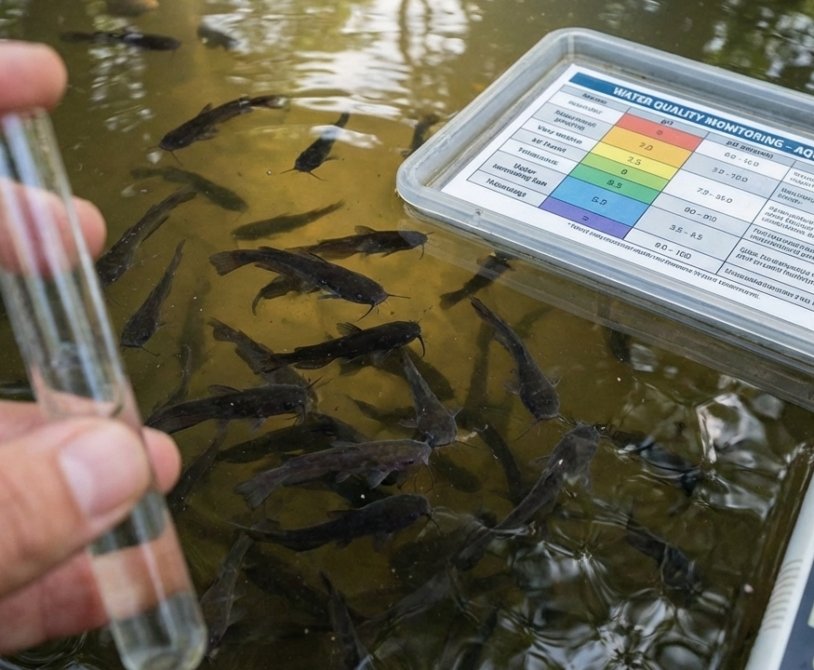
Water is the primary medium for disease transmission. When water quality fluctuates, fish divert energy from their immune system to osmoregulation (maintaining internal salt balance), leaving them vulnerable.
Critical Parameters to Control:
-
Nitrogenous Waste: High Ammonia ($NH_3$) and Nitrite ($NO_2^-$) levels cause gill lesions, providing entry points for bacteria like Aeromonas.
-
Dissolved Oxygen (DO): Chronic low oxygen stresses the heart and liver. Maintain DO above 5 mg/L for optimal resistance.
-
Thermal Stability: Sudden temperature swings can trigger Ich (White Spot Disease).
2. Implement Strict Farm Biosecurity Protocols
Biosecurity is the set of practices used to prevent the introduction of infectious agents into your facility.
-
Quarantine (The 14-Day Rule): Never stock new fingerlings directly into your main production ponds. Isolate them in a “Quarantine Tank” for at least two weeks to monitor for latent infections.
-
Footbaths and Disinfection: Place containers with a disinfectant solution (like potassium permanganate) at pond entrances to kill pathogens carried on shoes.
-
Equipment Segregation: Use separate nets and buckets for different ponds to prevent cross-contamination.
3. Manage Stocking Density to Reduce Pathogen Load
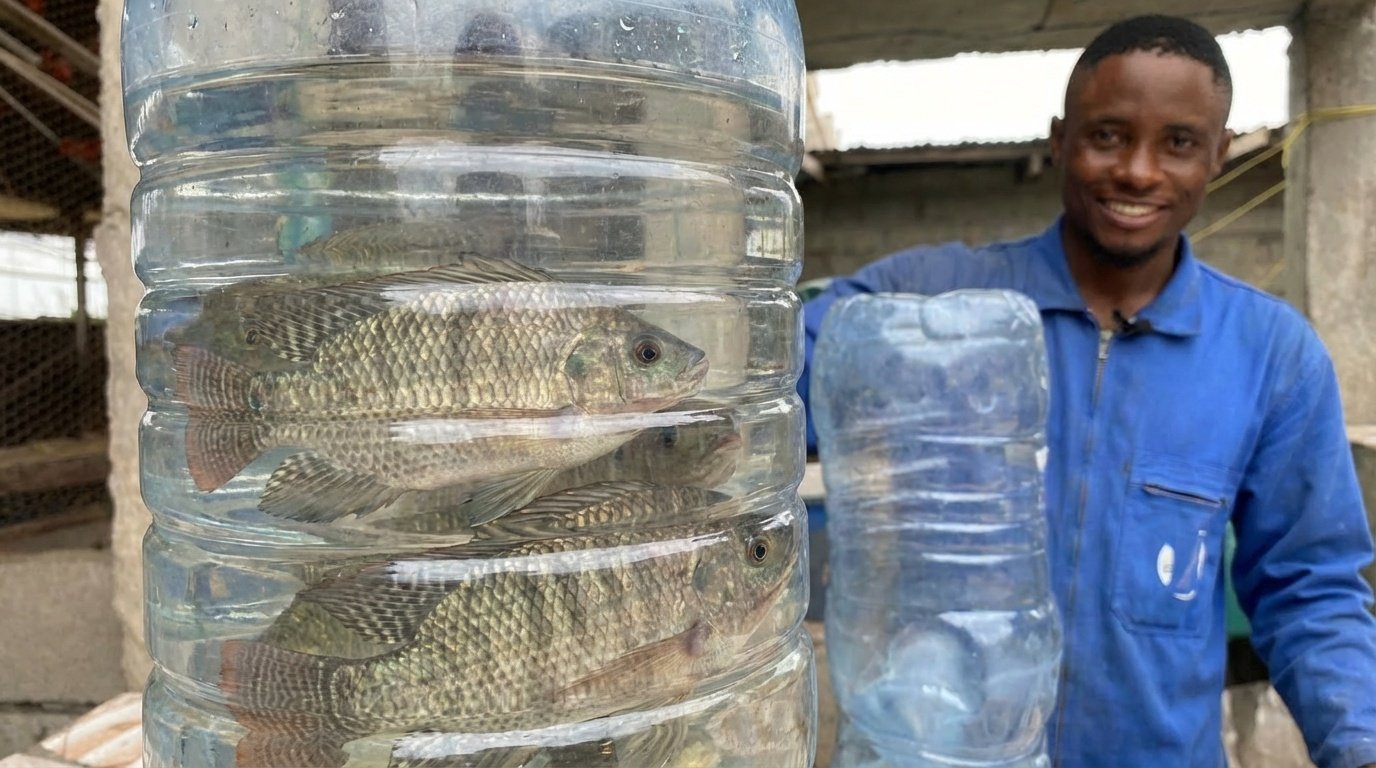
Overcrowding is the #1 precursor to disease. High density leads to:
-
Increased physical contact (spreading parasites like Gyrodactylus).
-
Higher organic load (feces and uneaten feed).
-
Lowered oxygen saturation.
Expert Rule: Always adhere to the Carrying Capacity of your specific system. If you cannot increase aeration, you must decrease stocking density.
4. Nutritional Immunology: Feeding for Health
A malnourished fish cannot fight off a viral load.
-
Vitamin C and E: Ensure your feed is fresh; these vitamins are crucial for skin integrity and immune response, but degrade quickly in heat.
-
Avoid Overfeeding: Excess feed rots at the bottom, creating an anaerobic environment where harmful bacteria thrive.
-
Aflatoxin Prevention: Store feed in a cool, dry, and ventilated area to prevent mold growth, which causes liver damage and “Broken Back Syndrome.”
5. Early Warning Signs: The “Daily Observation” Routine
Successful farmers “listen” to their fish. Look for these clinical signs of distress:
| Observation | Potential Issue | Immediate Action |
| Flashing/Scratching | External Parasites | Check pH; Consider a salt bath. |
| Piping (Surface Gasping) | Hypoxia (Low Oxygen) | Turn on aerators; Stop feeding. |
| Hemorrhaging (Red Spots) | Bacterial Septicemia | Isolate fish; Check ammonia levels. |
| White “Cotton” Patches | Fungal Infection (Saprolegnia) | Improve water clarity; Remove dead organic matter. |
6. Proactive Pond Maintenance
-
Mortality Removal: Remove dead fish immediately. Carcasses are “pathogen factories” that release millions of bacteria into the water as they decompose.
-
Sediment Management: Periodically remove the “sludge” at the pond bottom. This anaerobic layer is where most harmful pathogens reside.
-
Probiotics: Use beneficial bacteria (like Bacillus species) to outcompete harmful bacteria for nutrients in the water.
Disease prevention is the hallmark of a professional fish farmer. By focusing on water stability, strict biosecurity, and stress reduction, you create a fortress around your investment. Remember: A stressed fish is a sick fish.
FAQ: Fish Health Management
-
What is the best natural disinfectant for fish ponds?
Common salt (non-iodized) is excellent for reducing osmotic stress and killing many external parasites.
-
Why are my fish dying after a heavy rain?
Rain can cause a “pH crash” or bring in agricultural runoff. It can also cause thermal stratification to flip, bringing toxic bottom-water to the surface.
-
Can I use human antibiotics on my fish?
No. This leads to antimicrobial resistance and can be toxic to the fish. Only use treatments approved for aquaculture.