Starting a broiler chicken farm is an ambitious venture with the potential for significant returns. However, the barrier to entry is defined by a wide financial spectrum, ranging from a $5,000 small-scale pilot to a $2 million+ industrial powerhouse. For the modern poultry entrepreneur, “guessing” is not a strategy. Success requires a forensic understanding of every dollar spent before the first chick arrives.
The Architecture of Your Initial Investment
The total capital required is dictated by your scale and the level of automation you choose. While land and housing represent the “heavy lifting” of your budget, the “silent killers” are often the operational variables like biosecurity and utility fluctuations. To get a precise figure tailored to your specific goals, you can use our interactive Farm Setup Cost Estimator to calculate your projected investment in real-time.
Land Acquisition and the Zoning Minefield
Your journey begins with the earth beneath your feet. Agricultural land typically commands between $3,500 and $5,000 per acre, but the price tag is only half the story. You must navigate federal, state, and local zoning laws that dictate “setback” distances from property lines and water sources.
In the modern landscape, many farmers operate under a contract system with integrators. This model has provided a stable framework for over 50 years, where the integrator provides the genetics and feed, while the farmer provides the “mortgage, muscle, and management.”
Construction: Building the Internal Heat Engine
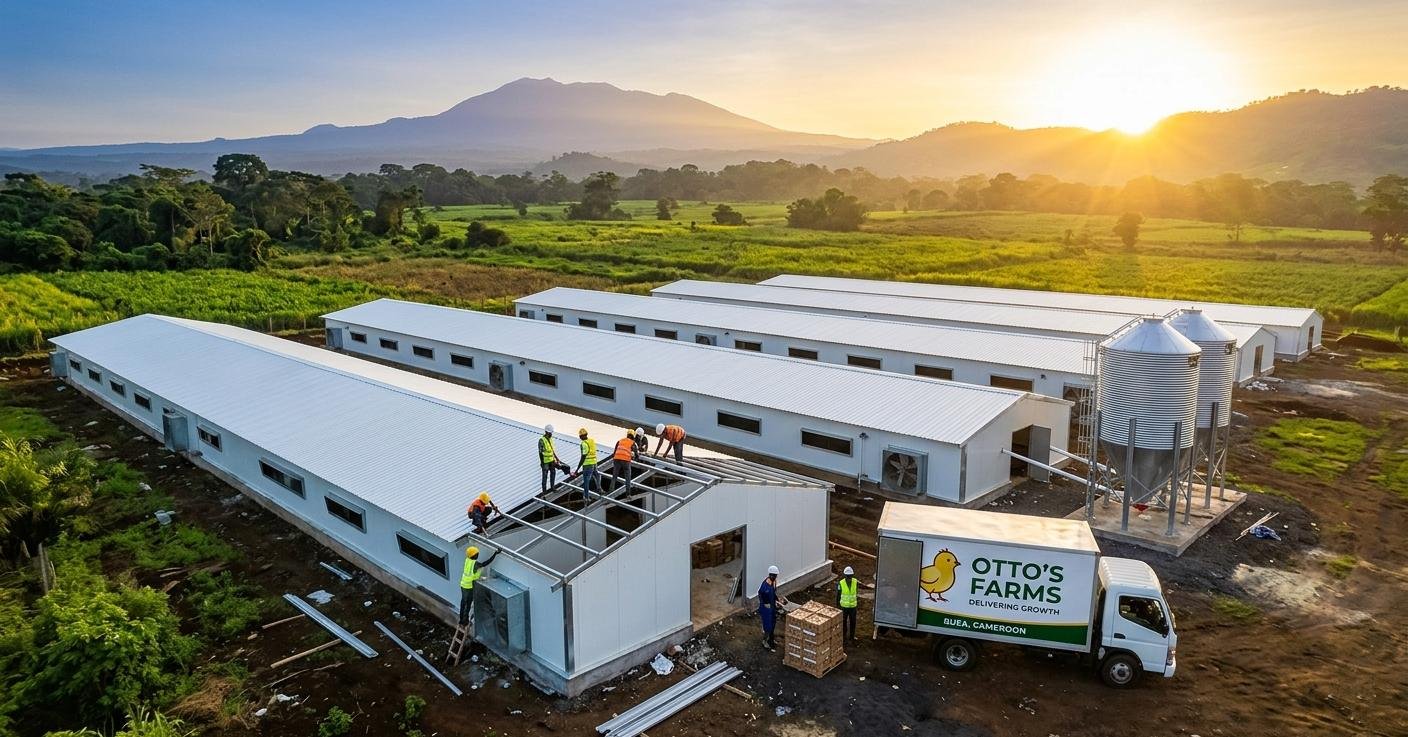
Housing is your largest fixed asset. A single broiler house can cost between $5,000 for basic structures to $30,000+ for high-spec, climate-controlled units. For a standard commercial medium-sized operation, expect a housing budget of approximately $75,000.
The Variable Engines: Chicks, Feed, and Health
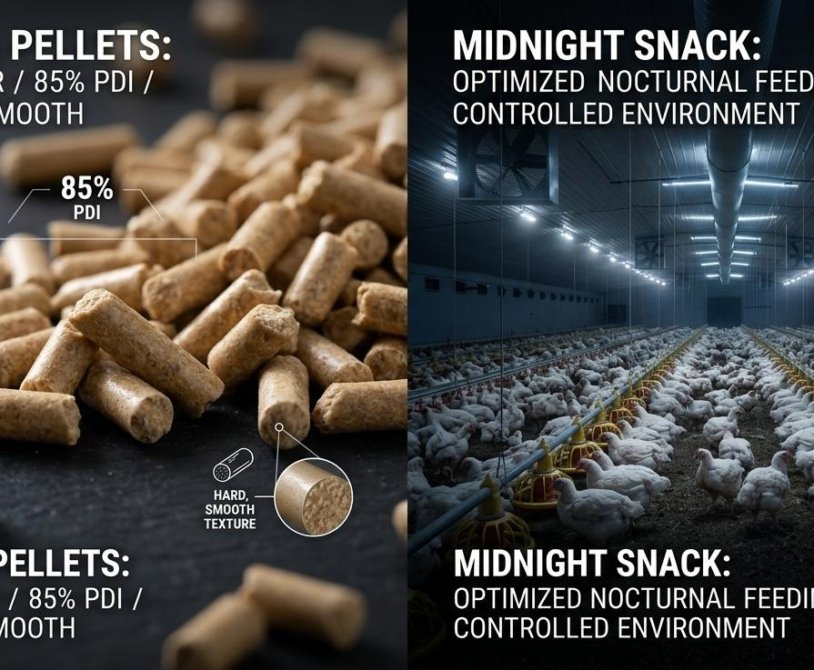
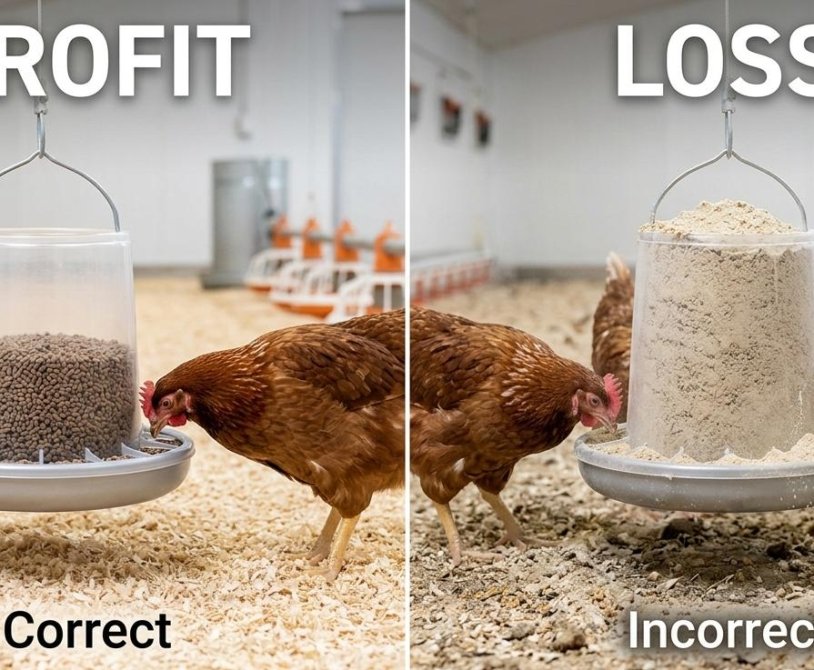
Once the infrastructure is standing, your “Variable Costs” take over. Feed is the undisputed heavyweight, often accounting for 70% of your total operating expenses.
-
Genetic Acquisition: Budget approximately $700 per 200 day-old chicks.
-
The Nutritional Load: Conventional feed averages $3.20 per bird, but moving into GMO-Free ($5.30) or Organic ($6.95) tiers significantly raises your break-even point.
-
Biosecurity & Healthcare: Never cut corners on health. A minimum of $500 per flock of 200 should be reserved for vaccinations and veterinary oversight to prevent catastrophic losses.
Operational Mechanics and the “Otto’s Farms” Secret
The efficiency of your farm relies on the machinery you install. From automated feeders to backup generators, expect to invest $1,000 to $1,200 per batch in equipment maintenance and upgrades.
However, the true secret to profitability lies in Utility Management. Poultry farming is energy-intensive. Climate control, lighting, and automated systems require a robust power grid. Furthermore, water temperature is a critical “livability” factor; if your water exceeds 24°C, birds will stop drinking, feed conversion will stall, and your investment will begin to evaporate.
Regulatory Compliance and Financial Shielding
You cannot operate in a vacuum. Permits, environmental impact licenses, and food safety certifications are non-negotiable costs. Coupled with this is the necessity of Insurance. A comprehensive policy covering general liability, property, and specialized poultry loss is the only thing standing between a manageable setback and a total business collapse.
Financing Your Vision
Very few farmers start with pure cash. The U.S. poultry industry, which contributed $35.5 billion to the economy in 2020, is well-supported by financial institutions:
-
Commercial Banks: Best for short-term operating lines of credit.
-
The Farm Credit System: Tailored for medium and long-term infrastructure projects.
-
Farm Service Agency (FSA): A vital resource for first-time farmers who may lack the collateral required by traditional banks.
Data-Driven Farming
A successful broiler farm isn’t built on hope; it’s built on a spreadsheet. By meticulously calculating your land, construction, and operational costs, you transform a risky venture into a calculated business.
Ready to stop estimating and start planning? Use our Farm Setup Cost Estimator to generate a customized financial roadmap for your poultry business today.