
Discover how gut health plays a crucial role in preventing broiler chicken diseases. Learn about microbiome balance and nutrition strategies for healthier poultry.
Organic agricultural products right to your table!
Maintaining flock health is a constant battle against viral, bacterial, and protozoal threats that can devastate a farm’s profitability. The most pervasive economic challenge is Coccidiosis, a parasitic infection of the intestinal tract that severely impairs nutrient absorption and leads to poor Feed Conversion Ratios (FCR). On the viral front, farmers must guard against highly contagious respiratory diseases like Newcastle Disease (ND) and Infectious Bronchitis (IB), which can cause high mortality rates if vaccination protocols are ignored. These diseases often spread rapidly in high-density environments, making early detection of lethargy or respiratory “snicking” essential for survival.
In 2026, the industry is placing a heightened focus on managing bacterial enteric diseases, particularly Necrotic Enteritis caused by Clostridium perfringens. As the shift toward antibiotic-free production continues, preventing these infections relies heavily on biosecurity and gut integrity rather than routine medication. Modern management strategies include the use of competitive exclusion products and acidifiers in drinking water to inhibit the growth of pathogens like Salmonella and E. coli. By combining a rigorous vaccination schedule with strict “all-in, all-out” management, farmers can mitigate these biological risks and ensure the flock reaches market weight on schedule.
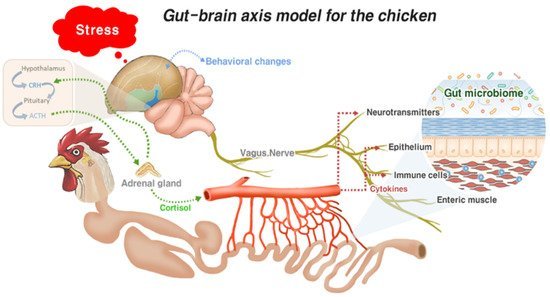
Discover how gut health plays a crucial role in preventing broiler chicken diseases. Learn about microbiome balance and nutrition strategies for healthier poultry.
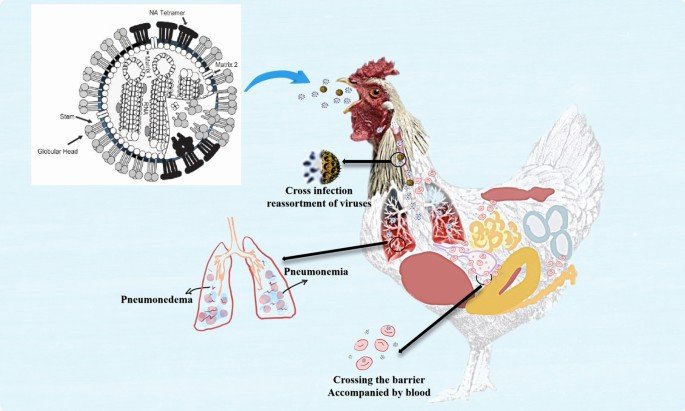
Learn about diagnosing and managing common respiratory diseases in broiler chickens. Explore symptoms, treatment options, and prevention strategies for optimal flock health.
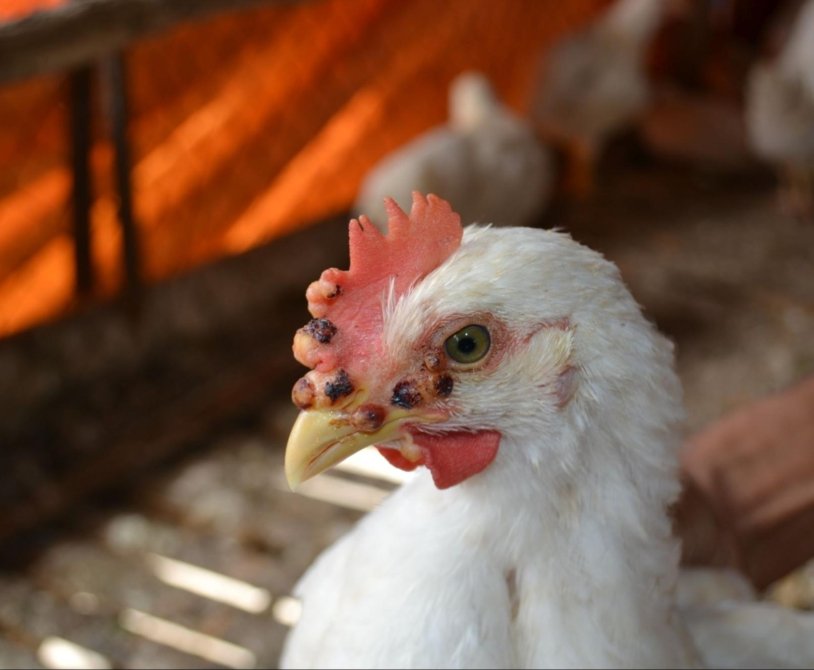
Learn to identify early warning signs of disease in broiler chickens and how to respond effectively. Protect your flock with expert guidance on detection and action.
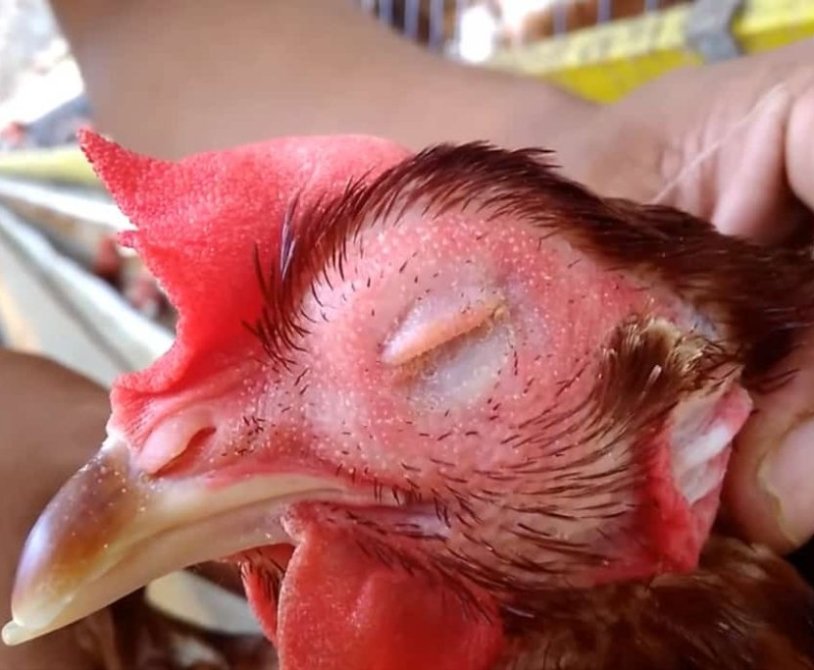
Learn how to identify and treat avian influenza in broiler chickens. Discover key symptoms, prevention strategies, and effective treatment methods for poultry farmers.
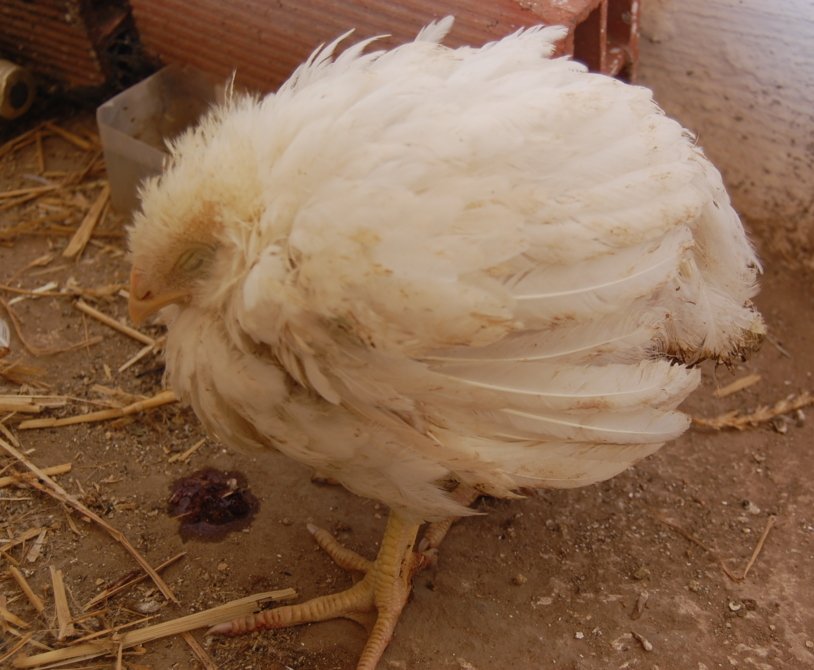
Discover the causes, symptoms, and treatment of coccidiosis in broiler chickens. Learn how to prevent and manage this common poultry disease for healthier flocks.
Discover essential information about Newcastle Disease, including its symptoms, prevention strategies, and control measures for effective poultry health management.
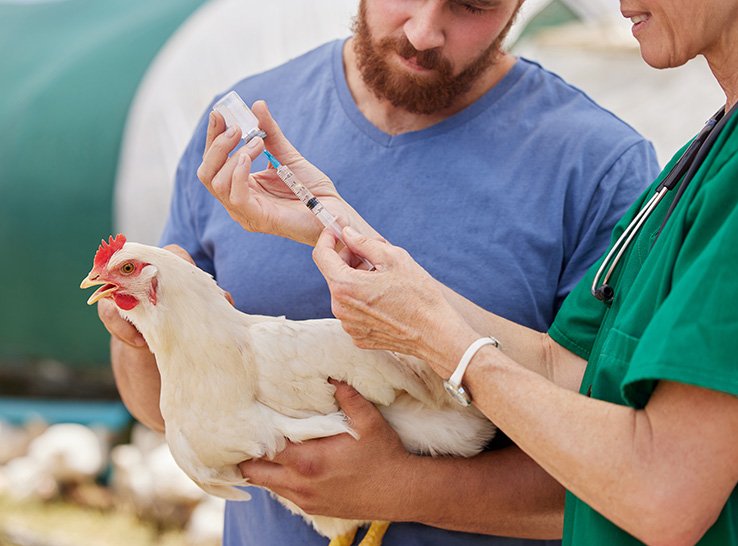
Learn how to use vaccination to protect broiler chickens from common diseases. Discover effective strategies for poultry immunization and disease prevention in your flock.
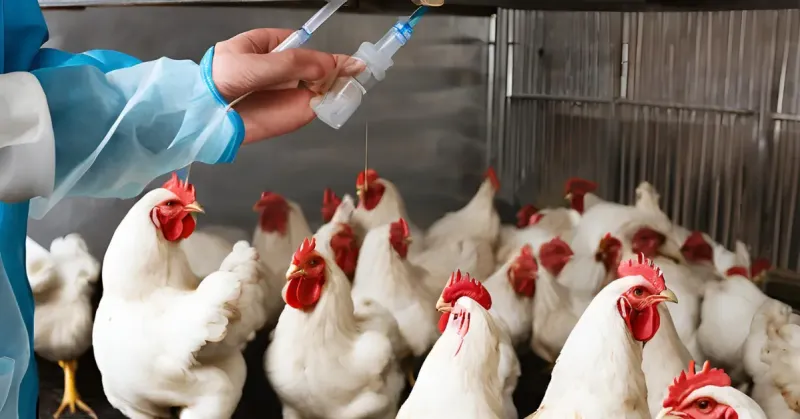
Explore real-world examples of Case Studies: Successful Disease Prevention Programs in Broiler Farms. Learn effective strategies for protecting poultry health and maximizing farm productivity.