
Starting a broiler chicken farm is exciting and could be very profitable. But it’s important to know the costs first. The costs can vary a lot, from $5,000 for a…
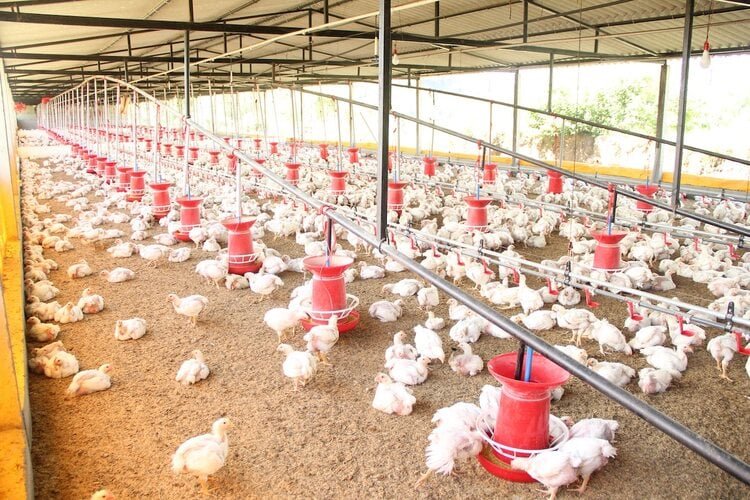
Organic agricultural products right to your table!
The primary cost structure of broiler farming is dominated by operational inputs, specifically feed and day-old chicks (DOCs). Because broilers are bred for rapid growth, high-quality commercial feed typically accounts for 60% to 70% of the total production cost. Beyond nutrition, initial capital is required for biosecure housing and specialized equipment like feeders, waterers, and brooders. Variable costs also include essential veterinary care, such as vaccinations and medications, which are non-negotiable expenses to prevent flock mortality and ensure a viable return on investment.
On the revenue side, the benefit is realized through the high turnover rate of the production cycle. Unlike other livestock, broilers reach market weight in as little as 6 to 8 weeks, allowing farmers to complete multiple “crops” per year and maintain consistent cash flow. Profitability is measured by the Feed Conversion Ratio (FCR)—the efficiency with which the birds turn feed into body mass. A lower FCR means higher profit margins, as it indicates the farm is producing more meat with less expenditure on its most expensive input.
A comprehensive cost-benefit analysis must also weigh market volatility and biological risks against the potential rewards. While the demand for poultry remains high due to its status as an affordable protein, farmers must navigate fluctuating feed prices and the constant threat of disease outbreaks. Successful operations mitigate these risks through strict hygiene protocols and economies of scale. Ultimately, when managed with technical precision, broiler farming offers a lucrative opportunity characterized by rapid capital recovery and scalable growth.
Starting a broiler chicken farm is exciting and could be very profitable. But it’s important to know the costs first. The costs can vary a lot, from $5,000 for a…
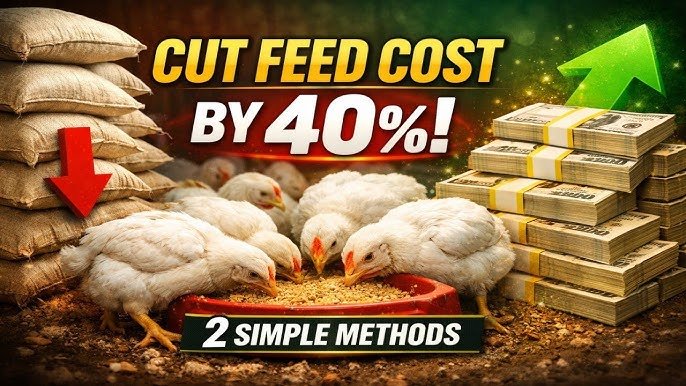
Poultry farming can be very rewarding, but high costs can eat into profits. This article shares 12 practical ways to help broiler chicken farmers cut costs. You’ll learn how to…
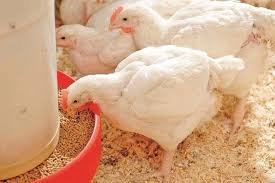
The world is eating more meat than ever before. This is because more people are living in cities and earning more money. The poultry industry in the United States is…