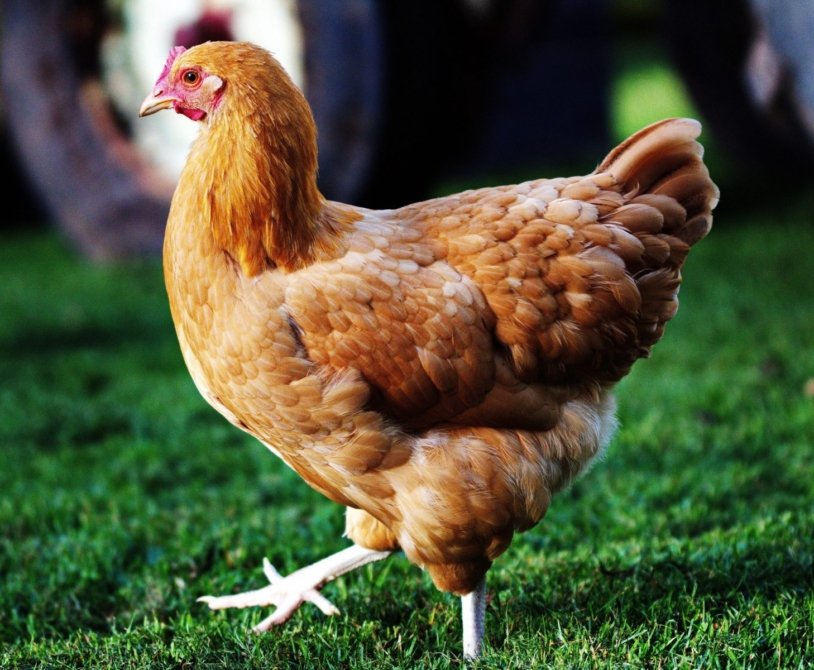
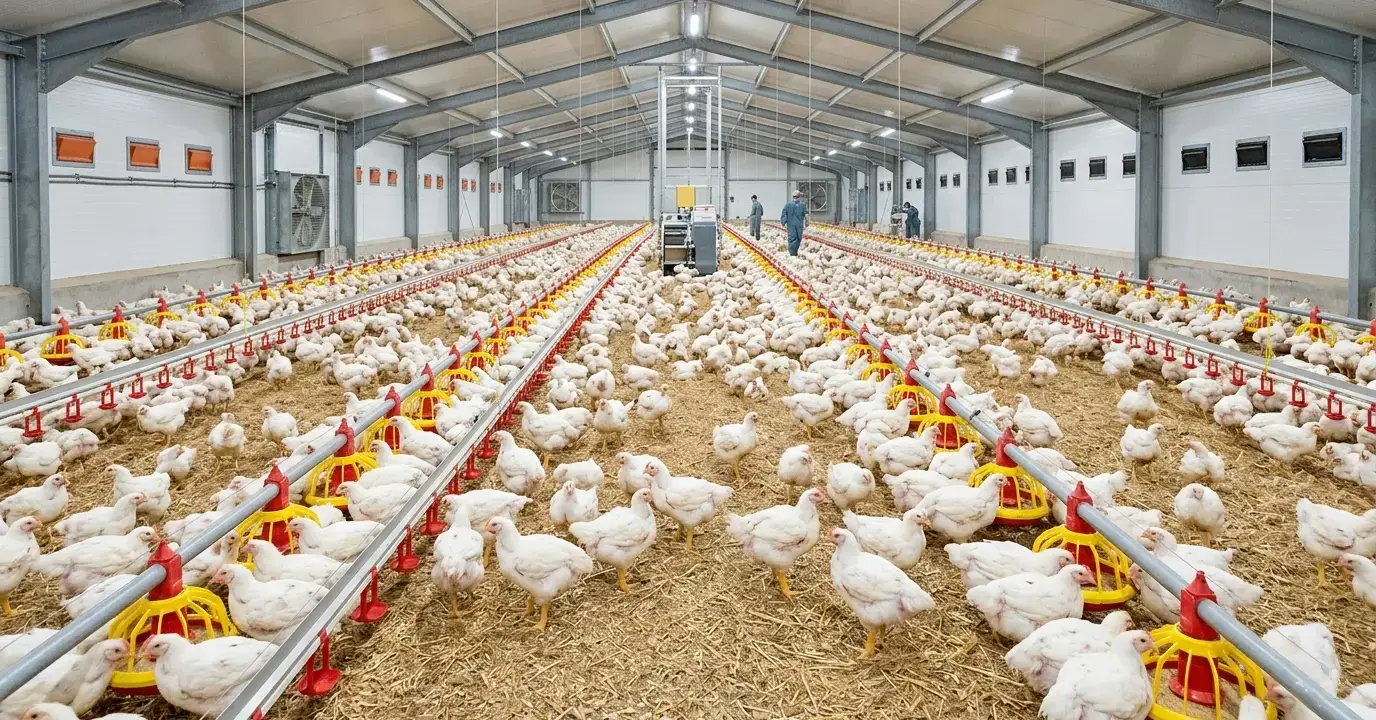
The Cobb 500 is the most widely produced broiler breed on the planet. It holds that position not because of marketing but because of measurable biological performance: it converts feed into body weight faster, at a lower feed cost per kilogram of meat, than any other commercially available broiler line.
For a poultry farmer making a breed selection decision, that efficiency advantage is the starting point. But the Cobb 500’s performance is not automatic. It is conditional on correct nutrition, precise environmental management, disciplined biosecurity, and a production system designed around the bird’s specific physiological requirements.
This guide covers what the Cobb 500 is, how it performs under documented production conditions, what inputs it requires to reach those benchmarks, and what can go wrong when those inputs are not met.
What Is the Cobb 500?
The Cobb 500 is a commercial broiler hybrid developed by Cobb-Vantress, a subsidiary of Tyson Foods and one of the world’s leading poultry genetics companies. It is a four-way cross — meaning it is produced by crossing two specific male lines with two specific female lines — to concentrate heterosis (hybrid vigor) in the commercial offspring.
The “500” designation refers to the product line within the Cobb breed portfolio. Current versions of the Cobb 500 reflect decades of selective breeding pressure on two primary traits: feed conversion ratio (FCR) and average daily gain (ADG).
The breed is produced globally through a grandparent and parent stock multiplication system. Farmers purchasing day-old Cobb 500 chicks from a hatchery are buying the terminal cross — the commercial generation that is raised to slaughter weight and does not reproduce.
Cobb 500 Performance Benchmarks
The Cobb 500’s documented production targets, published in the Cobb 500 Broiler Performance and Nutrition Supplement, provide the baseline against which farm performance should be measured.
Live Weight Targets (Mixed Sex)
| Age (Days) | Target Live Weight (g) | Average Daily Gain (g/day) |
|---|---|---|
| 7 | 190 | 24 |
| 14 | 490 | 43 |
| 21 | 930 | 63 |
| 28 | 1,480 | 79 |
| 35 | 2,070 | 84 |
| 42 | 2,650 | 84 |
These targets assume optimal environmental conditions, correct feed formulation, ad libitum feed and water access, and a disease-free flock. Under typical commercial conditions in tropical West and Central Africa, achieving 90–95% of these targets is a realistic performance benchmark.
Feed Conversion Ratio
The Cobb 500’s FCR at 35 days under optimal conditions is approximately 1.65–1.70 kg feed per kg live weight. At 42 days, FCR rises to 1.80–1.90 as the maintenance energy requirement per kilogram of bodyweight increases with size.
FCR is the single most important economic variable in broiler production. A difference of 0.10 in FCR across a 10,000-bird flock producing birds to 2.0 kg live weight means 2,000 kg of additional feed consumed with no corresponding increase in revenue. At current feed prices in Cameroon and Nigeria, that gap can determine whether a production cycle is profitable or loss-making.
Livability (Survival Rate)
The Cobb 500 target livability is 95–97% over a 35–42 day grow-out. Mortality below 3% indicates adequate biosecurity, correct brooding management, and acceptable environmental conditions. Mortality above 5% requires a systematic review of ventilation, water quality, stocking density, and vaccination protocol.
European Production Efficiency Factor (EPEF)
The EPEF is a composite index that combines live weight, FCR, livability, and age at slaughter into a single performance score:
EPEF = (Livability % × Average Live Weight kg) ÷ (FCR × Age in Days) × 100
A well-managed Cobb 500 flock at 35 days should achieve an EPEF of 350–400. Top-performing commercial operations consistently exceed 400. An EPEF below 300 indicates significant underperformance in at least one production parameter.
Nutritional Requirements: What the Cobb 500 Needs to Perform
The Cobb 500’s rapid growth rate creates high and precise nutritional demands. Underfeeding any limiting nutrient — energy, protein, lysine, methionine, calcium, or phosphorus — compresses the growth curve and widens the FCR.
Feed Phase Program
Commercial Cobb 500 production uses a three- or four-phase feeding program matched to the bird’s changing nutrient priorities across the grow-out period.
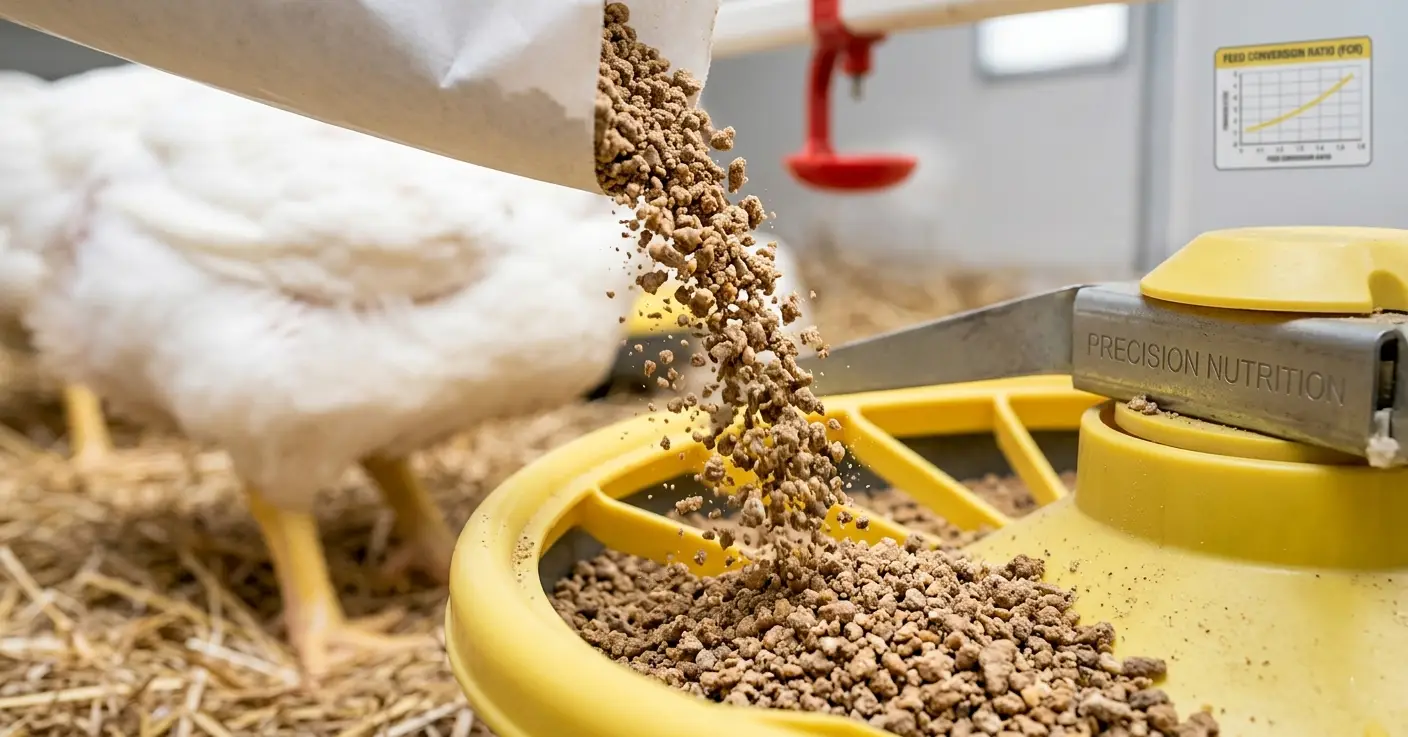
Starter feed (Day 1–10): Highest crude protein content (22–23%) to support rapid muscle fiber development during the early growth phase. Metabolizable energy (ME) target: 2,950–3,000 kcal/kg. Lysine: 1.35–1.44%. This phase establishes the muscle fiber number that determines the bird’s ultimate growth potential. Underfeeding protein during the starter phase permanently limits subsequent performance — it cannot be compensated in later phases.
Grower feed (Day 11–24): Protein reduced to 20–21% as skeletal and muscle growth accelerate. ME increases to 3,050–3,100 kcal/kg to support higher daily energy demand. Lysine: 1.20–1.30%.
Finisher feed (Day 25–35 or slaughter): Protein further reduced to 18–19%. ME maintained at 3,100–3,150 kcal/kg. Fat supplementation in finisher rations improves energy density and supports the final weight gain phase. Some operations use a pre-slaughter withdrawal feed (no anticoccidials or antibiotic growth promoters) during the last 5–7 days to meet market withdrawal requirements.
Water: The Most Underestimated Input
Water intake in broilers is approximately 1.7–2.0 times feed intake by weight. At 30°C ambient temperature, water demand increases by 6–7% per degree above the thermoneutral zone. A 10,000-bird Cobb 500 flock in a West African tropical climate requires 2,000–3,000 liters of clean water per day during peak growth phases.
Water line pressure, nipple drinker height (adjusted weekly as birds grow), and water quality (bacterial contamination, pH, mineral load) are production variables that affect FCR and livability as directly as feed formulation. Waterline sanitation — flushing lines with chlorinated water at 3–5 ppm residual chlorine — is a biosecurity measure that is frequently overlooked and frequently responsible for unexplained mortality spikes.
Environmental Management: The Cobb 500’s Critical Dependency
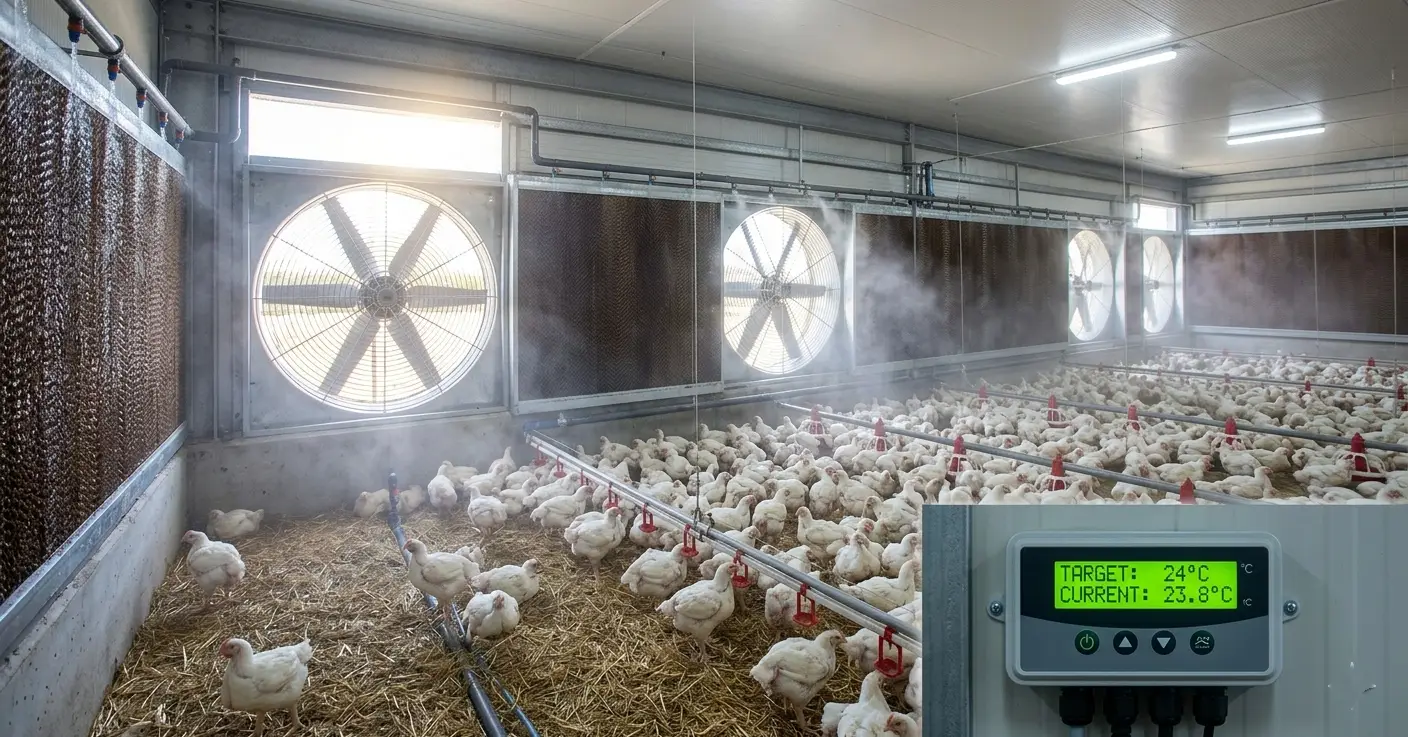
The Cobb 500 is a high-output biological machine with a narrow environmental tolerance. Its rapid growth rate generates substantial metabolic heat — a 2 kg Cobb 500 produces approximately 8–9 watts of heat continuously. In a 10,000-bird house, that is 80–90 kilowatts of continuous heat generation that ventilation must remove.
Temperature Management by Age
| Age | Target House Temperature | Relative Humidity |
|---|---|---|
| Day 1–3 | 32–34°C | 60–70% |
| Day 4–7 | 30–32°C | 60–70% |
| Week 2 | 28–30°C | 60–65% |
| Week 3 | 26–28°C | 55–65% |
| Week 4–slaughter | 22–24°C | 50–65% |
In tropical climates where ambient temperatures routinely exceed the target house temperature during weeks 3–5, heat stress becomes the primary production constraint. Heat-stressed Cobb 500 birds reduce feed intake, increase water consumption, pant (increasing respiratory rate from 20 breaths per minute to 150+), and redistribute blood flow away from the digestive tract — directly reducing nutrient absorption and FCR.
Effective heat management in a Cobb 500 house in West Africa requires a combination of reflective roofing, ceiling insulation, tunnel or cross-ventilation, and evaporative cooling (fogging) during peak afternoon heat. No single measure is sufficient alone.
Litter Management
Litter quality directly affects Cobb 500 performance through two mechanisms: ammonia production and footpad dermatitis.
Ammonia above 20 ppm at the bird level damages the respiratory epithelium, reducing immune function and increasing susceptibility to respiratory pathogens, including Newcastle disease virus and Mycoplasma gallisepticum. Ammonia above 50 ppm visibly depresses feed intake and average daily gain.
Footpad dermatitis — lesions on the plantar surface of the foot caused by wet litter contact — reduces mobility, feed access, and flock uniformity. Severe footpad dermatitis is the most common cause of downgrading in broiler processing.
Target litter moisture below 30%. Ventilation is the primary tool for moisture control. Supplemental litter treatments (ferrous sulfate, acidified clay) can reduce ammonia production in wet litter but do not substitute for adequate ventilation.
Stocking Density: The Cobb 500’s Space Requirement
Stocking density in Cobb 500 production is specified in kilograms of live weight per square meter at slaughter — not birds per square meter — because the relevant constraint is the total biomass the house environment must support, not bird count.
Standard commercial density targets:
- Natural ventilation only: 25–30 kg/m² maximum
- Tunnel ventilation with evaporative cooling: 35–40 kg/m²
- High-specification climate-controlled houses: up to 42 kg/m²
For a farm targeting 2.0 kg slaughter weight with natural ventilation, this translates to 12–15 birds per square meter stocked at day-old. Overstocking above the ventilation system’s capacity to maintain target temperatures and litter quality compresses the performance of every bird in the house and increases mortality nonlinearly — the damage compounds rather than scales proportionally.
Health Management and Vaccination Protocol
The Cobb 500’s rapid growth rate creates specific health vulnerabilities. High growth velocity places physiological stress on the cardiovascular and respiratory systems — the primary reason Cobb 500 birds are more susceptible to ascites (water belly) and sudden death syndrome (SDS) than slower-growing breeds.
Core Vaccination Schedule for West/Central Africa
| Age | Disease | Vaccine Type | Route |
|---|---|---|---|
| Day 1 (hatchery) | Marek’s Disease | Live + cell-associated | Subcutaneous injection |
| Day 7–10 | Newcastle Disease | La Sota or Clone 30 | Eye drop or drinking water |
| Day 14 | Gumboro (IBD) | Intermediate strain | Drinking water |
| Day 21 | Newcastle Disease (booster) | La Sota | Drinking water |
| Day 24–28 | Gumboro (booster) | Intermediate plus | Drinking water |
Newcastle disease and Infectious Bursal Disease (Gumboro) are the two highest-priority pathogens in the West and Central African production context. Both suppress immune function and create secondary infection vulnerability that elevates mortality and depresses FCR far beyond the direct effect of the primary pathogen.
Vaccine cold chain integrity — maintaining the 2–8°C storage requirement from hatchery to point of administration — is the most common point of failure in field vaccination programs. A vaccine stored at 25°C for four hours before administration may deliver zero immunological protection regardless of correct dosing and timing.
Ascites and Sudden Death Syndrome Prevention
Both ascites and SDS are metabolic conditions, not infectious diseases, and cannot be vaccinated against. Prevention is managed through:
- Controlled early growth (reducing starter feed ME slightly in weeks 1–2 to slow growth velocity and reduce cardiac demand)
- Adequate ventilation to maintain oxygen availability
- Avoidance of sodium excess in feed or water
- Correct vitamin E and selenium supplementation in the starter ration
Ascites incidence above 1% and SDS incidence above 0.5% indicate a production system problem — most commonly inadequate ventilation or a starter ration with excessive energy density relative to the house’s environmental capacity.
Flock Uniformity: The Metric Most Producers Ignore
Flock uniformity — the percentage of birds within 10% of the average live weight at any point in the grow-out — is as important as average live weight for commercial performance.
A flock averaging 1,900g with 85% uniformity produces more consistent slaughter weights, fewer downgrades, and higher processing yield than a flock averaging 2,000g with 65% uniformity. Processing plants and wholesale buyers penalize non-uniform flocks through price discounts and rejected loads.
Uniformity below 75% at week 3 indicates a management problem: uneven feed distribution, water pressure variation across the house, inadequate feeder and drinker space, or a disease event that affected birds unevenly.
Feeder and drinker space requirements for Cobb 500:
- Linear feeder space: 2.5 cm per bird minimum (pan feeders: 1 pan per 60–70 birds)
- Nipple drinkers: 1 nipple per 10–12 birds at correct height and pressure (20–40 mbar)
Brooding Management: The First Seven Days Determine Everything
The Cobb 500 chick arrives at the farm with a yolk sac that provides nutrition for approximately 48–72 hours. Within that window, the chick must find feed and water, begin gut development, establish thermoregulation, and activate its immune system.
Management failures in the first seven days — inadequate brooding temperature, delayed feed access, water line pressure too high for day-old chicks to activate, poor chick distribution under brooders — produce growth setbacks that cannot be recovered later in the grow-out cycle.
Day-one brooding checklist:
- Pre-warm the house to 32–34°C at chick level for 24 hours before arrival
- Fill feeders and drinkers, and verify water flow before chicks are placed
- Place supplemental paper or trays with feed for the first 48 hours to encourage early feeding behavior
- Verify chick distribution is even across the brooding area within 2 hours of placement
- Check crop fill at 8 hours post-placement: 95%+ of chicks should have full, soft crops, indicating successful feed and water intake
Cobb 500 vs. Other Commercial Broiler Breeds
The Cobb 500 dominates global broiler production, but it is not the only option. Ross 308 (Aviagen) and Hubbard Classic are the primary alternatives in African markets.
| Parameter | Cobb 500 | Ross 308 | Hubbard Classic |
|---|---|---|---|
| FCR (35 days) | 1.65–1.70 | 1.68–1.73 | 1.72–1.78 |
| Growth rate | Fastest | Fast | Moderate |
| Heat tolerance | Moderate | Moderate | Higher |
| Management sensitivity | High | High | Lower |
| Breast meat yield | Very high | High | Moderate |
| Suitability for simple farms | Lower | Lower | Higher |
The Cobb 500 outperforms alternatives on FCR and growth rate under optimal conditions. Under suboptimal conditions — variable feed quality, inconsistent temperature management, limited veterinary access — the Hubbard Classic’s lower management sensitivity and higher heat tolerance often produce better practical results for smallholder and transitioning commercial operations.
Breed selection should be made based on the management capacity and environmental control available on the specific farm, not on the breed’s performance ceiling under ideal conditions.
Key Performance Indicators to Track Every Cycle
Commercial Cobb 500 production requires data collection at a minimum on a weekly basis. The KPIs that matter most:
- Average live weight versus the Cobb 500 breed standard at equivalent age
- FCR is calculated weekly and cumulatively
- Daily mortality and cumulative mortality percentage
- Water-to-feed ratio (deviations signal heat stress or health challenge)
- Uniformity coefficient at week 3 and pre-slaughter
- EPEF calculated at the end of the grow-out
Comparing these KPIs against Cobb 500 breed benchmarks — not against previous cycles alone — identifies whether underperformance is a management issue or a structural limitation of the production system.
Cobb 500 The Perfect Broiler
The Cobb 500 is the benchmark commercial broiler breed because it delivers the best feed conversion ratio and fastest growth rate under controlled production conditions. Those advantages are real, measurable, and economically significant at any production scale.
They are also conditional. The Cobb 500 requires precise nutrition across a phased feeding program, environmental management that maintains target temperatures in a tropical climate, disciplined vaccination and biosecurity, correct stocking density matched to ventilation capacity, and attentive brooding management in the first seven days.
Farms that deliver those inputs consistently will see the Cobb 500’s performance numbers. Farms that do not will carry the breed’s feed cost without capturing its efficiency advantage — and that gap is where most commercial broiler production losses originate.