The U.S. broiler industry is currently the most capital-intensive livestock sector in the nation. To remain competitive and meet the stringent facility standards set by integrators, new contract growers are frequently required to secure loans exceeding $2 million for initial construction and equipment.
-
Sector Debt Forecast: The USDA Economic Research Service (ERS) predicts total farm sector debt will climb to $624.7 billion by the end of 2026. While overall farm wealth is growing, debt is accelerating at a faster pace than asset appreciation for the third time in four years.
-
The Interest Rate Burden: Since the Federal Reserve’s series of hikes began in 2022, interest expenses have become a primary drag on net cash flow. As of March 2026, direct farm ownership loans sit at approximately 5.75%, nearly double the rates seen in the previous decade. For a standard 20-year poultry loan, these higher rates can increase annual debt service by nearly 20%.
-
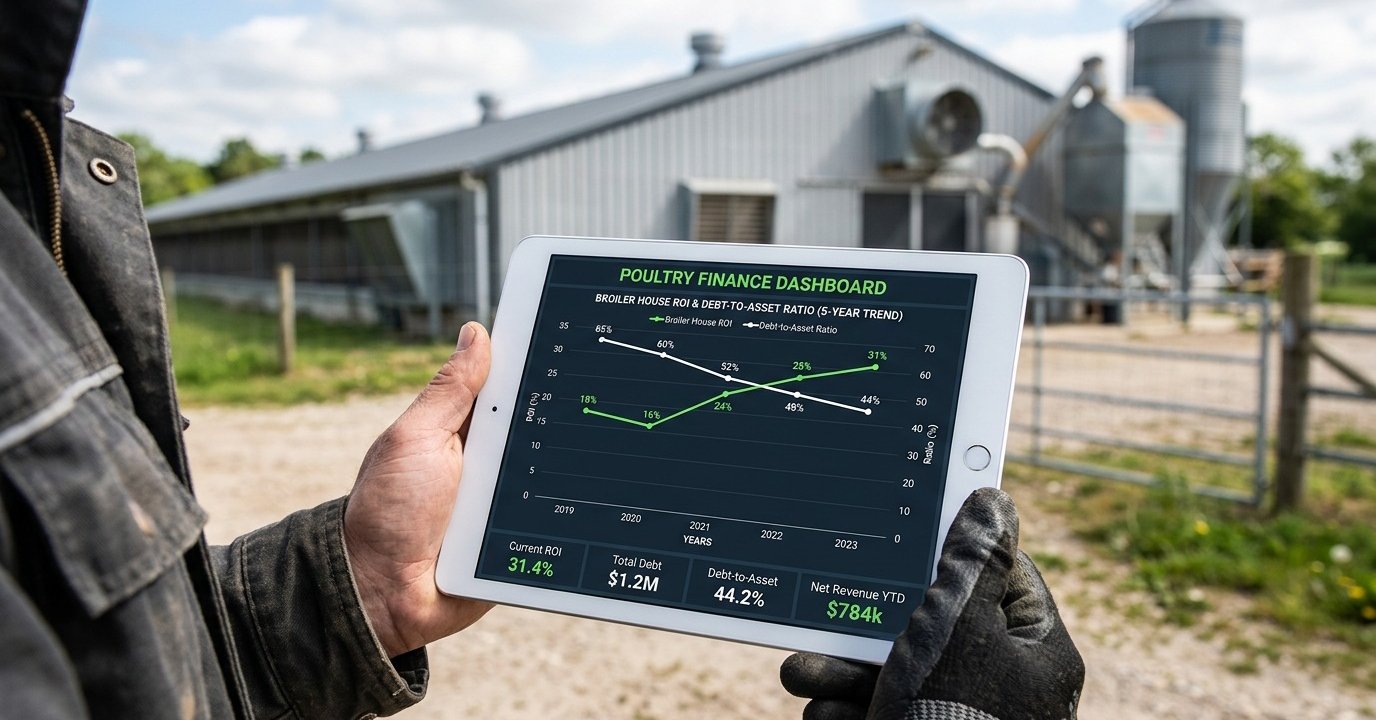
Solvency Trends: Despite rising debt, the average debt-to-asset ratio for the poultry sector remains relatively healthy at 13.75%, well below the 55% threshold that typically signals financial distress. However, this average masks the vulnerability of newer growers who are more highly leveraged than established “paid-off” operations.
Contract Structures and the Tournament Delay
The most significant development for growers this year is the regulatory “holding pattern” regarding payment transparency and fairness.
-
USDA Rule Delay: On March 18, 2026, the USDA officially delayed the implementation of the Poultry Grower Payment Systems and Capital Improvement Systems rule. Originally slated for July 1, 2026, the effective date has been pushed to December 31, 2027.
-
What This Means for Growers: The “Tournament System”—where growers are ranked against peers and paid based on relative performance—remains the standard for at least the next 18 months. The 25% cap on performance-payment variability and the ban on docking base pay are currently on hold.
-
Performance Gap: In the current system, “Top Tier” growers (80th percentile) earn household incomes of approximately $143,000, while those in the 20th percentile may earn as little as $18,000 if they consistently fall below the tournament average.
Risk Management and Income Stability
To survive this period of high interest rates and regulatory uncertainty, contract growers are increasingly turning to diversification and technological optimization.
-
Off-Farm Income: For roughly 50% of contract broiler households, off-farm employment provides the “liquidity bridge” needed to meet monthly mortgage payments when flock placements are delayed or tournament rankings are low.
-
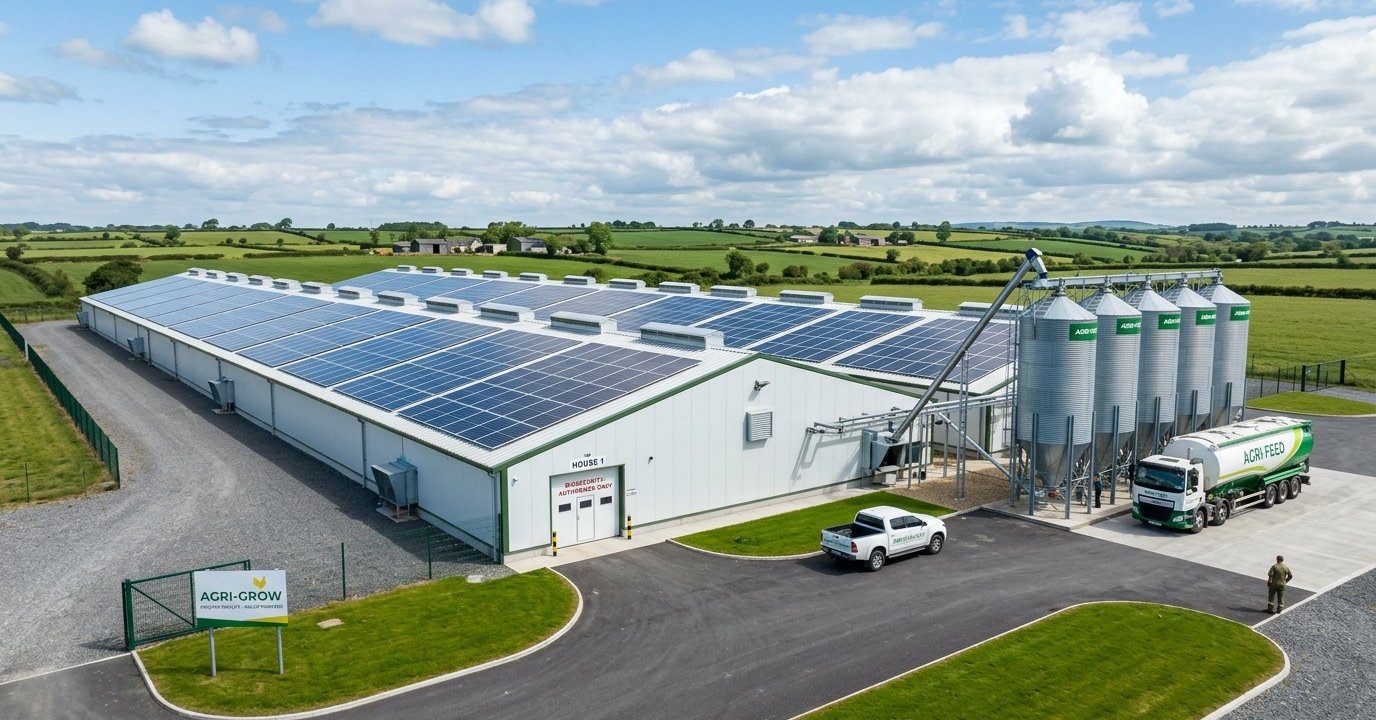
Efficiency as a Financial Hedge: Data shows that modern, “high-efficiency” houses (utilizing LED lighting, advanced ventilation, and computer-vision weight tracking) generate a net income per square foot of $1.55, compared to just $0.79 for older, less efficient facilities.
-
Cash Flow Strategy: With the farm sector liquidity forecast to decline in 2026, many producers are prioritizing working capital over new capital expenditures. This involves negotiating better terms with commercial lenders and utilizing government-guaranteed loans to restructure high-interest short-term debt.

FAQs: Broiler Debt and Finance 2026
What is a healthy debt-to-asset ratio for a poultry farm in 2026? The sector average is currently 13.75%. While large operations often carry more debt, any ratio consistently above 40% in a high-interest environment like 2026 requires aggressive cash-flow management.
How do rising interest rates affect my existing contract? While your contract fee per pound may stay the same, rising rates on variable-rate loans or new equipment financing can shrink your “Net Farm Income” significantly. A 1% rate hike on a $1 million loan can equate to an additional $10,000 in annual interest costs.
Why was the new Poultry Tournament Rule delayed? The delay until late 2027 was driven by industry feedback regarding the complexity of shifting to a new payment model and concerns over how it might impact the existing “bonus” structures for high-performing growers