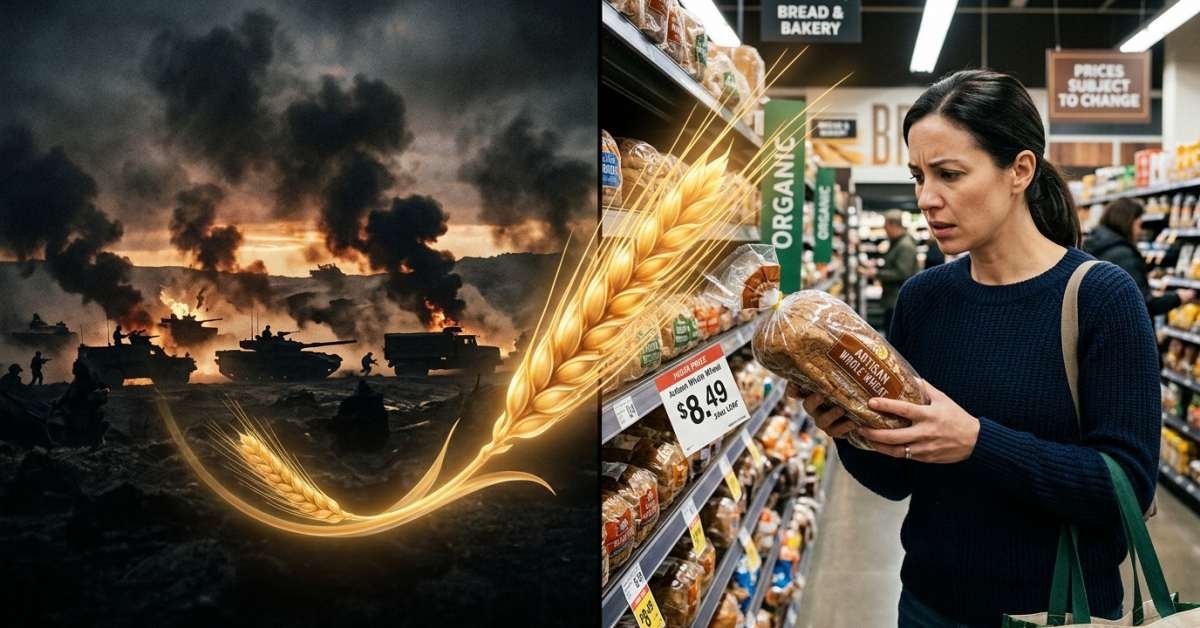
In our interconnected modern world, the blast radius of a conflict is rarely confined to the battlefield. While the immediate focus is rightfully on the geopolitical fallout and the tragic loss of human life, a quieter crisis often begins to simmer thousands of miles away—in the grocery aisles and on the dinner tables of nations far removed from the fighting.
Wars affect far more than politics and borders; they are seismic shocks to the global economy, specifically the agricultural sector. When major powers, such as those in the Middle East—including Iran, Israel, and the United States—or Europe, engage in conflict, the delicate machinery of global food distribution begins to break down. This friction between military action and agricultural production almost immediately results in rising food prices, a phenomenon known as global food inflation.
For farmers and consumers alike, understanding this connection is not just a matter of economic curiosity; it is a necessity for navigating and surviving a volatile market.
The Critical Connection Between War and Food Prices
The relationship between armed conflict and food inflation is direct and devastating. Food security relies on stability, and war is the ultimate disruptor of stability. When conflict erupts, it attacks the three pillars of affordable food: production, distribution, and input costs.
Disruption of Global Food Production
The first casualty of war on the agricultural front is production itself. The world relies on a few “breadbasket” regions to provide surplus grains, oils, and pulses. When these regions become war zones, the results are catastrophic:
-
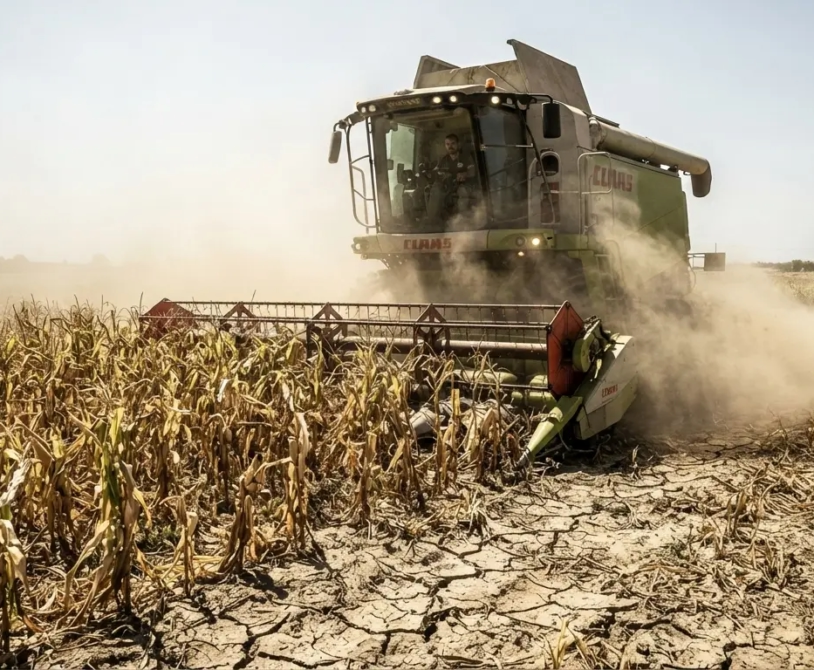
Destroyed or Abandoned Farms: Artillery, trenches, and landmines transform fertile soil into toxic wastelands. Farmers are forced to abandon their land to escape the fighting or are conscripted into military service.
-
Reduced Agricultural Labor: War drafts the very people needed to plant and harvest crops. A shortage of labor leads to lower crop yields and, in many cases, entire harvest seasons being lost.
-
Infrastructure Failure: Irrigation systems, processing plants, and storage silos are frequently targeted or accidentally destroyed, halting the entire production chain.
Damage to Vital Supply Chains
Even if crops can be grown, war prevents them from reaching the people who need them. Global trade relies on predictable, safe routes.
-
Transportation Routes Disrupted: Roads are bombed, and trucking fleets are seized for military use.
-
Ports and Trade Routes Blocked: In modern conflict, naval blockades or the mining of sea lanes can effectively choke off a country’s ability to export food. When major ports close, global food distribution is delayed or stopped entirely, creating artificial shortages in importing countries.
How War Impacts Fertilizer and Farming Inputs
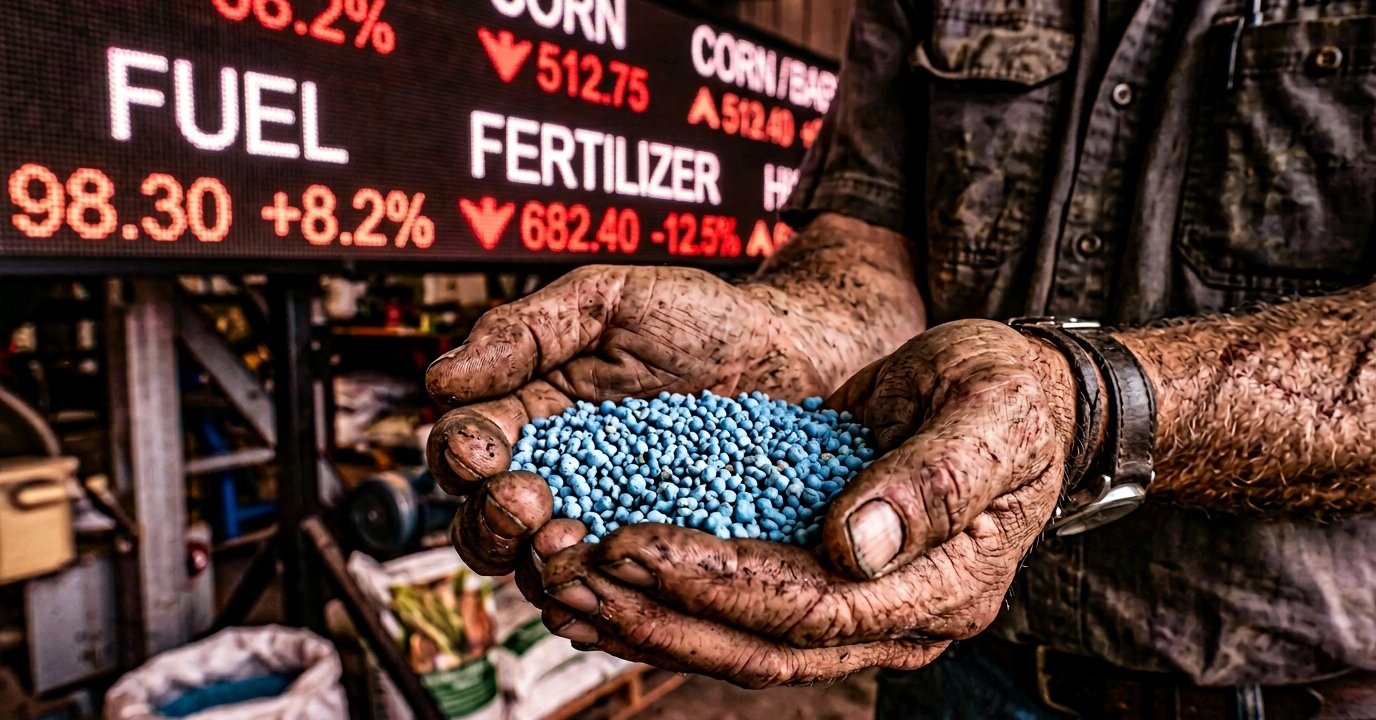
Perhaps the most significant way war raises food prices for countries far from the conflict is by inflating the cost of producing food locally. Modern agriculture is heavily dependent on energy and chemical inputs.
Fertilizer Supply Disruptions
Many of the chemicals required to make synthetic fertilizers—nitrogen, potash, and phosphate—are produced in or shipped through conflict-sensitive regions or countries subject to war-related sanctions.
-
Supply Shortages Increase Prices: When conflict cuts off a major supplier of fertilizer, the entire global market panics. Limited supply leads to skyrocketing prices.
-
The Global Impact: A farmer in Buea, Cameroon, who relies on imported fertilizer, suddenly finds that their production costs have doubled because of a war in Europe or the Middle East. If they cannot afford the fertilizer, their crop yields will drop, reducing the local food supply.
Rising Fuel Costs and Energy Instability
War and energy prices are inextricably linked. Conflicts, or the threat of conflicts, in oil-producing regions almost automatically drive oil prices higher due to fear of supply disruptions.
-
Expensive Fuel Increases Farming Costs: Fuel is required to run tractors, power irrigation systems, and, most importantly, transport food from the farm to the market. When diesel prices rise, every step of the food production and distribution process becomes more expensive. These costs are invariably passed on to the consumer in the form of higher grocery bills.
The Role of Global Trade During Conflict
Global trade, which usually facilitates affordable food, can exacerbate food inflation during a war through psychological and protective behaviors.
Defensive Export Restrictions
When a global shortage is anticipated, governments often panic. To protect their own populations from hunger and political unrest, they may implement export restrictions or outright bans on essential food commodities. While this protects the domestic supply in the short term, it removes critical volume from the global market, driving international prices even higher for countries that rely on those imports.
Soaring Shipping and Insurance Costs
Shipping a cargo container through a conflict zone, such as the Black Sea or the Red Sea, is a high-risk venture.
-
War Zone Risks: Commercial vessels face threats from missiles, drones, and mines.
-
Higher Costs Passed on: Insurance companies dramatically increase their premiums for vessels traveling through these areas. Furthermore, shipping companies may choose longer, safer routes, which consume more fuel and time. These increased logistical costs are added to the final price of the food being transported.
Why Food Prices Rise Even in Countries Far From War
It can be difficult for a consumer to understand why a local conflict thousands of miles away causes their local bakery to raise the price of bread. The answer lies in the deeply interconnected nature of the 21st-century economy.
Global Market Interdependence
The global food system is like a complex spiderweb; pull one strand, and the entire structure vibrates. Very few countries are entirely self-sufficient in food production. Most rely on a complex global market to import specific grains, fertilizers, and fuel. When a major supplier of wheat (like Ukraine or Russia) is disrupted, every country that imports wheat must compete for the remaining supply from other nations (like Canada or the USA), driving up the global price.
Currency and Economic Instability
Wars create profound economic uncertainty. They can weaken the currencies of importing nations, especially developing economies. If the local currency devalues against the US Dollar (the currency typically used in international trade), the cost of importing food, fuel, and fertilizer rises immediately, even if the international price of the commodity remains stable.
Historical Examples of War Affecting Food Prices
We do not have to theorize about these impacts; history provides stark examples of the correlation between conflict and hunger.
World War II: Rationing and Global Shortages
During WWII, the disruption of agricultural production in Europe and Asia, combined with Axis naval blockades, led to severe global food shortages. Even in countries not directly invaded, such as the United States and the United Kingdom, governments were forced to implement strict food rationing to ensure the military and civilian populations had basic nutrition.
The Russian Invasion of Ukraine
The most recent and relevant example is the 2022 invasion of Ukraine. Ukraine, often called the “breadbasket of Europe,” was a massive exporter of wheat, corn, and sunflower oil. The blockage of Ukrainian ports and the destruction of its agricultural infrastructure caused global grain prices to spike to record highs, triggering a severe food crisis in import-dependent nations in Africa and the Middle East.
What This Means for Farmers Globally
While consumers feel the pinch at the checkout counter, farmers feel the impact through their operational viability. For agricultural entrepreneurs, global economic shocks caused by war transform business management into a high-stakes survival game.
-
Rising Feed Costs: The spike in grain prices (wheat, corn, soy) dramatically increases the cost of poultry and livestock feed. For a poultry farmer, feed can account for up to 70% of production costs. When feed prices double, the cost of producing eggs and meat skyrockets, often forcing farmers to reduce their herd size or go out of business.
-
Increased Overall Production Costs: The simultaneous rise in fertilizer, fuel, and transportation costs squeezes farmers from all sides.
-
The Vital Importance of Local Food Production: These shocks highlight the critical vulnerability of relying too heavily on imported food.
How Farmers Can Prepare for and Survive Global Economic Shocks
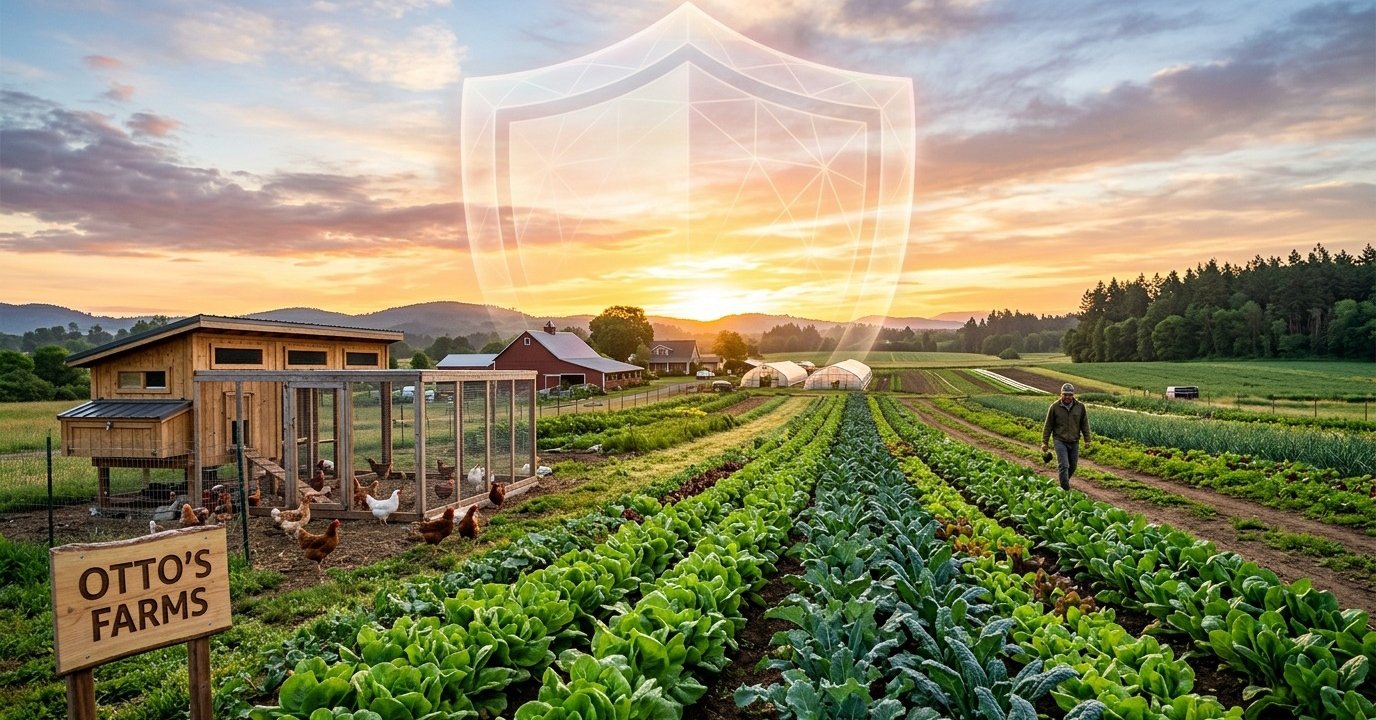
While farmers cannot control global geopolitical events, they can adopt strategies to insulate their operations from the worst economic fallout. At Otto’s Farms, we advocate for and implement proactive measures to ensure resilience.
-
Diversify Farm Production: A farm that relies on a single crop is highly vulnerable. Diversifying into livestock, poultry, and various crops hedges against a price crash in one specific market or a disease outbreak.
-
Improve Feed Efficiency: Investing in better feed formulations, supporting alternative local ingredients, and utilizing precision feeding technology can reduce waste and maximize the conversion rate of feed to meat or eggs.
-
Invest in Local Supply Chains: Building strong relationships with local suppliers for inputs and local distributors for outputs reduces reliance on volatile international logistics.
-
Support Sustainable Farming: Adopting practices that improve soil health can reduce a farm’s long-term dependence on expensive synthetic fertilizers.
The Role of Local Farms in Strengthening Food Security
The volatility caused by global conflict reinforces a powerful truth: true food security begins at home. Local, sustainable agriculture is not just an economic benefit; it is a vital pillar of national security.
When global supply chains fail, local farms like Otto’s Farms become the community’s lifeline. By providing a reliable, steady source of poultry, livestock, and fresh produce, local farms reduce a community’s dependence on unstable international markets. Supporting local agriculture ensures that when the next global shock arrives—whether it be war, pandemic, or climate-related—the community has the resilience to withstand it.
Conclusion: Securing the Future Through Resilience
Global wars exert a profound and often immediate influence on agriculture and food prices around the world. The interconnectedness of modern trade ensures that the costs of conflict are shared globally, manifesting as inflation in fuel, fertilizer, feed, and ultimately, food.
However, we are not helpless in the face of these shocks. By reinforcing the importance of local farming and food security, we build the necessary resilience to survive these volatile cycles. Consumers, policymakers, and agropreneurs must work together to support local, sustainable agriculture. Doing so is the only way to ensure that the dining tables of the world remain full, even when the rest of the world is in turmoil.
FAQ Section: Understanding the Crisis
Why does war increase food prices?
War increases food prices by disrupting food production in conflict zones, damaging the global supply chains needed to distribute food, and driving up the cost of essential farming inputs like fuel and fertilizer.
How does war affect farmers far from the conflict?
Farmers far from the conflict suffer from inflated operational costs. War often drives up the global prices of fuel (for tractors and transport) and fertilizer. It also increases the cost of grain, which is the primary component of poultry and livestock feed.
Can local farming reduce food shortages during a global crisis?
Yes. Strong local farming creates a buffer against global supply chain failures. When countries rely less on imported food and more on local producers, they are better insulated from the price spikes and shortages caused by international conflicts. Supporting local farms is the key to national food security.