The global poultry industry is undergoing a paradigm shift. As of 2026, the move toward cage-free housing for broiler chickens has evolved from a niche consumer trend into a core operational standard for sustainable agribusiness. This transition is driven by a dual mandate: meeting high-welfare consumer demand and optimizing biological performance through the expression of natural behaviors.
In this guide, we analyze the technical requirements, welfare benefits, and operational challenges of cage-free systems to ensure your facility remains competitive and productive.
1. The Core Philosophy: Why Cage-Free?
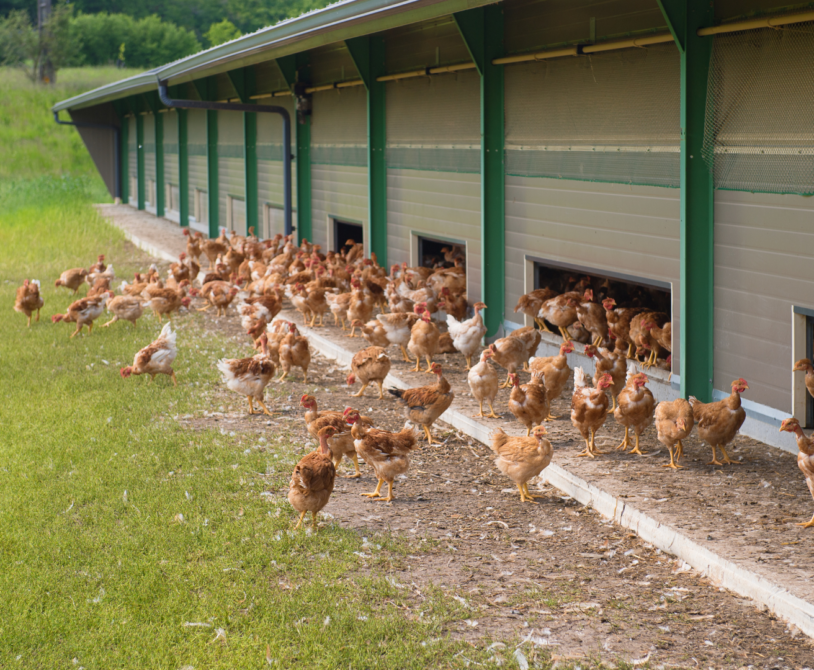
Cage-free systems are designed to bridge the gap between industrial efficiency and animal ethology. Unlike traditional high-density cages, cage-free environments allow broilers to execute natural behaviors—specifically scratching, pecking, and wing-flapping—which are essential for musculoskeletal health.
Key Benefits
-
Welfare & Stress Reduction: Lower cortisol levels lead to better metabolic health and immune response.
-
Musculoskeletal Integrity: Free movement reduces the incidence of breast blisters and leg deformities often seen in restricted environments.
-
Market Alignment: Compliance with 2026 welfare standards (such as the Global Animal Partnership) ensures access to premium retail and B2B contracts.
2. Technical Needs of Cage-Free Systems
To succeed in a cage-free model, the housing design must be treated as a precision-controlled ecosystem.
Housing Design & Layout
-
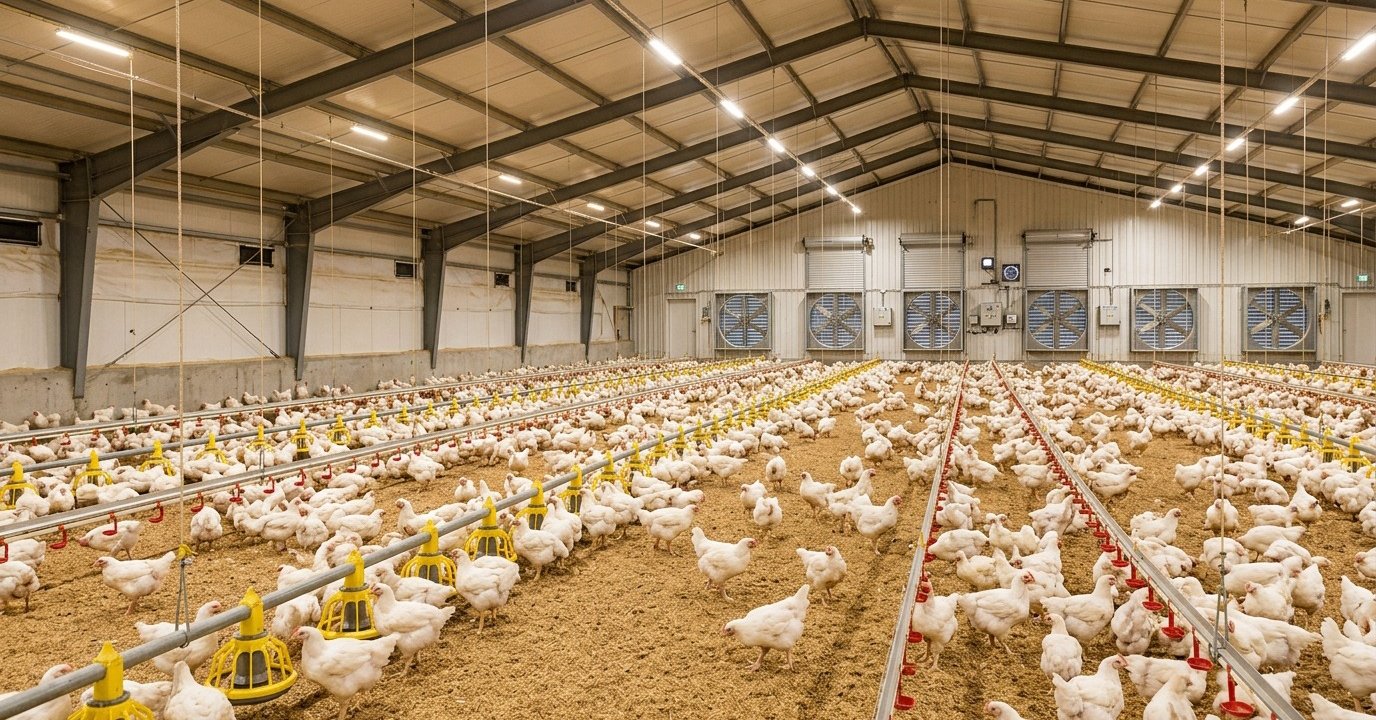
Space Allocation: Modern standards for 2026 suggest a minimum of 1.0 to 1.5 square feet of usable floor space per bird to prevent overcrowding and “smothering” (piling behavior).
-
Environmental Enrichment: Integrating perches and dust-bathing substrates is no longer optional. These tools are critical for reducing bird “flightiness” and aggression.
Precision Climate & Ventilation
In large, open-floor barns, air stagnation is a major risk.
-
Ammonia Management: Levels must be kept below 15 ppm to prevent respiratory distress.
-
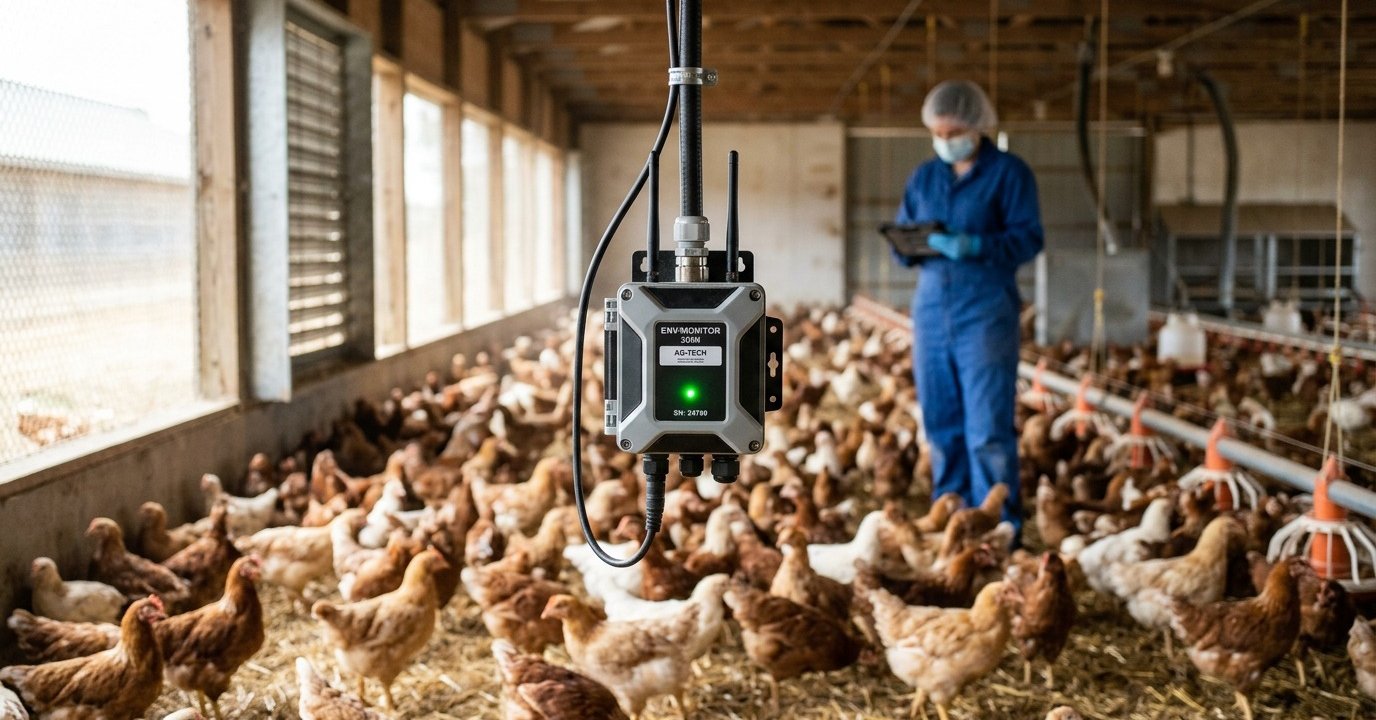
Automation: Utilizing IoT-enabled sensors for real-time monitoring of humidity and CO2 is now the industry benchmark for “Smart Farming.”
Advanced Litter Management
Litter is the “foundation” of a cage-free house. It must be kept dry and friable to prevent pododermatitis (footpad dermatitis). Effective systems use automated tillers or moisture sensors to trigger localized ventilation adjustments.
3. Operational Challenges: The “CEO’s Perspective.”
While the welfare benefits are clear, the transition introduces unique variables into the profit-and-loss (P&L) statement.
| Challenge | Impact | Mitigation Strategy |
| Biosecurity Risk | Higher exposure to litter-borne pathogens. | Implementation of strict footbath protocols and localized partitioning. |
| Labor Intensity | Increased bird monitoring and litter maintenance. | Investment in Robotic Floor Management and AI-driven health monitoring. |
| Feed Conversion (FCR) | Active birds burn more energy. | Precision nutrition with high-bioavailability amino acids to offset caloric spend. |
4. The Data Gap: Broilers vs. Layers
A common mistake in poultry management is applying “Layer” logic to “Broilers.”
Technical Note: While layer chickens require nest boxes and floor egg management, broiler chickens (raised for meat) focus on growth uniformity and mobility. The primary concern for cage-free broilers is not “floor eggs,” but rather access to feed/water and preventing smothering during the final growth phases.
5. Lighting Strategies for Growth & Welfare
Lighting is a powerful management tool. In cage-free environments, a “step-down” lighting program—providing 17 to 20 hours of light with a mandatory 6-hour dark period—is optimal. This mimics natural circadian rhythms, allowing birds to rest and digest, which improves final carcass quality.
Summary: Building a Sustainable Future
The shift to cage-free broiler housing is an investment in long-term resilience. By prioritizing animal welfare and leveraging automated environmental controls, producers can achieve a “Gold Standard” operation that satisfies both the balance sheet and the modern consumer.
To round out this technical guide on modernizing poultry housing, here are the frequently asked questions (FAQ) and visual prompts designed to create high-impact, professional imagery.
Frequently Asked Questions (FAQ)
Q: Is cage-free housing required for broiler chickens by law? A: While not universally mandated by law, the global poultry market in 2026 is heavily driven by retailer and consumer requirements (such as the Global Animal Partnership standards). Transitioning to cage-free is often necessary to secure premium contracts and maintain market access.
Q: How does cage-free housing impact Feed Conversion Ratio (FCR)? A: Because birds are more active in cage-free environments, they naturally burn more calories through movement. This can slightly increase FCR. However, this is often offset by better overall health, reduced mortality, and higher final carcass quality due to improved musculoskeletal integrity.
Q: How do you manage biosecurity in an open-floor, cage-free barn? A: Biosecurity in an open-floor barn requires rigorous protocols. This includes strict “all-in, all-out” management, vectorized ventilation (keeping air moving in one direction), regular litter tilling, and often the use of automated “robots” that navigate the floor to monitor bird health and manage litter moisture, reducing human-bird contact.