
Starting a broiler chicken farm is exciting and could be very profitable. But it’s important to know the costs first. The costs can vary a lot, from $5,000 for a…
Organic agricultural products right to your table!
Despite these positive trends, profitability remains highly sensitive to operational excellence and biological risks. High-Pathogenic Avian Influenza (HPAI) continues to be a disruptive factor, occasionally tightening supplies and increasing biosecurity expenses. Success in 2026 is largely determined by a farmer’s ability to maintain a superior Feed Conversion Ratio (FCR) through precision nutrition and smart technology, such as AI-driven climate control. As consumer preferences shift toward “No Antibiotics Ever” (NAE) and higher animal welfare standards, the most profitable operations are those that successfully balance high-density production with these evolving sustainability requirements.
Starting a broiler chicken farm is exciting and could be very profitable. But it’s important to know the costs first. The costs can vary a lot, from $5,000 for a…
Poultry farming can be very rewarding, but high costs can eat into profits. This article shares 12 practical ways to help broiler chicken farmers cut costs. You’ll learn how to…
The world is eating more meat than ever before. This is because more people are living in cities and earning more money. The poultry industry in the United States is…
The poultry meat sector has seen steady growth globally in recent years. This growth is thanks to better indoor production and automated processes. In Germany, for example, over 620 million…
The poultry industry in the United States makes over $70 billion each year. This makes it very appealing to investors. To grow your broiler chicken farm, you need a good…
The global poultry market is set to hit $375.41 billion by 2030, growing at 3.5% annually. In the U.S., the poultry industry is huge, with 15.9 billion fresh meat sales…
Poultry and eggs are key in the American diet. Farmers in the poultry industry are vital to our economy and lifestyle. Americans eat 288 eggs per person and 8 billion…
The U.S. broiler production industry is unique. Almost all broilers are raised by farms under contract with poultry integrators. These growers provide the capital, utilities, and labor. Meanwhile, integrators give…
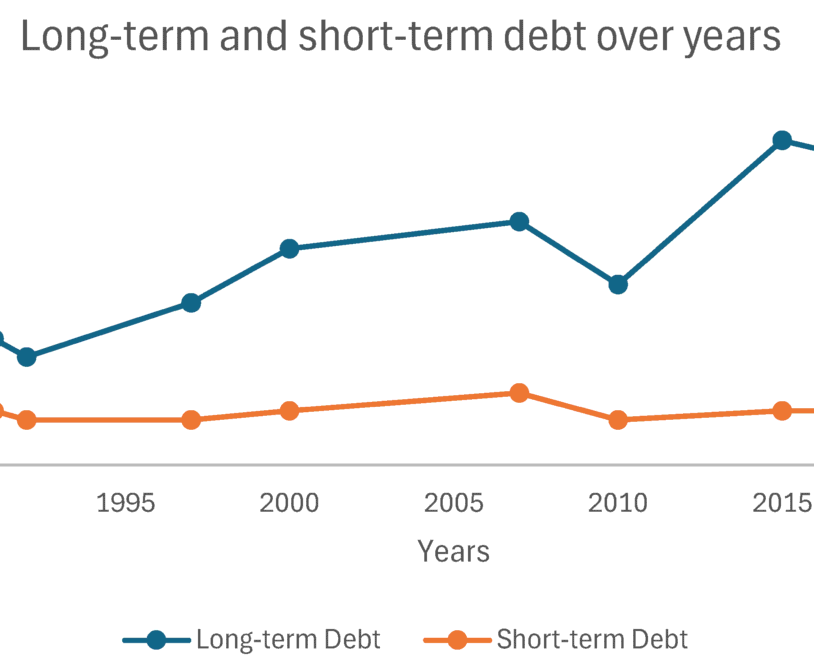
The broiler farming industry in the United States relies heavily on debt financing. This is to keep operations running and to grow. Producers, lenders, and policymakers need to understand how…