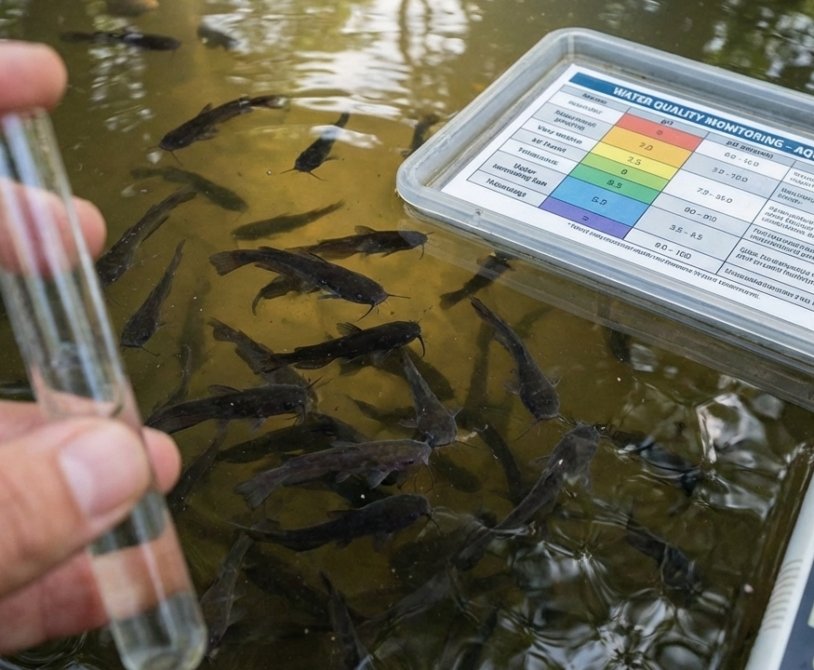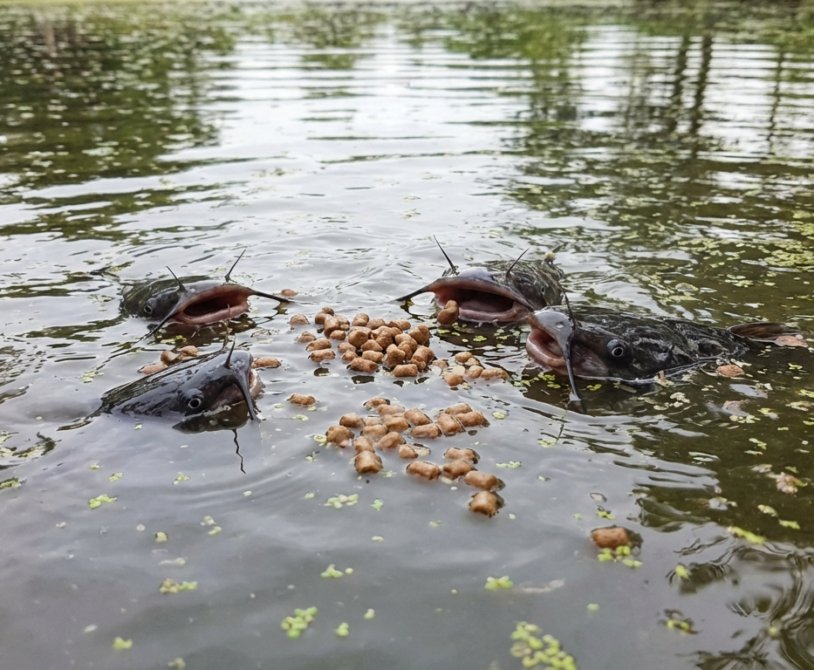
In the world of tropical aquaculture, one name stands above the rest: Clarias gariepinus, more commonly known as the African Sharptooth Catfish. While there are hundreds of species of catfish globally, Clarias has become the backbone of the African fish farming industry.
But why this specific fish? At Otto’s Farms, we’ve seen firsthand how the biological blueprint of this species makes it not just a survivor, but a commercial superstar—especially when it comes to the smoking kiln.
1. The Biological “Superpowers.”
The primary reason Clarias gariepinus is so widely farmed is its incredible resilience.
-
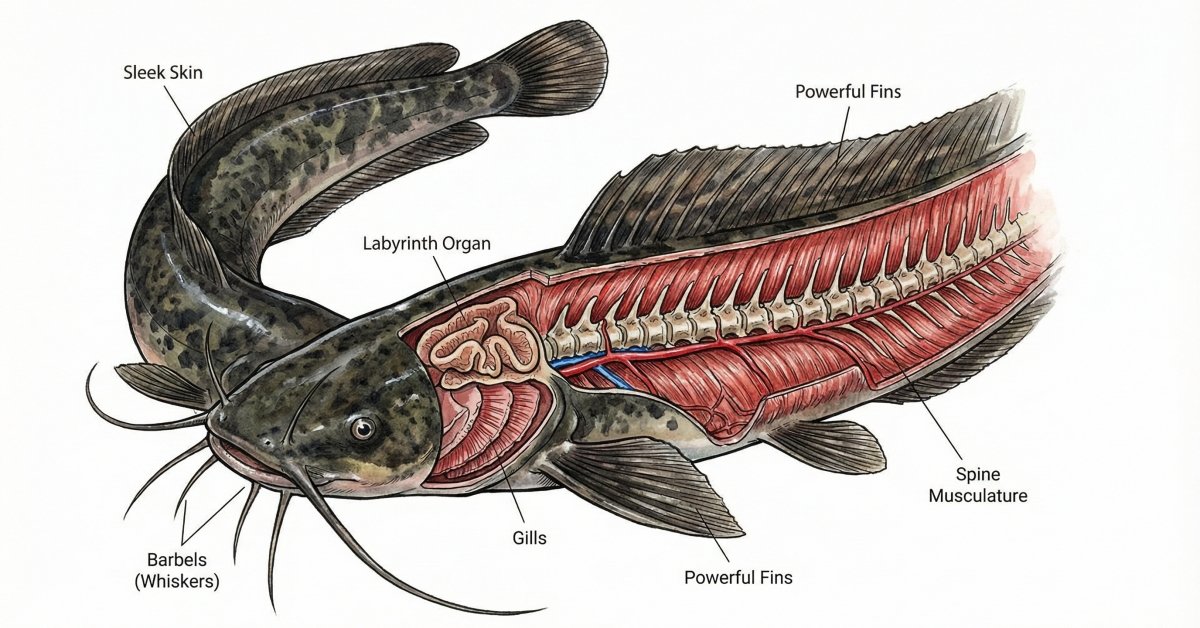
The Labyrinth Organ: Unlike many other fish that rely solely on dissolved oxygen in water, Clarias possesses an accessory air-breathing organ (the labyrinth organ). This allows them to survive in low-oxygen environments and even stay alive out of water for hours, provided their skin remains moist.
-
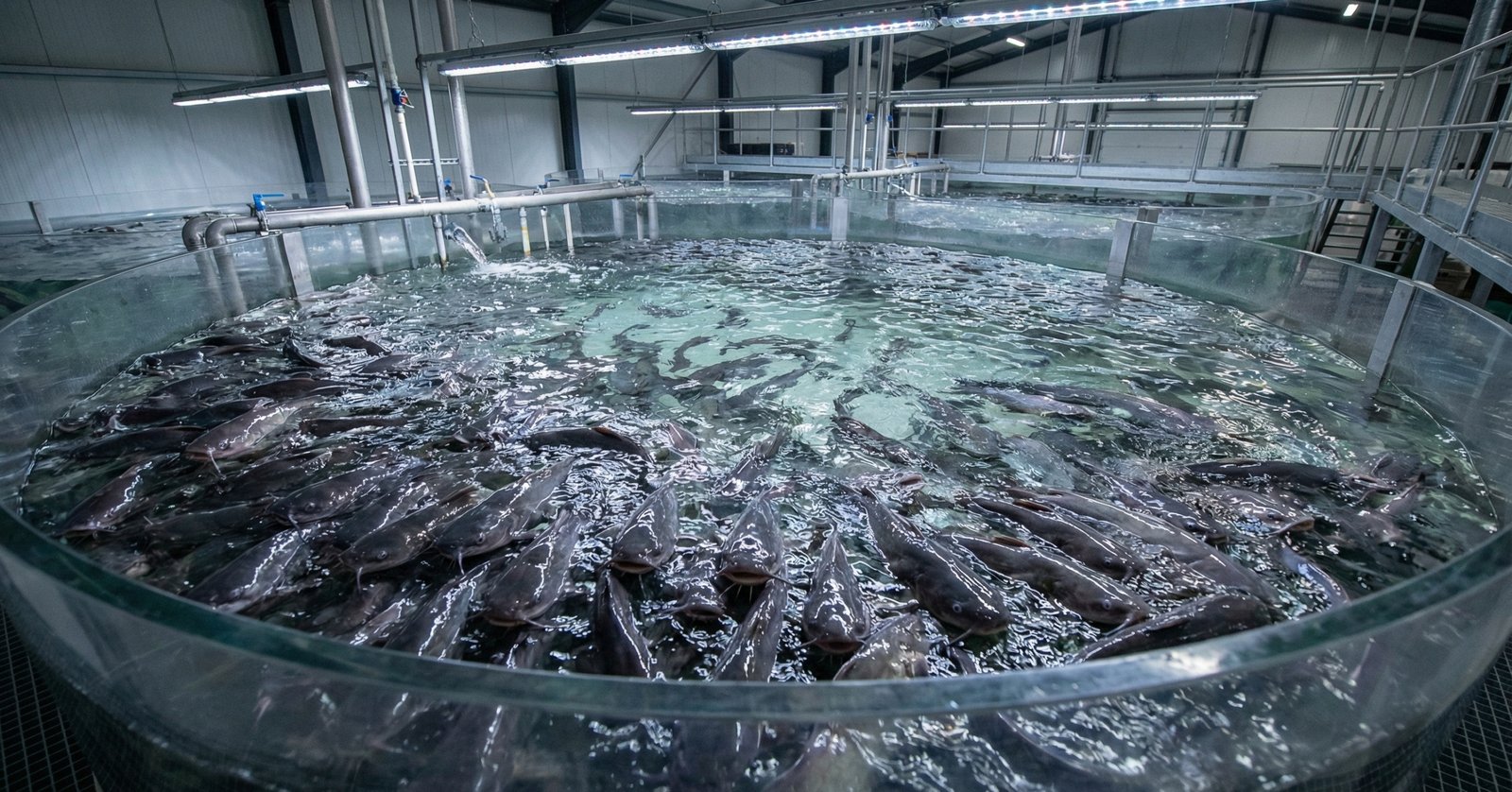
High Stocking Density: Because they can breathe atmospheric air, they can be stocked at much higher densities than Tilapia or Trout, making them perfect for intensive tank systems.
-
Rapid Growth Rates: Under optimal conditions with high-quality feed, a Clarias fingerling can grow to a market size of 1kg in just 5 to 6 months.
2. Nutritional Powerhouse: Protein and Essential Oils
From a consumer health perspective, Clarias gariepinus is a nutritional “heavyweight.” It is packed with high-quality lean protein, but its secret weapon is its lipid profile.
-
Protein Density: It offers an excellent amino acid profile necessary for muscle growth and repair.
-
Omega Fatty Acids: It is rich in Omega-3 and Omega-6 fatty acids, which are vital for heart health and brain function.
-
Iron and Vitamin B12: It provides significant levels of essential minerals that are often lacking in grain-heavy diets.
3. Why Clarias is the “Star of the Show” for Smokers
While many fish can be smoked, Clarias gariepinus is uniquely “engineered” for the kiln.
Firm Muscle Structure. Because of its firm texture, Clarias is the best candidate for [The Smoking Process]. Unlike softer white fish that may flake or fall apart under intense heat, the muscle fibers of Clarias hold together. This allows it to endure the 5-day dehydration process while maintaining its shape.
The Oil-to-Smoke Relationship The natural oils in the skin and flesh of the African Catfish act as a vehicle for the smoke flavor. As the heat rises, these oils render slightly, allowing the aromatic smoke from the firewood to penetrate deep into the meat. This results in the “umami” punch that smoked catfish is famous for.
Excellent Shelf Stability. The low moisture content achieved after smoking, combined with the fish’s natural density, makes it highly resistant to spoilage. This is why Clarias is the preferred choice for exporters sending products to the African diaspora in Europe and North America.
4. Adaptability: From Earthen Ponds to High-Tech RAS
Whether you are a smallholder farmer with an earthen pond in a rural village or a commercial mogul using a Recirculating Aquaculture System (RAS), Clarias adapts. Its biology allows it to thrive on a variety of feed types, though premium floating pellets are recommended for those aiming for the export market.
Conclusion: The Commercial Choice
Choosing Clarias gariepinus isn’t just about tradition; it’s about biological efficiency. Its growth speed, nutritional value, and unparalleled performance in the smoking kiln make it the ultimate asset for any serious agropreneur.
Are you ready to see how this biology holds up under heat? Check out our next post: [Packaging and Exporting Smoked Fish: A Guide for International Trade], where we discuss how to turn this biological wonder into a globally traded commodity.
Frequently Asked Questions (FAQ)
Q: What is the “Labyrinth Organ” in African Catfish? A: It is an accessory breathing organ that allows Clarias gariepinus to breathe atmospheric air. This biological trait enables the fish to survive in stagnant or low-oxygen water where other species, like Tilapia, would perish.
Q: How fast does Clarias gariepinus grow? A: In a well-managed farm with high-protein feed, they can grow from a 5g fingerling to a 1kg market-size fish in approximately 5 to 6 months.
Q: Why is this fish better for smoking than others? A: Its unique muscle fiber density and higher oil content allow it to withstand high heat without breaking apart. The oils help absorb smoke flavors, creating a more aromatic and shelf-stable product than “flakier” fish.
Q: Is the African Catfish a predator? A: Yes, they are opportunistic omnivores with predatory tendencies. In a farm setting, it is vital to sort them by size (grading) regularly to prevent larger fish from eating smaller ones.