Midwestern U.S. Agriculture — The 2026 growing season has become a masterclass in resilience for farmers across the U.S. Corn Belt. Buffeted by heavy rains, standing water, and an uptick in pest pressure, producers are facing a pivotal moment: write off stressed fields or pivot to aggressive in-season management.
According to veteran field agronomist Ken Ferrie, the season is far from over. “The temptation to abandon struggling acres is high,” says Ferrie, “but our data shows that many fields still harbor significant yield potential if we move from ‘wait-and-see’ to surgical, data-driven management.”
The Yellow Corn Diagnostic: Sulfur vs. Nitrogen
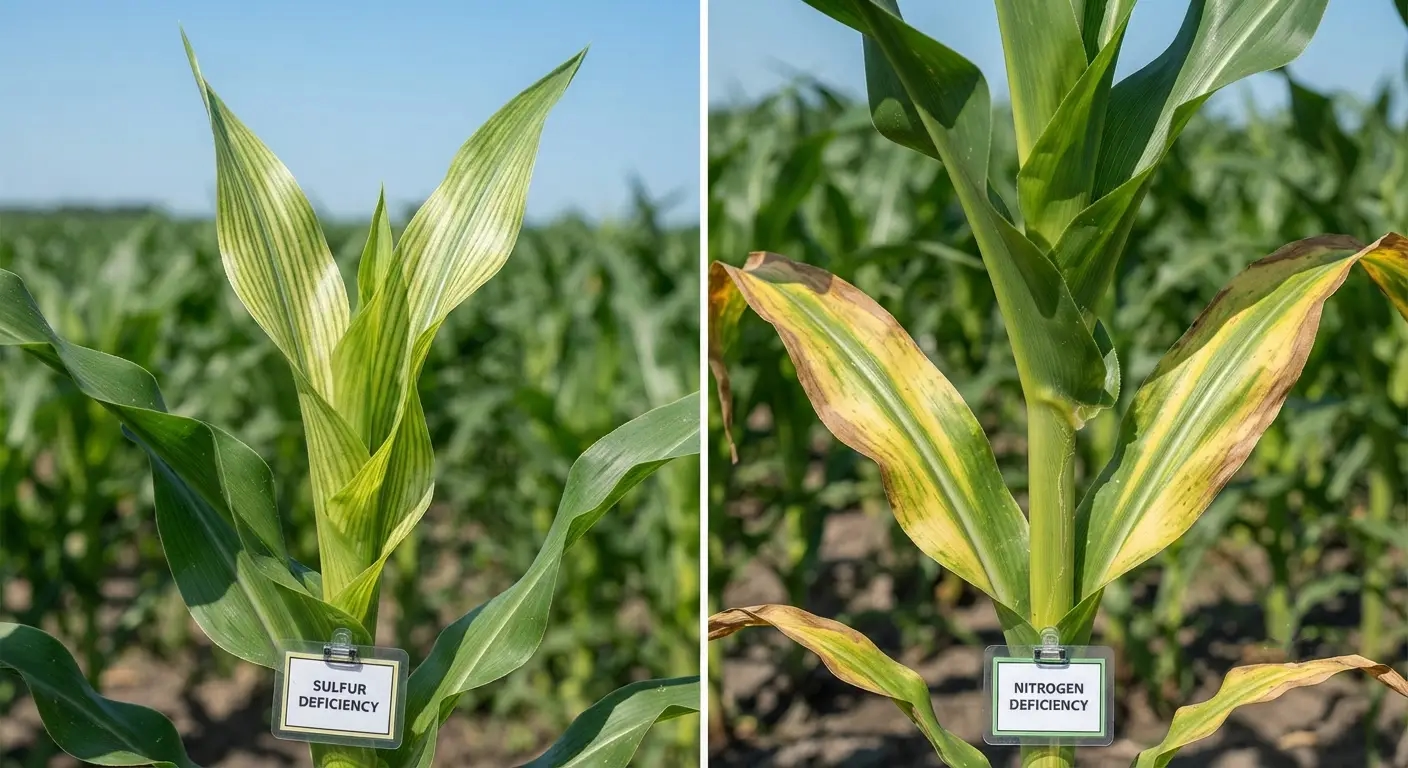
With yellowing corn becoming a widespread complaint, Ferrie warns that farmers must avoid “guess-and-check” fertilization. Applying the wrong nutrient is not only a waste of money—it can fail to address the underlying physiological stress.
- Sulfur Deficiency: Look for chlorosis (yellowing) on the newest, upper leaves. Nitrogen will not fix this; sulfur must be applied to correct the imbalance.
- Nitrogen Deficiency: Characterized by a general pale green canopy where the older, lower leaves yellow first. The yellowing typically travels along the midrib.
Managing the “Waterlogged” Recovery
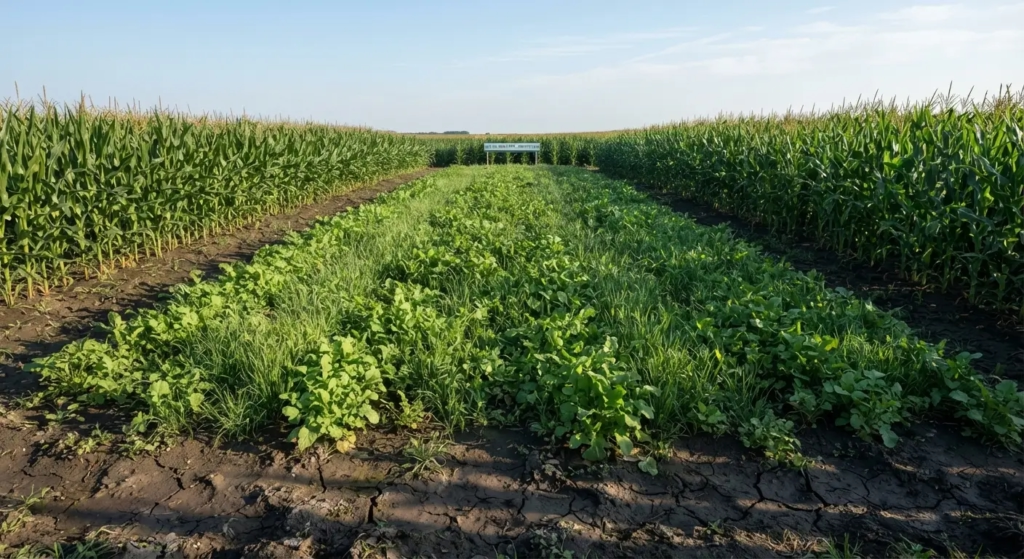
For fields hit by heavy flooding, the damage goes beyond topsoil erosion; soil structure and microbial health are compromised. Ferrie advises against leaving these acres fallow, which invites weed infestation.
Proactive Recovery Strategies:
- Biological Rebuild: Plant cover crops to restore soil biological activity and suppress weed competition.
- Double-Cropping: In areas where the main crop was lost, consider late-season soybeans after wheat.
- Precision Seeding: Utilize drone technology to overseed or patch-plant inaccessible sections of ponded fields.
The Pollination Pivot: High-Stakes Monitoring
Corn is now entering the silking stage, the most critical window for determining kernel set. This is not the time to step back from scouting.
The Pollination Checklist:
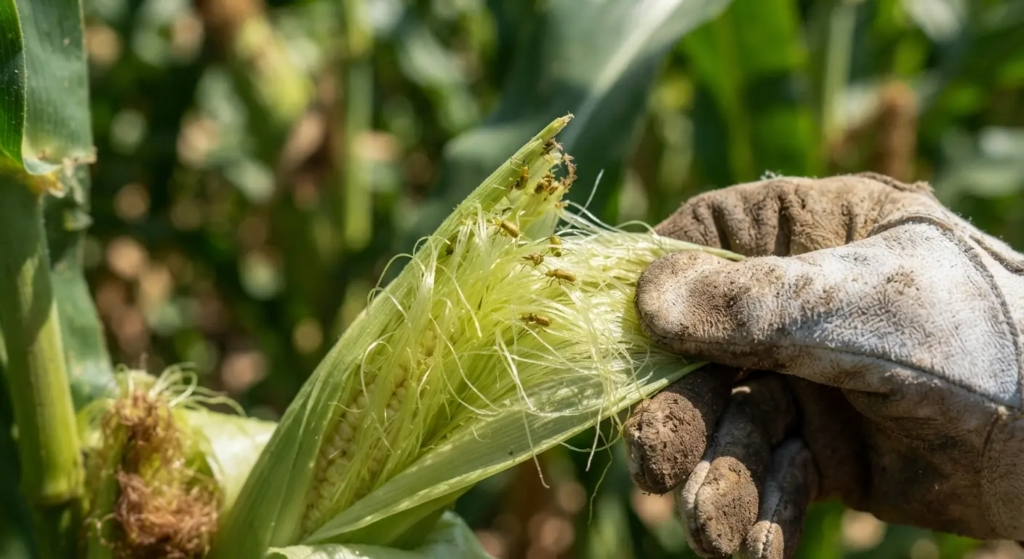
- Silk Clipping: Watch for beetles feeding on silks. If silk strands are clipped back too far, they cannot capture pollen, leading to barren cobs.
- Uneven Stands: Fields that were replanted are at a higher risk, as their pollination window is staggered, making them a magnet for prolonged insect activity.
- Fungicide Strategy: Resist the urge to spray early unless specific disease pressure (like tar spot or northern corn leaf blight) is confirmed. Applying too early may require a second trip through the field later, driving up operational costs without adding value.
Pest Pressure: The Rootworm Surprise
Perhaps the most concerning observation this year is the resilience of corn rootworm. Heavy root feeding has been detected even in some fields planted with insect-resistant hybrids. Furthermore, “green-fixation”—where highly effective fungicide programs keep plants greener for longer—appears to be attracting more rootworm beetles for egg-laying, setting the stage for increased pressure next season.
Ferrie’s Integrated Approach:
- Collect Data: Use a combination of root digs, sticky traps, and beetle scouting.
- Audit Programs: If the current trait package is failing, use this year’s data to justify a switch in future genetics or chemical intervention.
Five Priorities for In-Season Profitability
As the season progresses, growers should orient their management toward these five pillars:
- Accurate Diagnostics: Don’t fertilize before identifying the specific nutrient gap.
- Soil Rejuvenation: Use cover crops to turn flooded “dead zones” back into productive ground.
- Scout Rootworms: Rely on physical evidence, not just historical expectations.
- Guard Pollination: Prioritize protecting silk development from insect clipping.
- Strategic Fungicide Timing: Delay application until the disease threshold is met to maximize ROI.
“The 2026 season is rewarding those who are in the field and making decisions based on what they see, not what they planned in January,” Ferrie concludes. By focusing on targeted, in-season interventions, producers can protect their yield bottom line despite the volatile start.