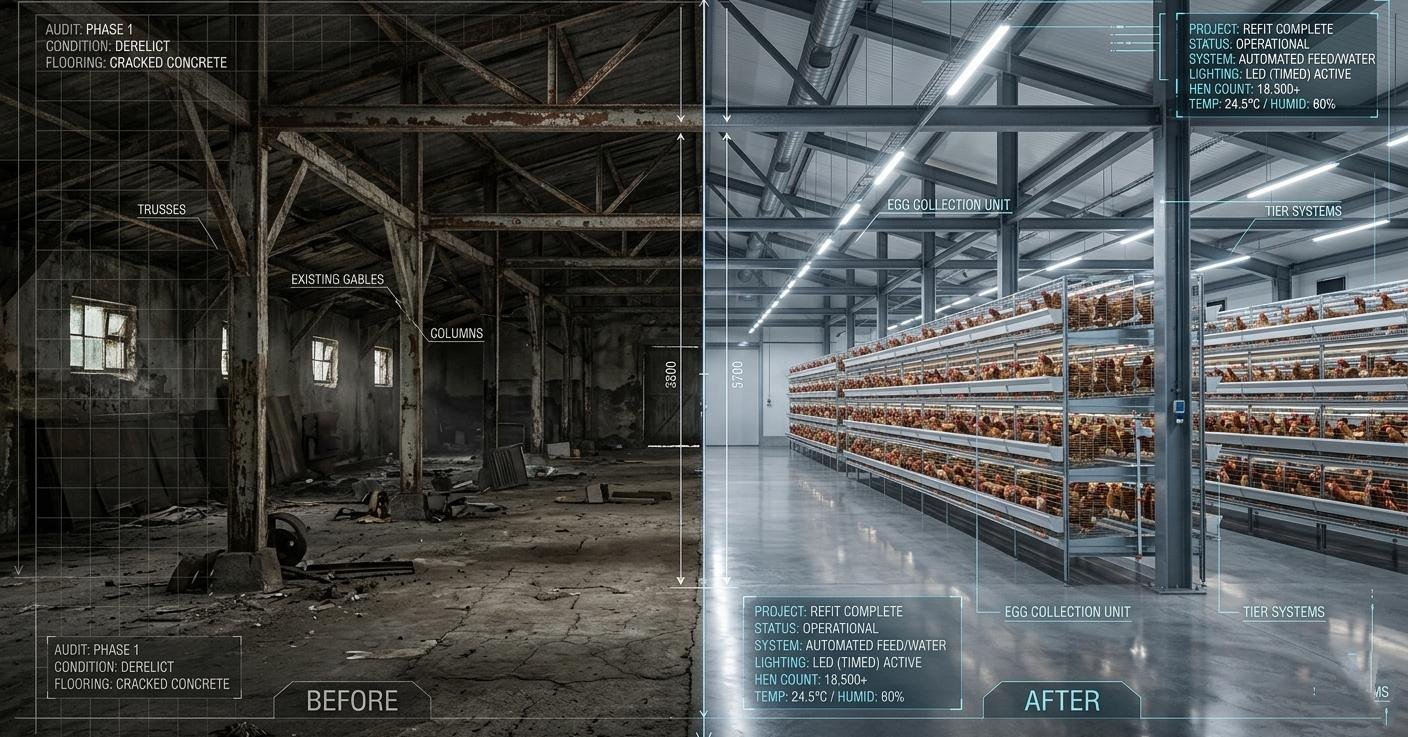
In agribusiness, the fastest way to achieve “uptime” is often through the optimization of existing assets rather than building from scratch. Converting an old broiler house, a warehouse, or even a disused storage facility into a layer house is a classic “refactoring” exercise. You are taking a structure designed for one “use case” and re-engineering it to support the 18-month life cycle of an egg-producing hen.
As a CEO, renovation significantly reduces your Initial Capital Expenditure (CAPEX), allowing you to allocate more budget toward high-quality “Point of Lay” (POL) pullets and premium feed.
The Technical Assessment: Is the Structure “Compatible”?
Before you begin the conversion, you must audit the building’s “source code”. Not every structure is a candidate for high-density egg production.
Structural Integrity and Load Bearing
Layer chickens in cages create a significantly higher “floor load” than broilers on deep litter.
-
The Audit: If you plan to install battery cages, ensure the concrete floor is at least 10 cm (4 inches) thick and reinforced.
-
The Vertical Check: Does the building have enough height (at least 3.5 meters) to allow for the “Stack Effect” and multi-tier cages?
Orientation and Ventilation Refactoring
Many old warehouses were built for storage, not for biological life.
-
The Problem: If the building is oriented North-South (the wrong way), it will absorb massive solar heat.
-
The Fix: You must “patch” this by installing reflective roofing, increasing the size of side-wall openings, or adding mechanical circulation fans to force air movement.
Retrofitting for Layer-Specific “Hardware”
Broilers are sedentary and only live for 6-8 weeks. Layers are active and long-lived, with specific behavioral requirements for egg laying.
Installing the “Input” and “Output” Pipelines
-
Watering Systems: Broiler houses often use simple bell drinkers. For layers, you should retrofit the building with Nipple Drinker Lines. This keeps the floor dry over the long 18-month cycle and reduces the labor of cleaning troughs.
-
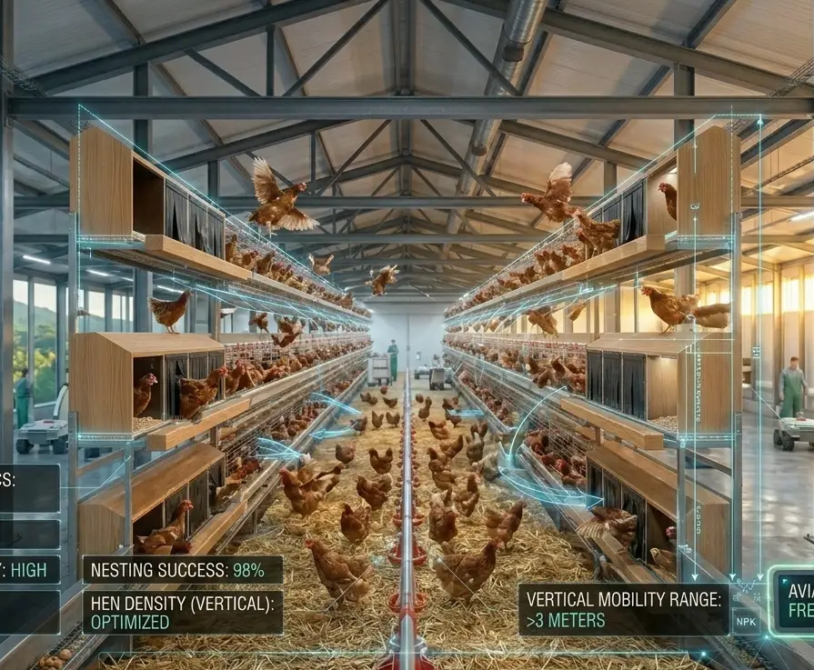
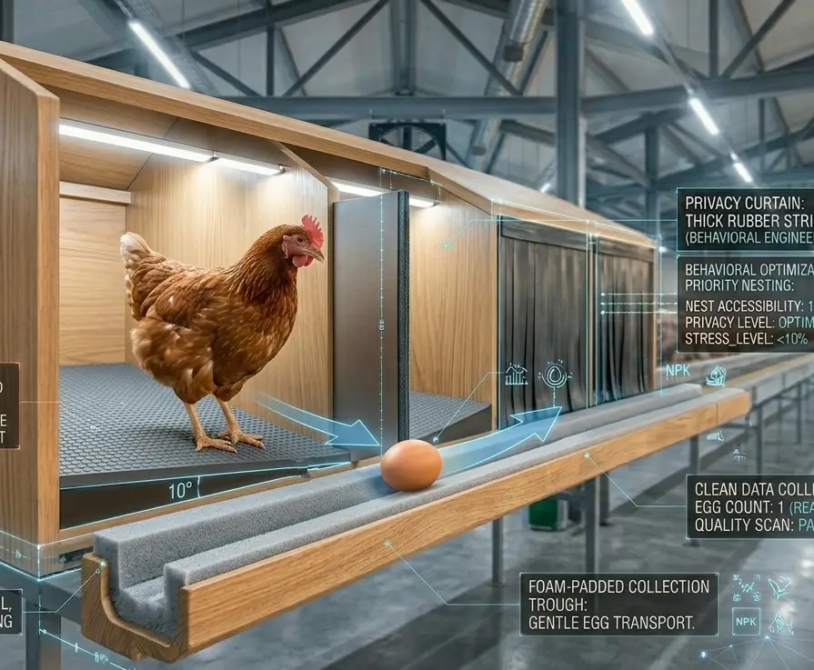
Nesting Infrastructure: If converting to a deep litter layer house, you must engineer a “Nest Wing.” This is a darkened, quiet area of the building where birds feel secure enough to lay.
-
Lighting Systems: This is the most critical technical upgrade. Layers require a strict 16-hour light “program” to maintain ovulation. You must install a timed lighting circuit with bulbs spaced to eliminate “dark spots” that cause production drops.
Biosecurity and Hygiene Upgrades
Old buildings often harbor “legacy bugs”—pathogens and pests from previous occupants.
Deep Cleaning and Sanitization
-
The “Total Reset”: Remove all old equipment and organic matter. Use a high-pressure washer with a heavy-duty degreaser, followed by a broad-spectrum disinfectant.
-
Pest Proofing: Old warehouses often have gaps in the eaves or cracks in the floor. Seal these with wire mesh and concrete to prevent rodents and snakes from entering your new “secure environment.”
Floor Refinishing
If the old floor is cracked or made of dirt, it must be topped with a fresh layer of smooth concrete. This allows for effective disinfection between flocks and prevents “rising damp” from ruining your litter or cages.
Performance vs. Price
Renovating a structure can save you up to 40–60% compared to the cost of a new build. However, you must be careful not to “over-patch” a broken system. If the building has poor ventilation that cannot be fixed, the “performance tax” (high mortality and low egg production) will eventually cost you more than a new house would have.
At Otto’s Farms, we recommend a Phased Retrofit:
-
Phase 1: Fix the roof and floors (The Foundation).
-
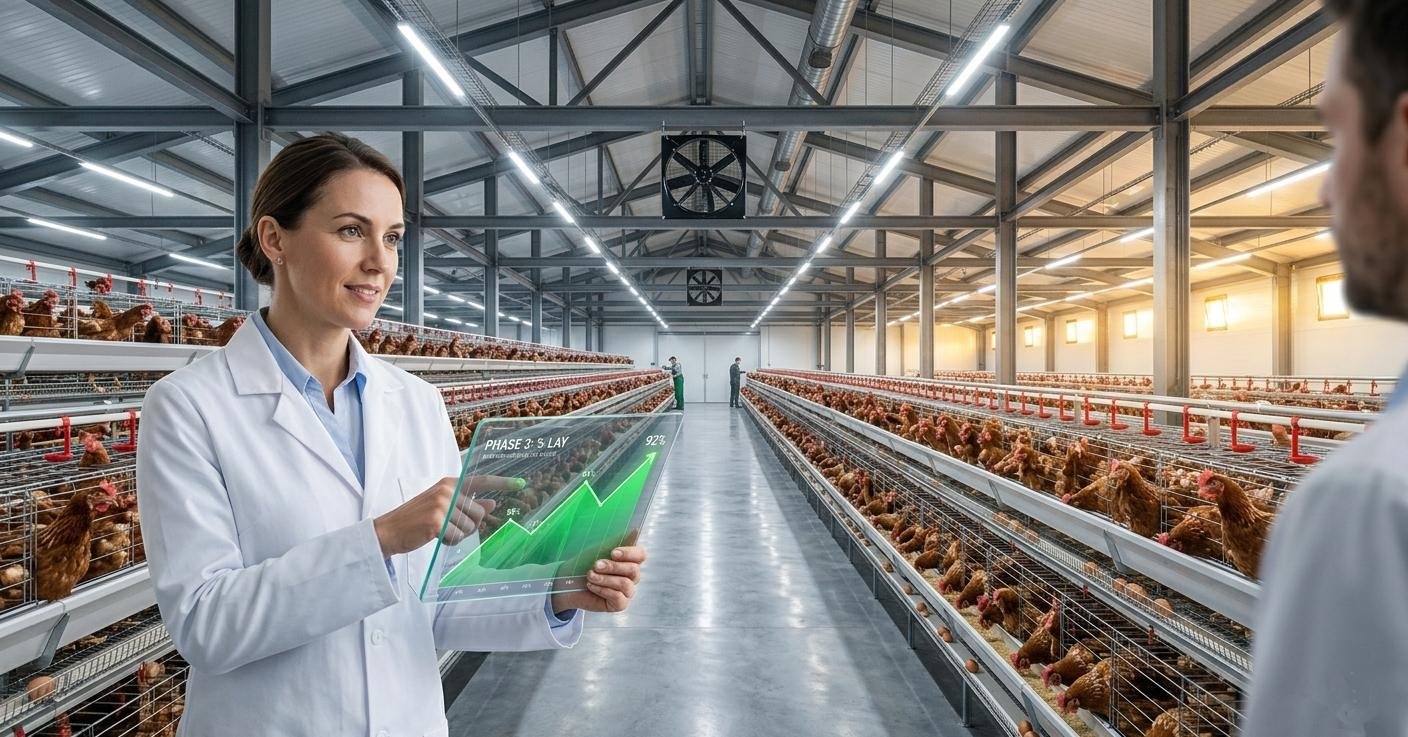
Phase 2: Install high-quality lighting and ventilation (The Environment).
-
Phase 3: Install your feeding and nesting systems (The Production).