As the national agricultural sector navigates the evolving challenge of H5N1 avian influenza, industry leaders and government bodies are intensifying efforts to shield commercial poultry flocks. With the virus detected in wild migratory seabirds across multiple states, the focus has shifted toward robust, proactive farm-level protection.
A Call for Precaution: Moving Birds Indoors
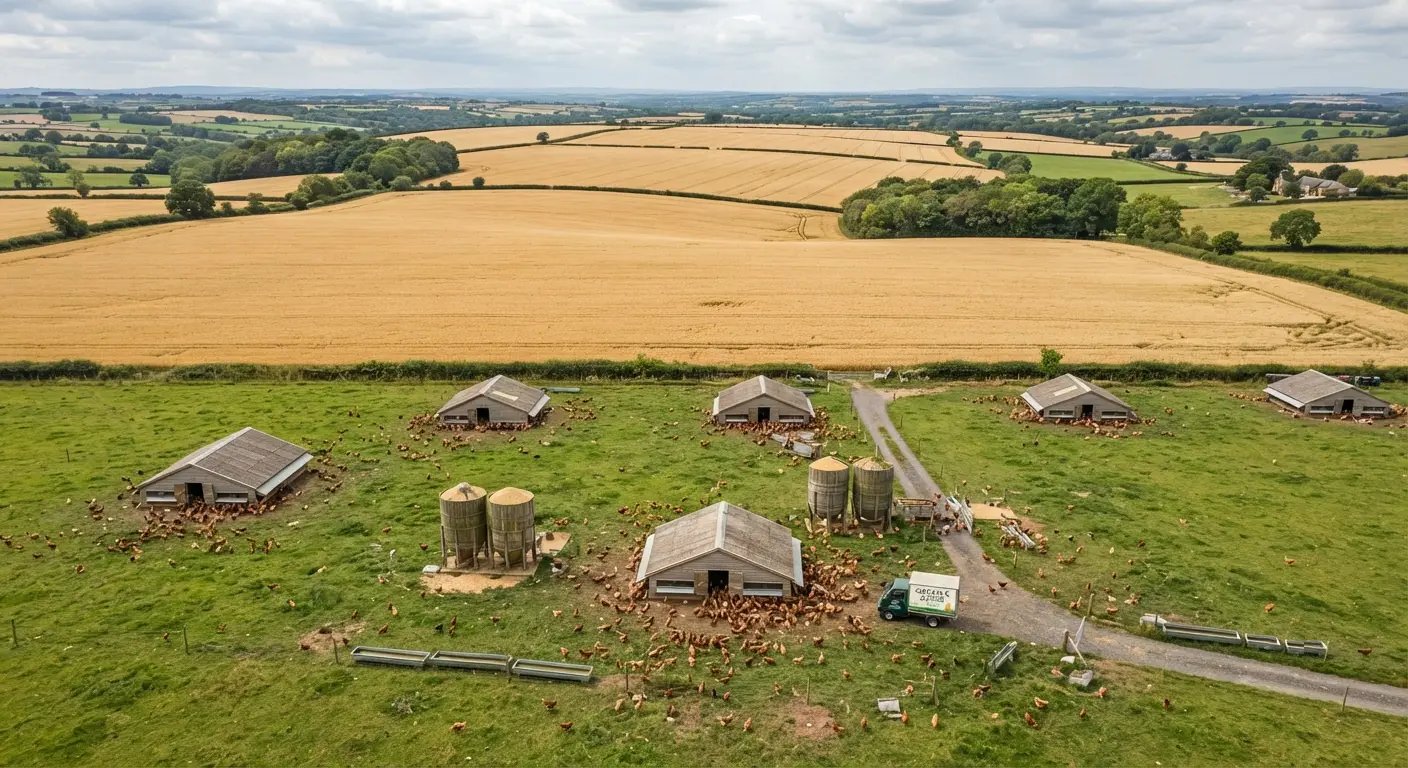
The Consultative Committee on Emergency Animal Diseases (CCEAD) has issued a critical recommendation to free-range egg producers across Australia: temporarily transition birds to indoor housing where possible.
While this move may disrupt standard operations, authorities emphasize that it is a time-limited, precautionary strategy. By limiting outdoor access, producers can effectively break the primary transmission pathway—contact between domestic poultry and wild birds—which currently represents the main environmental vector for the virus.
The Landscape of Transmission
Australia’s status as a leader in poultry health remains a priority as officials track the movement of H5N1. Confirmed detections have been limited strictly to migratory seabirds in Western Australia, South Australia, and New South Wales. Despite the absence of cases in commercial facilities, the geographical spread of these detections has prompted a heightened state of alert.
“The goal is simple: isolation,” says an industry spokesperson. “By reducing environmental exposure, we create a defensive barrier that keeps our commercial flocks safe while scientists continue their extensive monitoring programs.”
The New Gold Standard for Farm Biosecurity
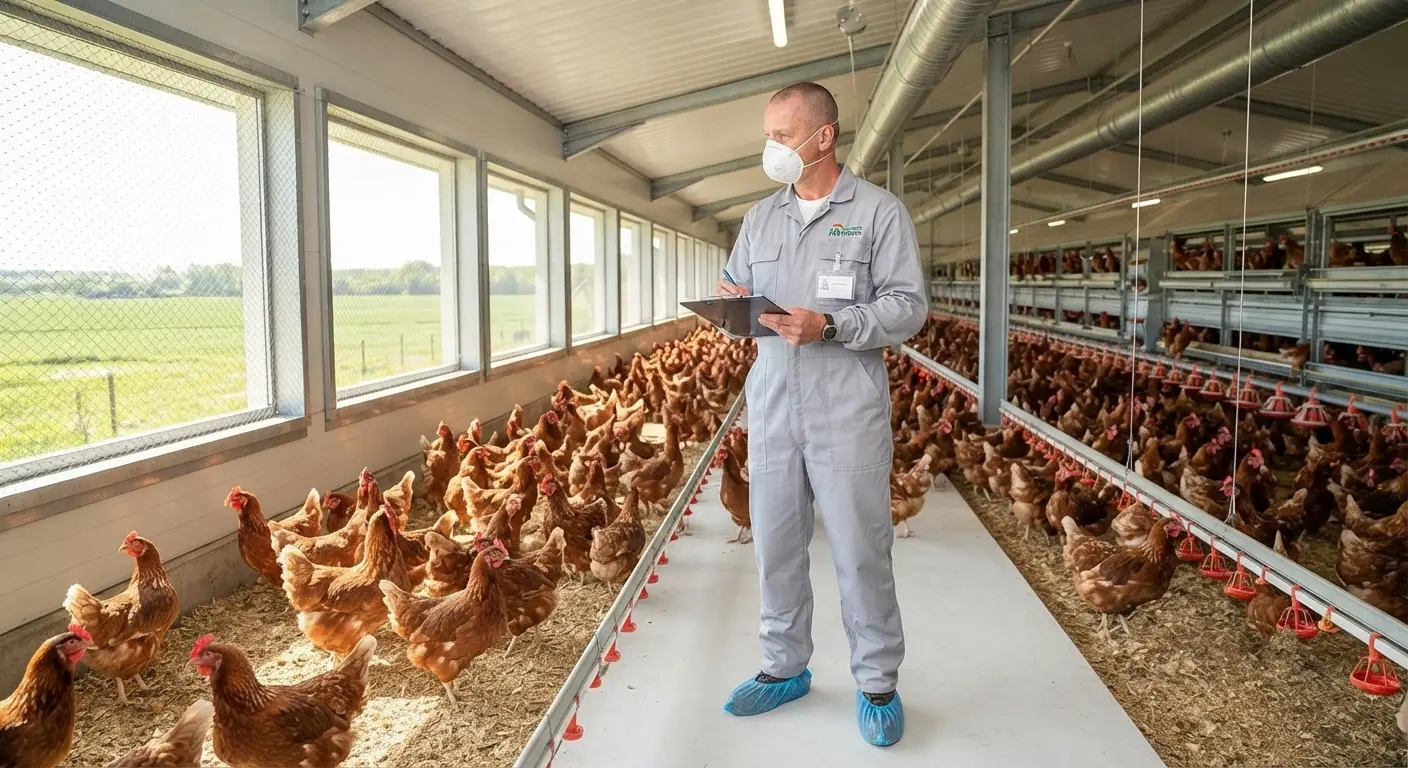
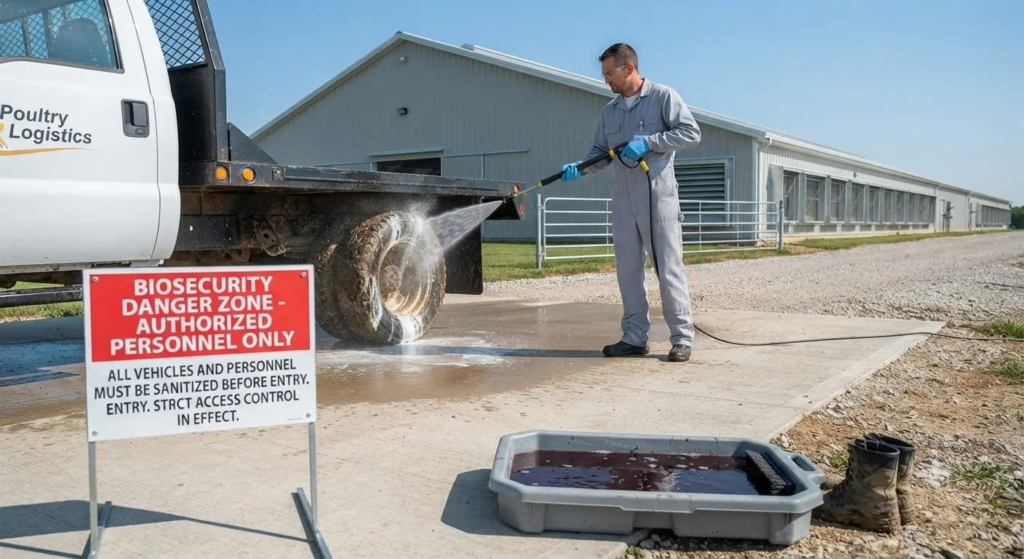
Experts are reminding producers that biosecurity is not a static policy, but an active, daily discipline. With the threat of H5N1, the following measures are no longer “best practice”—they are the essential pillars of farm security:
- Strict Access Control: Rigid enforcement of visitor logs and the limitation of non-essential personnel.
- Sanitation Protocols: Mandatory disinfection stations for all equipment, vehicles, and footwear entering farm zones.
- Wildlife Exclusion: Securing all feed and water sources with bird-proof covers to eliminate contamination risks from droppings.
- Daily Clinical Observation: Rigorous, daily health checks to catch subtle changes in flock behavior or production metrics.
Vigilance: The Early Warning System
Recognizing the early symptoms of avian influenza is the most powerful tool a producer has. Agriculture officials urge farmers to monitor for the following indicators:
- Production Shifts: A sudden, inexplicable drop in egg yields or the appearance of abnormal, soft-shelled eggs.
- Physical Symptoms: Visible swelling of the comb, wattles, or eyelids; coughing or lethargy.
- Neurological Signs: Tremors or difficulty with coordination, which can indicate the onset of viral impact.
The Golden Rule: If you observe unusual mortality or symptoms, contact your local veterinary or agricultural department immediately. Early reporting is the cornerstone of effective containment.
Building a Resilient Future
For many egg producers, this period of heightened surveillance is an opportunity to stress-test their emergency response plans. Whether it is a small-scale family operation or a large commercial enterprise, the ability to mobilize quickly in the event of an outbreak is what defines resilience.
Industry bodies recommend that producers:
- Audit current emergency plans to ensure they are up to date.
- Train staff to identify the signs of disease and practice proper biosecurity hygiene.
- Maintain stockpile readiness of critical disinfectants and personal protective equipment.
As Australia continues its surveillance, the message to the industry is one of measured, disciplined action. By combining the temporary restriction of outdoor access with rigorous on-farm protocols, producers are taking the necessary steps to protect not only their own businesses but the health and sustainability of Australia’s poultry industry at large.