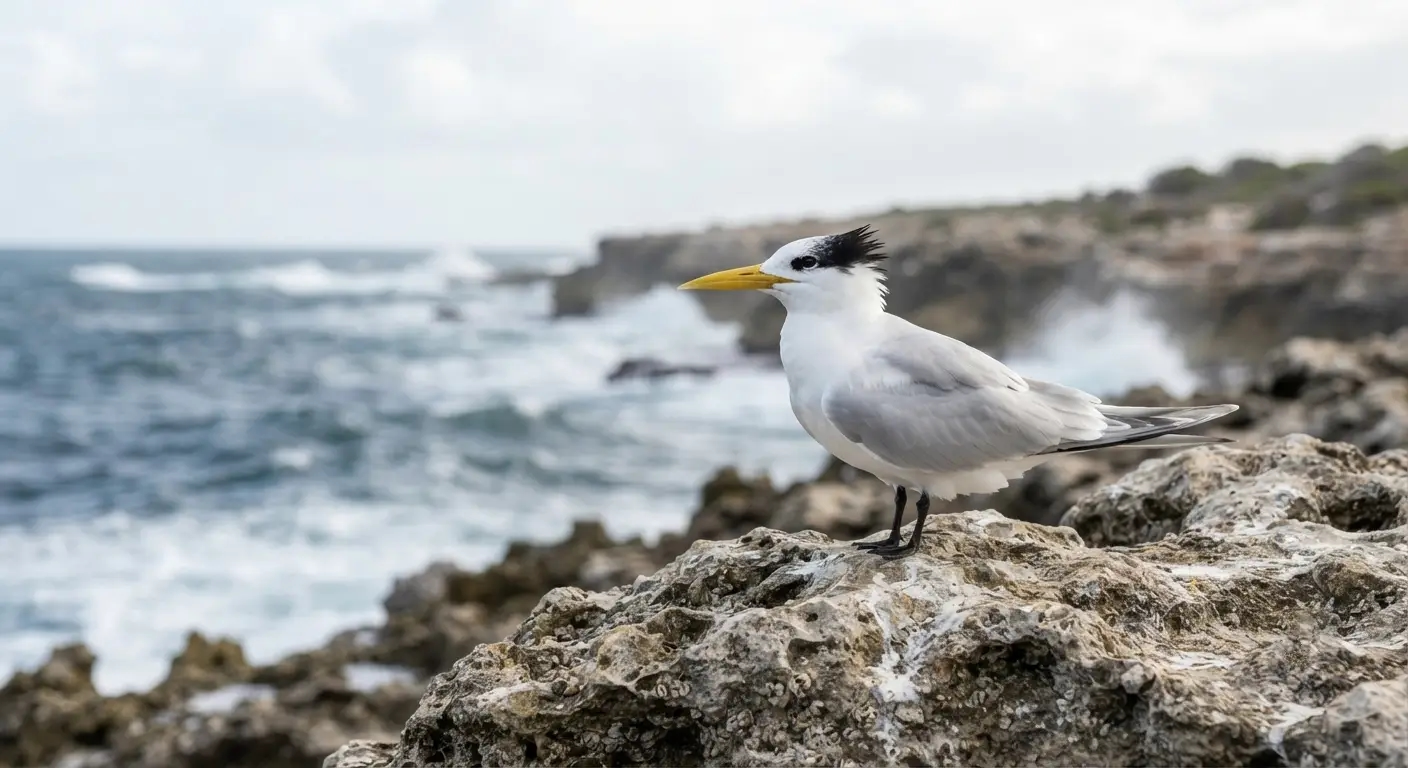
ROBE, South Australia — Australia’s battle against the highly pathogenic H5N1 avian influenza (bird flu) has reached a significant new phase. Authorities have confirmed the first case of the virus in a native Australian resident bird—a greater crested tern found in the coastal town of Robe, South Australia.
While H5N1 has been present in the country since June 2026, previous detections were exclusively limited to migratory seabirds arriving from the sub-Antarctic. The infection of a resident breeder, which nests in local colonies and shares coastal environments with other species, marks a shift in the disease’s trajectory that has animal health experts on high alert.
Understanding the Shift
The transition from migratory to resident wildlife is a “concerning development,” according to federal and state agricultural officials. Unlike migratory species that are rarely seen on land, resident seabirds interact frequently with gulls, shorebirds, and other wildlife, creating new pathways for potential transmission.
- The Tally: As of July 11, 2026, there are 13 confirmed or presumed detections of H5 bird flu across Western Australia, South Australia, and New South Wales.
- The Difference: Previous cases involved species like brown skuas and giant petrels. The crested tern is the first to be identified as a “resident” breeder, nesting in local island colonies.
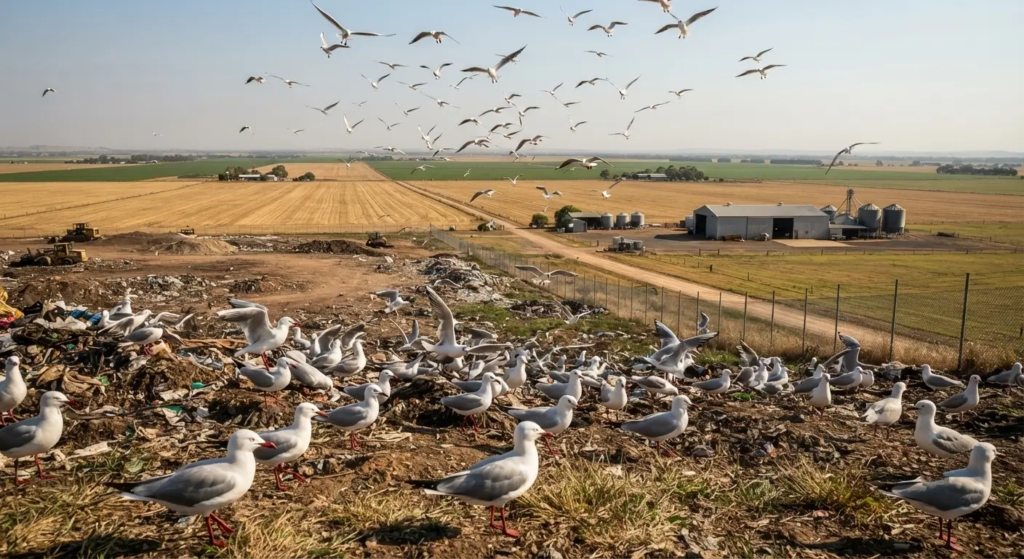
- The Risk: Scientists are now closely monitoring local gull populations, which frequently travel between coastal beaches, landfills, and agricultural lands, to determine if the virus is beginning to move inland.
Status of Commercial Poultry and Public Health
Despite the escalation in wild bird detections, government agencies, including the Department of Agriculture, Fisheries and Forestry (DAFF), emphasize that the situation remains under control regarding the food supply:
- No Agricultural Impact: There is no evidence of H5N1 infection in any commercial poultry farms, captive birds, or other agricultural livestock.
- Human Health: The risk to the general public is currently considered low. While H5N1 is a global concern, there have been no human cases of this specific clade (2.3.4.4b) in Australia.
Proactive Measures for Poultry Producers
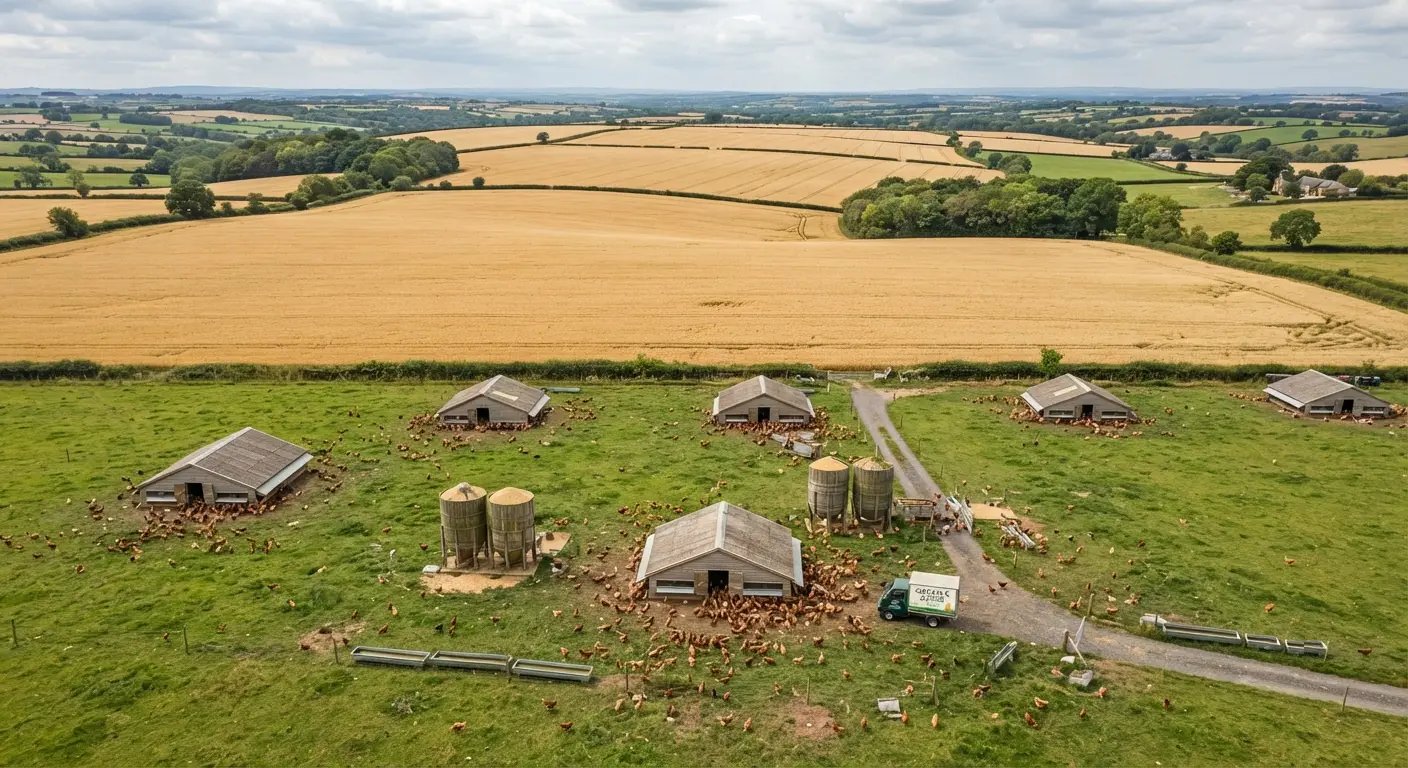
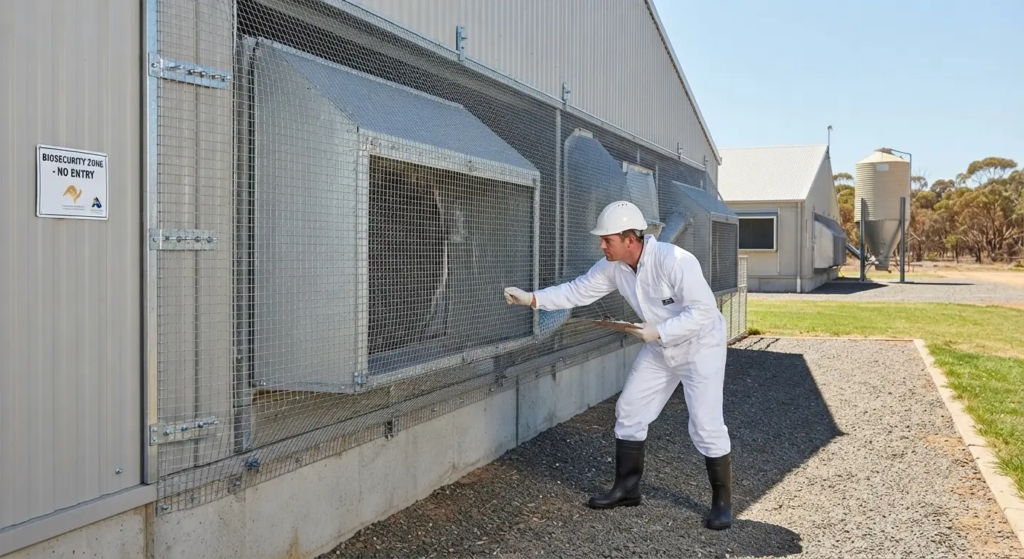
While the industry remains free of the virus, the detection in native wildlife serves as a “call to action” for farms across the country. Poultry producers are strongly encouraged to fortify their biosecurity protocols:
- Restrict Wildlife Access: Ensure sheds are fully proofed against wild birds. Feed and water systems should be strictly enclosed and inaccessible to local bird species.
- Site Sanitation: Implement rigorous disinfection routines for vehicles, equipment, and footwear at all entry/exit points.
- Monitor and Report: Daily health checks of flocks are essential. Any sudden spikes in mortality, drops in egg production, or unusual respiratory symptoms must be reported immediately to the Emergency Animal Disease Hotline at 1800 675 888.
- Limit Interaction: Avoid allowing non-essential visitors onto the farm, particularly those who have recently been in contact with wild bird habitats.
Looking Ahead
The Australian government has committed to expanded surveillance, with teams coordinating across state jurisdictions to monitor ecological sites. While the arrival of the virus was anticipated, the transition into resident species necessitates a more robust monitoring framework.
For producers, the strategy remains constant: vigilance is the best defense. By maintaining strict biosecurity and ensuring early detection, the industry aims to keep Australia’s poultry sector isolated from the outbreaks currently affecting wild populations.