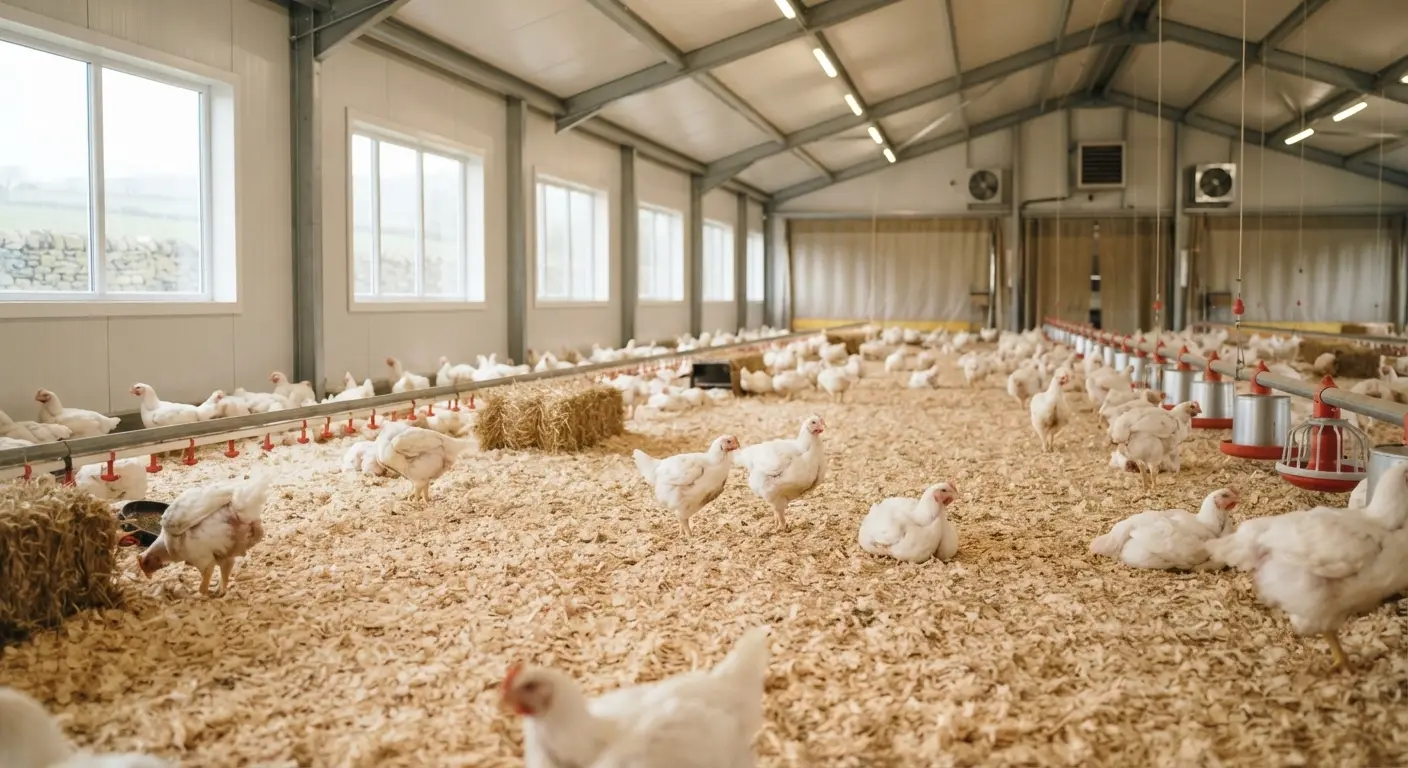
HUNMANBY, North Yorkshire — In a move signaling a shift toward higher welfare standards in the UK poultry industry, a local farm has unveiled plans for a state-of-the-art broiler facility that prioritizes bird comfort over production volume.
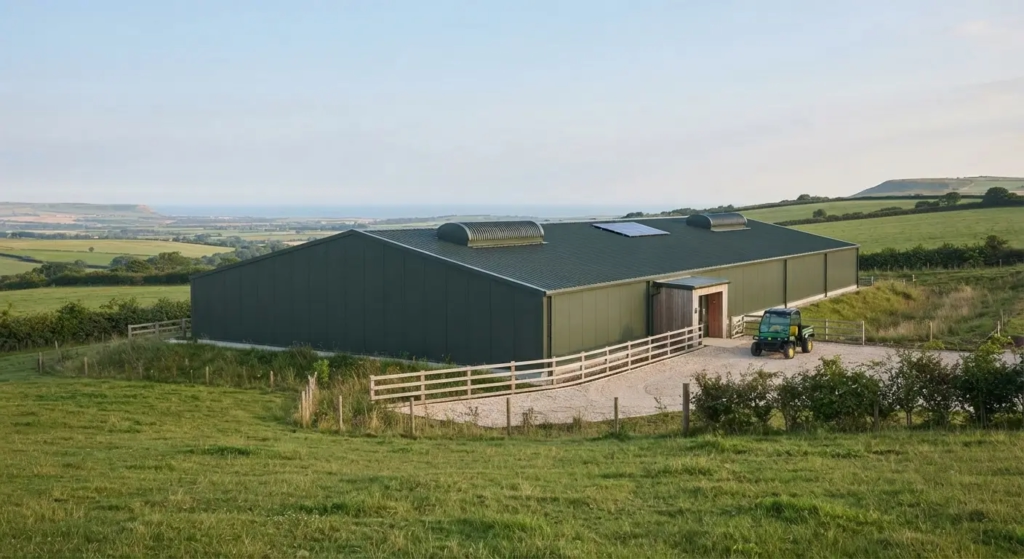
The application, submitted by John Sleightholme for Cansdale Farm near Filey, proposes the construction of a new poultry house designed specifically to house 20,000 birds. Crucially, the project is not an expansion; the flock size will remain unchanged, with the new building serving solely to increase the floor space available to the existing birds.
Redefining Standards: The “Better Chicken Commitment”
The proposal aligns with the Better Chicken Commitment (BCC), a voluntary but influential set of welfare standards gaining traction among major UK retailers and food companies. By constructing this facility, Cansdale Farm aims to significantly lower its stocking density, moving well beyond baseline UK regulations.
While current UK standards permit up to 38 kilograms per square meter, the BCC advocates for a target of 30 kilograms or less. This reduction is widely recognized by animal scientists as a critical step in improving leg health, reducing stress-related injury, and allowing for natural behaviors.
Advanced Engineering for Flock Health
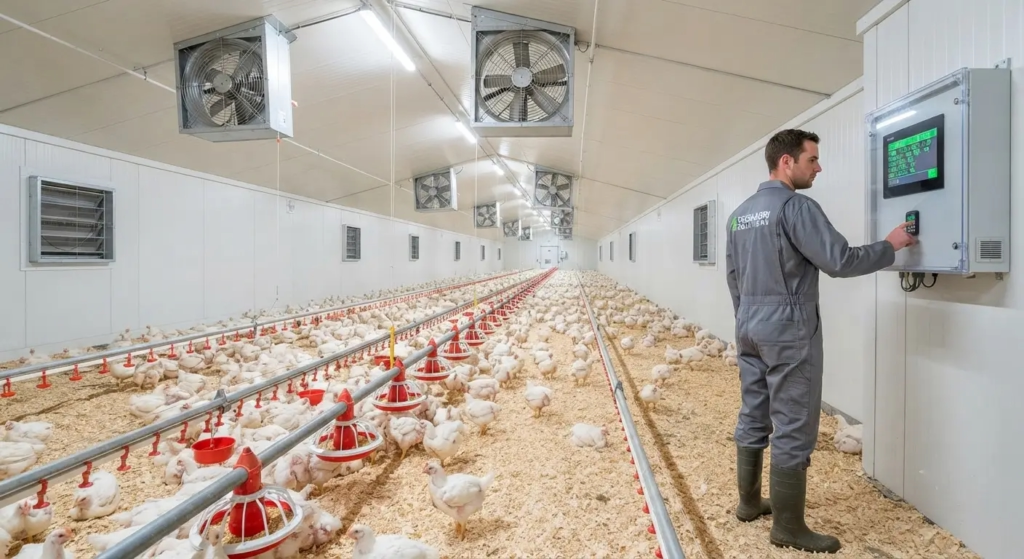
The design emphasizes a “closed-loop” controlled environment. Key technological features include:
- Precision Ventilation: High-velocity, ridge-mounted extraction fans designed to eliminate ammonia buildup and maintain optimal air quality.
- Climate Automation: Computerized systems that synchronize temperature, lighting, and humidity to minimize environmental stress.
- Automated Husbandry: Integration of non-drip nipple drinking systems and automatic pan feeders to optimize resource access while ensuring hygiene.
Proper ventilation is the backbone of broiler health,” notes a spokesperson for the project. “By managing humidity and ammonia at the source, we are creating a cleaner, healthier environment that reduces the risk of respiratory issues and improves overall flock vitality.”
A Sustainable Model for Growth
The planning application addresses common local concerns—such as odor and traffic—by emphasizing that the project is a “welfare-focused upgrade” rather than an industrial expansion. Because the total number of birds is capped at the current level, the applicant reports:
- No net increase in ammonia emissions or site odors.
- No intensification of traffic or delivery movements.
- Environmental Stability: The project demonstrates that modernizing infrastructure can improve outcomes without increasing the farm’s environmental footprint.
Welfare as a Market Driver
This initiative reflects a broader transformation in consumer sentiment. As UK supermarkets and restaurants increasingly source products from certified high-welfare farms, producers are finding that “welfare-friendly” infrastructure is not just an ethical choice—it is a competitive necessity.
“Improving housing conditions isn’t just about animal ethics; it’s about business sustainability,” says an industry analyst. Lower mortality rates, better growth performance, and alignment with retailer requirements make this a forward-looking investment for any modern poultry operation.
What Comes Next
The planning application is currently under review by the North Yorkshire Council. Local stakeholders and residents are invited to provide feedback as the council weighs the potential for improved animal welfare against land-use considerations.
If approved, the project will serve as a practical case study for farmers worldwide, demonstrating that commercial viability and high-welfare standards are not mutually exclusive—and that sometimes the best path toward growth is to give the flock more room to thrive.