The global palm oil sector has spent decades mastering the science of yield. From precision agriculture and satellite-monitored sustainability programs to advanced genetic breeding, the industry has become a model of technical efficiency. Yet, for all its progress, a critical gap remains: the divide between plantation realities and public perception.
As the industry faces mounting scrutiny regarding labor, biodiversity, and climate change, leaders are increasingly realizing that scientific excellence is only half the battle. The long-term viability of palm oil now depends on a new, equally complex harvest—the cultivation of public understanding.
The Communication Gap
The industry currently operates with a high degree of technical sophistication, regularly utilizing complex metrics like Oil Extraction Rates (OER), Free Fatty Acids (FFA), and intricate Greenhouse Gas (GHG) reporting. However, these terms often fail to resonate with a public that lacks basic knowledge of how the world’s most versatile vegetable oil is actually produced.
“We have spent years perfecting the how of production, but we haven’t successfully explained the why or the what to the people who matter most,” says one industry analyst. This communication vacuum is often filled by viral images or simplified headlines that lack the necessary nuance of sustainable agricultural trade-offs.
From Technical Data to Human Stories
To bridge this gap, industry experts are advocating for a shift in strategy. While reports and ESG (Environmental, Social, and Governance) data remain essential for stakeholders, they are rarely sufficient for building public trust. The solution, many argue, lies in transparent storytelling.
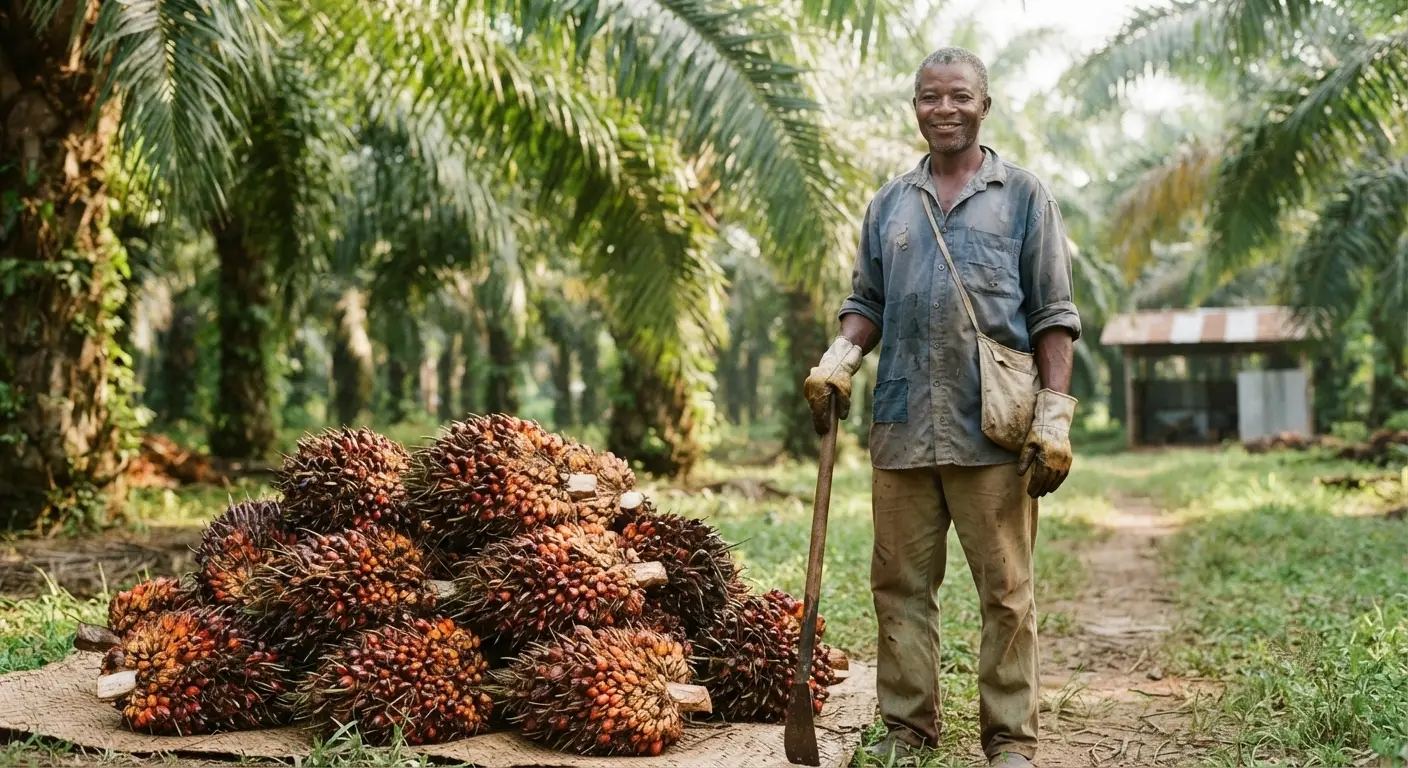
- Humanizing the Sector: Shifting the narrative to focus on the daily lives of plantation workers, the critical role of smallholder farmers, and the genuine challenges of harvesting in complex tropical terrain.
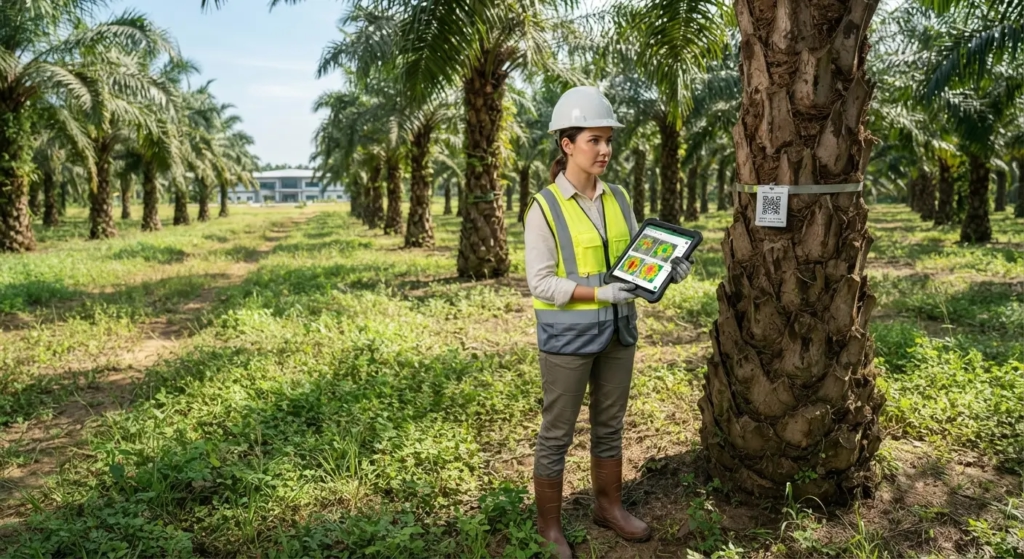
- Demystifying the Plantation: Because few consumers have visited a commercial plantation, the industry remains an abstraction. Virtual tours, field experience sharing, and honest dialogues about the realities of daily operations are essential to replacing stereotypes with facts.
Complexity as a Credibility Tool
Sustainability in palm oil is not a simple “on/off” switch; it is a continuous, difficult process of balancing forest conservation, rural livelihoods, and global food security. The industry’s greatest asset may be its willingness to discuss these complexities openly.
The path to credibility, experts suggest, involves a simple but rigorous framework:
- Listen First: Address public concerns before pivoting to corporate messaging.
- Translate Complexity: Explain the science in plain language without stripping away the vital context of the trade-offs involved.
- Lead with Evidence: Use field data and verifiable research to ground every narrative in reality.
- Consistency Over Campaigns: Trust is not built through a single PR blitz; it is forged through ongoing, transparent dialogue.
A Career for the Next Generation
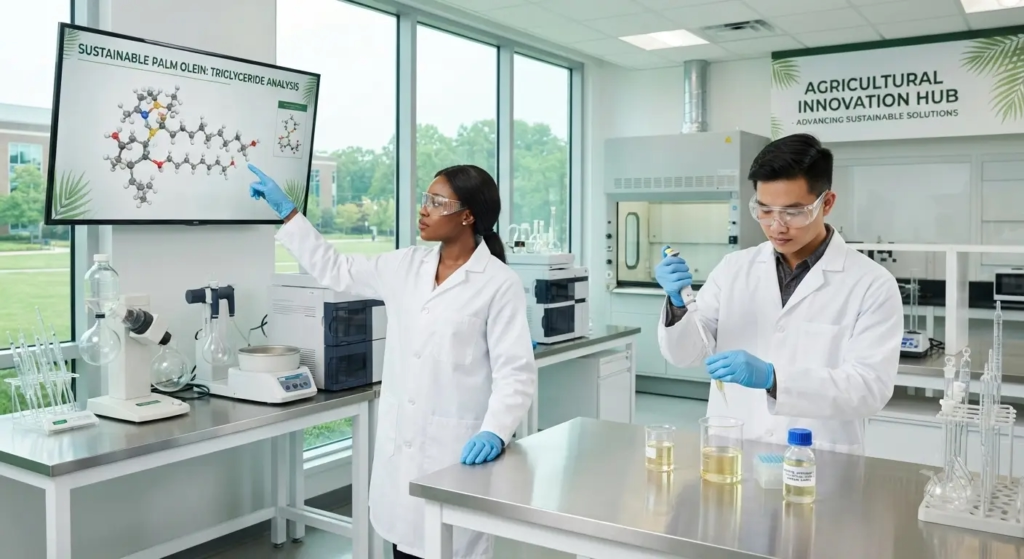
Effectively communicating the industry’s mission is also a recruitment imperative. Modern graduates are looking for roles that offer purpose, innovation, and environmental responsibility. By framing palm oil as a vital component of global food security and renewable energy—and highlighting the massive scale of current sustainability efforts—the industry can attract the top-tier talent needed to solve the agricultural challenges of the next fifty years.
The Most Valuable Harvest
The palm oil industry sits at the intersection of global food supply, industrial utility, and environmental stewardship. Because oil palm produces more oil per hectare than any other major crop, its potential for land-use efficiency is unmatched.
The industry’s future success will not be defined by its ability to extract one more ton of crude palm oil per hectare. Instead, it will be defined by its ability to foster an environment where society understands the complexities of the plantation as well as the necessity of the product. By combining scientific innovation with human-centered communication, the sector can transform from a target of global criticism into a recognized, transparent leader in sustainable food production.