Chicago, IL — The U.S. lean hog market saw a decisive shift on Wednesday, July 8, 2026, as futures prices staged a broad-based rally. Supported by robust wholesale pork demand and steady packer buying, the market appears to be finding firm footing despite recent volatility.
Mid-Week Market Performance
Wednesday’s trading session was characterized by a healthy surge in futures contracts, with gains ranging from 82 cents to $3.00 per hundredweight. This recovery reflects growing trader confidence, driven by fundamentals in the physical market that have remained resilient despite broader economic uncertainties.
Key Market Indicators (July 8, 2026)
- National Base Hog Price: Increased to $96.89 per cwt.
- CME Lean Hog Index: Climbed 11 cents to $91.66.
- Pork Carcass Cutout Value: Rose by $1.07 to $98.98 per cwt, signaling strong support from retail and food service sectors.

The Drivers of the Rally
A combination of seasonal demand and consistent processing activity is sustaining the recent momentum in the hog market:
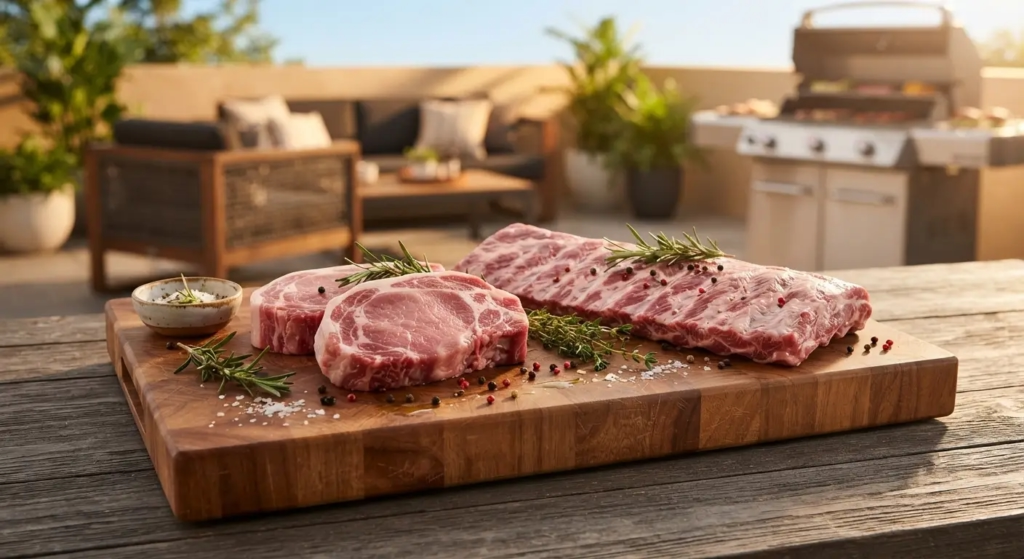
- Healthy Wholesale Demand: The steady climb in carcass cutout values, nearing the $99 mark, suggests that consumer demand—particularly for grilling staples during the peak summer season—is effectively absorbing supply.
- Stable Cash Markets: The increase in both the national base price and the CME Lean Hog Index indicates that meat processors are actively competing for market-ready hogs, providing a solid floor for futures prices.
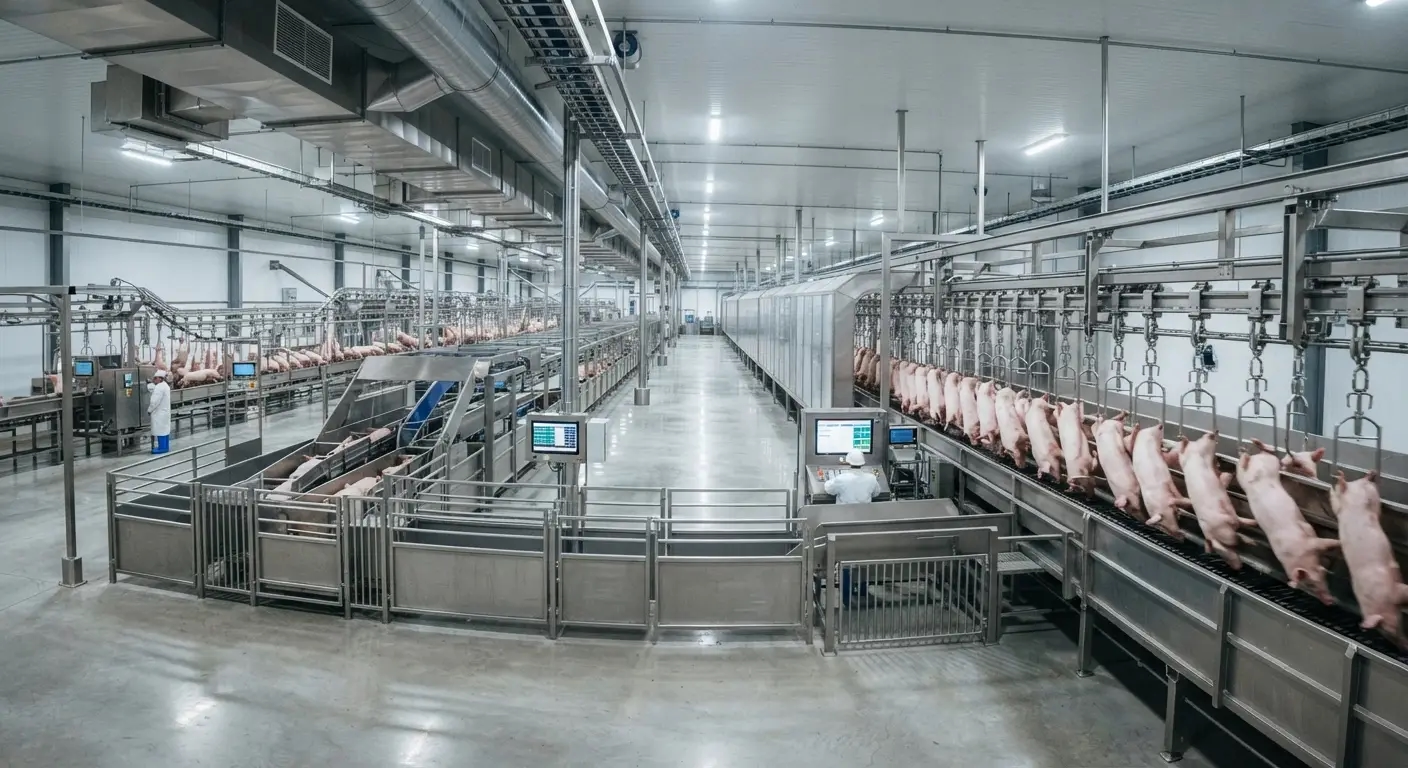
- Robust Throughput: Federally inspected slaughter volumes remain high, with weekly totals tracking above both the previous week and the same period last year. This high volume of processing is a testament to the industry’s ability to move market-ready animals efficiently.
What This Means for Producers
For commercial pig farmers, the current market environment offers a window of opportunity, though efficiency remains the name of the game. While rising pork values are a positive indicator for revenue, profitability continues to hinge on the management of production costs—most notably feed.
Strategic Priorities for Producers:
- Optimize Feed Efficiency: With grain markets fluctuating due to mid-summer heat concerns, every point of feed conversion improvement directly impacts the bottom line.
- Strict Biosecurity: Maintaining high-health status is non-negotiable, especially during periods of high processing activity when cross-farm movement risks are elevated.
- Market Awareness: Producers are encouraged to keep a close eye on export sales and weather reports, as these will likely be the primary catalysts for price movement in the coming weeks.
Market Outlook
While the daily ebb and flow of the futures market is expected to continue, the confluence of rising cutout values and strong cash support provides a constructive outlook for the pork industry. Traders will likely remain focused on how summer heat impacts grain production, as any supply-side shocks to corn and soybean markets could exert pressure on future feed costs.
For the time being, the U.S. hog market is benefiting from a “demand-pull” dynamic, in which healthy demand for pork products is providing the necessary support to keep the industry resilient.
Would you like me to analyze how specific global export trends—such as the ongoing offal restrictions in Mexico—might impact your farm’s marketing strategy for the remainder of the quarter?