PARIS — Europe’s agricultural sector is grappling with its most severe climate stress test in decades. Following a record-breaking June that saw the continent’s hottest temperatures ever, a third major heatwave is currently sweeping through the region, leaving farmers, livestock, and commodity markets in “crisis mode.”
The 2026 summer has been defined by a relentless cycle of heat and drought, with temperatures in parts of France, Spain, and Hungary consistently exceeding 40°C (104°F). For many producers, the question is no longer how to maximize yields but how to salvage what remains of a season derailed by climate extremes.
Maize Harvest Facing 50-Year Lows
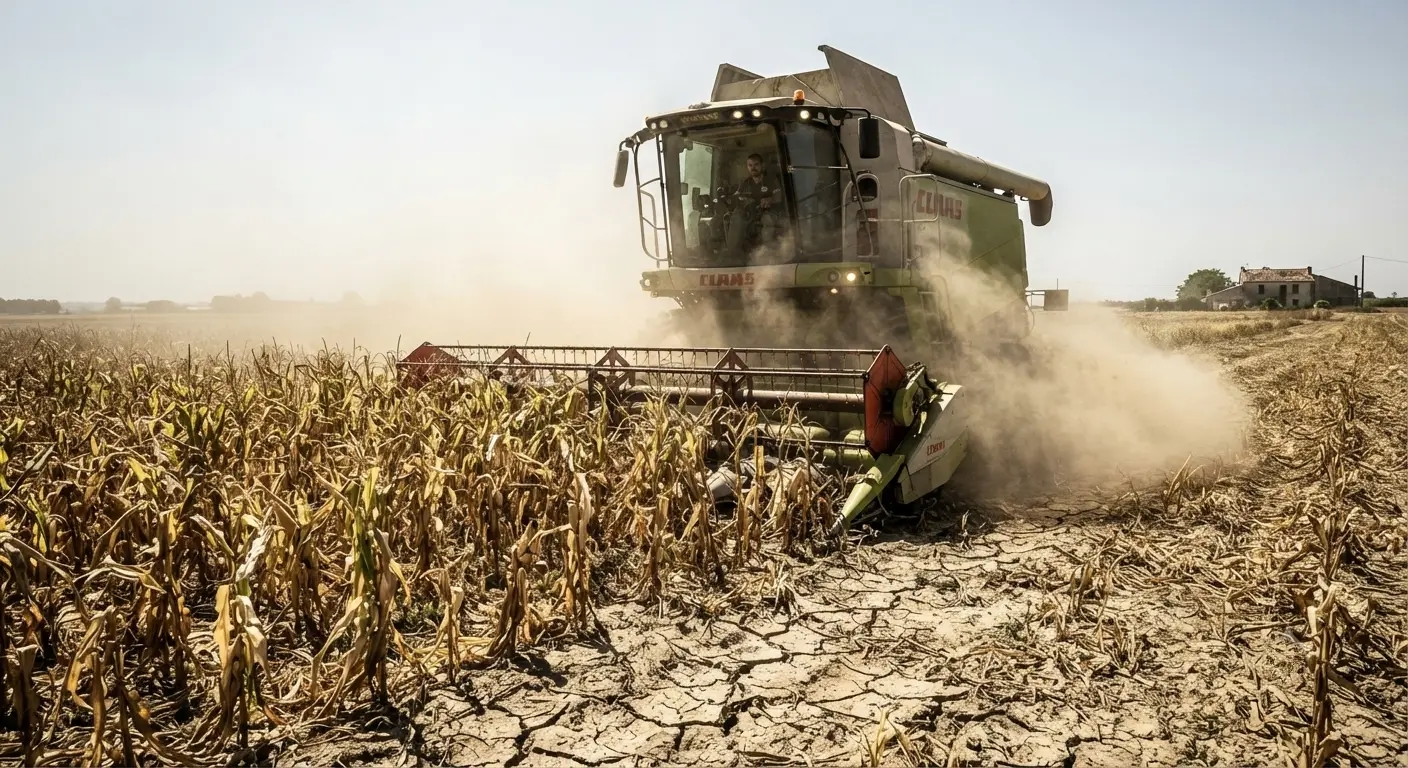
The impact is most visible in the corn (maize) fields of Western and Central Europe. Grain trade association Coceral recently cut its outlook for EU maize production by nearly 8%, with some analysts projecting the French harvest could be the smallest in half a century.
“Yield damage is increasing day by day because of the heat and lack of rain,” says Benoit Fayaud, a senior grain analyst. In western France, some farmers have already begun cutting non-irrigated maize crops—even before the grain has reached maturity—simply to salvage the plants as emergency livestock fodder.
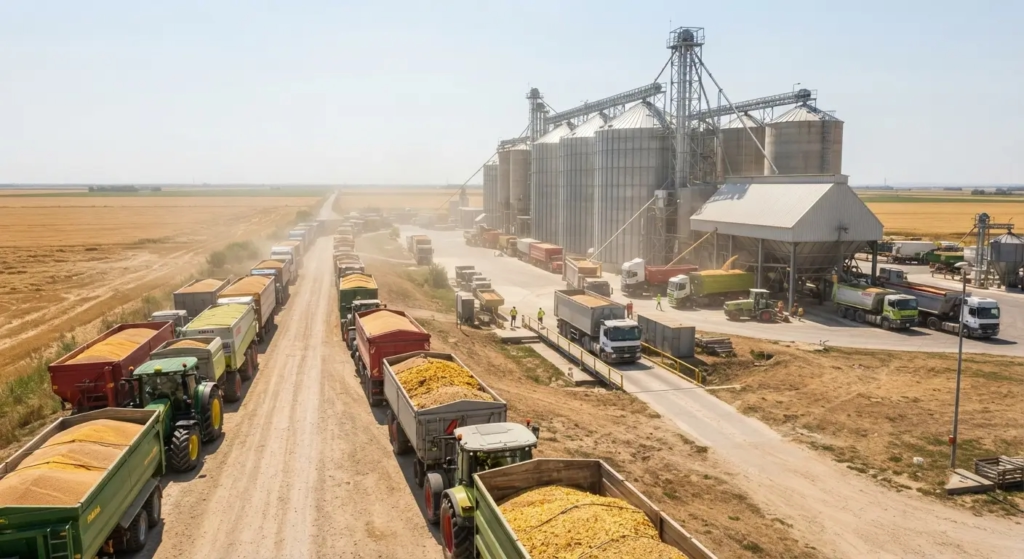
The heat has also triggered an early “harvest race.” In countries like Hungary, extreme heat is accelerating grain ripening, forcing farmers to pull harvest windows forward by weeks to prevent crop failure. This compression is overwhelming logistics, creating localized bottlenecks for combines, transport, and grain storage.
Livestock Sector in “Emergency Mode”
The animal protein sector is facing an equally dire situation. The prolonged heat has resulted in mass poultry mortality, particularly in western France, where rendering capacities have been overwhelmed. In some areas, authorities have been forced to authorize emergency on-farm burials to manage the scale of losses.
Cattle and pig farmers are also reporting:
- Reduced Productivity: Significant drops in milk output and growth rates due to heat stress.
- Welfare Bottlenecks: Hauliers are restricting the transport of animals during peak temperatures to comply with welfare regulations, slowing the supply chain to slaughterhouses.
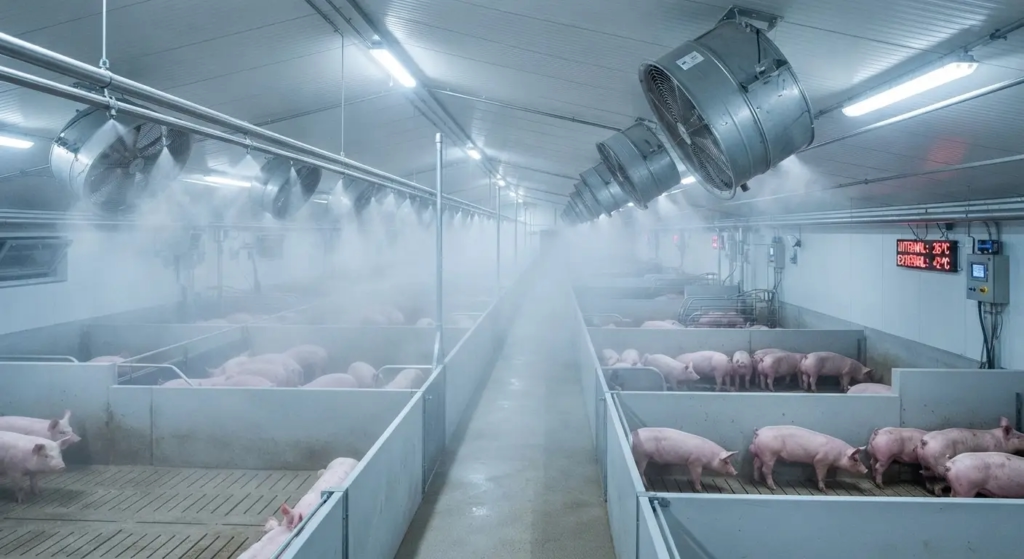
- Increased Operating Costs: Producers are investing heavily in industrial-grade misting, improved ventilation, and cooling systems just to keep herds alive.
A New Climate Reality
Climate scientists from the EU’s Copernicus service note that 2026 is part of a troubling trend. June surface temperatures were more than 3°C above the long-term average, and the succession of three major heatwaves in six weeks has left soils critically dry and water tables at historic lows.
For the agricultural community, the focus has shifted toward long-term resilience. “We are seeing that traditional methods are struggling against the current frequency of these extremes,” notes a report from the European Commission. Farmers are increasingly adopting “crisis management” strategies, including:
- Diversified Rotations: Moving away from monocultures to spread financial risk.
- Early-Season Adjustments: Reorganizing labor to perform all outdoor work before sunrise to avoid the heat.
- Strategic Irrigation: Prioritizing water for the most vulnerable crops while abandoning non-irrigated fields to prioritize livestock fodder.
Market Volatility and Food Security
The cumulative damage from the heatwaves is rippling through global markets. Corn futures have seen consistent upward pressure, and wheat prices remain high as traders weigh European losses against a mixed global harvest outlook.
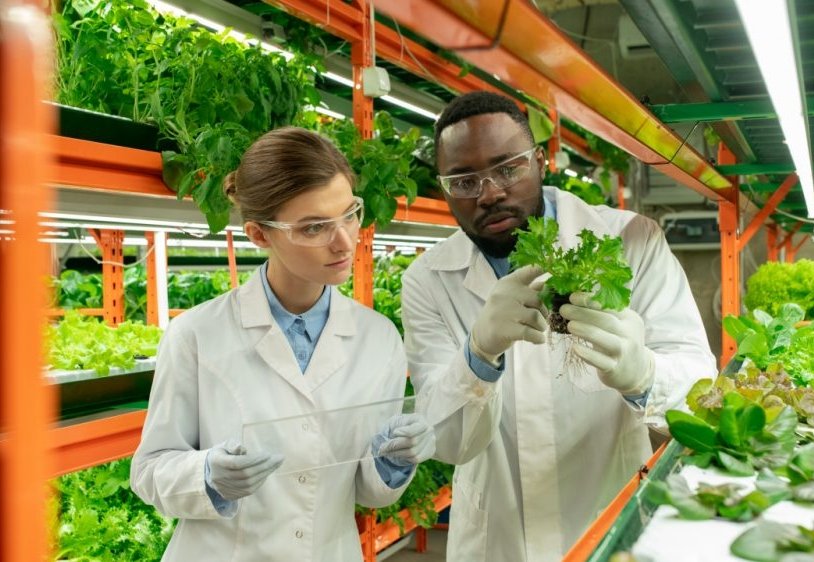
As food prices rise and production forecasts fall, the European agricultural sector finds itself at a crossroads. With heatwaves becoming a recurring feature of the European summer, the ability of farmers to integrate heat-tolerant varieties, precision irrigation, and resilient management systems is no longer just a technical goal—it is a necessity for the continent’s food security.
Quick Facts: The 2026 Heat Crisis
- Maize Outlook: EU production is expected to be at its lowest since 2007, with French yields potentially falling one-third below 2025 levels.
- Record Heat: June 2026 was the hottest June on record for Western Europe, with a peak temperature of 44.3°C recorded in France.
- Market Impact: Grain and oilseed prices have trended upward as supply expectations tighten due to crop failure and livestock losses.
- Labor Risks: International reports estimate that heat stress could cost the global economy billions in lost labor hours, with agriculture bearing the brunt of the impact.