302,000+ Livestock Deaths: Heat-related mortality hits poultry, pigs, and cattle across the Korean Peninsula since mid-May.
Beekeeping Crisis: Hive egg production drops up to 66%, threatening next year’s honey yield.
Atmospheric Pressure Trap: Dual high-pressure systems (North Pacific & Tibetan Highs) lock temperatures above 39°C (102°F).
Economic Impact: Farm operating costs double due to continuous cooling systems, with projected income drops of 20% to 30%.
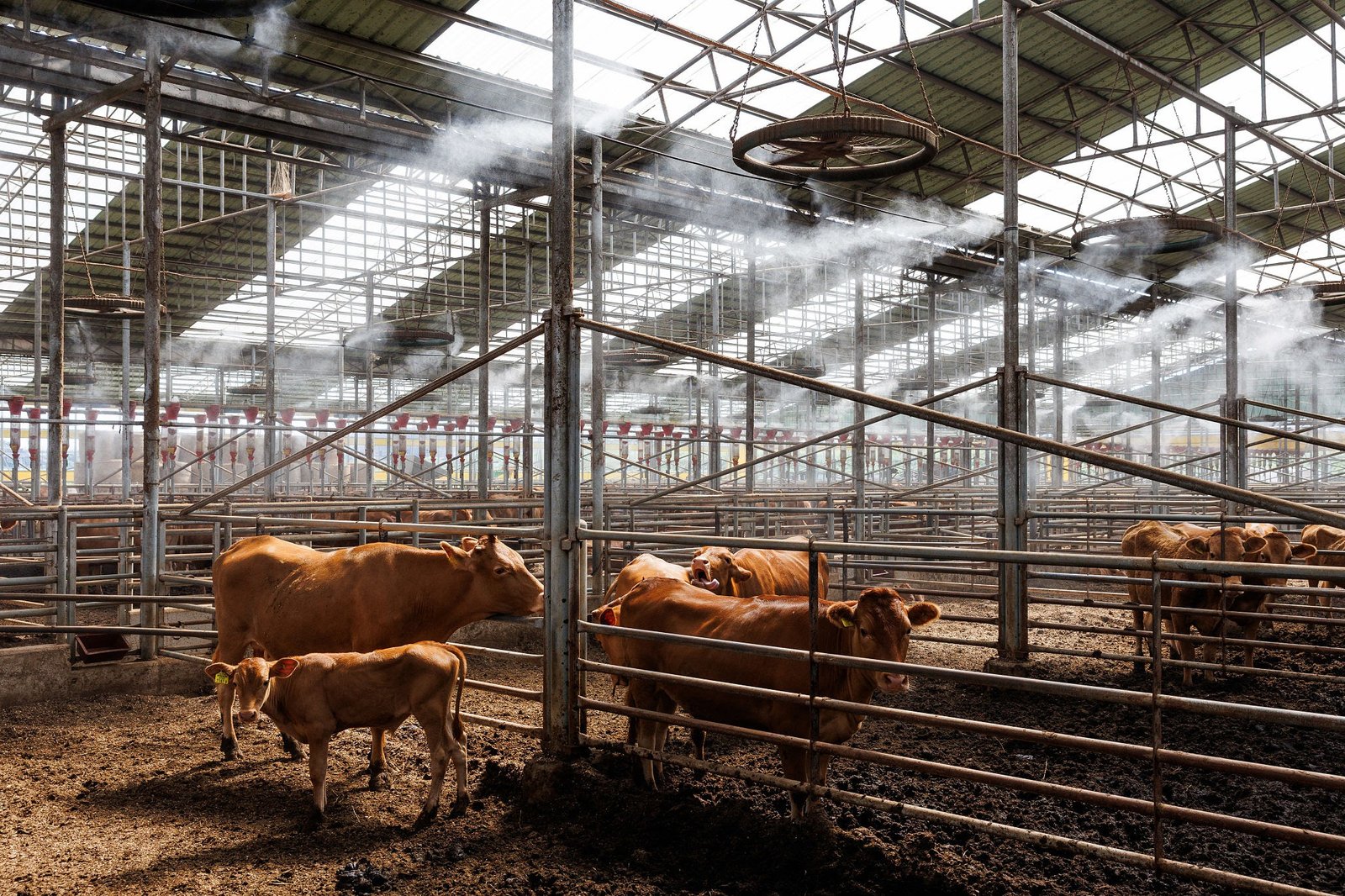
Beef cattle in a shed in Cheonan, South Korea, on Monday, July 28, 2025. South Korean President Lee Jae Myung risks torpedoing his honeymoon period in office by angering farmers and fracturing his party with concessions on US beef and rice to secure a trade deal that prioritizes the nation’s car and chip sectors. Photographer: SeongJoon Cho/Bloomberg via Getty Images
A relentless summer heatwave across South Korea has triggered a severe agricultural crisis. Over 302,000 livestock animals—predominantly poultry and swine—have succumbed to extreme thermal stress since mid-May 2026.
Despite heavy investments in industrial ventilation, misting systems, and specialized insulation, farmers report that persistent temperatures above 35°C (95°F) are overpowering conventional mitigation efforts, threatening long-term food security and farm economics.
Sector Breakdown: How Extreme Heat Hits the Supply Chain
Agriculture Sector
Primary Heat Stress Factor
Immediate Operational Impact
Economic & Yield Consequence
Beekeeping(Namyangju)
Hive interior temps exceeding 35°C
Bees cluster externally; brood care abandoned
50–66% drop in egg laying (1,000 vs 3,000 norm)
Poultry Farming(Cheonan)
Ambient temps crossing 39°C (102°F) threshold
Cooling systems lose thermal reduction efficiency
10–20% mortality risk; power bills double
Beef & Dairy Cattle
Combined high heat + relative humidity
Reduced voluntary feed intake; thermal panting
Lower body mass gain; diminished milk volume & fat
Apiary Collapse: Beekeepers Warn of Long-Term Yield Drops
In Toegye-eup, Namyangju, veteran beekeeper Kim Sun-hee fights an endless battle against ambient heat. Bees exit hives when internal temperatures spike, clustering outside in survival mode rather than tending to new larvae.
Normal Egg Production:  ████████████████████ 3,000 eggs/colony
Heatwave Laying Rate:  ███████ 1,000 - 1,500 eggs/colony (-50% to -66%)
To shield hives, producers have transitioned from traditional wooden structures to expanded polypropylene (EPP) insulated hives, supplemented by manual water spraying and shaded canopy barriers.
“The bees we raise now sustain production next season,” explains Kim. “Poor egg production today compromises honey yields well into next year.”
Poultry and Dairy: Skyrocketing Power Bills vs. Declining Income
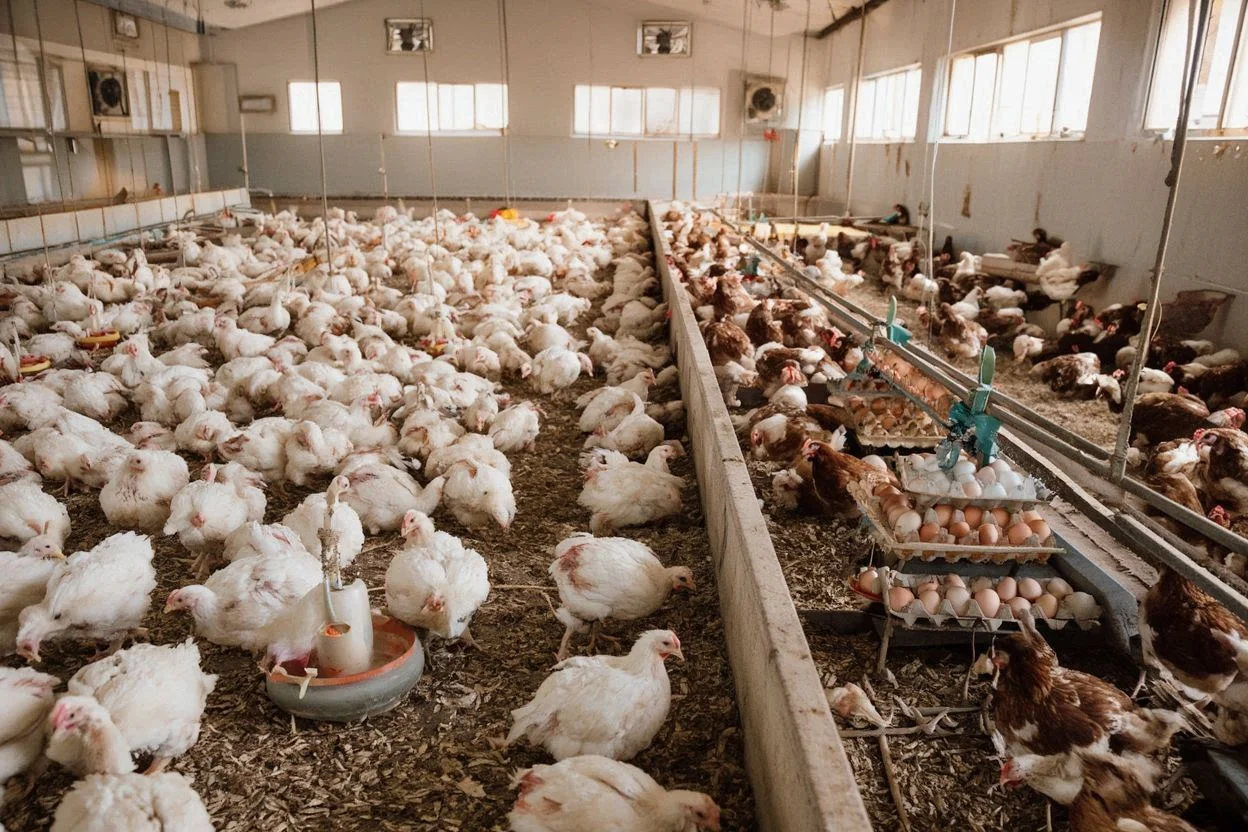
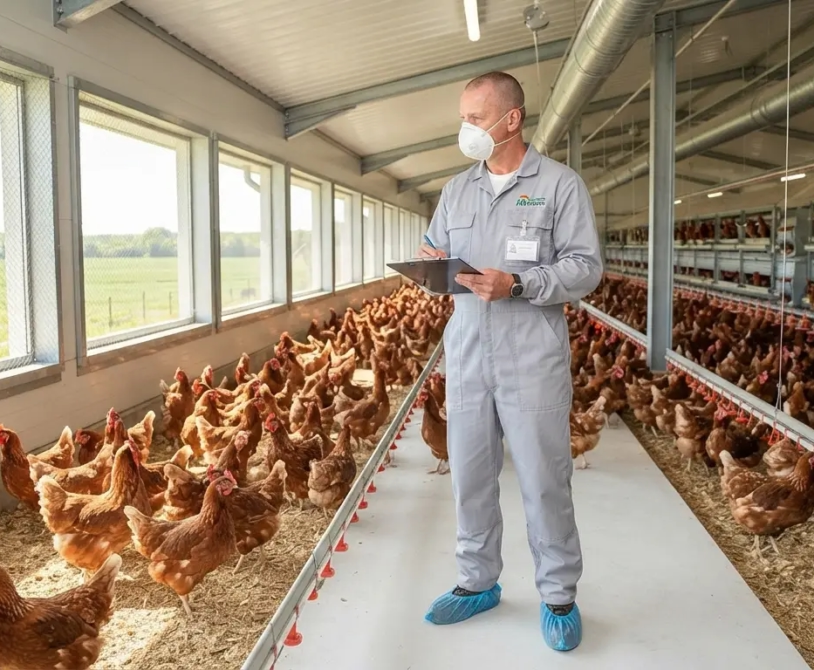
At commercial poultry operations in Cheonan, multi-stage cooling fans and evaporative chillers operate 24 hours a day. However, once environmental temperatures breach 39°C (102°F), heat exchange efficiency drops sharply, resulting in hundreds of bird deaths per day.
Monthly Energy Expenses:   ₩1.5M  ───────►  ₩3.0M (+100%)
Expected Farm Income:     [ Normal ] ───►  [-20% to -30%]
For dairy producers, high relative humidity compounds the problem by hindering cattle’s natural heat-dissipation mechanisms. The resulting drop in feed intake directly lowers milk volume and nutrient density.
Meteorological Root Cause: The High-Pressure Heat Dome
Meteorologists attribute the sustained extreme temperatures to a persistent weather phenomenon locking heat over the Korean Peninsula:
The Tibetan High: Delivers hot, dry air in the upper atmosphere.
The North Pacific High: Pumps hot, humid maritime air into the lower atmosphere.
The Result: A dual-layer high-pressure “heat dome” trapping hot air over South Korea and blocking cooling Atlantic or Arctic airflows.
       ▲  [Upper Atmosphere]  Tibetan High (Hot/Dry Air)
       │
  ─── HEAT DOME TRAP ───────────────────────────
       │
       ▼  [Lower Atmosphere]  North Pacific High (Hot/Humid Air)
With daytime perceived temperatures projected to remain above 35°C for weeks, agricultural groups are urging the government to enact formal climate adaptation subsidies and disaster mitigation infrastructure to keep farms solvent.
share
About Enow Peric
Peric Enow is the Founder and CEO of Otto’s Farms, where he bridges the gap between traditional agriculture and modern technology. With a background as a Software Engineer, Peric applies a data-driven approach to livestock production and farm management. Under his leadership, Otto’s Farms has grown from a poultry start-up into a diversified agribusiness hub in Cameroon, known for its focus on sustainability and tech-integrated farming solutions. He is passionate about empowering the next generation of "agropreneurs" through mentorship and digital tools.