While roundworms (nematodes) live by piercing and feeding on blood inside the gut, tapeworms (cestodes) represent another major internal threat to African catfish (Clarias gariepinus) and Channel catfish (Ictalurus punctatus).
As ribbon-like, segmented flatworms residing in the digestive tract, tapeworms absorb host nutrients directly through their skin. Heavy infections can severely compromise fish growth, feed conversion efficiency, and stock productivity in commercial and homestead production systems.
1. Biology and Identification of Catfish Tapeworms
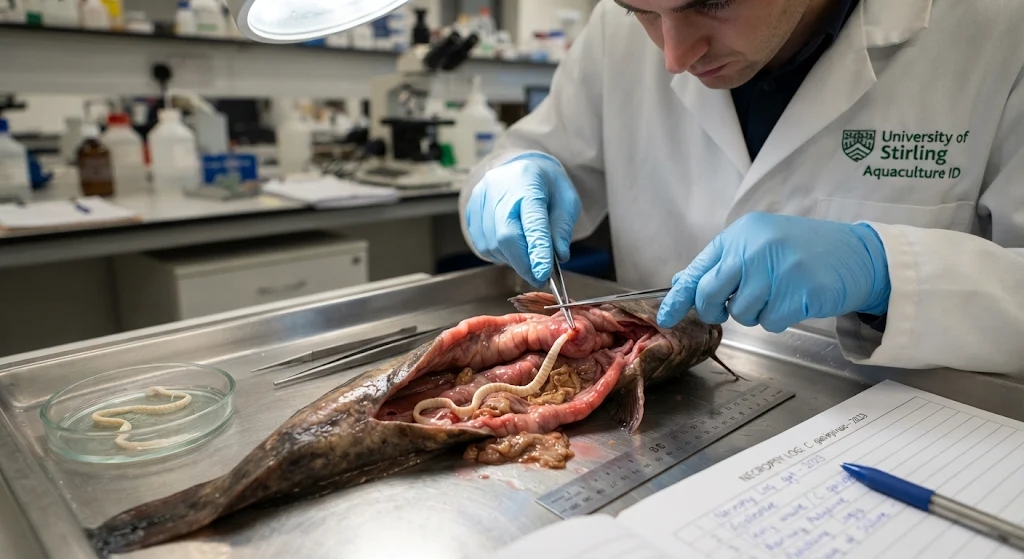
Tapeworms are flat, segmented endoparasites belonging to the class Cestoda. In African catfish aquaculture and wild populations, the most frequently documented species include Polyonchobothrium clarias and Tetracampos ciliotheca.
- Physical Appearance: Adult tapeworms appear as elongated, flat, ribbon-like white or cream-colored chains divided into individual segments (proglottids). They can range from a few centimeters to considerable lengths depending on the species and burden.
- Specialized Attachment Organs (Scolex): Unlike roundworms, tapeworms do not have a standard mouth or digestive system. Instead, they feature a specialized head structure called a scolex, equipped with hooks and muscular grooves (bothria) that anchor deeply into the mucosal lining of the host’s intestine or occasionally the gallbladder.
2. Clinical Symptoms and Warning Signs
Because tapeworms reside inside the gastrointestinal tract and absorb predigested nutrients, clinical signs often develop insidiously over time:
- Stunted Growth and Wasting: Infected fish often exhibit poor weight gain despite maintaining a normal or ravenous appetite, resulting in uneven sizing, sharp dorsal ridges, and sunken bellies.
- Nutritional Deficiencies and Anemia: Heavy tapeworm loads rob the host of essential vitamins, proteins, and minerals, leading to overall lethargy and decreased resistance to environmental stressors.
- Intestinal Pathology (Necropsy Findings): During internal sampling or necropsy, heavy infections reveal localized inflammation, thickened intestinal walls, and discrete nodules or ulcerations at the exact points where the scolex hooks have clamped into the gut tissue.
3. Root Causes and Transmission Dynamics
Tapeworm life cycles are indirect, requiring intermediate hosts to complete their development:
- Ingestion of Intermediate Hosts: Tapeworm eggs passed in fish feces are consumed by microscopic aquatic copepods or small crustaceans. When catfish ingest these infected copepods from unfiltered water supplies, the larvae develop into adult tapeworms inside the gut.
- Wild-Caught Broodstock: Introducing wild-caught catfish into a clean aquaculture facility without screening or quarantine frequently brings established tapeworm populations into the farm.
- Poor Pond Hygiene: Accumulating bottom organic waste and lack of proper drying between production cycles allow intermediate vectors and parasite eggs to persist.
4. Prevention and Management Strategies
Controlling and preventing tapeworm infestations relies on rigorous biosecurity and water management protocols:
- Strict Quarantine Protocols: Isolate and screen incoming fingerlings or wild-caught broodstock in separate holding units before introducing them to main production ponds.
- Filter Raw Water Supplies: Use fine-mesh screen filters on water inlets to prevent copepods and other micro-crustaceans carrying tapeworm larvae from entering production units.
- Pond Drying and Disinfection: Completely drain, lime, and dry earthen ponds between production cycles to eliminate parasite eggs and intermediate hosts residing in bottom sediments.
- Use Formulated Commercial Diets: Avoid feeding raw, unsterilized trash fish or unverified ingredients that may harbor encysted larval stages.
Need Assistance?
Are you experiencing unexplained stunting, poor feed conversion ratios, or unusual findings during fish sampling in your catfish production system? Please contact us today for professional diagnostic support, necropsy guidance, and tailored internal parasite management programs to protect your stock.
Fish Tapeworm Infections Overview
This video provides additional context on how cestode parasites interact with aquatic hosts and biological systems.