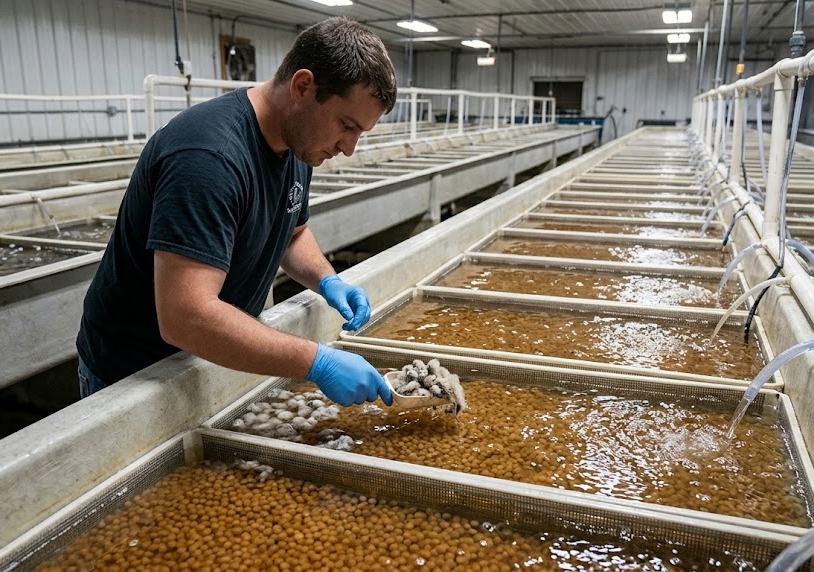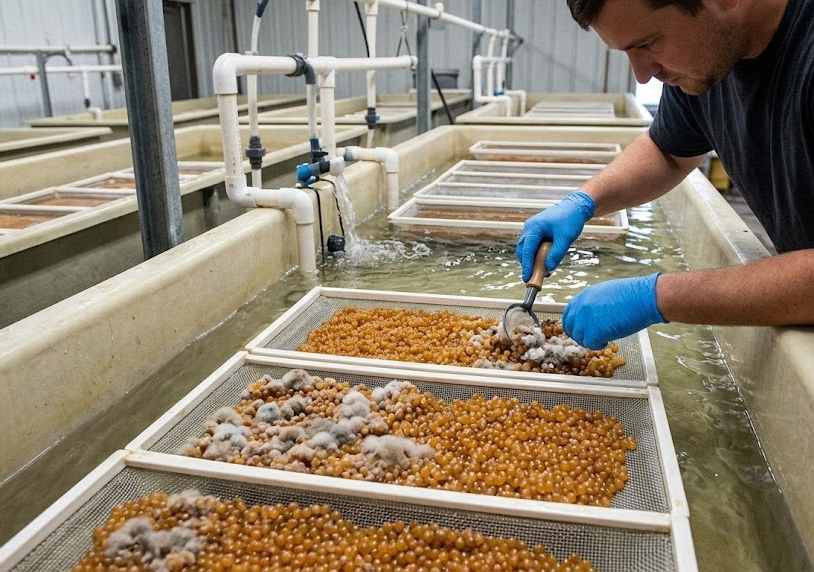
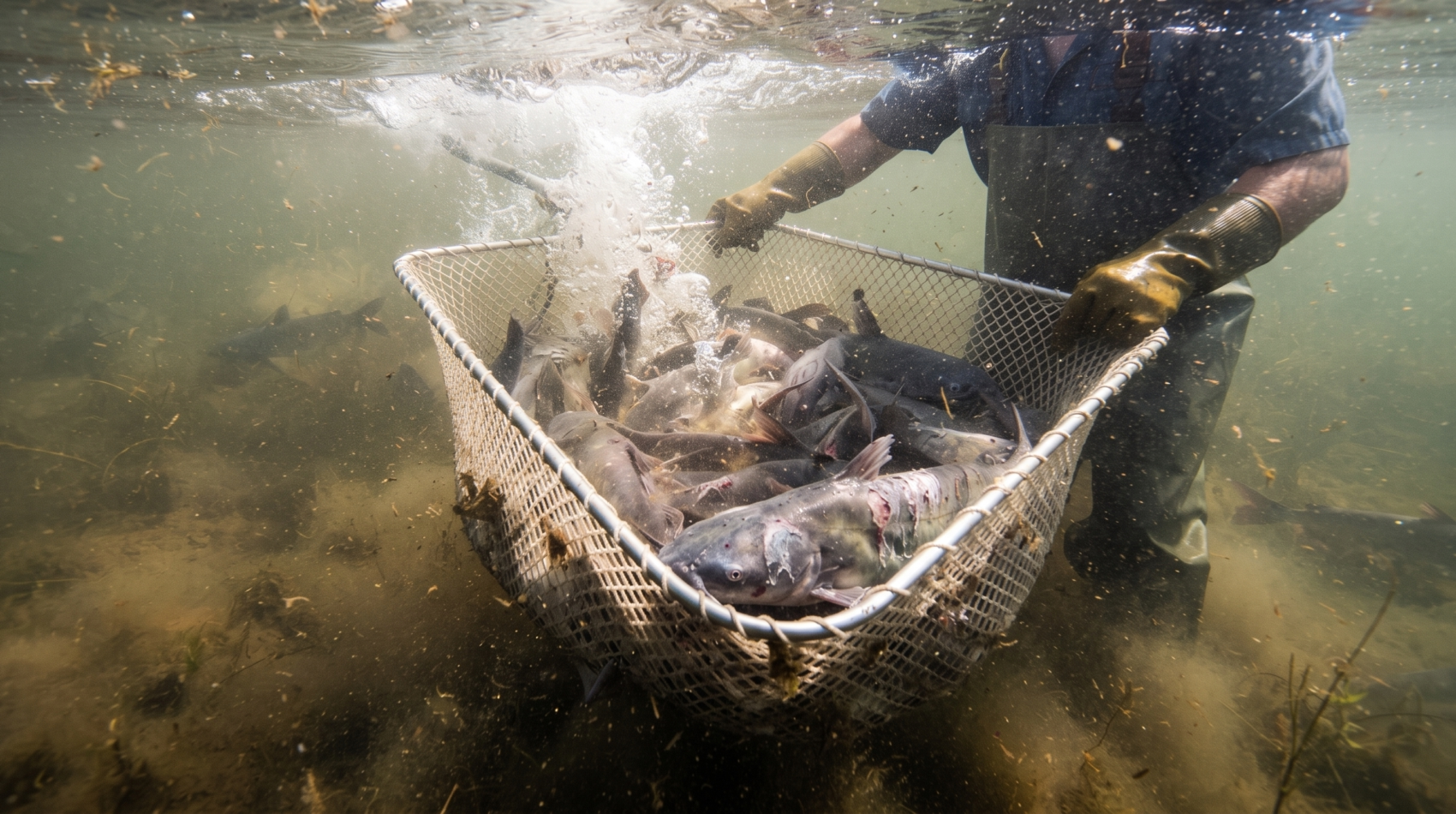
In catfish aquaculture, routine management tasks such as sorting, grading, netting, and transporting fish are essential for operations. However, these procedures are also primary sources of physical trauma and stress. When catfish experience handling stress, it directly sets off a biological chain reaction that invites opportunistic bacterial pathogens—such as Aeromonas and Pseudomonas species—to trigger severe infections.
1. The Physiological Impact of Handling Stress
Handling fish physically disrupts their delicate bodies and compromises their natural defense mechanisms:
- Compromised Protective Slime Coat: Catfish rely on an outer mucus layer (slime coat) as their primary physical and chemical barrier against pathogens. Rough handling, netting, or crowding during sorting strips away this protective coating.
- Mechanical Abrasions and Injury: Scales can be scraped off, and skin can be bruised or torn during handling, providing direct, open entry points for bacteria present in the water column.
- Cortisol and Immune Suppression: The physical trauma of handling triggers a rapid stress response, releasing cortisol into the fish’s bloodstream. This suppresses immune function and white blood cell activity, leaving the fish unable to fight off invading microorganisms.
2. From Stress to Systemic Infection
Once the fish’s defenses are lowered by handling stress, the infection pathway unfolds rapidly:
- Secondary Colonization: Bacteria naturally present in the water quickly colonize the open abrasions and damaged fin tissues, leading to localized issues like skin ulcers or fin rot.
- Systemic Invasion: If the fish’s immune system remains suppressed, the bacteria can breach the bloodstream, resulting in severe systemic conditions like Motile Aeromonas Septicemia (MAS).
3. Best Practices to Minimize Handling Stress
Protecting your stock from handling-induced bacterial outbreaks requires proactive management:
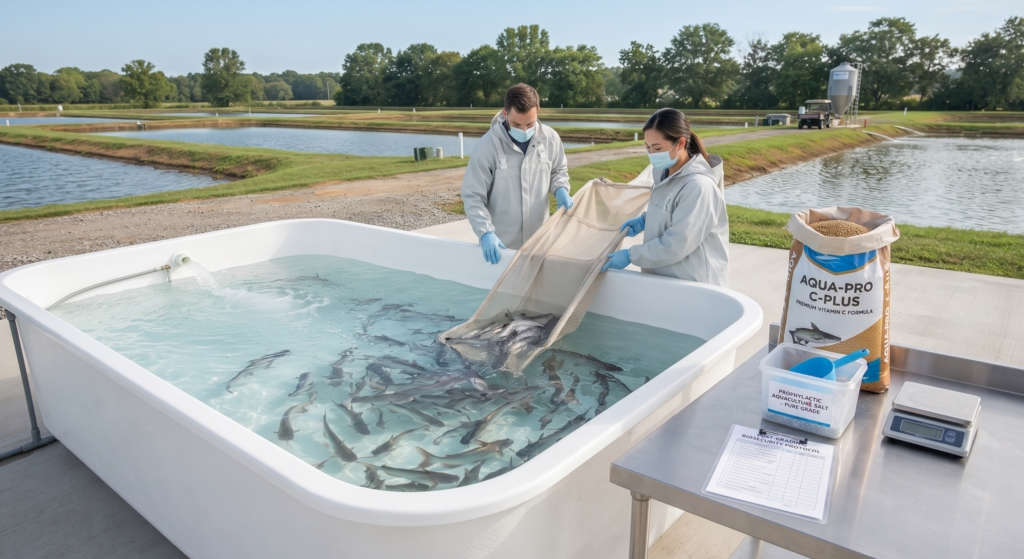
- Gentle Handling Techniques: Use soft, knotless nets and minimize air exposure during grading and sorting.
- Prophylactic Treatments: Utilize therapeutic salt baths or mild anesthetics during transport and handling to reduce physical trauma and osmotic stress.
- Nutritional Support: Administer high-quality feeds supplemented with Vitamin C and immunostimulants before and after scheduled handling events to bolster natural tissue repair and immune defenses.
Need Assistance?
Are you currently dealing with handling stress, post-transport mortality, or signs of bacterial disease in your catfish production system? Please contact us today
for professional guidance, troubleshooting support, and tailored treatment strategies to protect your stock.