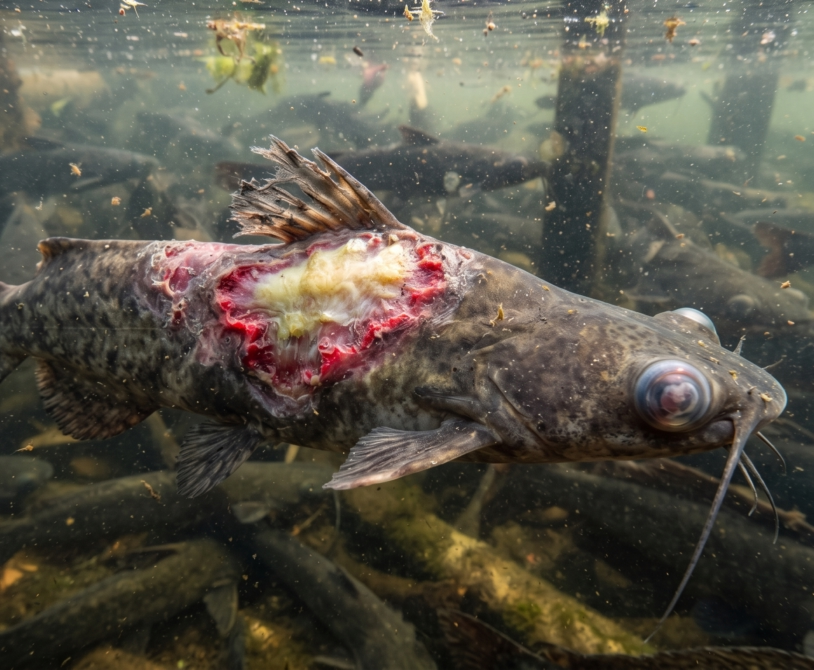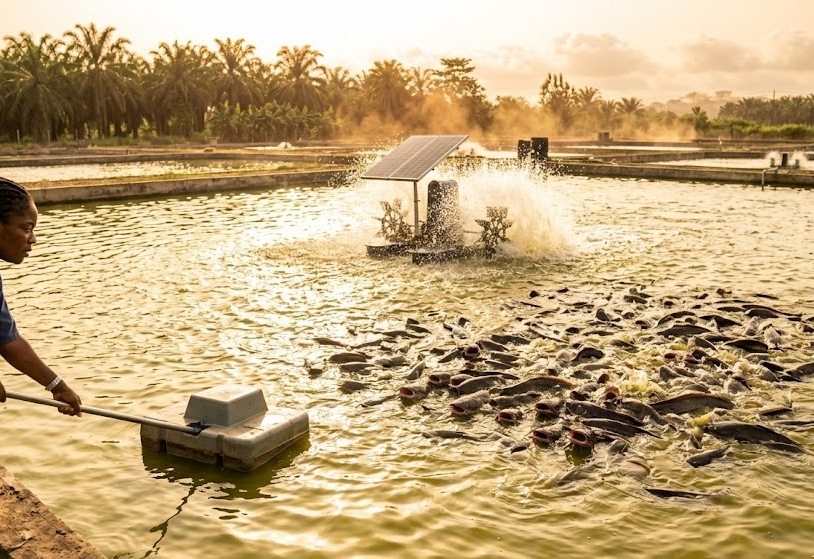
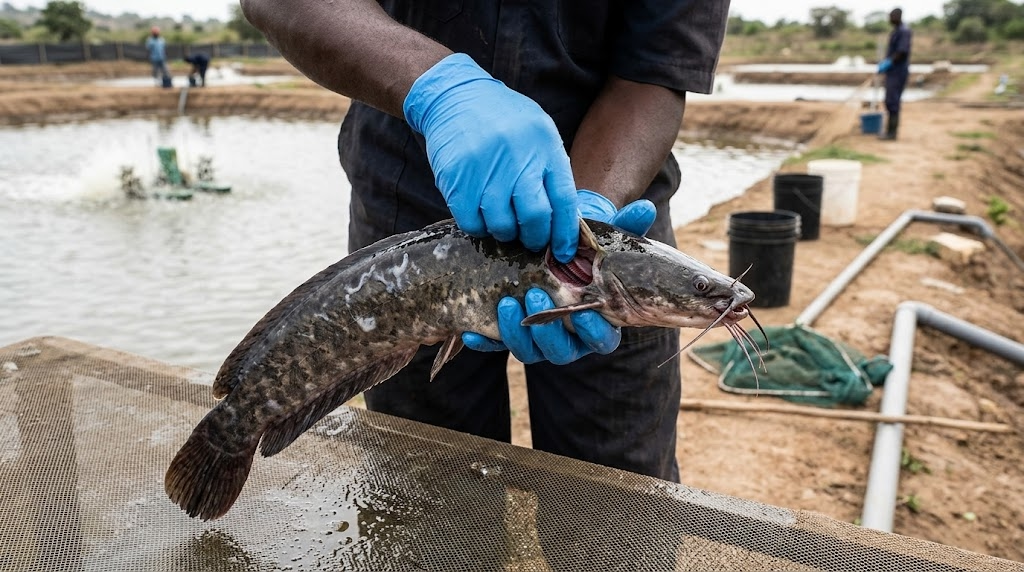
Parasitic infections are among the most persistent challenges faced in commercial and small-scale catfish aquaculture. While protozoan parasites and fungal outbreaks frequently dominate health discussions, microscopic monogenean flatworms such as Dactylogyrus species pose a severe, highly targeted threat to catfish populations, including African catfish (Clarias gariepinus) and Channel catfish (Ictalurus punctatus).
Commonly referred to as gill flukes, Dactylogyrus species specialize in attacking the delicate respiratory tissues of fish. When water quality deteriorates and stocking densities increase, these parasites can multiply rapidly, causing extensive gill damage and high mortality rates if left unmanaged.
1. Understanding Dactylogyrus: Biology and Appearance
Dactylogyrus is a genus of flatworms belonging to the class Monogenea. Unlike skin flukes that roam across the body, gill flukes exhibit a strong preference for the gill filaments.
- Microscopic Identification: Under a microscope, Dactylogyrus appears as an elongated, flatworm equipped with a prominent posterior attachment organ (haptor) armed with large hooks and anchors, as well as distinct eye spots near its anterior head. Definitive diagnosis requires examining gill biopsies under magnification.
- Mode of Feeding: The parasite uses its hooks to clamp tightly onto the secondary lamellae of the gills. As it feeds on epithelial cells, blood, and mucus, its continuous movement and anchoring cause severe mechanical tissue tearing, hemorrhage, and hyperplasia (swelling of the gill tissue).
2. Clinical Symptoms and Warning Signs
Because Dactylogyrus targets the primary site of oxygen exchange, the clinical signs are heavily centered around severe respiratory distress and impaired gill function:
- Severe Respiratory Distress and Gasping: Heavily infested catfish exhibit rapid opercular (gill cover) movement, flare their gill opercula, cluster around incoming water jets, or gasp frantically at the water surface where oxygen concentration is highest.
- Pale or Damaged Gills: Upon inspection, the gills of affected fish often appear patchy, pale, or excessively slimy, losing their healthy bright-red color due to tissue destruction and anemia.
- Flashing and Scraping: While gill flukes primarily inhabit the gills, infected fish may still exhibit flashing behavior, rubbing their head and gill regions against pond walls or tank surfaces to relieve intense irritation.
- Lethargy and Loss of Appetite: Parasitized fish become sluggish, separate from schooling behavior, stop feeding, and drift near the stagnant edges of ponds or tanks.
- High Mortality in Fingerlets: Particularly in nursery ponds and intensive fingerling production systems, Dactylogyrus can cause rapid, severe mortality due to acute asphyxiation.
3. Root Causes and Environmental Triggers
While low numbers of gill flukes can persist in aquatic environments without causing clinical disease, major outbreaks are heavily driven by environmental stressors and management lapses:
- Poor Water Quality: High concentrations of nitrogenous wastes (ammonia and nitrite) and critically low dissolved oxygen (DO) levels severely compromise the fish’s natural immune defenses and respiratory capacity.
- Overcrowding and High Stocking Densities: High fish numbers make it exceptionally easy for free-swimming ciliated larvae (oncomiracidia) to locate a new host rapidly, accelerating transmission across the entire population.
- High Organic Loads: Excessive unconsumed commercial feed and heavy fecal waste accumulation create nutrient-dense conditions that encourage pathogen proliferation.
- Lack of Biosecurity: Introducing unquarantined new stock or wild-caught fingerlings without proper prophylactic treatment introduces gill flukes directly into clean production units.
4. Transmission and Life Cycle Dynamics
The life cycle of Dactylogyrus is direct, meaning it requires no intermediate host:
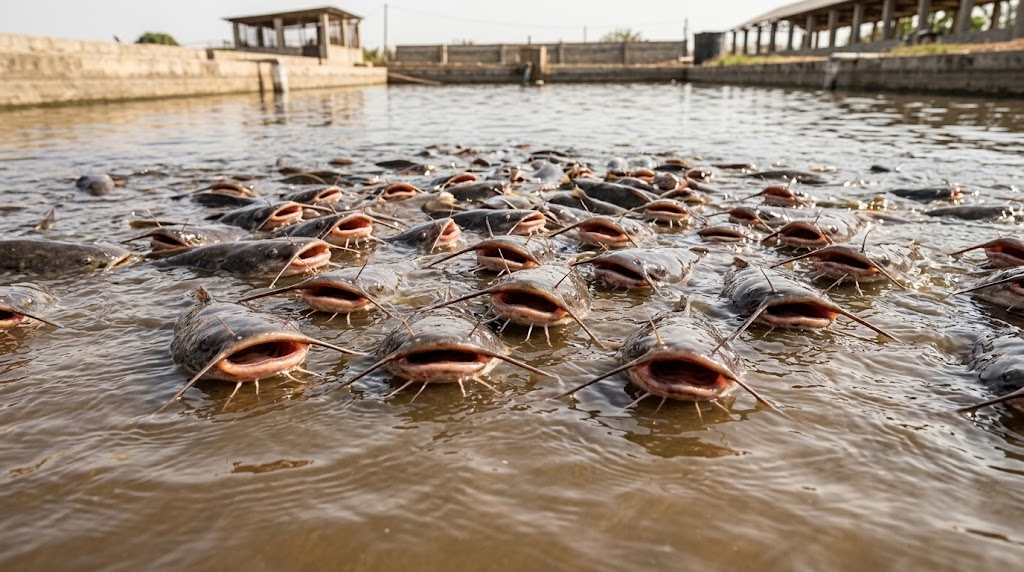
- Egg Production: Adult flukes lay microscopic eggs that drop off the gills and settle to the pond or tank bottom.
- The Oncomiracidium Stage: Eggs hatch into free-swimming, ciliated larvae known as oncomiracidia. These larvae must find a host fish within a few hours, or they will perish. Once they locate a catfish, they attach directly to the gills and mature into egg-laying adults, completing the cycle.
5. Comprehensive Prevention and Management Strategies
Because treating advanced gill fluke infestations in commercial production systems can be logistically challenging, proactive prevention remains the ultimate defense for catfish farmers:
- Strict Quarantine Protocols: Always isolate, inspect, and treat incoming fingerlings or broodstock in separate quarantine systems before introducing them to main production units.
- Maintain Pristine Water Quality: Keep dissolved oxygen levels consistently high (>4 mg/L), stabilize pH (6.5–8.5), and keep nitrogenous wastes near zero through regular, controlled water exchange protocols.
- Manage Stocking Densities: Avoid overcrowding in production ponds and nursery tanks to slow down parasite transmission rates and reduce chronic stress.
- Therapeutic Salt Baths or Approved Treatments: Utilize approved salt (sodium chloride) treatments or professional antiparasitic agents under appropriate aquaculture guidelines to suppress flatworm populations and relieve osmotic stress.
- Routine Hygiene: Thoroughly clean, dry, and disinfect holding tanks, nets, and production equipment between production cycles to break the parasite’s life cycle.
Need Assistance?
Are you currently dealing with severe gill gasping, pale gills, flashing behavior, or unusual mortality rates in your catfish production system? Please contact us today
for professional guidance, water quality troubleshooting, and tailored parasite management strategies to protect your stock.