Catfish farming (aquaculture) is a lucrative and rapidly growing sector globally, particularly for species like Clarias gariepinus (African catfish) and Ictalurus punctatus (Channel catfish). However, like all intensive livestock systems, catfish farming is fraught with biological challenges. Among the most significant threats to profitability and stock survival are bacterial diseases.
Because catfish are often reared in high-density, warm-water environments, pathogenic bacteria can multiply rapidly and devastate an entire pond or tank in a matter of days if left unmanaged. This comprehensive guide explores the primary bacterial pathogens affecting catfish, their symptoms, underlying causes, and actionable strategies for prevention and treatment.
1. Major Bacterial Diseases in Catfish
While numerous bacteria can opportunistically infect fish under stress, a few primary pathogens are responsible for the vast majority of disease outbreaks in catfish farming.
A. Columnaris Disease (Flavobacterium columnare)
Often referred to as “cotton wool disease” or “saddleback,” Columnaris is caused by the bacterium Flavobacterium columnare. It is one of the most common freshwater fish diseases worldwide.
- Target: Skin, gills, and fins.
- Characteristics: The bacteria thrive in warm water (above 20°C / 68°F) and are highly contagious.
B. Motile Aeromonas Septicemia – MAS (Aeromonas hydrophila and related species)
MAS is a systemic bacterial infection caused by motile aeromonads that are ubiquitous in aquatic environments.
- Target: Internal organs, blood, and skin and muscle tissue.
- Characteristics: Often acts as a secondary infection when fish are stressed by handling, poor water quality, or parasite infestations. It can cause acute mortality or chronic wasting.
C. Enteric Septicemia of Catfish – ESC (Edwardsiella ictaluri)
ESC is one of the most economically devastating diseases specifically targeting channel catfish and related species.
- Target: Brain, kidneys, liver, and blood.
- Characteristics: Also known as “hole-in-the-head” disease in its chronic form, ESC strikes primarily when water temperatures range between 18°C and 28°C.
D. Edwardsiellosis (Edwardsiella tarda)
Similar to ESC, this bacterium affects fish reared in poor water conditions, particularly in ponds with high organic loads and high stocking densities. It often manifests as foul-smelling, gas-filled abscesses in the muscle tissue.
2. Common Symptoms of Bacterial Infections
Recognizing early warning signs is critical for effective intervention. While specific diseases have unique markers, general symptoms of bacterial distress in catfish include:
- Behavioral Changes: Lethargy, loss of appetite (off-feed), swimming near the water surface or sluggishly at the pond edges, and flashing (rubbing against surfaces).
- Skin & External Lesions:
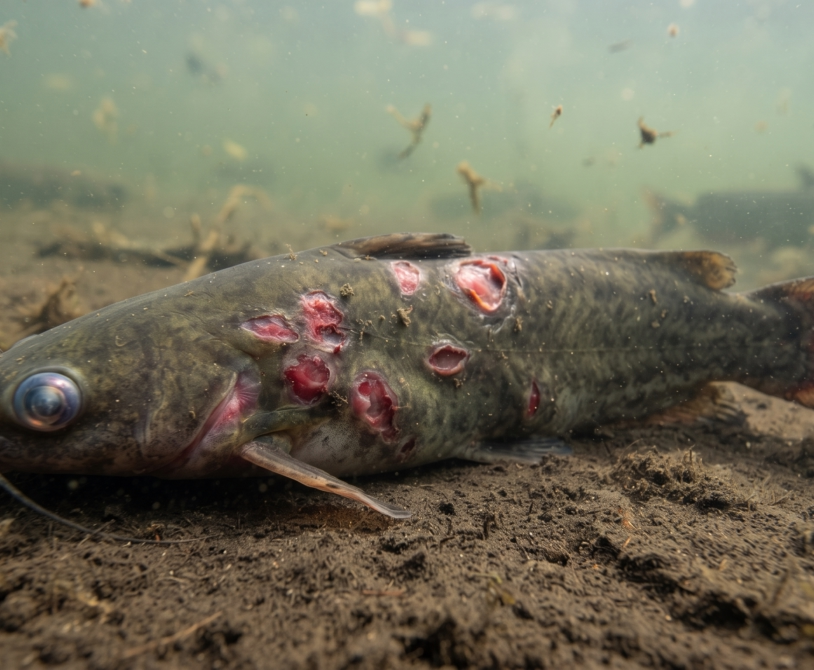
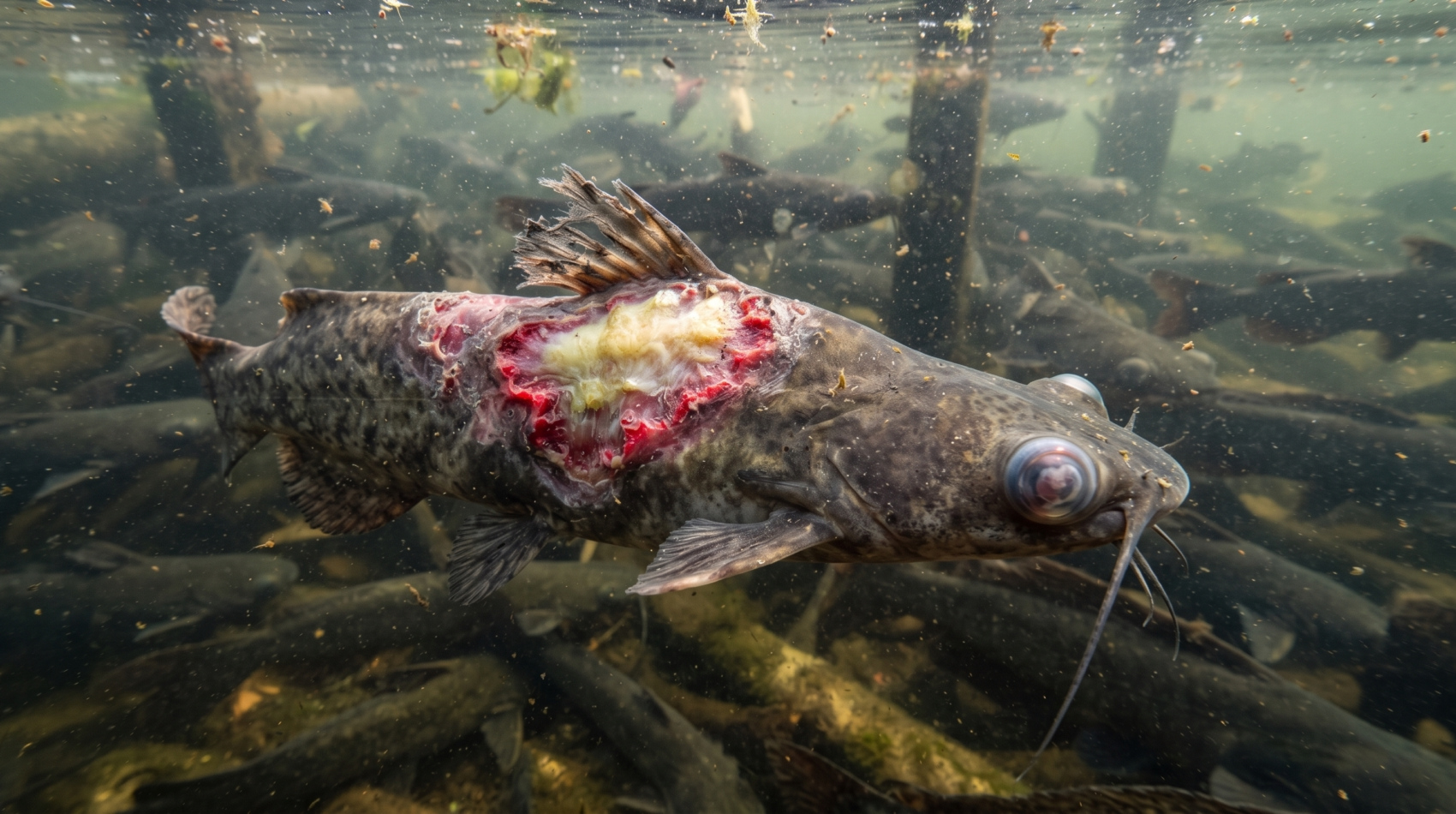
- White, yellowish, or brownish patches with a distinct red margin (classic Columnaris “saddleback” lesion across the dorsal area).
- Frayed, eroded, or “ragged” fins and tail rot.
- Hemorrhagic red spots, open ulcers, and deep sores on the skin and musculature.
- Exophthalmia (“pop-eye”), where one or both eyes bulge outward due to fluid buildup.
- Gills: Gills turning pale, brown, or necrotic, leading to severe respiratory distress (fish gasping at the surface).
- Internal Symptoms (Post-Mortem / Necropsy): Swollen abdomen (ascites) filled with fluid, enlarged spleen and kidneys, pale or mottled liver, and bloody or fluid-filled intestines.
3. Root Causes and Risk Factors
Bacterial pathogens are naturally present in almost all aquatic environments. An outbreak rarely occurs due to the mere presence of bacteria; rather, it is triggered by environmental stressors that compromise the fish’s immune system.
- Poor Water Quality:
- High levels of ammonia, nitrite, and carbon dioxide.
- Low dissolved oxygen (DO) levels, especially during night hours or early mornings.
- Extreme pH fluctuations.
- Overstocking and Overcrowding: High stocking densities increase physical contact between fish, elevate waste accumulation, and deplete oxygen levels rapidly.
- Nutritional Deficiencies: Diets lacking essential vitamins (especially Vitamin C) and minerals weaken the fish’s natural mucus barrier and immune response.
- Handling and Transport Stress: Rough handling, grading, netting, or long-distance transport cause physical abrasions that serve as direct entry points for bacteria.
- Accumulation of Organic Matter: Excess unconsumed feed and heavy fecal loads create an ideal nutrient-rich bed for bacterial proliferation.
4. Prevention: The Best Defense
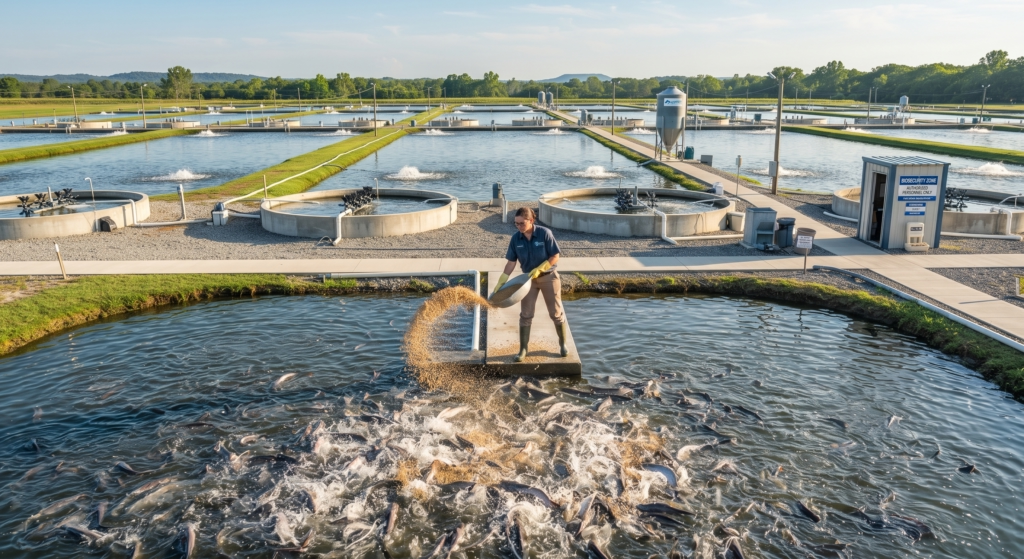
In aquaculture, biosecurity and proactive management are far more cost-effective than treatment.
- Maintain Optimal Water Quality: Regularly monitor and maintain safe levels of dissolved oxygen (>4 mg/L), pH (6.5–8.5), and low nitrogenous waste (ammonia and nitrite near 0 ppm). Implement regular water exchange protocols.
- Manage Stocking Densities: Avoid overstocking. Match your stocking rate to your system’s carrying capacity, aeration capacity, and filtration efficiency.
- Feed High-Quality Diets: Provide nutritionally balanced, species-specific commercial feeds. Supplementing feeds with Vitamin C and immunostimulants (like beta-glucans) can significantly boost resistance.
- Strict Biosecurity Practices:
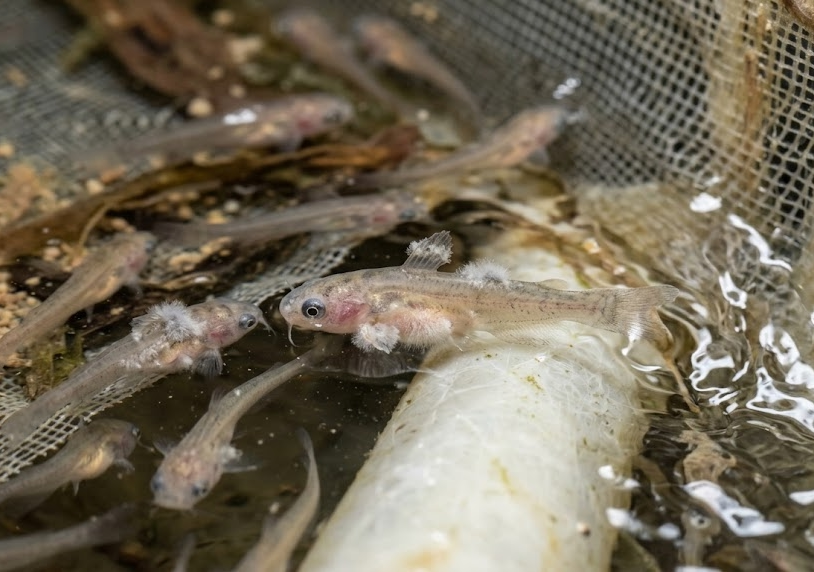
- Quarantine all incoming fingerlings before introducing them to main production ponds.
- Disinfect equipment (nets, grading tables, boots) regularly using appropriate agents like chlorine solutions or potassium permanganate.
- Remove dead fish (mortalities) daily to prevent the spread of pathogens through cannibalism or decomposition.
- Minimize Handling Stress: When sorting or transporting fish, use prophylactic salt baths or mild anesthetics to reduce physical trauma.
5. Treatment Protocols
When a bacterial outbreak does occur, rapid diagnosis and targeted treatment can save the crop.
A. Medicated Feed (Oral Antibiotics)
For systemic infections like ESC or advanced MAS, antibiotics mixed into feed are the most effective method.
- Common Approved Antibiotics: Oxytetracycline (OTC) and Romet-30 (sulfamethoxazole/ormetoprim) are commonly used veterinary treatments.
- Important Guidelines:
- Always follow local veterinary prescriptions and withdrawal periods before harvesting for consumption.
- Complete the full course of treatment to prevent the development of antibiotic-resistant bacterial strains.
B. Water Treatments and Disinfectants
For external infections like Columnaris or fin rot, bath treatments or pond-wide applications are utilized.
- Potassium Permanganate ($KMnO_4$): Effective for external parasites and bacteria, typically applied at 2–4 mg/L depending on total alkalinity.
- Hydrogen Peroxide ($H_2O_2$): Used as an environmentally friendly treatment for external fungal and bacterial issues.
- Salt (Sodium Chloride): A therapeutic salt bath (1–3 ppt or higher short-term dips depending on tolerance) helps reduce osmotic stress and controls mild external bacterial and parasitic loads.