Ichthyophthirius multifiliis—universally known as “Ich” or White Spot Disease—is one of the most prevalent, highly contagious, and economically devastating parasitic infections affecting freshwater aquaculture globally, including African catfish (Clarias gariepinus) and Channel catfish (Ictalurus punctatus). Caused by a ciliated protozoan parasite, Ich can sweep through a catfish production system in a matter of days, leading to catastrophic mortality rates if not identified and managed immediately.
1. Understanding the Parasite Life Cycle
To effectively combat Ich, fish farmers must understand its unique, multi-stage life cycle, as treatments are only effective during specific windows:
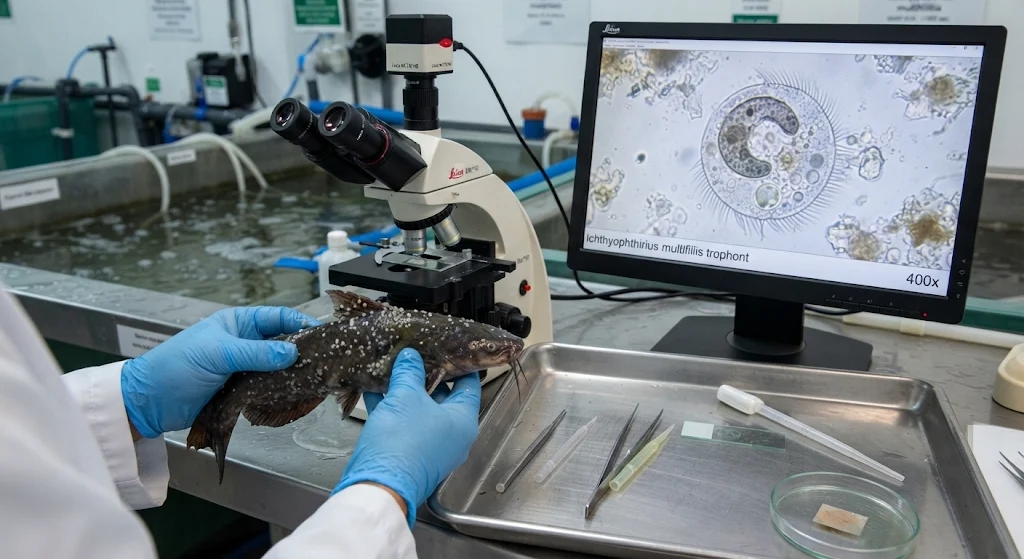
- The Trophont (Feeding Stage): The visible white spots on the fish are actually active parasites feeding on skin and gill tissues. Once mature, the trophont drops off the fish and sinks to the pond or tank bottom.
- The Tomont (Reproductive Stage): Once settled on the substrate, the parasite encysts and divides rapidly, producing hundreds of free-swimming offspring known as theronts.
- The Theront (Infective Stage): These microscopic, free-swimming parasites hatch and actively search for a host fish. If they fail to locate a catfish within 24 to 48 hours, they die; if successful, they burrow into the skin or gills, restarting the cycle.
2. Clinical Symptoms and Visual Warning Signs
Recognizing the early indicators of Ich allows farmers to intervene before the free-swimming stages multiply across the entire stock:
- Distinct White Spots: The hallmark symptom is the appearance of tiny, salt-like white nodules scattered across the skin, fins, and gills, resembling grains of salt or sugar sprinkled on the fish.
- Flashing and Rubbing: Infected catfish experience intense skin irritation, prompting them to repeatedly scrape their bodies against pond liners, concrete walls, or bottom substrates.
- Excessive Mucus Secretion: The fish produce a heavy, cloudy, or grayish slime coat as an immune defense to trap and wash away the invading parasites.
- Respiratory Distress and Gasping: When the parasites heavily infest the delicate gill tissues, oxygen exchange is severely impaired. Fish will gasp near the water surface, cluster around incoming water jets, or crowd near aerators.
- Lethargy and Loss of Appetite: Affected catfish become sluggish, separate from the school, lose interest in feeding, and drift near stagnant edges of the pond or tank.
3. Root Causes and Environmental Triggers
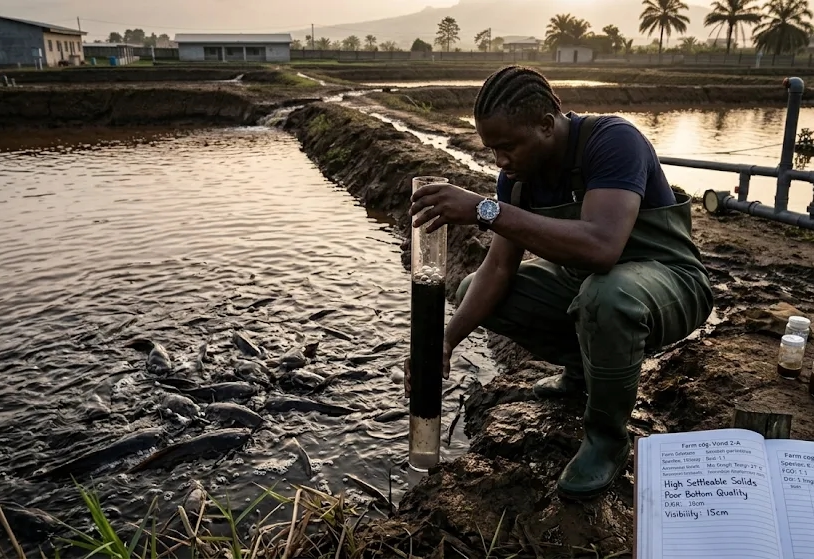
While Ich spores and theronts can enter a facility through raw water sources, clinical outbreaks are heavily driven by environmental stressors and management lapses:
- Sudden Temperature Fluctuations: The reproduction and maturation speed of Ich is directly tied to water temperature. Rapid drops or shifts in water temperature weaken the fish’s immune system while accelerating the parasite’s life cycle.
- Poor Water Quality: Elevated concentrations of nitrogenous wastes (ammonia and nitrite) and low dissolved oxygen (DO) levels severely compromise the fish’s natural immune responses and mucus barriers.
- Overcrowding: High stocking densities accelerate the transmission rate of free-swimming theronts, making it effortless for the parasite to locate a new host.
- Lack of Biosecurity: Introducing unquarantined new stock, wild-caught fingerlings, or contaminated equipment without proper prophylactic treatment introduces the parasite directly into clean production environments.
4. Prevention and Management Strategies
Because treating advanced Ich infestations in commercial production systems can be challenging, proactive prevention remains the ultimate defense:
- Strict Quarantine Protocols: Always isolate, inspect, and treat incoming fingerlings or broodstock in separate quarantine systems before introducing them to main production ponds or tanks.
- Maintain Stable Water Parameters: Avoid abrupt water temperature changes during water exchanges, and keep dissolved oxygen high (>4 mg/L) while keeping nitrogenous wastes near zero.
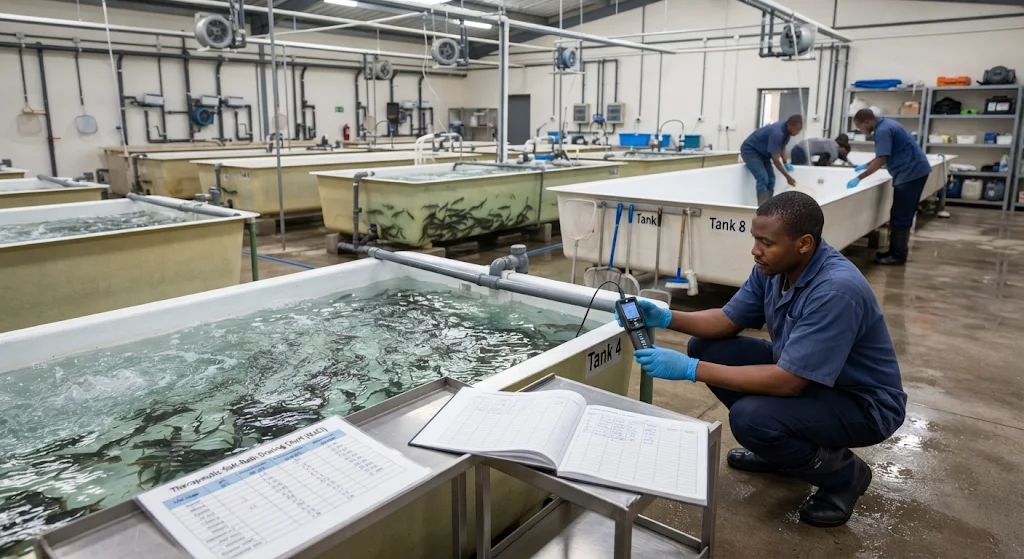
- Therapeutic Salt Baths: Utilize approved salt (sodium chloride) treatments under appropriate guidelines to disrupt the parasite’s osmotic balance, soothe damaged skin tissues, and suppress free-swimming theronts.
- Strict Biosecurity and Hygiene: Thoroughly dry, clean, and disinfect holding tanks, nets, and equipment between production cycles to break the parasite’s reproductive life cycle.
Need Assistance?
Are you currently dealing with white spots, flashing behavior, gill distress, or unusual mortality rates in your catfish production system? Please contact us today
for professional guidance, water quality troubleshooting, and tailored parasite management strategies to protect your stock.