
The corn market is currently experiencing significant volatility, driven by a combination of surprising USDA data and ongoing concerns regarding summer weather.
Market Overview
- WASDE Surprise: The USDA’s July World Agricultural Supply and Demand Estimates (WASDE) report, released on Friday, July 10, served as a primary catalyst for a recent rally. The report unexpectedly cut U.S. corn ending stocks—reducing old-crop stocks by 125 million bushels due to higher-than-expected feed and residual demand, and lowering new-crop ending stocks by 170 million bushels.
- Price Movement: Following the report, corn futures experienced a strong rally, closing the week more than 3% higher. While markets saw some “Turnaround Tuesday” pressure on July 14 with slight declines as traders took profits, the overall sentiment remains supported by a tightening supply outlook.

Key Drivers
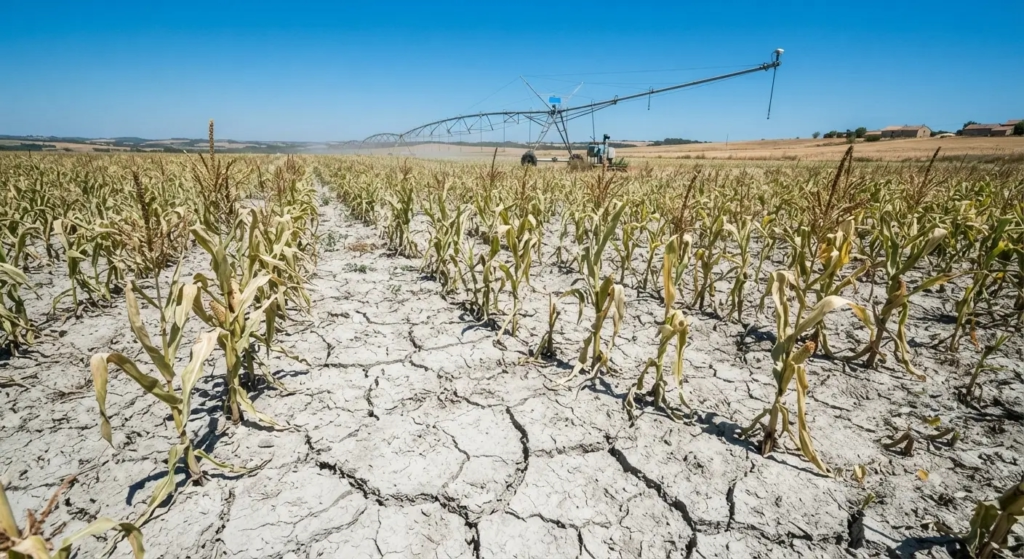
- Weather Concerns: The crop is currently in the critical pollination window (July 10–31), making it highly sensitive to heat and moisture levels.
- U.S. Midwest: High-pressure systems are causing heat and humidity in the northern-tier states, with some areas facing a “flash-drought” risk. While some forecasts recently increased rainfall chances, which has cooled speculative enthusiasm, yield risk remains a central focus.
- Europe: Persistent heat and drought, particularly in France, have significantly damaged crop conditions, which have fallen to a 13-year low. The USDA is forecasting France’s smallest corn harvest in over 30 years, contributing to global supply anxiety.
- Global Supplies: Global corn production forecasts were recently decreased by 6 million metric tons, including a 3 million metric ton reduction in the U.S. With global stock-to-use ratios expected to hit a 14-year low, the market has limited downside despite recent profit-taking.
Outlook for Producers
Analysts suggest that while the current rally provides a potential “second chance” for producers to sell remaining old-crop grain or forward-price new-crop supplies, significant uncertainty remains regarding final yields.
- Yield Sensitivity: Models indicate a wide range of potential yield outcomes (176.2 to 194.8 bushels per acre), which could cause significant price swings—potentially as much as $1.00 per bushel depending on whether yields lean toward the high or low end.
- Strategy: Market experts emphasize that corn prices are now highly sensitive to the reproductive stage. As the market transitions into late summer, historical trends often show price softening, making the coming weeks a critical window for monitoring crop conditions and making marketing decisions.