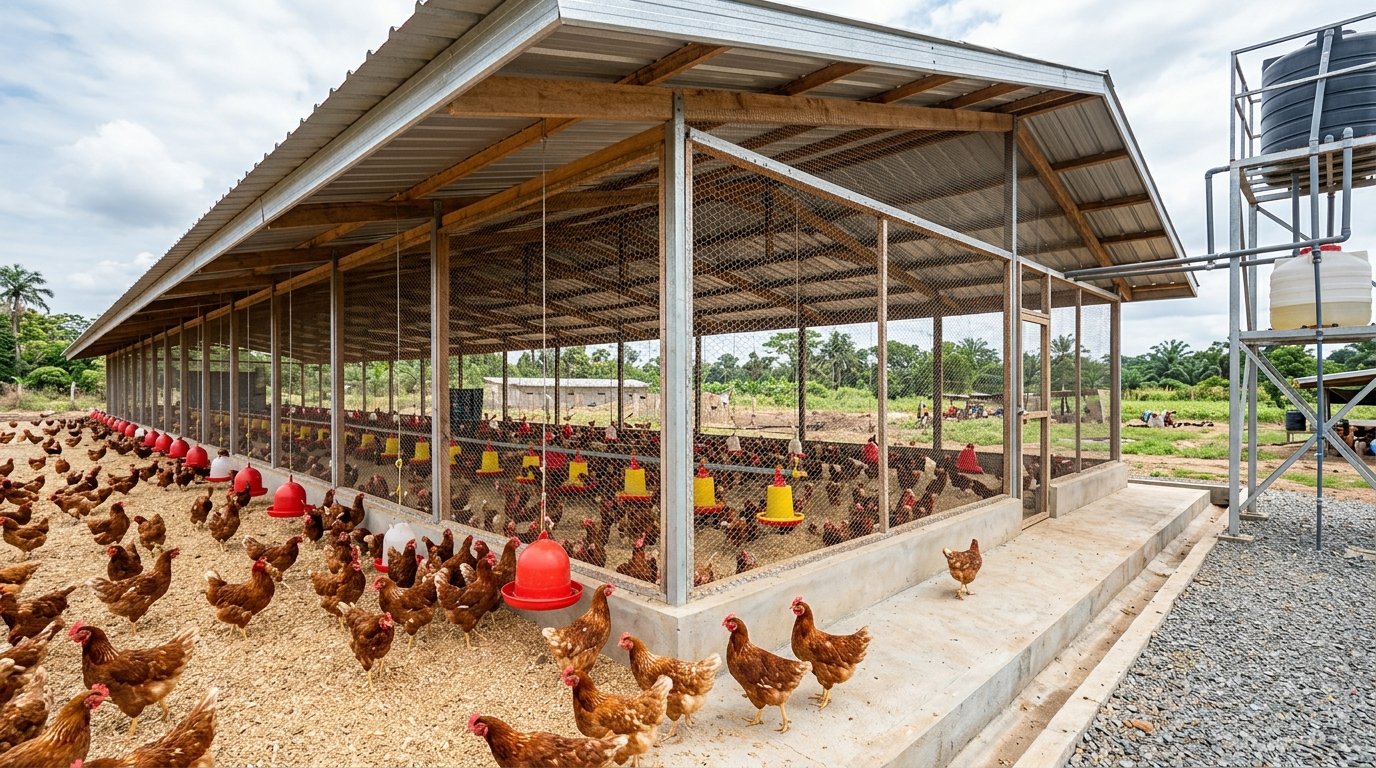
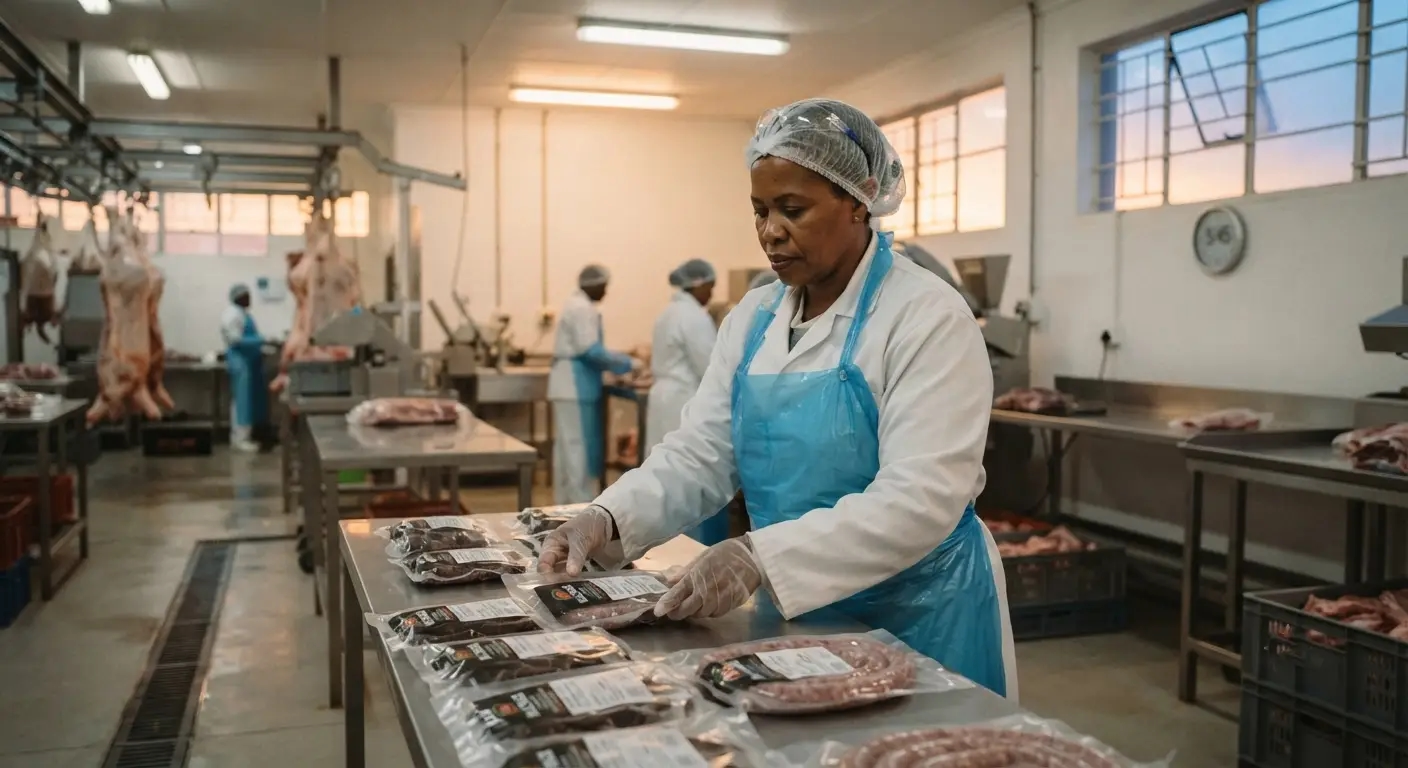
JOHANNESBURG — Climate change is no longer just a “farm-gate” problem. As rising temperatures, severe droughts, and erratic weather patterns destabilize harvests, South Africa’s crucial agri-processing industry—the engine room of the nation’s food supply—is facing a mounting operational crisis.
A new study based in Gauteng, the country’s industrial heartland, reveals that the businesses responsible for milling grain, processing meat, and manufacturing dairy are increasingly vulnerable. Agri-processing contributes roughly 25% of South Africa’s manufacturing output and sustains over 300,000 jobs, making its stability vital to the national economy and food security.
The Ripple Effect: From Farm to Factory
Agri-processing serves as the critical bridge between rural production and urban consumption. However, this bridge is being strained by climate-driven supply chain disruptions.
“The industry relies on a predictable flow of raw materials, water, and power,” says a lead researcher on the study. “When a heatwave hits, it doesn’t just affect the crops; it drives up energy costs for cooling, disrupts water availability for processing, and creates volatility that forces plants to run at reduced capacity.”
Major operational hurdles identified by the study include:
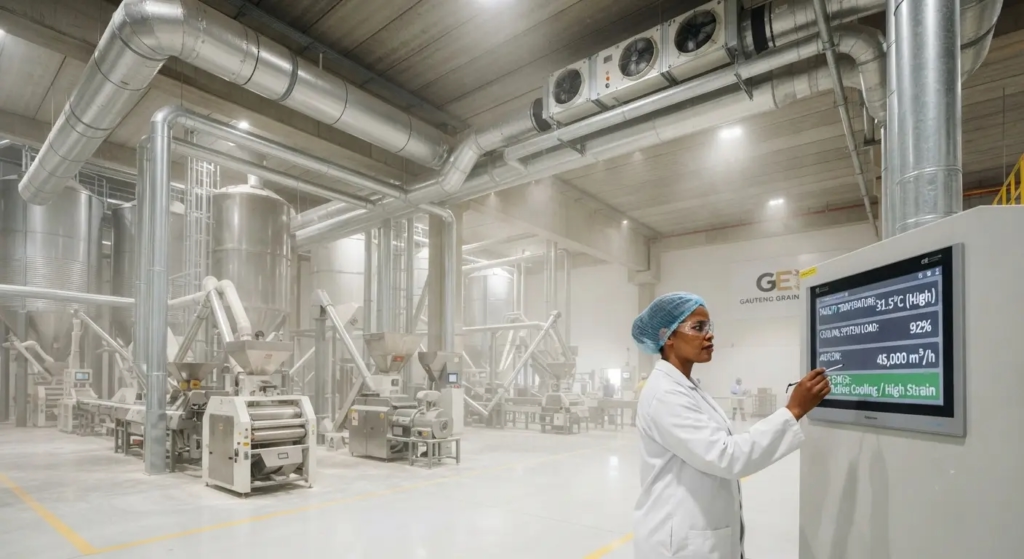
- Energy and Cooling Costs: Factories are spending significantly more on climate-control systems to manage extreme indoor temperatures.
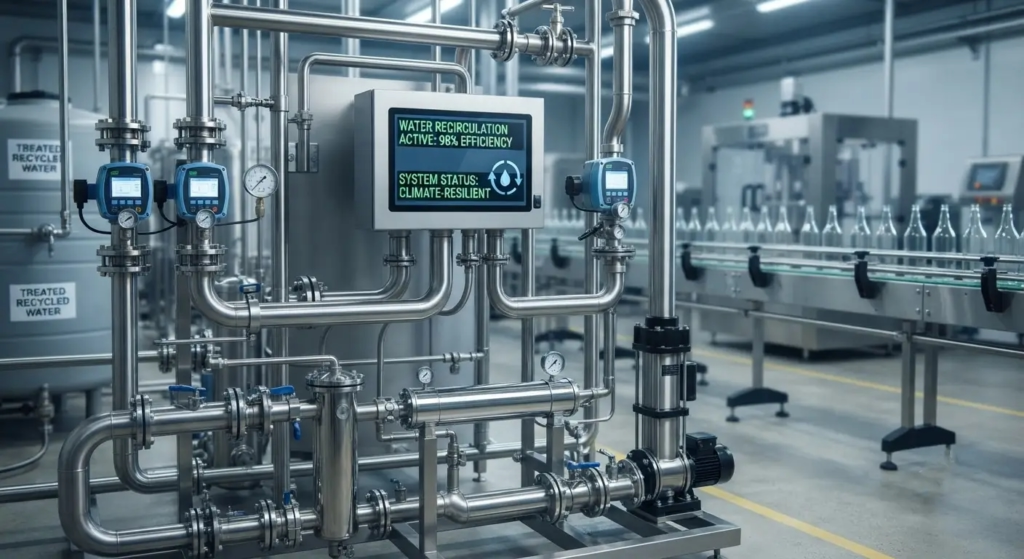
- Water Scarcity: Limited municipal water supplies are directly capping production capacity for dairy, beverage, and canning operations.
- Supply Volatility: Irregular agricultural output makes long-term production planning increasingly difficult, leading to higher overheads and reduced profit margins.
The “Adaptation Gap”
While 113 businesses surveyed in Gauteng are beginning to pivot—implementing water recycling, diversifying suppliers, and adjusting labor shifts to avoid peak heat—the study highlights a clear disparity in preparedness.
Financial and technical barriers remain the primary obstacles to resilience. Small and medium-sized enterprises (SMEs) are struggling to secure the capital needed for climate-resilient infrastructure. Furthermore, there is a systemic lack of climate-focused training; while business owners are experts in finance and operations, most traditional training programs offer little guidance on navigating long-term climate risk.
Education and Infrastructure as Key Levers
The research points to two urgent requirements to stabilize the sector:
- Strategic Education: Business owners with higher education levels were statistically more likely to implement robust adaptation strategies. Researchers are calling for business development programs to integrate climate-risk management into their core curricula.
- Public Infrastructure: Even the most prepared private business cannot overcome municipal failures. Reliable electricity and water services are fundamental to industrial resilience; without these, individual climate-adaptation efforts are often neutralized by broader infrastructure instability.
Gender Disparity in Climate Resilience
The study also flagged a concerning trend regarding women-owned agri-businesses. Female entrepreneurs frequently face deeper hurdles in accessing financing for green technology and technical training. “Targeted support for these businesses isn’t just about equity—it’s about economic survival,” researchers noted, emphasizing that women-led enterprises are central to community-level food security.
A Call to Action
As climate change continues to reshape South Africa’s landscape, the agri-processing sector stands at a crossroads. The vulnerability of this industry directly impacts consumer price inflation and the availability of basic food staples.
“Food security doesn’t stop at the farm gate,” the report concludes. “To protect jobs, keep prices stable, and ensure food availability, we must treat the resilience of our processing plants as a national priority.”
Summary of Resilience Strategies
- Water Conservation: Implementing closed-loop water usage systems.
- Operational Shifts: Adjusting work hours to bypass periods of extreme heat.
- Supply Chain Diversification: Reducing reliance on single-origin raw materials to mitigate regional climate shocks.
- Tech Upgrades: Investing in high-efficiency cooling and energy-saving production machinery.