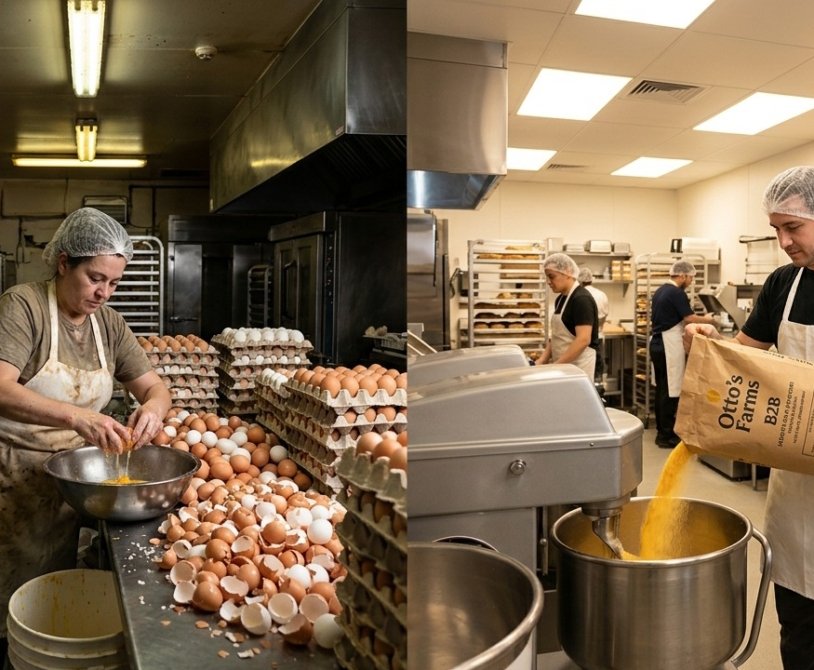
As the CEO of Otto’s Farms and a software engineer, I view agribusiness through the lens of systems optimization. In the poultry sector, the “bug” in the system has always been the biological clock of the egg. For farmers and investors in 2026, the traditional model of selling only fresh shell eggs is a high-risk gamble against time, infrastructure, and market volatility.
To scale a poultry business effectively, we must move from being “commodity producers” to “value-added processors.” The transition to egg powder is not just a trend; it is a sophisticated risk management strategy designed to eliminate post-harvest loss and stabilize the balance sheet.
The Logistics Crisis: Transporting Fragile Goods in Africa
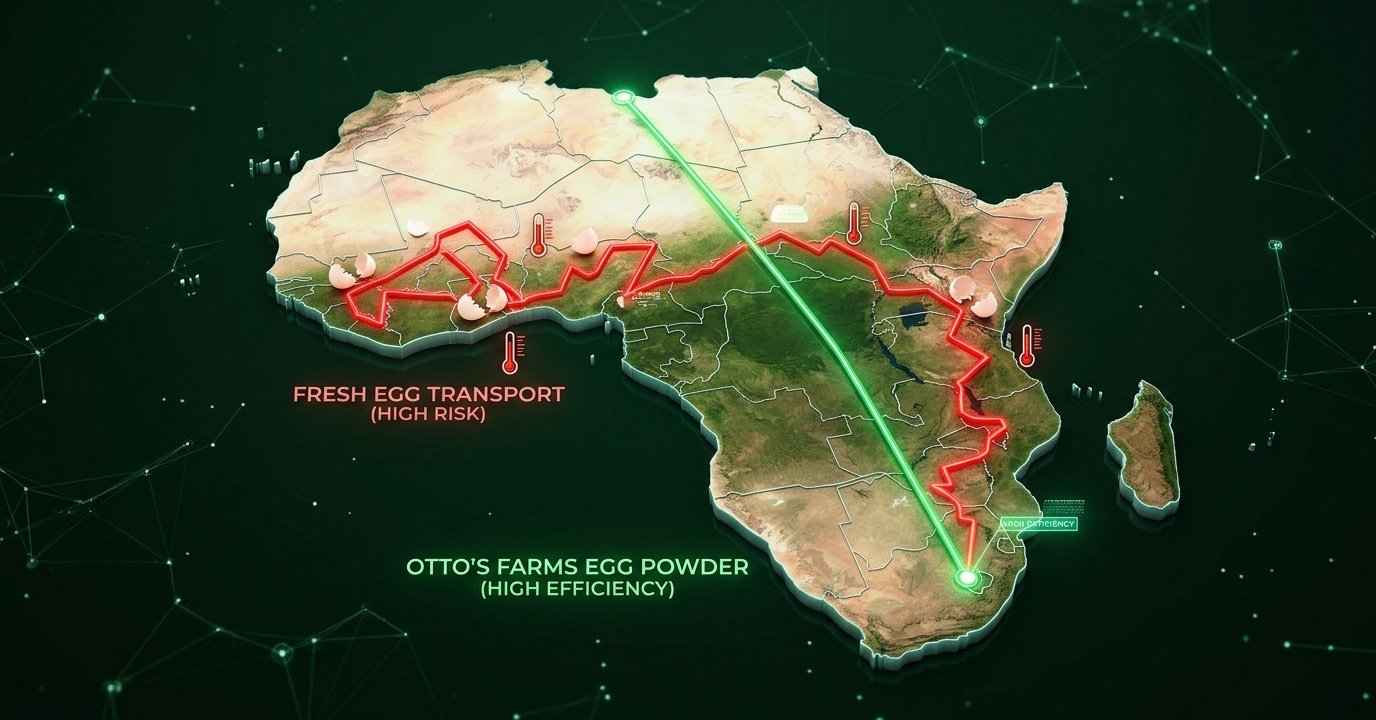
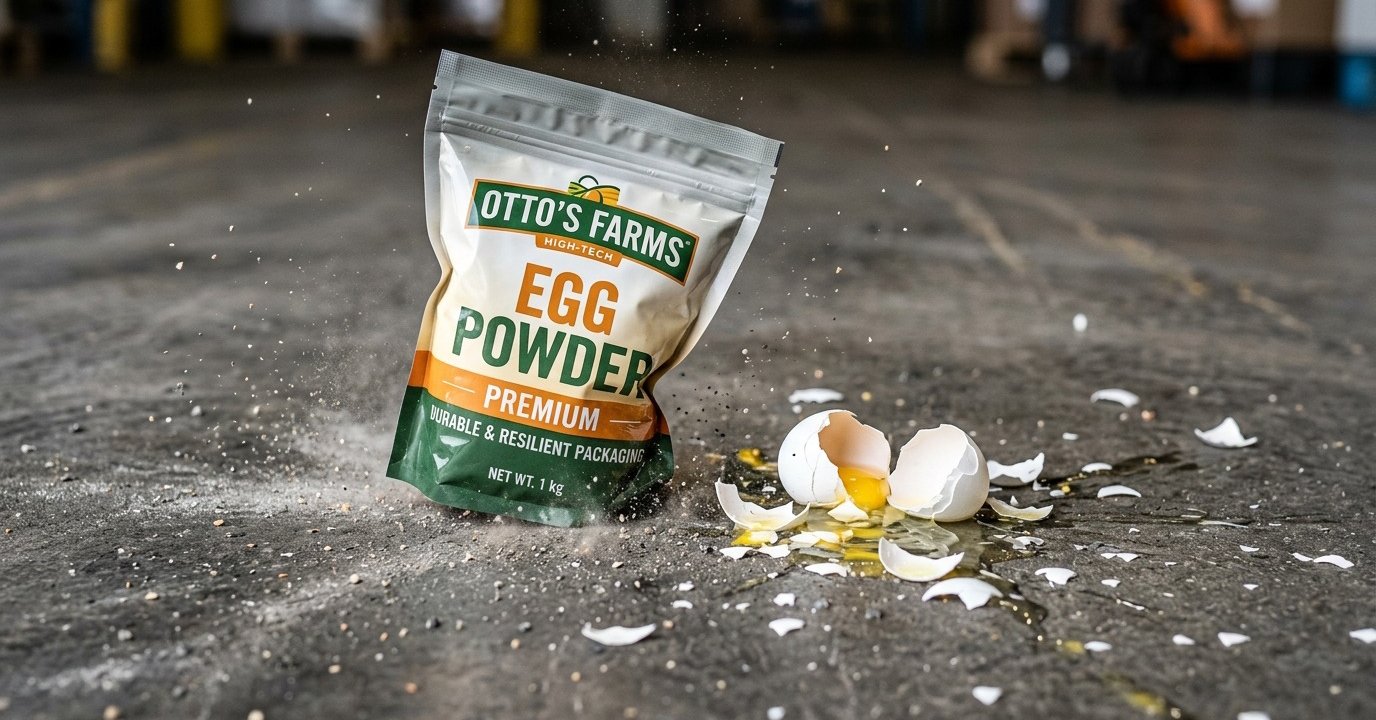
Transporting fragile agricultural goods across Africa presents a unique set of challenges. From fluctuating temperatures in transit to the physical vibrations of unpaved roads, the “breakage and spoilage tax” on fresh eggs can reach as high as 15–20% before the product even reaches the urban consumer.
The Volumetric Advantage
When you dehydrate an egg, you are essentially “compressing” your logistics.
-
Reduced Volume: You remove the air pockets between shells and the 75% water content within the egg.
-
Simplified Cold Chain: While fresh eggs require consistent climate control to prevent sweating and salmonella growth, egg powder is a shelf-stable solution that can be transported in standard dry-cargo containers.
For an investor, this means your “cost per nutrient delivered” drops significantly, opening up remote markets that were previously unreachable due to infrastructure constraints.
Mitigating Post-Harvest Loss in Poultry Farming
Post-harvest loss is the silent killer of farm profitability. In periods of “egg gluts”—where hens are at peak production, but market demand is stagnant—farmers are often forced to dump prices just to move inventory before it rots.
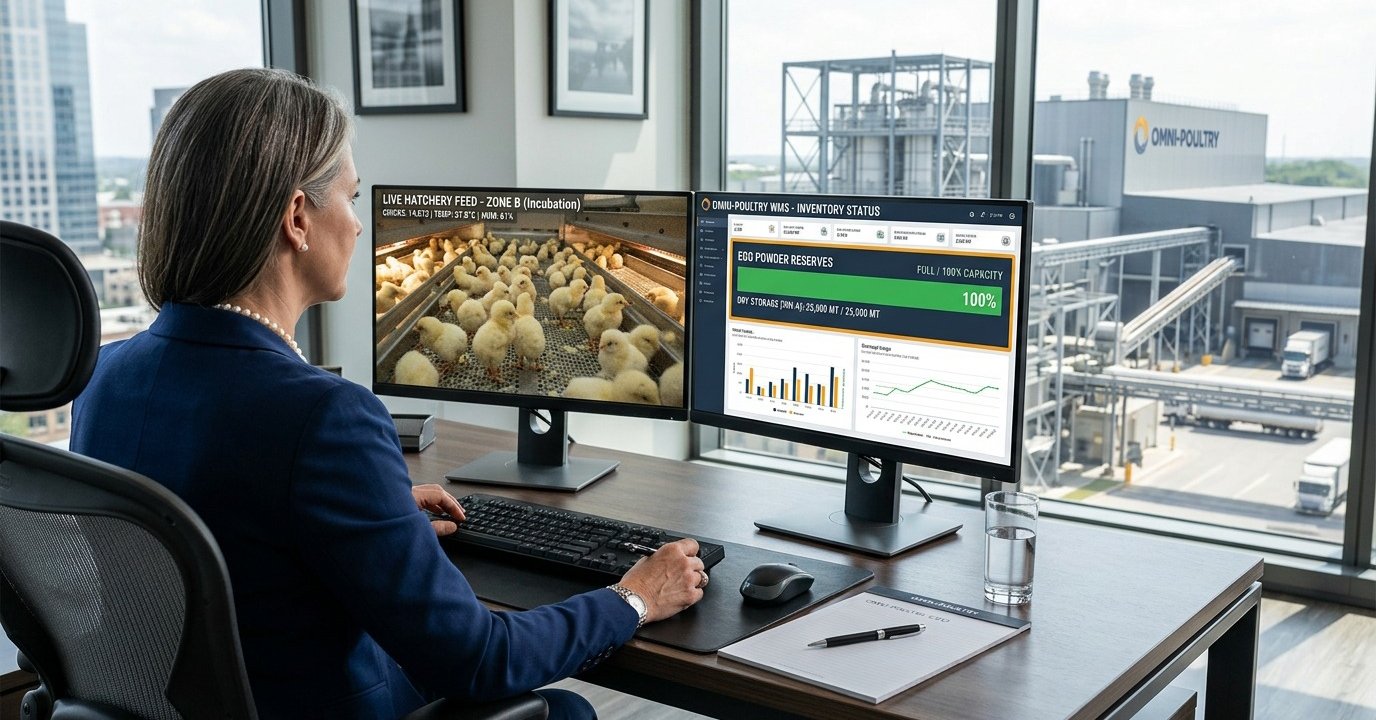
Strategic Egg Inventory Management: By converting surplus fresh eggs into powder, a farm creates a “buffer” or a “strategic reserve.” Instead of selling at a loss during a glut, you process the eggs into a product with superior shelf life and storage conditions.
-
Fresh Egg Life: ~21 days.
-
Egg Powder Life: 12–24 months (ambient).
This allows the CEO to hold inventory and sell when market prices recover, effectively “flattening the curve” of seasonal price volatility.
Scaling the Poultry Business with Value-Added Products
Scaling a business is about increasing margins, not just volume. Value-added products like whole egg powder, egg white powder, and yolk solids allow a farm to enter high-margin B2B sectors:
-
The Pharmaceutical Sector: High-purity egg solids for specialized coatings.
-
Industrial Food Manufacturing: Consistent ingredients for pasta and biscuit factories.
-
Emergency Relief: Lightweight, high-protein rations for NGOs and government reserves.
The Investor’s Perspective: De-risking the Asset
For agricultural investors, the poultry industry often feels too “liquid” (pun intended). The assets (birds and eggs) are fragile and prone to rapid depreciation.
Integrating a powdering plant into a poultry operation de-risks the asset in three ways:
-
Diversification: You are no longer 100% dependent on the daily shell-egg market.
-
Market Reach: You can export your product internationally without the biological barriers of fresh produce.
-
Asset Longevity: You turn a perishable commodity into a non-perishable financial asset.
At Otto’s Farms, we recognize that the future of African agribusiness is not just in the soil or the coop—it is in the processing plant. By mastering the logistics of egg powder, we aren’t just selling food; we are selling a more stable, scalable, and profitable agricultural future.