
Nutritional problems in broiler chickens can lead to slow growth and weak immune systems. They also make chickens more likely to get sick. It’s important to prevent and manage these…
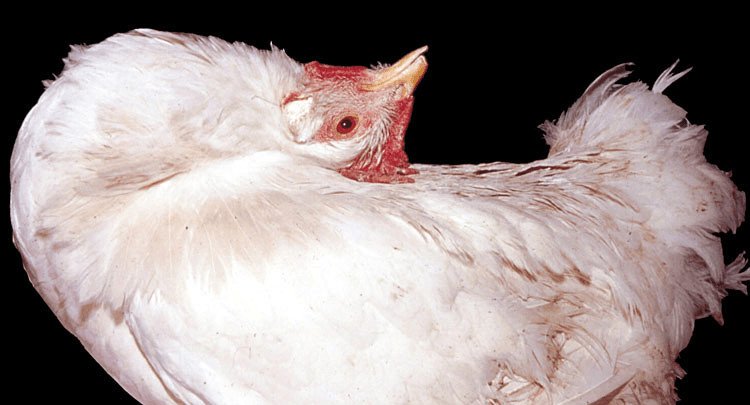
A broiler chicken is a bird specifically bred for meat production, distinguished by its rapid growth and high feed efficiency compared to egg-laying breeds. Through decades of selective breeding, modern broilers can reach a market weight of roughly 2.5 kg in as little as 6 to 8 weeks. This biological efficiency is quantified by the Feed Conversion Ratio (FCR), where birds convert high-protein grain into muscle at an impressive rate, making them the most cost-effective source of animal protein globally.
The production cycle is divided into three critical stages: brooding, growing, and finishing. During the initial brooding phase, chicks require a strictly controlled environment with temperatures around 32°C to 35°C to compensate for their inability to regulate body heat. As they mature, their diet transitions from high-protein “starter” crumbles to “finisher” pellets designed to maximize breast meat yield. In the current 2026 market, the industry is dominated by high-performance breeds like the Cobb 500 and Ross 308, which are favored for their consistent growth and resilience.
Modern broiler farming has shifted toward precision agriculture and improved animal welfare to meet consumer expectations. Farmers now utilize automated climate control and sensor-based feeding systems to reduce waste and monitor flock health in real-time. Additionally, there is a global movement toward “No Antibiotics Ever” (NAE) production, where gut health is maintained through probiotics and biosecurity rather than traditional medication. This evolution ensures that broiler farming remains a highly scalable and sustainable venture in the modern food supply chain.
Nutritional problems in broiler chickens can lead to slow growth and weak immune systems. They also make chickens more likely to get sick. It’s important to prevent and manage these…
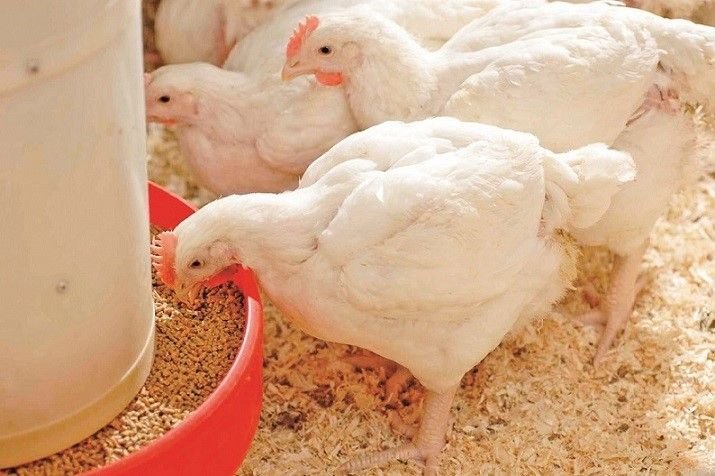
Broiler chickens, the meat-producing varieties of poultry, have specific nutritional needs that change as they grow. It’s important to understand these needs to create the best diets for them. From…
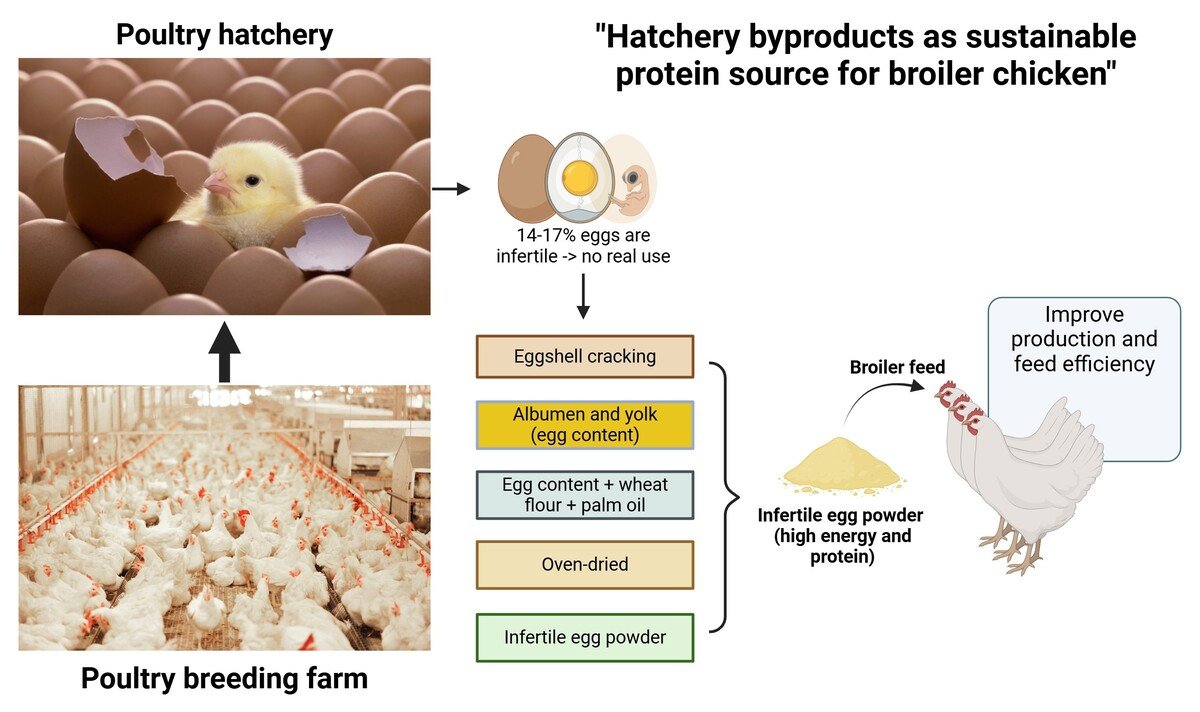
Protein is key in poultry diets, along with carbs, fats, water, vitamins, and minerals. It’s vital for life. Proteins are made of amino acids linked together. They break down into…
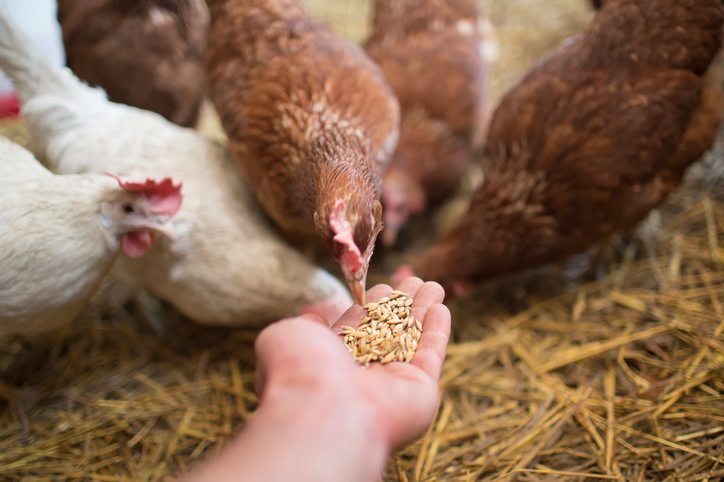
In broiler chicken production, picking the right feed ingredients is key. It affects the birds’ health, how well they eat, and the cost of production. Feed makes up about 70%…
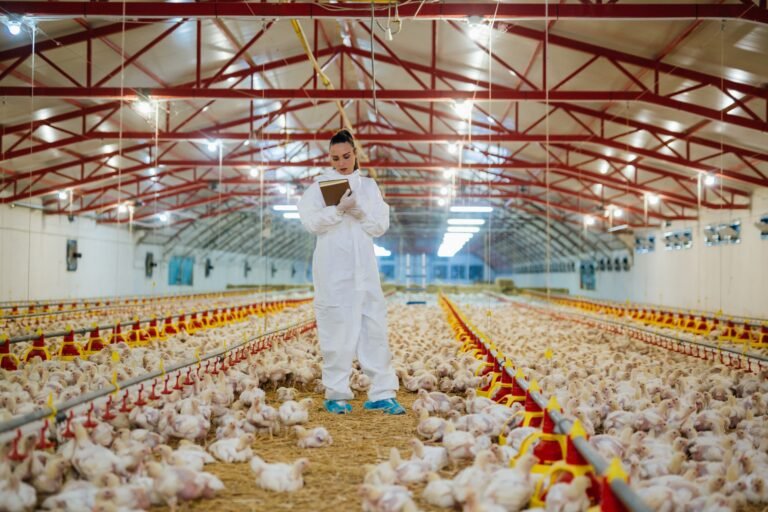
Making the right animal feed is key for healthy, growing livestock. Even experts can make mistakes that hurt animal health and profits. This guide will cover common feed formulation errors…
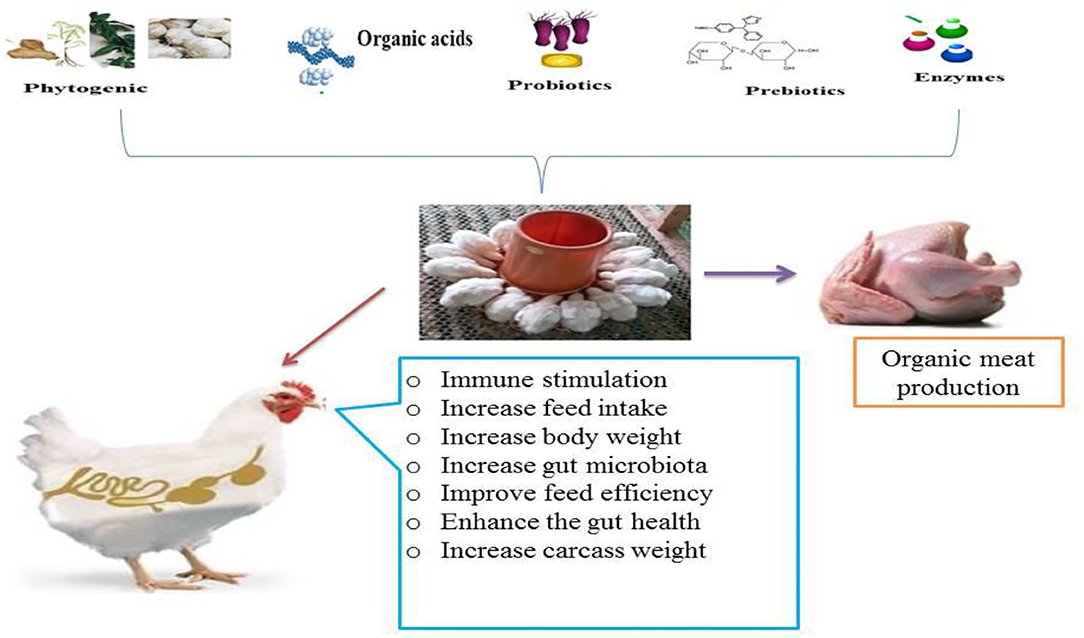
In the world of poultry, feed additives are key to better broiler chicken performance. This article explores the latest in feed additives. It shows how they improve growth, health, and…
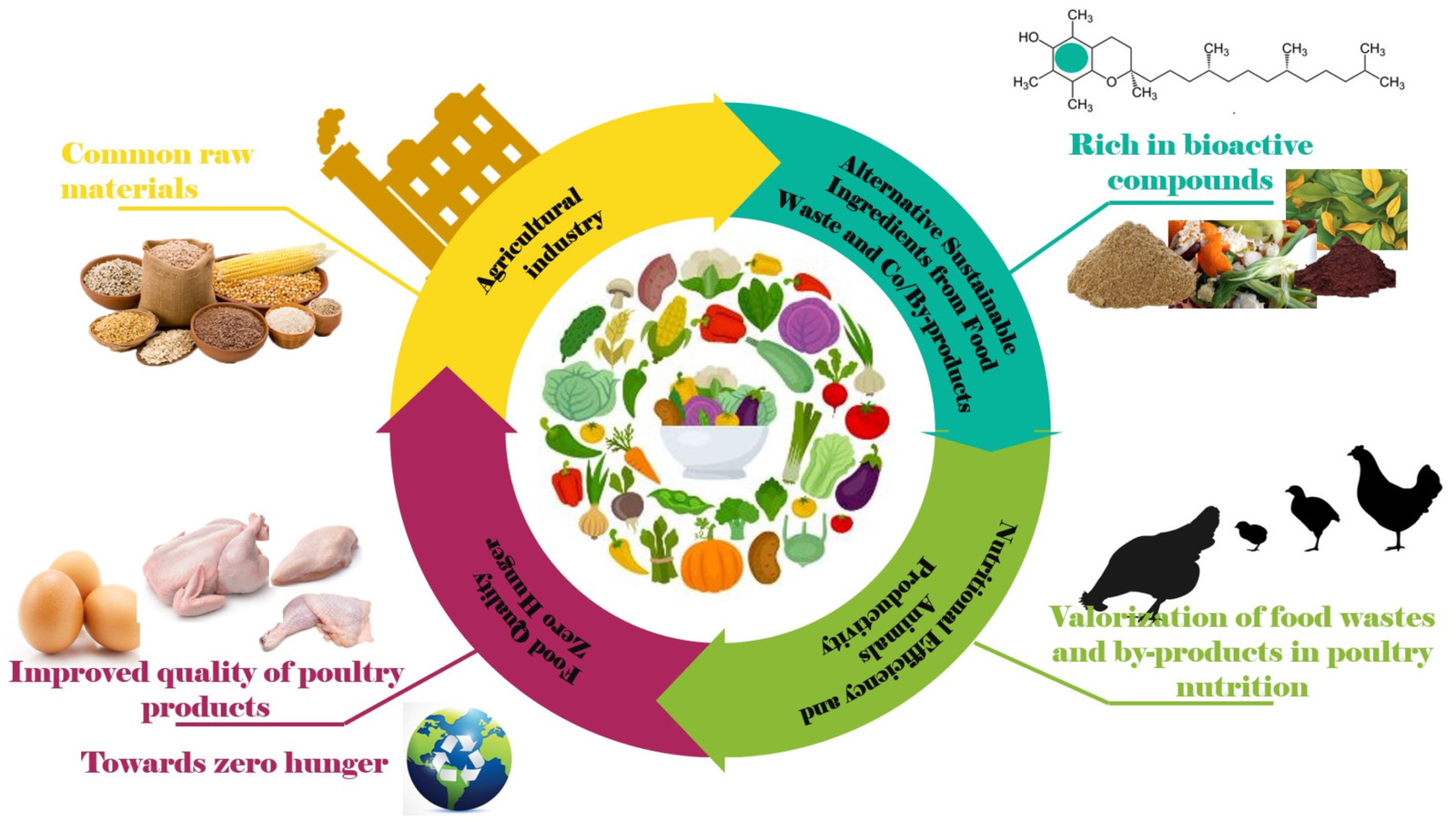
The need for sustainable and local food is on the rise. Poultry farmers are now using local ingredients in their chicken feed. This move helps the local farmers and makes…
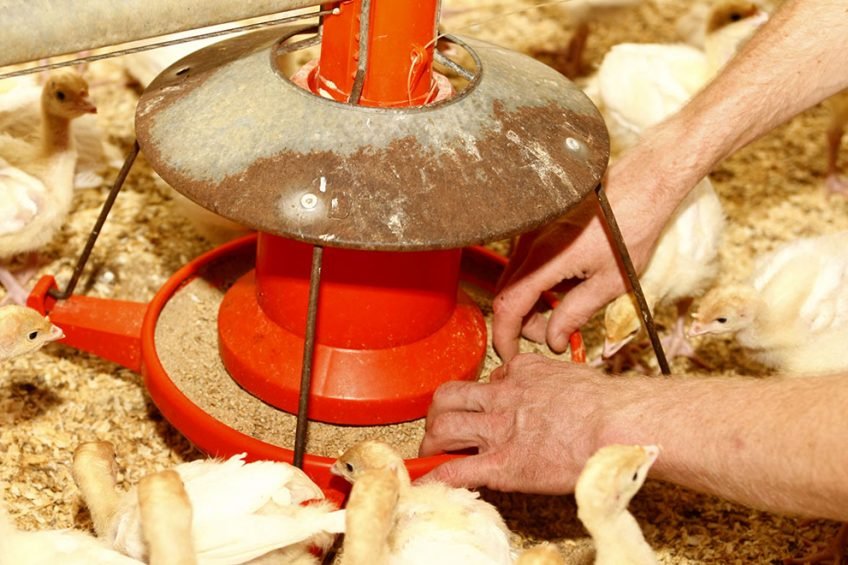
The United States poultry industry processed over 9.22 billion broilers in 2020, as reported by the National Chicken Council. The poultry industry uses a vertically integrated system to move products…
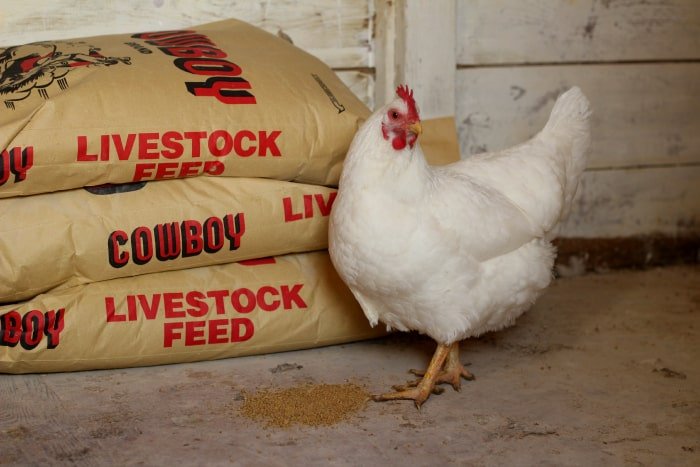
Feed costs are a big part of the expenses in raising broiler chickens. They can make up 40% to 70% of the total cost. It’s important to find ways to…
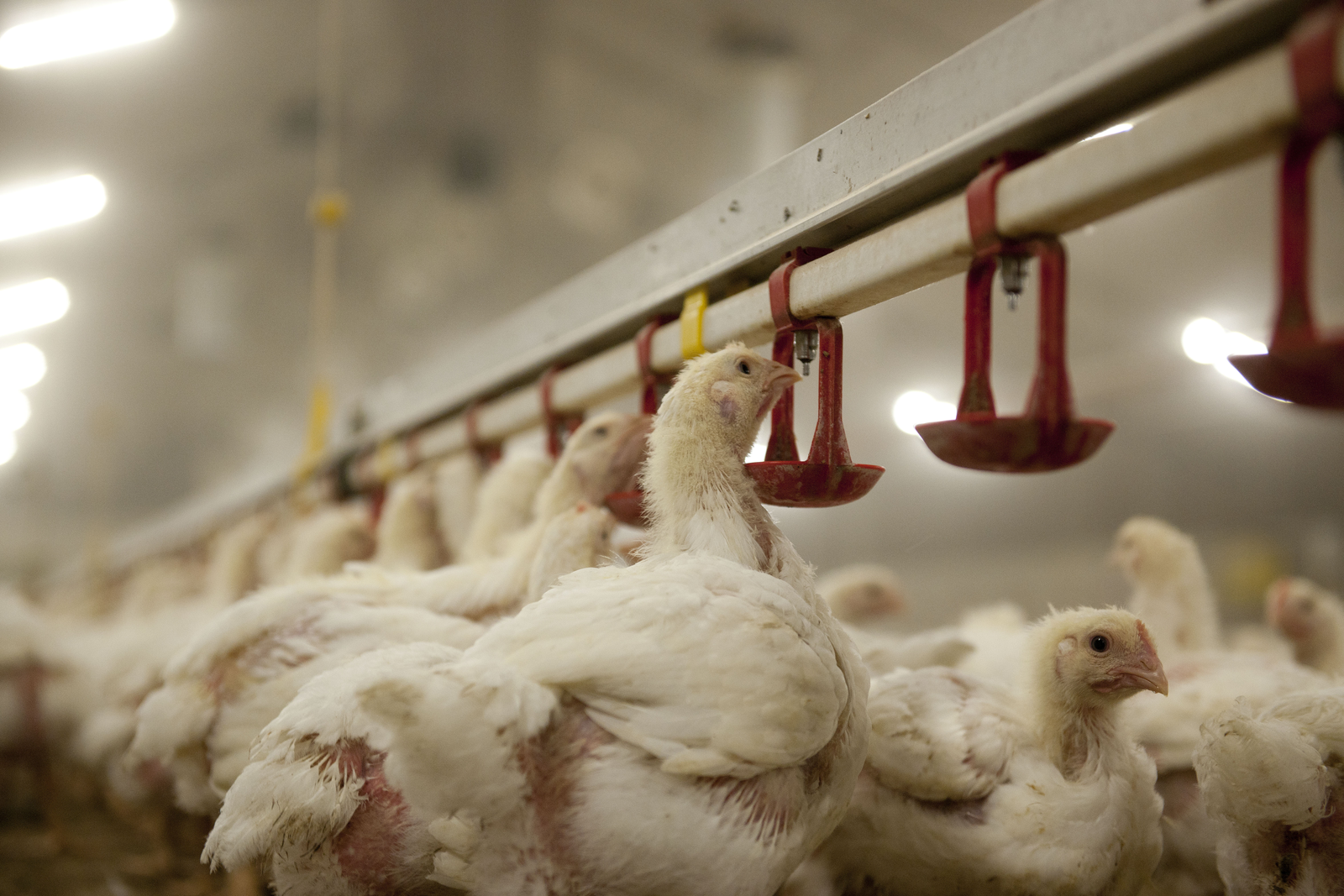
Feed is the highest cost in raising chickens, making up 70% of expenses. It’s key to use nutrients well to boost feed efficiency. Yet, chickens lose a lot of nutrients…