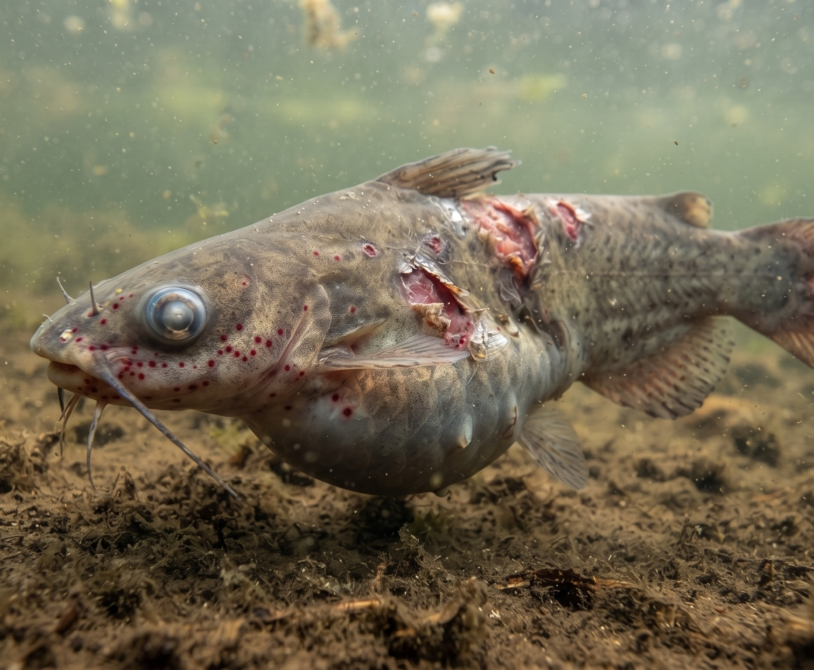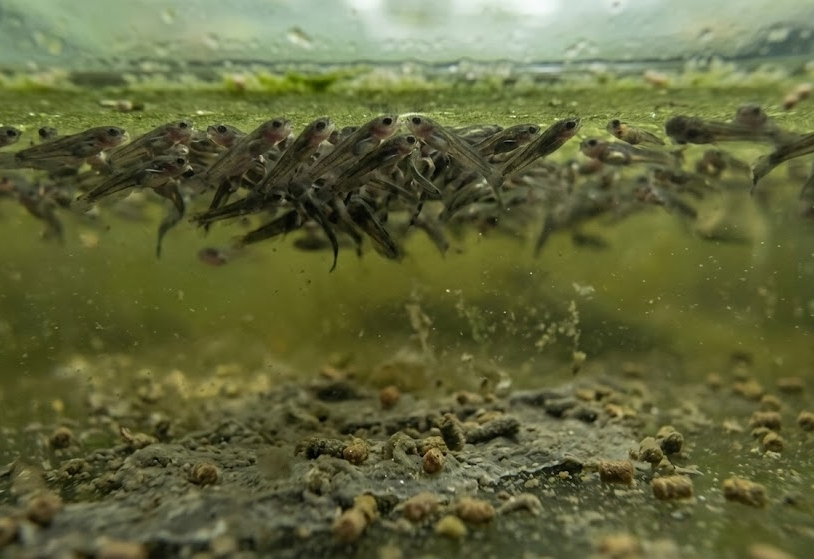
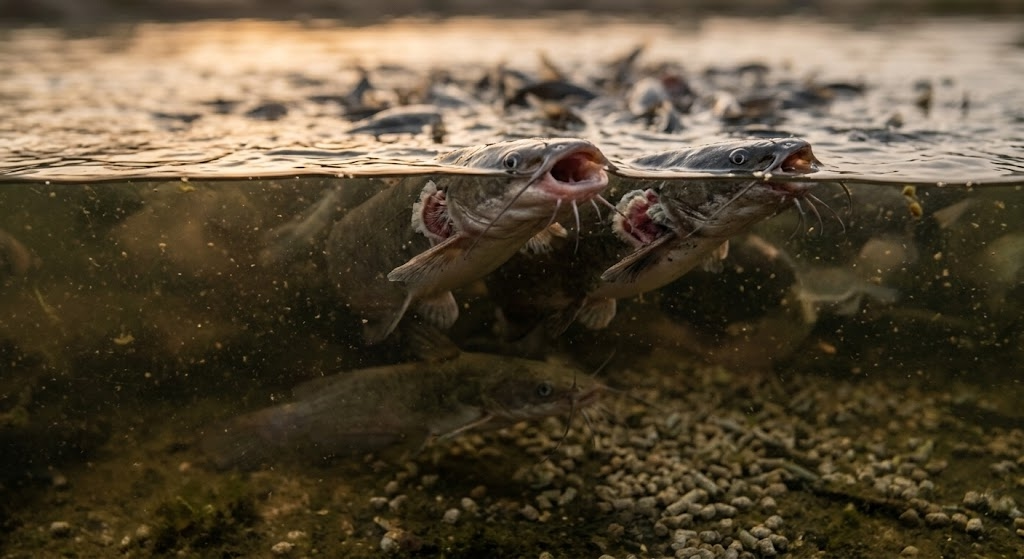
Fungal gill infections are a potential health problem in catfish farming because the gills are essential for oxygen uptake. When gill tissue becomes damaged, affected fish may show respiratory distress, reduced feeding, abnormal behaviour, and, in severe cases, mortality.
In African catfish (Clarias gariepinus), suspected fungal gill disease must be distinguished from bacterial infections, gill parasites, and water-quality problems. Similar symptoms can arise from several different conditions, so diagnosis should guide management.
What Are Fungal Gill Infections in Catfish?
Fungal gill infections involve fungal organisms affecting or growing on gill tissue. The gills are delicate structures that support gas exchange and other important physiological functions.
Damage to these structures can interfere with normal breathing. However, an abnormal or discoloured gill does not automatically indicate a fungal infection. A qualified fish-health professional may need to examine the tissue to determine the cause.
Symptoms of Fungal Gill Infections
The signs vary with the underlying cause and severity of the gill damage.
1. Rapid gill movement
Fish may move their gill covers faster than usual, suggesting respiratory distress.
2. Gasping at the water surface
Catfish may spend more time near the surface or show increased air-gulping behaviour. Because African catfish can naturally breathe atmospheric air, this behaviour must be interpreted alongside other symptoms and water-quality results.
3. Reduced appetite
Affected fish may respond slowly to feed, consume less or stop feeding.
4. Lethargy
Fish may become less active, respond slowly to disturbance or show abnormal swimming behaviour.
5. Abnormal gill tissue
The gills may appear pale, swollen, irritated or damaged. These changes are not specific to fungal disease and can also occur with bacterial infections, parasites or toxic water conditions.
6. Increased mortality
Severe respiratory impairment or an underlying environmental problem may lead to fish deaths. Sudden mortality requires urgent investigation.
What Can Contribute to Fungal Gill Problems?
The source topic-cluster plan identifies fungal gill infections as a subject but does not establish specific fungal species, diagnostic criteria or confirmed risk factors for this condition. The following are general factors worth investigating, not proof of fungal disease.
Poor water quality
Ammonia, nitrite and inadequate dissolved oxygen can stress fish and contribute to respiratory distress or gill damage.
Organic waste accumulation
Uneaten feed, faeces and other waste can deteriorate water quality. Poor waste management should be investigated when fish develop unexplained illness.
Fish stress and injury
Handling, transport, crowding and abrupt environmental changes can compromise fish health and make existing problems more difficult to manage.
Existing gill damage
Damaged tissue warrants investigation for infectious and environmental causes. Its appearance alone cannot establish whether fungi are responsible.
How to Diagnose Fungal Gill Infections
A structured investigation helps distinguish fungal disease from other causes of gill damage.
Step 1: Observe the fish
Record changes in feeding, swimming, gill movement, and mortality. Note when symptoms started and whether they affect one tank or multiple ponds.
Step 2: Test water quality
Measure:
- Dissolved oxygen
- Ammonia
- Nitrite
- pH
- Water temperature
Correct confirmed water-quality problems promptly using methods appropriate for the farming system.
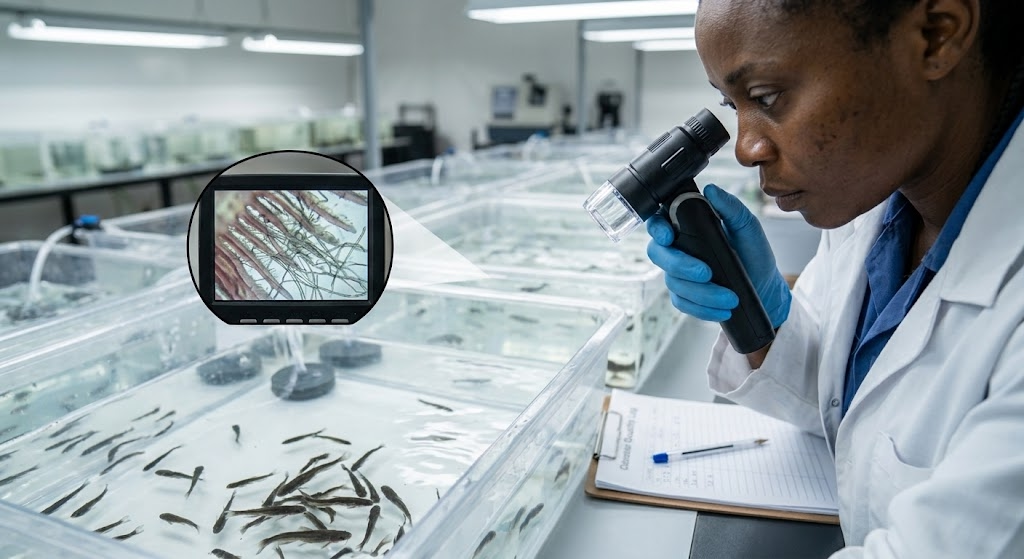
Step 3: Examine the gills
A qualified person should assess the gills for abnormal colour, swelling, excess mucus, or visible tissue damage. These observations help guide further testing but do not confirm a fungal cause.
Step 4: Investigate alternative diagnoses
Consider bacterial gill disease, parasitic infections, low dissolved oxygen, ammonia toxicity, and nitrite toxicity. Several problems can occur together.
Step 5: Seek professional or laboratory assessment
If symptoms persist, spread or cause significant mortality, consult a qualified fish-health professional or aquatic diagnostic laboratory. Appropriate examination can help determine whether fungi are involved and whether further testing is needed.
How to Manage Suspected Fungal Gill Disease
The priority is to stabilise the fish and establish the cause before choosing a treatment.
- Check water quality immediately. Investigate oxygen availability, ammonia, nitrite, pH, and temperature.
- Support oxygen availability. If dissolved oxygen is low, provide suitable aeration and monitor the fish.
- Remove dead fish safely. Dispose of carcasses appropriately and clean equipment before using it in another production unit.
- Minimise handling stress. Avoid unnecessary grading, transport or disturbance while fish are unwell.
- Review feeding and waste. Prevent uneaten feed from accumulating and maintain suitable waste-removal practices.
- Obtain a diagnosis. Seek professional advice before applying antifungal chemicals or other treatments.
Should antifungal chemicals be used?
Not automatically. The suspected disease may not be fungal, and a product suitable for one fish species or production system may be unsuitable for another.
Treatment decisions must account for the confirmed or suspected organism, fish size, water conditions, production system, local regulations, and product-label instructions. Where food fish are involved, applicable withdrawal periods must also be followed.
The source plan does not specify an antifungal product, dosage, or treatment protocol, so no universal chemical treatment can be recommended here.
How to Prevent Fungal Gill Problems
Prevention begins with routine fish-health monitoring and good farm management.
Maintain suitable water quality
Regularly monitor dissolved oxygen, ammonia, nitrite, pH, and temperature. Keep records to identify changes before they develop into serious problems.
Avoid excessive stocking density
Match stocking levels to the system’s oxygen supply, water exchange, filtration and waste-removal capacity.
Maintain good feeding practices
Provide suitable-quality feed and avoid overfeeding. Remove accumulating waste using appropriate farm procedures.
Reduce handling stress
Use careful handling and appropriate transport procedures. Avoid unnecessary disturbance of fish that are already showing signs of illness.
Apply biosecurity measures
- Clean and disinfect equipment appropriately.
- Avoid moving contaminated equipment between ponds.
- Quarantine new fish before introduction.
- Observe newly introduced fish for signs of illness.
- Record mortality, disease signs, water-quality results and any treatments used.
Monitor fish daily
Regularly observe feeding behaviour, activity, gill movement and mortality. Early recognition of respiratory distress allows farmers to investigate environmental problems and seek help before losses increase.
When to Seek Professional Help
Contact a qualified fish-health professional when:
- Gill damage is severe or unexplained.
- Fish are dying or mortality is increasing.
- Several ponds or tanks are affected.
- Symptoms persist after water-quality problems have been corrected.
- The cause of the disease remains uncertain.
- Chemical or antifungal treatment is being considered.
If many fish are gasping or dying, assess dissolved oxygen and water quality urgently while arranging further investigation.
Frequently Asked Questions
Can fungal infections affect the gills of African catfish?
Fungal involvement is a possible cause of gill disease, but the source plan does not identify particular fungal species or establish their prevalence in African catfish. A diagnosis should be based on appropriate examination rather than appearance alone.
How can I distinguish fungal gill disease from bacterial gill disease?
The symptoms may overlap. Rapid gill movement, reduced feeding, and abnormal gill tissue are not enough to distinguish the two reliably. Professional examination and appropriate testing may be required.
Can poor water quality look like fungal disease?
Yes. Poor dissolved oxygen and toxic ammonia or nitrite levels can cause respiratory distress and gill damage. These conditions should be assessed whenever catfish show abnormal breathing or unexplained mortality.
Should I treat the whole pond?
Do not apply a pond-wide chemical treatment without identifying the likely cause and checking whether the treatment is suitable and legally permitted. Unnecessary treatments may harm fish or worsen water conditions.
Can good farm management prevent every fungal infection?
No. Good water-quality management, biosecurity, suitable stocking, and reduced stress can lower disease risks, but they cannot guarantee that fungal disease will never occur.