
For a busy commercial bakery in Douala or a luxury hotel in Yaoundé, the “hidden costs” of freshness can often be the difference between a profitable quarter and a financial struggle. While fresh eggs are a staple, the logistical reality of handling them at scale involves high labor costs, significant breakage, and skyrocketing electricity bills for refrigeration.
In 2026, as Cameroon moves toward greater food sovereignty and “Made in Cameroon” industrialization, egg powder is emerging as the secret weapon for B2B efficiency. By removing the water and the shells, Otto’s Farms is helping businesses streamline their operations and protect their bottom line.
The Industrial “Efficiency Gap”: Liquid vs. Powder
For industrial food processing, the decision to switch from fresh or liquid eggs to powder isn’t just about the ingredient—it’s about the Total Cost of Ownership.
1. Eliminating the “Labor Tax.”
In a high-volume bakery, cracking hundreds of eggs by hand is a slow, error-prone process. It requires dedicated staff and introduces the constant risk of shell contamination.
-
The Powder Advantage: Otto’s whole egg powder is ready to use. You simply measure and mix. This transition can reduce labor hours in the prep kitchen by up to 30%, allowing your skilled bakers to focus on artistry rather than manual labor.
2. Slashing the Energy Bill
Refrigeration is one of the highest operating expenses for hospitality businesses in Africa. Fresh and liquid eggs must be kept in a strictly controlled cold chain from the farm to the oven.
-
The Powder Advantage: Egg powder is ambient-stable. It can be stored at room temperature (ideally between 10°C and 21°C) for up to 24 months. By switching to powder, a commercial kitchen can reallocate its limited refrigerator space to high-risk perishables like dairy and meats, significantly lowering overall electricity consumption.
Comparing the Formats: Which is Right for Your Business?
| Feature | Fresh Shell Eggs | Pasteurised Liquid Eggs | Otto’s Whole Egg Powder |
| Shelf Life | 3–4 Weeks | 2–3 Weeks (Opened) | 12–24 Months |
| Storage | Refrigerated (High Volume) | Strictly Refrigerated | Ambient (Dry Shelf) |
| Risk of Waste | High (Breakage/Spoilage) | Medium (Short Expiry) | Very Low |
| Dosing Precision | Difficult (Size varies) | Good | Excellent (Gram-precise) |
| Application | Hand-cracked recipes | Industrial batches | Automated production lines |
Reducing Food Waste in Cameroon’s Hospitality Sector
Food waste is a silent profit killer. In the hospitality sector, roughly 12% of total waste comes from the kitchen. Fresh eggs are particularly prone to this through “shell-crack” accidents and expired batches.
Building a “Smart Menu” with Shelf-Stable Protein
By using bulk egg powder for food processing—such as in cake mixes, mayonnaise production, or large-scale breakfast buffets—hotels can implement a “First-In, First-Out” (FIFO) system that virtually eliminates egg-related spoilage. This reliability is critical during Cameroon’s peak tourist seasons or when global supply chain disruptions cause sudden shortages of fresh produce.
Powering the Next Generation of “Made in Cameroon” Products
As the government promotes the integration of local flours (like cassava and plantain) into bread production, the need for high-quality binders is growing. Egg powder provides the essential emulsification and structure needed to make local wheat substitutes perform just like imported wheat.
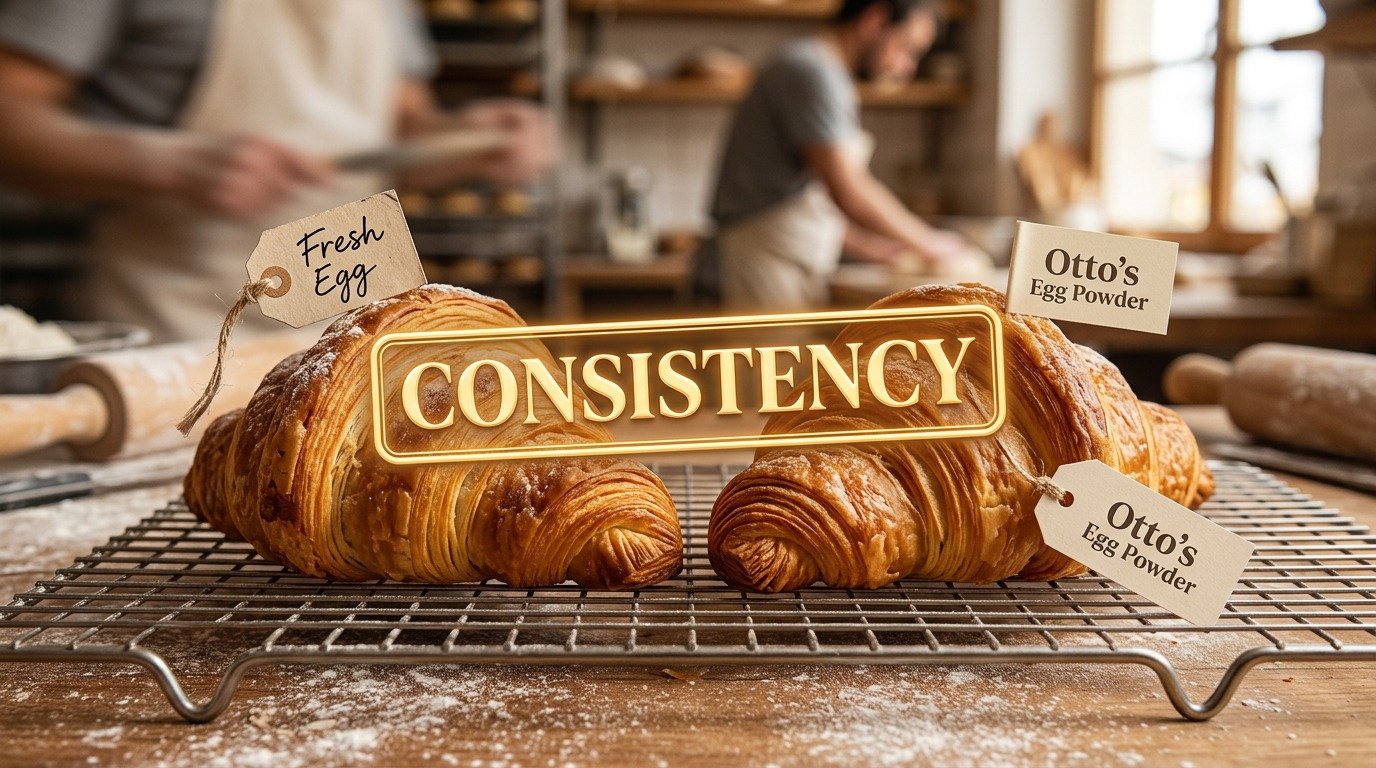
For manufacturers of biscuits, pasta, and ready-made meals, Otto’s Farms offers a reliable, industrial-grade ingredient that ensures every batch is consistent, safe, and cost-effective.
Conclusion: Investing in Resilience
Switching to egg powder isn’t just an ingredient change; it’s a strategic move for any B2B operation looking to scale. By eliminating the need for refrigeration and reducing labor intensity, you aren’t just making better bread—you’re building a more resilient business.
Ready to modernize your production?
Contact Otto’s Farms today for a B2B Bulk Sample Kit and a custom Cost-Benefit Analysis tailored to your bakery or hotel’s specific volume.
Frequently Asked Questions (FAQ)
Q: Why should my bakery switch from fresh eggs to bulk egg powder? A: Switching to bulk egg powder eliminates the labor-intensive process of cracking eggs and significantly reduces the energy costs associated with constant refrigeration. It also provides a standardized, consistent ingredient that ensures every batch of your baked goods is identical in quality and texture.
Q: How does using egg powder help reduce food waste in the hospitality sector? A: Fresh eggs are highly perishable and prone to breakage and spoilage, contributing to significant kitchen waste. Egg powder is shelf-stable for up to 24 months, allowing hotels and restaurants to implement an efficient “First-In, First-Out” (FIFO) inventory system and virtually eliminate egg-related spoilage and associated costs.
Q: Are powdered eggs as nutritious as fresh eggs for industrial food production? A: Yes. The pasteurization and spray-drying process used to create our egg powder retains virtually 100% of the protein, vitamins, and minerals found in fresh eggs. Your customers get the same high-quality nutrition, while your business benefits from enhanced safety, consistency, and a dramatically extended shelf life.